
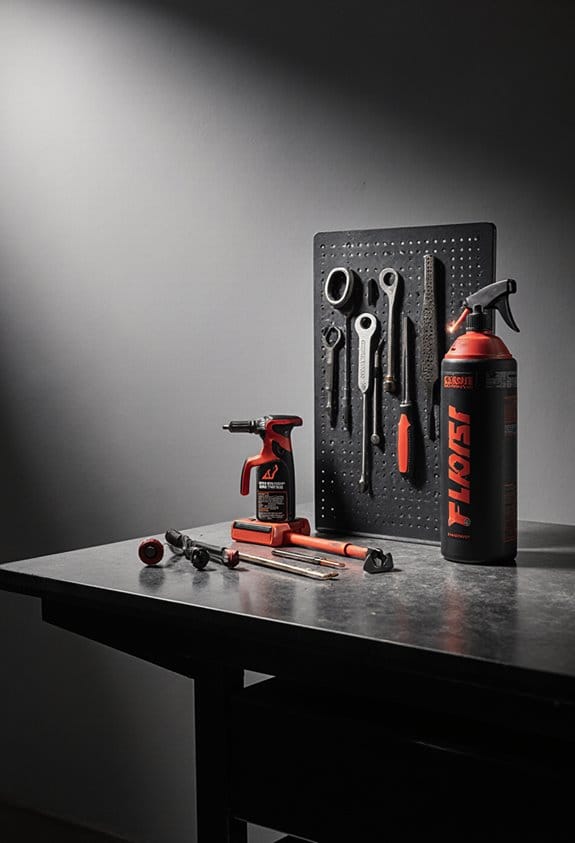

Have you ever thought about how dangerous it can be to store tools and flammable solvents in the same space? If you’re working with spark-producing tools, keeping them away from solvents is essential for fire safety.
So, how can you make your workspace safer? Approved fire-rated cabinets are a solid choice for securing your solvents. Make sure these cabinets are well-labeled, so everyone knows what’s inside.
It’s also a good idea to set up specific spark-free zones in your workspace. You should always use non-sparking tools in these areas, and keeping those tools well-maintained will help prevent accidents.
When organizing your storage areas, take a moment to think about how things are laid out. Clutter can lead to chaos, and you want to separate any materials that don’t mix well.
Also, don’t forget to inspect these areas regularly for any leaks and ensure there’s proper ventilation.
Frankly, sticking to these practices not only boosts your safety but also lowers the risk of fire. Plus, it’s a good habit to develop, so you can focus on what really matters.
Have you checked your tool storage lately? It’s worth your time to keep things safe.
Key Takeaways
- Store tools that create sparks in designated fire-rated cabinets separate from flammable liquids and solvents.
- Maintain a clear organizational system to prevent mixing ignitable tools with flammable materials.
- Regularly inspect storage areas to ensure proper ventilation and distance from ignition sources.
- Implement a labeling system to identify and categorize flammable materials and spark-producing tools.
- Conduct regular training for personnel on fire safety practices and the importance of separating sparks from solvents.
Why Fire Safety Matters in Tool Storage
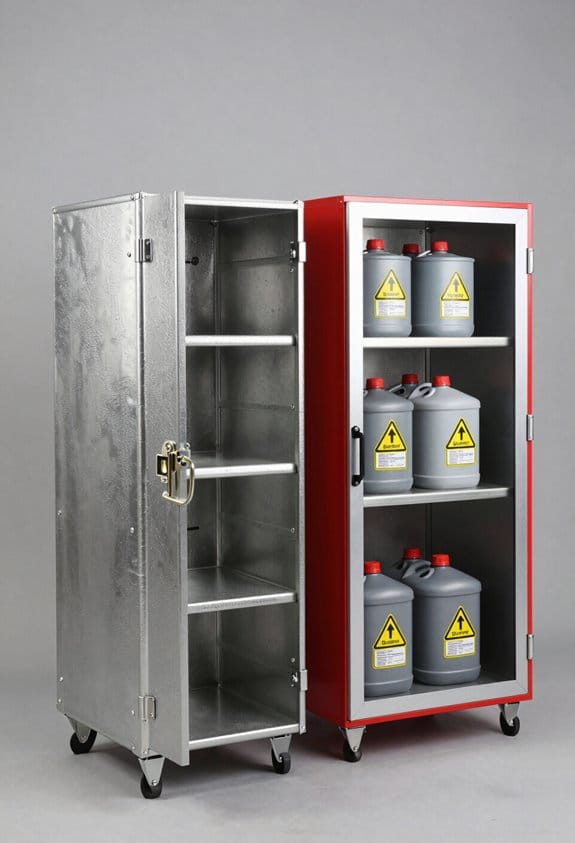
Fire safety in tool storage is more important than you might think. Have you ever considered the potential dangers lurking in your workspace? It’s crucial to pay attention to how we store flammable liquids. Keeping these materials in approved flammable storage cabinets is a must. By putting enough space between your tools and any ignition sources—like heat-generating equipment—you can seriously cut down the chances of a spark igniting any vapors.
Now, let’s talk about chemicals. If you’re handling large amounts, you need to be on top of safety management practices. Regular inspections of your tool storage areas are key. Make sure you check for good ventilation and ensure there are no ignition sources around. Fume hoods can also be a big help in managing fumes safely. Honestly, establishing clear safety standards isn’t just about rules; it’s about keeping you and your co-workers safe. Many flammable storage cabinets include ventilation holes to reduce gas buildup, which is essential for maintaining a safe workspace.
Fire Safety Practices for Storing Flammable Solvents
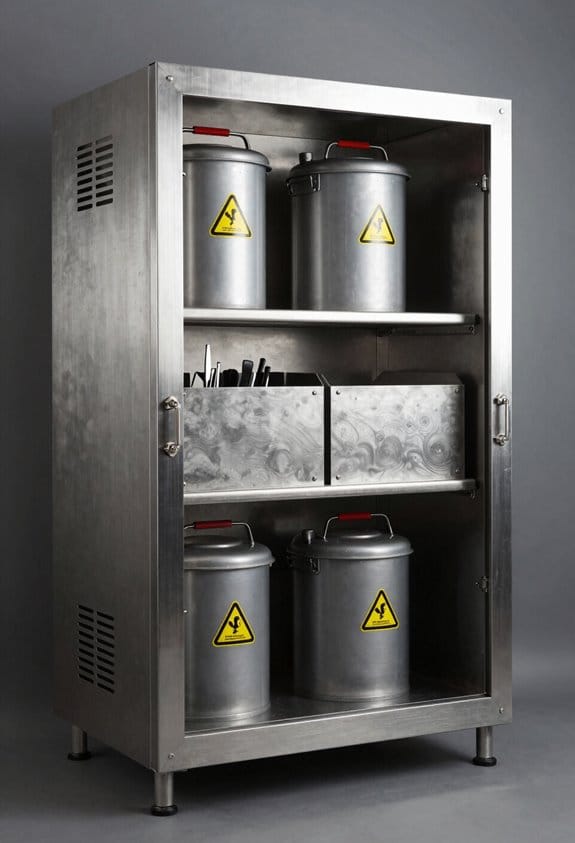
When it comes to storing flammable solvents, many people overlook some common-sense fire safety practices. Ever thought about how your storage choices could impact your safety? Here are some tips that can really make a difference.
First off, always store those flammable solvents in approved, fire-rated cabinets. These cabinets can withstand high temperatures, which is crucial in case of a fire. Keeping your containers tightly closed is a must, and don’t forget to label them clearly. Make sure to include hazard warnings and dates—this little detail can help you keep track of what’s what.
Now, think about where you’re putting these storage containers. They need to be in well-ventilated areas, far away from any potential ignition sources. You don’t want anything sparking a fire. And here’s a trick: use secondary containment, like spill trays, to catch any leaks. This small step can boost your safety quite a bit.
Regular inspections are key. Make it a habit to check for leaks and ensure your containers are in tip-top shape. Plus, reviewing Safety Data Sheets is super helpful; they give you insights into the flash points and specific handling requirements of each solvent. So, why does this matter? It’s about keeping you and those around you safe. Proper fireproof capabilities in storage cabinets play a critical role in preventing fire spread and ensuring safety.
Recommended Products

Helps Keep Your Space Safe - Our classic flammable liquid storage cabinet is essential for the proper storage and handling of flammable liquids, and for adherence to relevant safety standards

FIREPROOF & IMPACT TESTED FOR MAXIMUM SAFETY: Fireproof Rated 350 1-hour for documents and paper, tested for fire at 1700 degrees Fahrenheit and explosion tested at 2000 degrees Fahrenheit. Impact Rated. The impact test includes dropping the cabinet 30 feet onto concrete rubble, then reheating in the fire

Reliable and Durable: This fire cabinet is built from fully welded Q235 cold-rolled steel with an air gap in the door panel to reduce heat transfer and minimize fire and explosion risks. Galvanized shelves offer excellent wear and corrosion resistance, maintaining shape even under harsh industrial conditions
Creating Spark-Free Zones in Your Workspace
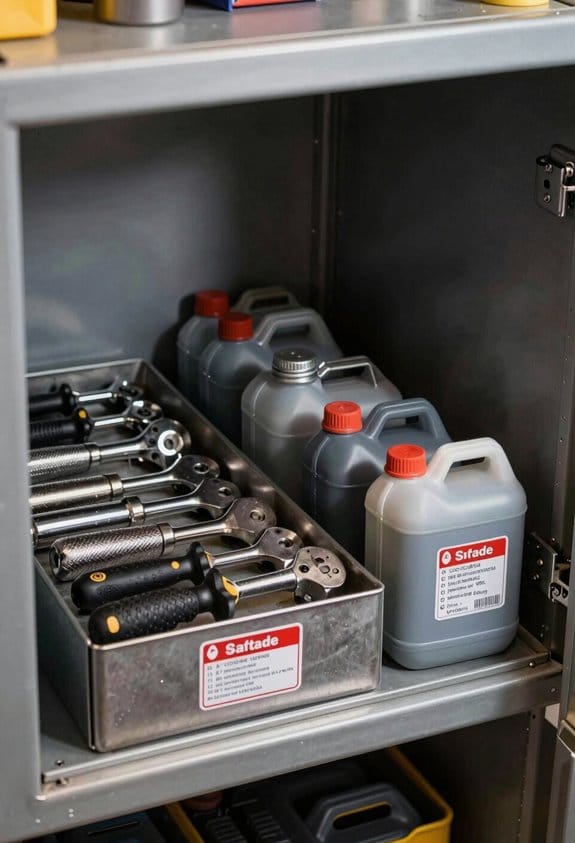
Have you ever thought about how a little care in your workspace could prevent big disasters? Creating spark-free zones is a smart move, especially when you’re dealing with flammable solvents. These special areas are essential for keeping everything safe, so let’s dive into how to set them up effectively.
First off, you want to make sure these zones are well-defined. Store all your flammable solvents in approved cabinets that are clearly labeled. Keeping these cabinets away from incompatible chemicals is a must—trust me, mixing solvents can be a recipe for disaster. Remember, clutter doesn’t help either; a messy workspace can increase the risk of sparks flying around. Try setting up organizational systems to keep everything neat and tidy.
Now, let’s talk tools. It’s crucial that anything in these spark-free zones is non-sparking. Regular maintenance is key here—broken equipment can easily create sparks. So, check your tools frequently to ensure they’re in good shape.
Here’s the trick: train your team to be aware of spark-producing tools, like grinders, and avoid using them in these dedicated areas. You really can’t be too careful when it comes to safety in the lab. Additionally, implementing a lockout tagout system can enhance safety by preventing accidental equipment operation during maintenance.
Recommended Products

Helps Keep Your Space Safe - Our classic flammable liquid storage cabinet is essential for the proper storage and handling of flammable liquids, and for adherence to relevant safety standards

Chemical Storage: 70x43x34 in, 100 gal. Flammable safety cabinet is deal for storing flammable, explosive, and combustible liquid chemicals, ensuring safe management in laboratories and industrial environments

Dimensions & Capacity: Cabinet Outer Size 43" x 18" x 65" , Cabinet Inner Size 40" x 15" x61.5", maximum chemical storage 45 gallons.
Fire-Safe Tool Storage Solutions
Setting up a safe storage system for your tools can really make a difference in keeping fire risks at bay. Have you ever thought about where you keep your equipment? Tools that throw off sparks, like grinders and saws, should definitely be stashed in specific areas that are far away from flammable liquids and solvents.
Try this: using fire-rated storage cabinets can really help keep those pesky sparks contained, which limits the chance of a fire spreading. It’s also super important to think about a segregation system. Categorize your tools into ignition sources and non-flammable items so that they can maintain a safe distance from each other.
Labeling and signage matter too. Make sure you’ve got clear signs indicating where the flammable materials are, so no one accidentally mixes things up. Regularly checking your tools is essential—keeping them in good working condition means fewer sparks when you use them.
Honestly, taking these precautions can really enhance both industrial hygiene and fire safety in your workspace. So, what changes can you make today to create a safer storage system for your tools? Additionally, incorporating cabinets made from cold-rolled steel can increase durability and fire resistance, ensuring better protection for your supplies.
Recommended Products

Single Special Design Burglary Resistant Handle

FIRE RATED FILING CABINET can endure fire for 1 hour while maintaining interior temperatures, ensuring your documents, certificates & valuables remain safe in extreme conditions

12 piece set includes: 2x Cabinet with drawer, 2x Cabinet with 4 drawers, 2x Tall Cabinet, 2x Wood Working Top and 4x Small Top Wall Cabinets which feature a fully welded steel structure for added support - the design is ergonomical, sufficient and organized
Get Ready for Emergencies With These Fire Safety Tools
Are you ready for an emergency at your workplace? It’s crucial to have the right fire safety tools on hand so that everyone can respond effectively when the unexpected happens.
Start with proper cabinets for flammable liquids—make sure they’re well-stocked and tucked away from heat sources. You wouldn’t want an accident waiting to happen, right? Fire extinguishers should be easily accessible and suitable for those flammable liquid fires, plus they need regular inspections. Have your team know where these are located; it could make all the difference in an emergency.
If you’re working with organic solvents, don’t skip out on installing functional eyewash stations and safety showers. These are life-savers for immediate decontamination, and having them nearby can really help in a pinch. Eyewash stations should comply with ANSI Z358.1-2014 standards to ensure they provide effective emergency care. Additionally, make a practice of conducting regular fire safety drills. These will prepare your team for any flammable solvent spills or fire scenarios that might arise.
Lastly, keep some spill kits handy. They should include absorbents and neutralizers, which help tackle spills quickly. This way, you can prevent small messes from turning into serious fire hazards.
Recommended Products

Halotron I, Class B:C Extinguisher

Halotron I, Class B: C Fire Extinguisher

Frequently Asked Questions
What Are the OSHA Requirements for Chemical Storage?
OSHA requires us to guarantee chemical compatibility, use proper storage containers, meet labeling requirements, maintain safety data sheets, uphold aisle clearance, guarantee ventilation systems are working, and implement spill containment alongside thorough employee training.
Which of the Following Chemicals Should Be Stored Separately From Oxidizers?
“An ounce of prevention’s worth a pound of cure.” We must store acids, flammable solvents, and reactive substances separately from oxidizers, ensuring proper chemical compatibility, safety containers, and ventilation to prevent explosive materials and hazardous waste.
What Are the NFPA Requirements for Flammable Liquid Storage?
We’ve got to adhere to NFPA requirements by using proper storage container types, following labeling standards, ensuring ventilation, implementing spill containment measures, and providing employee training programs on flammable liquid classifications and fire suppression systems.
Should Flammable Liquids Be Kept at Least Feet From Sparks Flames and Other Ignition Sources?
Yes, flammable liquids should be kept at least 25 feet from ignition sources. By following chemical storage guidelines, implementing workplace safety training, and practicing proper labeling, we enhance fire risk management and guarantee our safety.


