


Ever found yourself in a situation where you need to shut off the water, gas, or electricity in your apartment? It can feel a bit daunting, but knowing how to do it can really help you navigate emergencies or make repairs safely. Here’s a straightforward guide to get you through it.
First things first, let’s tackle the water. Most likely, the main water shut-off valve is hiding under your kitchen sink or close to your water heater. Just turn it clockwise to stop the water flow. Easy enough, right?
When it comes to gas, check near your gas meter for the shut-off valve. Again, a clockwise turn does the trick here. Keeping your home’s gas supply under control is essential, especially during any maintenance work.
Now, electricity—this one can feel a bit more intimidating. Head over to your central electrical panel. You’ll want to switch off each circuit breaker first, and once you’ve done that, switch off the main breaker too. It’s just about making sure everything is turned off safely.
After you’ve shut everything down, take a moment to check for any leaks or unusual odors. So, why does this matter? It’s all about ensuring your space is safe and secure before you proceed with any further actions.
The best part is, this process not only gives you control over your apartment’s utilities, but it can also increase your confidence in handling household emergencies. Honestly, knowing how to shut off these utilities may come in handy more often than you think.
To sum it up, locating the main shut-off valves for water and gas, and ensuring all the circuits are off for electricity is crucial.
Have you ever had to shut off your utilities in a pinch?
Key Takeaways
- Locate the main water shut-off valve, typically under the sink or near the water heater, and turn it clockwise to stop water flow.
- Find the gas shut-off valve near the gas meter or appliance, and turn it clockwise to shut off gas supply.
- Access the electrical panel to turn off circuit breakers, then switch off the main breaker to cut power to the entire apartment.
- Unplug appliances and devices, communicate with household members about the shut-off, and monitor for leaks or odors during the process.
- Consider installing leak detectors and gas sensors for added safety and prevention in your apartment.
Identifying Utility Shut-Off Points in Your Apartment
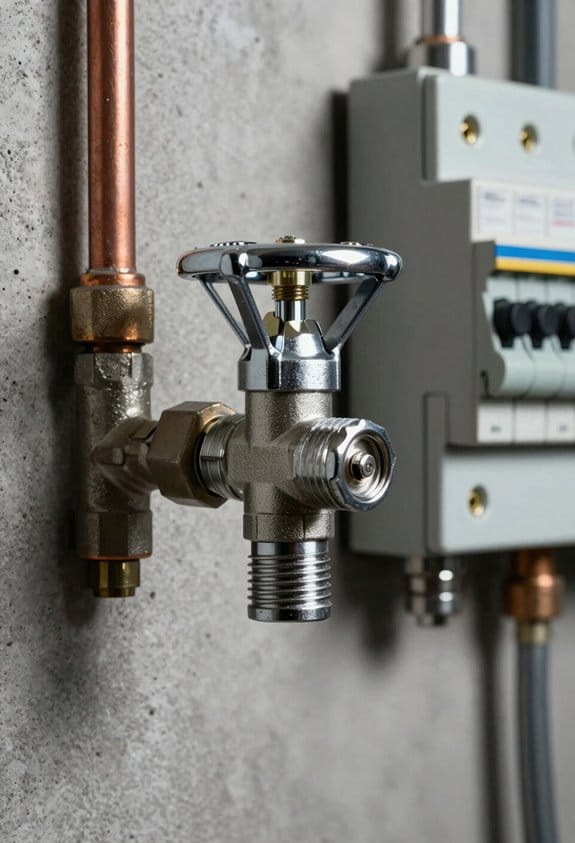
Do you know where to shut off your utilities in case of an emergency? It’s something many of us overlook until it’s too late, but having that knowledge can save you a lot of headaches and potential damage.
First things first, track down the main water shutoff valve. You’ll usually find it in the kitchen or bathroom, located near where the water pipes enter your unit. Knowing how to shut off the water quickly is crucial if you ever face a leak or burst pipe.
Next, let’s talk about gas. Gas shut-off valves are generally around the gas meter or connected directly to your appliances. They can sometimes be a bit tricky to operate and might need a wrench, so make sure you have the right tools handy. Why is this important? A gas leak can be dangerous, and being able to shut it off fast can make all the difference.
Don’t forget about electricity! Check your central electrical panel—it’s often in a hallway, closet, or utility room. This is where you’ll find your circuit breakers. Knowing how to turn them off can be handy if there’s an overload or any electrical issues.
Remember to check these shut-off points regularly. Not only does it keep things safe, but it also ensures you won’t be scrambling to find them when seconds count. So, make a habit of confirming their locations and ease of access.
In brief, knowing where and how to shut off your utilities can really help in a pinch. Have you checked these locations in your apartment?
Using protective gloves when handling shut-off valves can prevent injuries and improve grip, ensuring safety during an emergency.
Steps to Shut Off Water in Your Apartment
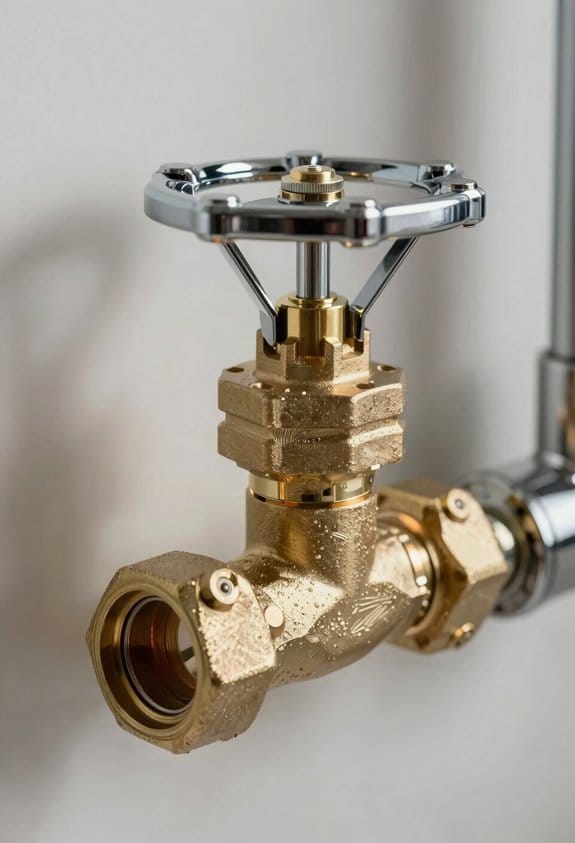
Have you ever found yourself dealing with a water leak or a plumbing issue at the most inconvenient times? Knowing how to shut off the water in your apartment can save you a lot of headaches.
First off, you need to locate the main shut-off valve. It’s typically tucked away in the kitchen, bathroom, or near the water heater. Once you find it, turn the valve clockwise until it can’t go any further. If there’s a localized issue, like a running toilet or leaky sink, you might want to find that specific valve under the appliance.
Here’s the trick: after you shut off the main valve, you should relieve pressure in the pipes. To do this, just open the highest faucet in your apartment. It’s a simple method, but it really helps to prevent any water surprises when you turn things back on. Now, don’t forget about any electric water heaters or appliances. Make sure those are turned off before you cut the water supply. This will help avoid any damage or risks when you eventually restore the flow.
Honestly, knowing these steps can give you peace of mind. It’s one of those things you hope you don’t have to use often, but when you do, it’s invaluable. So, have you checked your shut-off valves recently? Having an accessible emergency kit that includes tools for quick fixes can be a lifesaver in such situations.
Recommended Products

NSF CERTIFIED COMPONENTS – Potable-water safe kit with pulse-output water meter and motorized shutoff valve in your selected size (0.5", 0.75", 1", 1.5", or 2").

NSF CERTIFIED FOR POTABLE WATER - Safe for drinking water applications in homes and commercial buildings.

Z-WAVE PLUS CERTIFIED - Secure, long-range wireless communication with up to 30M reach.
Where to Find Your Apartment’s Main Water Shut-Off Valve

Where to Find Your Apartment’s Main Water Shut-Off Valve
Have you ever thought about what you’d do if water started gushing from a pipe in your apartment? It’s not a fun thought, but knowing where your main water shut-off valve is can really save you from a lot of headaches.
Start by checking the most common places around your apartment. The kitchen, bathroom, or laundry room are great places to look. Often, you’ll find the valve tucked away under the sink, so don’t forget to peek there. If you have a water heater, there’s a good chance the valve is located near it.
In colder climates, you might find the main valve indoors, possibly in a basement or crawl space. This setup is designed to avoid freezing during those colder months. On the flip side, if you live in a warmer area, some apartments have an extra shut-off valve outside near the foundation. Why do you think that is? It’s for easy access when you need it most.
Here’s a pro tip: Don’t hesitate to reach out to your building management. They often have maps or guides that clearly show where the shut-off valve is located. It’s really helpful to familiarize yourself with this info before you ever face a water emergency.
In short, take a little time to find the main water shut-off valve. The peace of mind you’ll gain is worth it. Just like choosing the right allergy medication safety considerations can prevent further complications in your health emergencies, knowing your valve location is crucial. Have you checked yours yet?
Recommended Products

⭐【Upgraded Dual-Detection Leak Protection for Complete Home Coverage】--Frizzlife LPG365 smart water auto shut-off valve combines built-in ultrasonic pipe flow monitoring with wireless leak sensor-triggered Alarm protection whole-home.The main valve monitors whole-home water flow for hidden pipe leaks and abnormal water use, while connected leak sensors guard high-risk areas like the laundry room, water heater, kitchen sink, bathroom, basement, and under-sink cabinets.
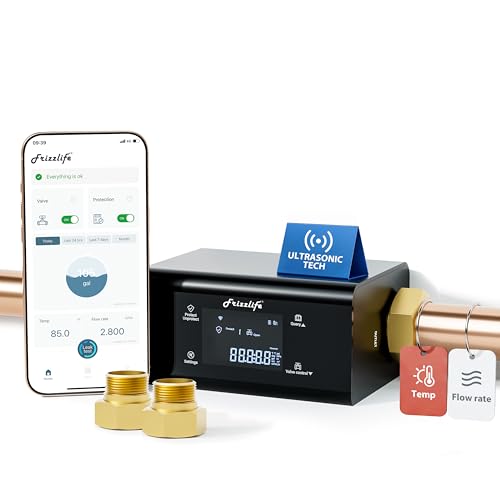
【LP365】--Supports viewing Temp and Flow Rate,【LP365-P】--Supports viewing Water pressure and Flow Rate (All other functions are identical)⭐NSF/ANSI 61 & 372 Certified⭐

YoLink Smart Water Solutions: Our best-selling original Water Leak Sensors (4), X3 smart Valve Controller, Valve Operator and Hub
Locating the Gas Shut-Off Valve in Your Apartment
Have you ever found yourself wondering where the gas shut-off valve is in your apartment? Knowing its location can make a huge difference in an emergency. This isn’t something most of us give much thought to until we notice a strong gas odor or hear a warning about a leak.
Typically, the gas shut-off valve is near the gas meter. You might find it in a utility closet or even outside your apartment. In some buildings, it’s on the wall where the gas line comes into your unit, often close to the kitchen or in a nearby utility space. It can look like a round knob or a lever—either way, you’ll turn it clockwise to shut off the gas.
So, why does this matter? If you ever smell gas, acting quickly is crucial. Don’t hesitate to reach out to your building management or maintenance staff to get clear directions on where that valve is located. Just like you would check on the water shut-off for repairs, knowing how to quickly access the gas valve could prevent a disaster.
Knowing where the gas shut-off valve is can give you peace of mind. You’ll be ready if something happens, and that’s what really counts! So, take a moment to locate it today—don’t wait until it’s too late. Have you checked your gas valve yet?
For emergencies, it’s also helpful to familiarize yourself with general safety precautions related to utilities in your home.
Recommended Products

Earthquake Gas Shut-Off Valve

EARTHQUAKE GAS SHUTOFF VALVE: The Watts Little Firefighter Earthquake Gas Shutoff Vertical Valve automatically activates to shut off gas supply when a seismic event or earthquake of 5.4 magnitude or greater is detected, preventing any hazards during an event.
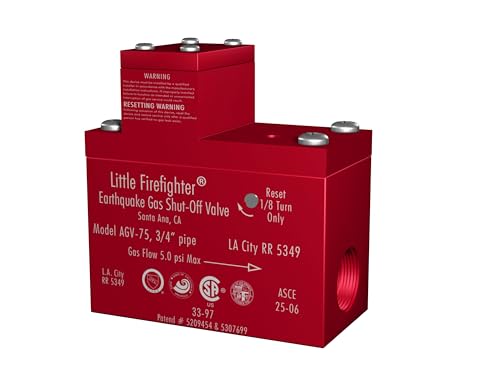
Firefighter Gas Safety Products
How to Shut Off Gas Safely?
Have you ever smelled gas in your home? It can be alarming, but knowing how to shut off the gas safely can make a big difference.
If you detect a gas leak or a strong odor, don’t panic. Your first step is to leave the building immediately. It’s crucial that you avoid using your phone or any electrical devices while inside, as even a tiny spark could ignite gas.
Once you’re outside and in a safe location, look for the main gas shut-off valve, which is typically located near your gas meter. Keeping a crescent wrench handy for such emergencies is a smart idea. To shut off the gas, you simply turn the valve clockwise until it’s fully closed. After you’ve done that, it’s time to reach out to your local utility provider. They’ll come and check everything to make sure it’s safe before you think about turning the service back on.
Now, you might be wondering, why is this so important? Well, being prepared can prevent a disaster. It’s also crucial to regularly test your gas detectors and educate everyone in your household about these safety measures. Additionally, keeping a supply of hand sanitizer with high alcohol content nearby can help maintain hygiene during emergency procedures.
Recommended Products

Includes - 1 x Adjustable Hydrant Wrench Double Head Spanner

Single Ended Valve Wheel Wrench: comes with a silver Single ended valve wheel wrench, a nice tool in every home and toolbox; With its material, Single ended design, and a sleek silver tone, this tool is suitable for those quick fixes and intensive repair tasks

Two tools combined into one convenient operator's tool that can be used wherever valves are adjusted for flow and pressure
Steps to Safely Disconnect Electricity in Your Apartment
When it comes to disconnecting electricity in your apartment, the task can seem daunting. But with a little prep and a careful approach, you can do it safely. Start by grabbing a flashlight because you’ll want to see clearly while you’re working.
Carefully open up the electrical panel cover. Go through each individual circuit breaker one by one and turn them off. This step is important because you don’t want any surprises later on. Once every circuit is off, it’s time to shut off the main breaker to cut power to the entire apartment.
If you notice any damaged power lines or if something feels off, don’t hesitate to contact the utility company. It’s better to be safe than sorry, right? You definitely want to be cautious before getting into the panel.
After the power has been out, or if you’ve completed your maintenance tasks, restoring power is pretty straightforward. Turn on the main switch first and then tackle individual circuits one at a time. This way, you keep everything neat and avoid any overloads.
For added safety during electrical work in dusty or hazardous environments, consider wearing an N95-rated respirator to protect your lungs from airborne particles.
What to Do After Shutting Off Utilities?
After shutting off your utilities, you might be wondering what to do next. First things first—ensure all your appliances and devices are unplugged and disconnected. This simple step prevents any hazards when you turn the utilities back on.
It’s also super important to communicate with everyone in your home about the shut-off. Keeping everyone informed will help ensure everyone stays safe while you sort things out.
Keep an eye out for any standing water, leaks, or strange odors that might pop up during this time. If you notice something off, address it quickly to avoid bigger issues later. So, why does this matter? Well, taking these steps helps maintain a safe environment until everything goes back to normal.
Don’t forget about reaching out to your utility company for guidance. They can give you tips on restoring services safely and checking for any damage that might have occurred. And let’s not overlook the importance of jotting down the shut-off date and the reason behind it. This record can be handy if you ever need to contact them again for assistance in the future.
In short, prioritize safety and communication during this time. Also, having a well-organized emergency preparedness kit on hand can be invaluable while managing utility shut-offs. Have you taken all the necessary precautions after a utility shut-off?
Why Installing Sensors Can Enhance Home Safety
Have you ever worried about unexpected leaks or gas leaks in your home? It’s a scary thought, but there’s a smart way to tackle this issue—by installing sensors specifically designed to monitor these risks.
Try placing water leak detectors in high-risk spots, like your kitchen and bathroom. These little gadgets can quickly alert you to any leaks, helping you avoid serious damage before it starts. And if things get out of hand, some models can shut off the water supply automatically, which can save you a ton of hassle and money down the line.
For gas safety, it’s crucial to set up gas and propane detectors where they’re needed most. The location matters due to the type and density of the gas, and those detectors can be lifesavers. Plus, did you know that many insurance companies reward homeowners with discounts—sometimes as much as 20%—for having monitored sensors in place?
To further enhance kitchen safety, consider using cut resistant gloves when handling sharp tools and food processing tasks, reducing the risk of injuries while maintaining productivity.
Recommended Products

Accurate Detection: VEVOR pipe water leak detector features 1Hz–10000Hz wide frequency range and up to 16.4FT (5m) underground detection depth, effectively filtering out interference signals and accurately capturing the vibration frequencies caused by water leakage

THREE-SCENARIO APPLICABILITY - DMR-H40 sensor can be used for leakage detection in walls and narrow spaces. DMR-V59 sensor is suitable for indoor pipeline leakage. RCS-S3 sensor is suitable for leakage detection in outdoor pipelines, industrial water supply pipes and other pipelines

[Simple Operation] The PQ125B water leak detectors for home utilizes a factory-developed UI interaction system. Its touchscreen displays each functional module clearly with operational guidance and error pop-ups, enabling even inexperienced users to easily detect leak points. For professional leak detection personnel, it proves an invaluable asset.
Frequently Asked Questions
How Do I Shut off the Water Supply in an Apartment?
To shut off the water supply, we should locate the main shut-off valve, often found in a utility closet. Following maintenance tips, we can open the highest faucet to relieve pressure and drain effectively.
Where Is the Main Water Shut off Valve in an Apartment?
In our apartment, we’ve found the main water shut-off valve often near the water heater, under the kitchen sink, or in a utility closet. Checking with management can help us locate valve locations more easily.
Where to Find Water Shutoff in Apartment?
We should check near the kitchen, bathroom, or laundry rooms for water shutoff locations. It’s often our responsibility to know these areas and the water meter locations, so let’s ask building management if unsure.
How to Shut off Gas in an Apartment?
To shut off gas in our apartment, we should locate the gas meter, find the main valve, and use a crescent wrench to turn it clockwise. Remember, following proper gas shutoff procedures is essential for safety.


