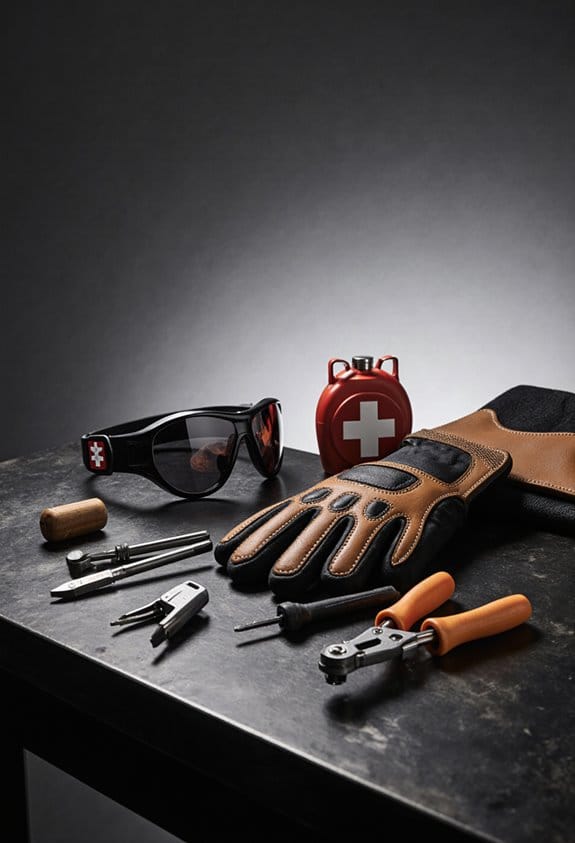


Ever tried grinding or cutting in a small garage? It can be a real challenge if you’re not careful. Keeping safe while working with power tools is critical, especially in tight spaces. Here are some practical tips to help you maintain a safe workflow while getting things done.
Before you start, check your gear. Make sure the grinding wheels are free of cracks and that you’re using the right ones for your job. Trust me, trying to cut corners (pun intended) with faulty equipment is a recipe for disaster. A little inspection goes a long way.
Safety gear is a must. Don’t even think about skipping the safety goggles, gloves, and ear protection. You might feel silly at first, but once you get into the groove of grinding, you’ll be glad you did.
Plus, keeping your workspace tidy helps prevent accidents. It’s all about being aware of your surroundings and having everything organized. So, why does this matter? Because a clutter-free space equals a clearer mind, allowing you to focus on the task at hand.
When you’re cutting or grinding, keep both hands on the tool. It gives you better control and helps avoid slips. After you’re done, clean everything up and store your tools properly. Leaving them lying around can lead to accidents later on.
Honestly, building these habits doesn’t just improve safety; it also makes your projects smoother and more efficient. The best part is, the more you prioritize safety, the easier it’ll be to enjoy your time working in the garage.
To wrap it up, staying safe while grinding and cutting is all about preparation and awareness. Take these tips to heart, and next time you head into the garage, ask yourself: Are you ready to tackle your projects safely?
Key Takeaways
- Inspect grinding wheels and discs for damage before each use; discard any that show signs of wear or cracks.
- Wear appropriate PPE, including safety goggles, gloves, and ear protection, to minimize risks during grinding and cutting.
- Maintain a clutter-free workspace to enhance safety and control while operating tools.
- Store tools and materials in organized containers and designated spots to prevent accidents and improve efficiency.
- Regularly review safety procedures and conduct maintenance checks to ensure equipment remains in optimal condition.
Essential Equipment and Tool Safety Checks

When it comes to using grinding tools, have you ever thought about the importance of safety checks? It’s crucial to make sure your equipment is ready for action before you even begin. Start by digging into your safety checklist and taking a good look at the grinding wheel. If you spot any cracks or noticeable damage, don’t hesitate—just toss it out. It’s better to be safe than sorry!
Now, let’s talk about the type of wheel or disc you’re using. Are you sure it’s the right one for the job? Check that it matches your specific task. Also, don’t forget about the flanges! They should be appropriate, smooth, and securely attached. This helps prevent any instability while you’re working, which we all know can lead to accidents.
You might be thinking, “Is that really necessary?” Absolutely! Regular maintenance is key. Make it a point to test the free speed of your tools. Ensure it doesn’t go over the manufacturer’s specified max RPM for the wheel—this little check can save you from a lot of headaches down the road.
And here’s a tip: when you’re done for the day, store those grinding wheels in a dry, temperature-controlled area. Keeping them in good shape is just as important as using them correctly.
Also, wearing a properly certified grinding face shield can significantly enhance your safety by protecting your face from flying debris.
To sum it up, a few simple safety checks can make a huge difference. What steps do you take to ensure your tools are ready for action?
Recommended Products

SJS technology is a mechanical clutch system that helps prevent motor and gear damage by allowing the drive shaft to slip if the wheel is forced to stop

High Performance: Designed for walking or jogging on any terrain with all-wheel suspension and air-filled rubber tires

Brake resistor reduces RPM speed from 3,600 to 0 in less than 20 seconds
Proper Personal Protective Equipment (PPE) for Grinding Safety

Grinding can be a messy and risky task, can’t it? That’s why it’s super important to gear up properly with the right personal protective equipment (PPE). You don’t want to end up in a situation where a tiny spark or a sharp piece of metal ruins your day—or worse.
Start with safety goggles or a face shield, because protecting your eyes is a must. It’d be a real headache to deal with flying debris when you could’ve just thrown on some protective eyewear. Then, don’t forget about your ears. Loud noises from grinding can do some serious damage over time, so grab some ear protection—whether that’s earmuffs or earplugs. Ever had a ringing in your ears after a noisy project? Yeah, let’s avoid that.
When it comes to your hands, heavy-duty gloves are essential. Just make sure they don’t get in the way of your grip—your tools are only as safe as your ability to handle them. And let’s talk about clothing. Wear long sleeves and sturdy work pants to shield yourself from heat and any sharp objects that might fly your way. You wouldn’t want to be the person who has to stop mid-grind because you got nicked by a rogue piece of metal, right?
Now, if you’re working in a dusty area, a respiratory mask is a smart move. You want to keep those harmful particles out of your lungs. The best part is, following these precautions doesn’t just keep you safe—it also helps you work better and more confidently. Make sure to choose a NIOSH-approved mask to guarantee effective filtration and protection against airborne particles.
Recommended Products
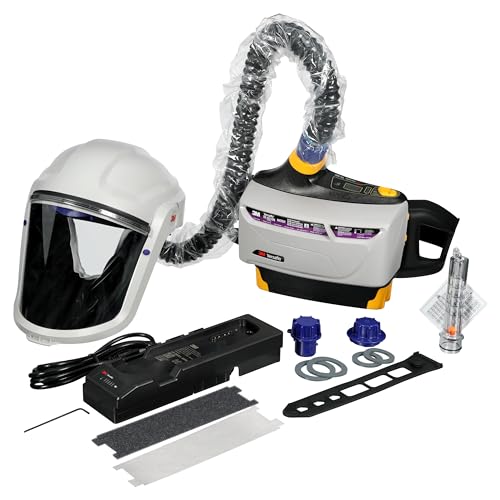
KIT INCLUDES: Respiratory face shield assembly, intrinsically safe PAPR unit and battery, battery attachment tool, breathing tube and cover, easy clean belt, TR-6510N OV/HE cartridge and cover, charger, airflow indicator, and storage and cleaning kit

KIT INCLUDES: Disposable hood, intrinsically safe PAPR unit and battery, breathing tube and cover, particulate filter and cover, charger, belt, prefilters, spark arrestor, airflow indicator, and storage and cleaning kit.
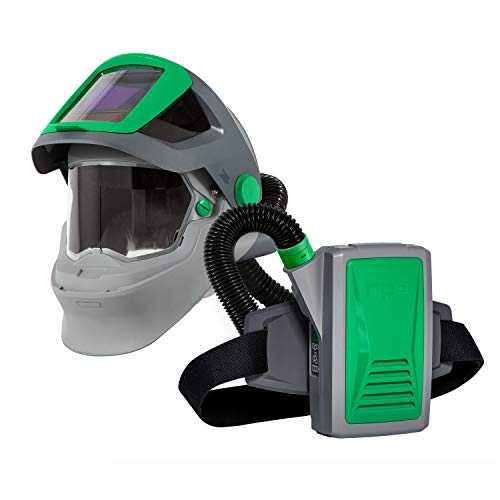
MADE IN USA- Made in our factory in Royal Oak Michigan using domestically sourced componentry.
How to Safely Grind and Cut: A Step-by-Step Guide
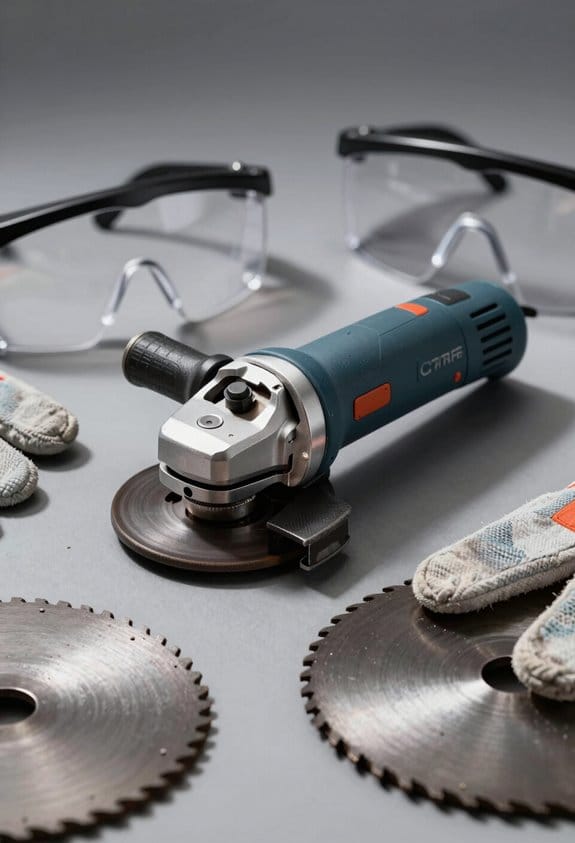
Grinding and cutting can seem daunting if you’re new to using the tools, but trust me, a little caution goes a long way. So, do you really want to risk injury while trying to tackle your next project? Start by giving your grinding wheels and discs a solid check for any cracks or wear. If something doesn’t look right, toss it. It’s not worth the risk.
Next, protective gear is your best friend. Always wear safety goggles and gloves to shield yourself from those pesky flying debris bits. You might think you’ll be fine without it; but accidents happen, and it’s better to be safe than sorry. Keeping a tidy workspace can’t be overstated. A clean area means less chance of slipping and helps you maintain better control over your grinder.
When you’re ready to dive into the work, remember to keep both hands on the tool at all times. Sounds simple, right? But you’d be surprised how easy it is to lose focus. Following the manufacturer’s guidelines is key; they know their tools best. Check the speed settings and make sure the wheel guard and flanges are secure.
On top of all that, don’t forget about regular maintenance checks. It’s not just about today; keeping an eye on your equipment consistently ensures you’re staying safe every time you fire it up. Additionally, using leakproof absorbent pads nearby can help manage any accidental spills or debris, maintaining a safer work environment.
Organizing for Safety in Your Garage
Have you ever stumbled over a tool in your garage or knocked over a bucket while searching for your favorite wrench? Yeah, clutter can really get in the way of safety. Organizing your garage isn’t just about aesthetics; it’s key to creating a workspace that keeps you safe from accidents.
Start by decluttering. A tidy garage reduces the risk of slips, trips, and falls. Make sure to give everything a home: tools, equipment, and materials should each have a designated spot. If you often lose track of your tools, consider labeling your storage areas. Trust me, it’ll save you time and keep things easy to find.
Next, think about how you can arrange your frequently used tools. Position them so they’re within arm’s reach. Using dedicated storage containers or racks not only keeps your workspace organized but also makes it easier to grab what you need in a hurry. Here’s the trick: putting everything in its place will help prevent those annoying accidents when you’re in the thick of a project.
Now, let’s talk safety. When storing flammable materials, it’s essential to use fire-resistant cabinets. These aren’t just a suggestion; they help you stay compliant with safety regulations. And while you’re at it, don’t forget to keep Safety Data Sheets handy for any hazardous materials you might have.
So, why does this matter? Regularly inspect your garage organization system to ensure it meets safety standards. A quick check can save you a lot of trouble down the road. By staying organized, not only do you improve safety, but your efficiency gets a nice boost too.
To wrap things up, keeping your garage organized is an easy way to reduce hazards and make your life more manageable. Additionally, installing cabinets with secure locking mechanisms protects your supplies from unauthorized access. What’s stopping you from giving your garage a safety makeover?
How to Maintain Tools for Longevity and Safety
Is your garage looking more like a chaotic workshop than a well-organized space? An organized garage can seriously make a difference in not just how you work but also in how you take care of your tools.
Regularly checking grinding wheels and discs before you dive into a project is crucial. You don’t want to be the person using a cracked wheel and risking an accident, right? Keeping your tools clean is another biggie. Dirt and debris can really mess with how a tool performs and can even lead to safety issues down the line.
Try this: keep a maintenance log! Jot down when you inspect, repair, or need to replace tools. It’s a simple way to stay on top of everything. Tools should be stored in dry, temperature-controlled spots to avoid rust – moisture is not your friend here. And make sure you’re always using the right grinding wheels and discs for the job at hand. Mismatched components can create real safety hazards and lower your efficiency.
To protect your essential gear, consider using dry bags or pouches to shield them from moisture and damage during storage.
Truth is, following these simple steps not only keeps your tools in tip-top shape but also ensures your safety while you work. So, how are you maintaining your tools today?
Recommended Products

【SAVE YOUR MONEY!!! Durable Booth, Reduce Replacement】①High strength 210D Oxford material+PU coatings used in the manufacturing of this booth make its more sturdy.②Come with well-crafted design allows for easier access for vehicle and painter.③the installation of heavy-duty double zippers make it can stand more pressure.④The paint booth includes hooks for hanging lamps or lightings to guarantee your visibility at night.⑤The top & bottom D-shaped rings make easy for you to fasten the booth.

DURABLE STORAGE TOTES: The Akro-Mils 12 Gallon KeepBox is made from industrial-grade plastic; These storage bins withstand heavy use and the textured bottom ensures a no-slip grip, preventing unwanted movement during storage or transport

ULTIMATE VERSATILITY – From cleaning to polishing and woodworking, these tshirt rags tackle it all! Perfect for spills, dusting, staining, and even delicate tasks like maintaining cookware and wood finishes.
What to Do When Accidents Happen?
Accidents in the workshop can be stressful, can’t they? Staying calm can make all the difference. First things first, look around to spot any safety hazards before rushing to help anyone who’s injured. If someone’s hurt badly, calling for emergency medical help should be your top priority. Provide them with all the details you can about what happened—that could really help emergency responders.
Once that’s taken care of, it’s time to focus on first aid if you’re trained. Here’s the trick: apply pressure to any bleeding wounds and if you’ve got CPR training, don’t hesitate to use it. It’s amazing what a little first aid can do until the pros arrive.
Now, let’s talk about documentation. It might not seem urgent at the moment, but jotting down the time, location, and circumstances of the accident can be crucial later on. Make sure to gather witness statements too—trust me, it’ll be super useful if there’s a follow-up investigation.
After everything’s settled, take a moment to review what happened. Ask yourself: what went wrong? What could be done differently next time? This reflection isn’t just for your benefit; it can help prevent future accidents. And remember, wearing safety glasses and using a side handle can really keep you safer in the workshop.
In short, being prepared for accidents means you’re equipped to handle them effectively. Having a well-stocked first aid kit on hand can make all the difference when treating injuries promptly. What are your go-to safety measures when working on projects?
Frequently Asked Questions
What Are the Safety Precautions in Grinding?
When we grind, we must guarantee our personal protection gear is on, inspect our grinding tools, and keep our workspace organized. This way, we minimize risks and maintain a safe, efficient working environment.
What Should a Safety Checklist Include?
Creating a safety checklist is essential—it’s like building a fortress against accidents! We must include safety gear, regular equipment maintenance checks, and workspace organization to guarantee we’re all protected and prepared for grinding and cutting tasks.
What Are the 4 Important Rules for a Bench Grinder?
For safe bench grinder use, we should prioritize proper grinder wheel selection, guarantee regular bench grinder maintenance, apply effective tool sharpening techniques, and always verify that the wheel guard’s in place to protect us from debris.
What Are the Hazards Associated With Cutting and Grinding?
When we say “better safe than sorry,” we must recognize hazards like equipment malfunctions, improper personal protective use, and hazardous dust. Identifying these risks helps guarantee we stay safe during cutting and grinding operations.