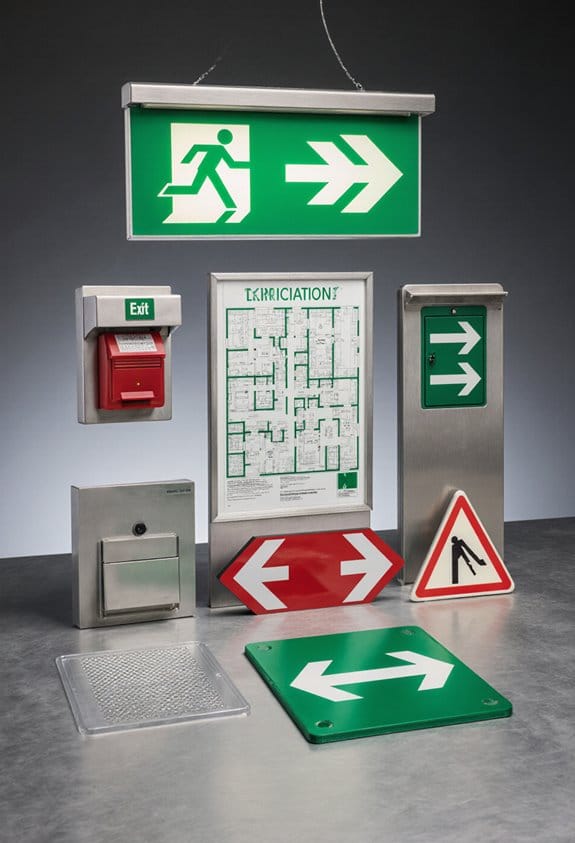

Have you ever thought about what you’d do in an emergency? Evacuation planning in apartments is crucial, yet many residents don’t know where to start. First off, it’s important to mark clear routes to safety. Each resident should be aware of at least two escape paths.
When it comes to escape stairs, make sure they’re constructed from fire-resistant materials. It’s also a great idea to equip them with emergency lighting. Imagine being in total darkness during an emergency—yikes! That’s why these features matter.
Now, let’s talk about assembly points. Designating these at a safe distance from the building for regrouping is vital. You want to ensure everyone has a reliable spot to meet. Don’t overlook the importance of clear signage, either. It helps everyone navigate more easily during a chaotic moment.
Here’s the trick: practice evacuation drills at least twice a year. You might be thinking, “What’s the point?” Well, these drills can really prepare everyone for a real situation. They not only build familiarity with the escape routes but also lessen panic when an actual emergency occurs.
So, how can you optimize your whole evacuation plan? Keep assessing your strategies and make adjustments where needed. After all, being prepared can really make a difference when it counts.
In conclusion, knowing how to evacuate safely and efficiently is key to keeping everyone safe. When was the last time you reviewed your building’s safety plans?
Key Takeaways
- Designate at least two clearly marked evacuation routes and a safe assembly point outside the building for all residents.
- Ensure escape stairs are built with fire-resistant materials and are regularly inspected for safety compliance.
- Utilize visible and well-maintained signage to direct residents during evacuations, including exit signs and directional arrows.
- Conduct biannual evacuation drills to familiarize residents with escape routes and emergency procedures, incorporating various scenarios.
- Implement technology, such as emergency notification systems and mobile apps, to enhance communication and effective evacuation planning.
The Importance of Evacuation Routes in Apartments
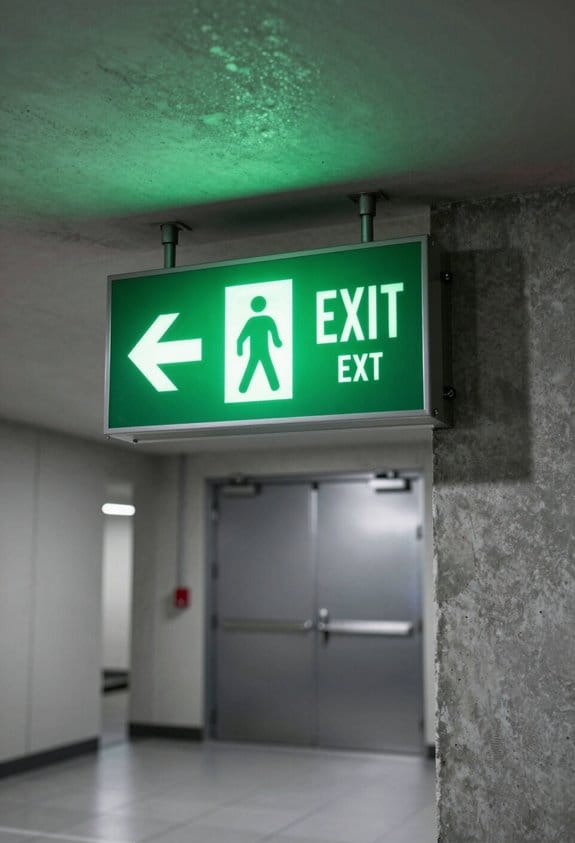
When it comes to living in an apartment, have you ever really thought about how crucial evacuation routes are? It’s something that can easily slip our minds until an emergency strikes. Responsible building management needs to make sure these routes are clearly marked and accessible, allowing for quick exits when it really counts.
You should aim to know at least two escape routes. Why? Because having options helps ease congestion and boosts fire safety if one path is blocked. And don’t forget about your designated assembly points outside the building; it’s important to know exactly where to regroup after an evacuation.
Try this: make a habit of practicing your evacuation plan. Familiarity can ease a lot of panic and make the experience smoother if the unexpected happens. Keep an eye on the signage around your property, and chat with your neighbors about the quickest ways out.
Honestly, by making these safety measures a priority, you crank up your overall readiness for emergencies. One useful element in your preparation could be keeping a well-stocked first aid kit handy to manage minor injuries during an evacuation. So, what’s your plan if the worst happens? Don’t just wait for a drill; start preparing today.
Finding the Best Escape Stairs for Safe Evacuation
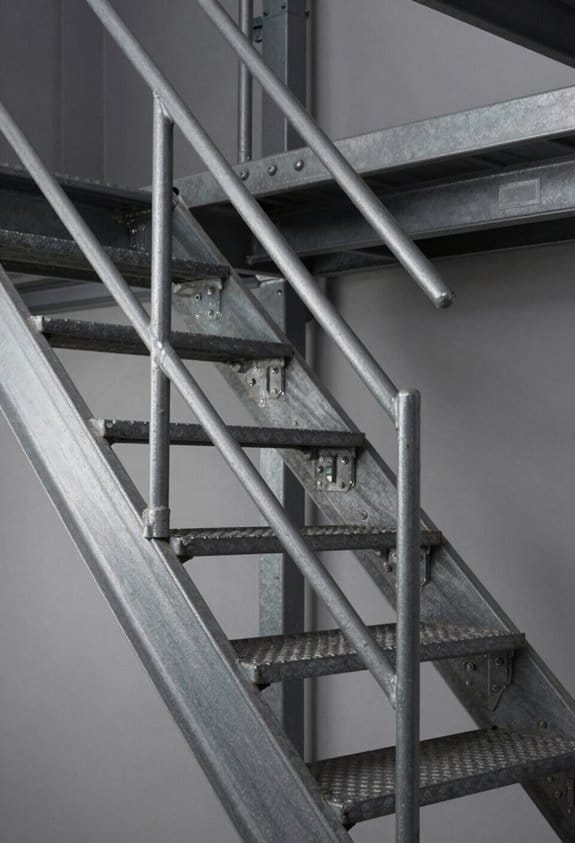
Choosing the right escape stairs can be a real lifesaver in emergencies. Picture this: you’re in a building when an alarm starts blaring. You want to get out fast, right? This is where well-designed escape routes come into play.
Make sure your escape stairs are built with fire-resistant materials. It’s also crucial to have emergency lighting installed. When panic hits, visibility can really make all the difference. So, how many exit routes should you have? Well, as a general rule, aim for at least two independent routes for safety. If you’re in a larger building, here’s the breakdown: for 500 to 999 residents, have three routes. And if your building holds 1,000 to 1,999 occupants, four routes are ideal.
Regular inspections can’t be overlooked. You don’t want to find out during an emergency that the stairs aren’t up to code or have structural issues. Plus, it’s smart to communicate stair configurations clearly. Residents should be familiar with the escape plan. This way, everyone knows where to go and what to do when the time comes.
Truth is, being prepared promotes calm during an evacuation. It’s all about making sure people aren’t scrambling around in a panic. So, don’t put off planning—it’s an essential step in ensuring safety during emergencies. Are your escape routes up to par? Additionally, having a reliable emergency kit on hand can greatly enhance safety during evacuations.
Recommended Products

Motion-Activated Lighting: Lights turn on in sequence as you step onto the staircase and gradually turn off step by step when you leave, creating a smooth and elegant lighting effect.

【Indoor Motion Sensor Stair Light Kit】Automatically detects your movement and turns the stair lights on and off. Brightness, lighting speed, and delay time can be adjusted to suit your preference. Includes threaded PIR sensors.

Motion-Activated Lighting: Lights turn on in sequence as you step onto the staircase and gradually turn off step by step when you leave, creating a smooth and elegant lighting effect.
Essential Elements of Effective Assembly Points
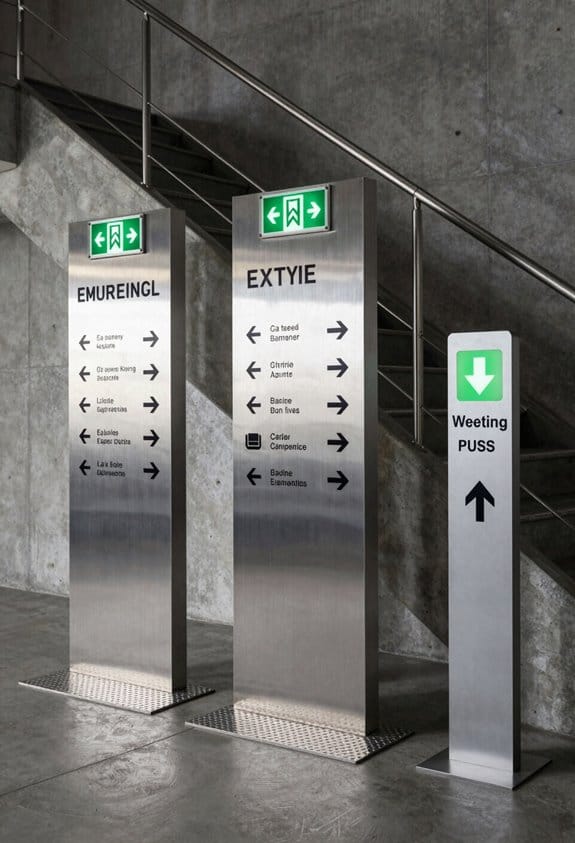
Effective assembly points are crucial for keeping everyone safe during an evacuation. You might think, “What’s the big deal?” but when something goes wrong, the right assembly point can make all the difference. It’s really important to make sure these spots are a safe distance from the building to avoid hazards like fire or falling debris.
Making assembly points easy to find is essential. They should have clear, visible signage so that residents can spot them quickly during an emergency. You never know when adrenaline might kick in, so having that sign right in front of you helps.
Accessibility is another biggie. You want to ensure everyone can reach the assembly point without any roadblocks, especially folks with disabilities. Is there a well-defined path? Are there any obstacles in the way? These are things that should be thought through before an emergency happens.
Regular communication about where these assembly points are located and what to do in case of an emergency is key to keeping everyone in the loop. Truth is, being prepared means everyone knows their role and can react quickly.
Don’t skip out on regular evacuation drills, either. Practicing the routes to these assembly points helps everyone get familiar with them and boosts confidence. The best part is that when real emergencies occur, everyone knows what to do. Including a first aid kit at assembly points can help manage minor injuries until professional help arrives.
The Role of Signage in Emergency Evacuations
Have you ever thought about what you’d do in an emergency? In those moments, having clear and effective signage can make all the difference. Signage plays a vital role in guiding people during evacuations. It’s not just about getting out; it’s about getting out quickly and safely.
Imagine you’re in a crowded building. Clear exit signs and directional arrows point the way to exits and safe areas. This guidance is crucial, especially in high-rise buildings where time can mean everything. When seconds count, knowing the closest escape routes can prevent panic and keep people safe.
Here’s the trick: all signage needs to be clearly visible and well-lit. Use universally recognized symbols so there’s no confusion. This is especially important for everyone, including those with disabilities. It’s critical to ensure our evacuation procedures meet local fire safety codes. Don’t forget to regularly check and maintain your signs, especially in low-visibility conditions like smoke or darkness.
Including emergency preparedness tools such as NOAA weather alerts in evacuation planning can further enhance safety by providing real-time updates on weather or disaster conditions.
Honestly, these little details could be the difference between a safe exit and a dangerous situation. Think about it—when was the last time you paid attention to the exit signage in your own environment? For everyone’s safety, let’s make clear escape routes a priority.
Recommended Products

⭐ Top Rated Double Sided Emergency Exit Sign with Adjustable Flood Lights and Red Letters

⭐ Top Rated Red LED Emergency Exit Sign with Adjustable Lights

Long lasting, efficient ultra-bright white LED lamp heads
How to Train Residents for Effective Evacuations
Have you ever thought about what you’d do in an emergency? It’s not something most of us want to dwell on, but being prepared for evacuations is truly vital for everyone’s safety. Conducting emergency drills at least twice a year can be an eye-opener, giving everyone a chance to practice those escape routes and procedures that could save lives.
It’s crucial to assign roles like Fire Wardens and Evacuation Marshals during these drills. Doing this helps ensure that everyone knows their responsibilities, which boosts organization and accountability. And don’t forget to provide clear escape route maps. These should highlight multiple exits along with assembly points so that everyone knows where to go.
So, why does this matter? Incorporating a variety of emergency scenarios during training can gear people up for different situations. And let’s not overlook inclusion; it’s important that residents with disabilities are part of these training sessions. This way, we can accommodate their individual needs and foster a supportive evacuation culture in our community.
Honestly, these preparations could make all the difference when it counts. Remember, staying safe doesn’t have to feel overwhelming — a little practice goes a long way. What steps could you take this month to get your community involved in these vital evacuations? Including emergency preparedness kits as part of training can significantly enhance overall readiness.
Technology Enhancing Emergency Evacuation Planning
Have you ever thought about how chaotic things can get during an emergency? Emergency evacuation planning for apartment complexes is crucial, and technology can really make a difference. By using mobile apps and visitor management systems, you can streamline the entire process. This helps to keep you and your neighbors updated in real-time and ensures everyone knows what’s happening.
Think about this: with cloud-based software, accessing important emergency contacts becomes a breeze. Instead of scrambling to find phone numbers or trying to remember who to call, you can quickly get the information you need, allowing for faster response times. Emergency notification systems are also key here; they provide instant alerts that keep everyone in the loop about what to do and where to go when an evacuation is necessary.
Ever noticed how confusing exits can be in some buildings? That’s where digital signage and voice communication systems come in handy. They can direct evacuees to the nearest safe exits, reducing confusion and keeping panic at bay. And here’s a tip: integrate technology for training through virtual reality. This allows residents to get familiar with evacuation routes and safety protocols before an actual emergency occurs. It’s a smart way to prepare everyone without the stress.
In short, embracing these tech solutions for evacuation planning makes it easier to manage emergencies. Additionally, having access to devices with NOAA weather alerts ensures you receive critical updates during a disaster. After all, peace of mind is invaluable when it comes to safety. So, how prepared are you for an emergency in your apartment complex?
Recommended Products

NSF CERTIFIED COMPONENTS – Potable-water safe kit with pulse-output water meter and motorized shutoff valve in your selected size (0.5", 0.75", 1", 1.5", or 2").

UNLOCKING METHODS - Lockly smart door lock offers a variety of unlocking methods: video camera two-way audio, fingerprint, APP remote control, patented keypad, Alexa/Google voice control and physical key, and it also comes with a doorbell feature. You don't need to worry about forgetting your keys anymore.

This bundle contains Ring Alarm 5-Piece Kit, Ring Battery Doorbell (Venetian Bronze), and Ring Indoor Cam 2nd Gen (White).
Special Considerations for Residents With Disabilities
Planning for evacuations in apartment complexes can feel overwhelming, especially when you think about the unique needs of residents with disabilities. Have you ever considered how these individuals might navigate an emergency situation? It’s crucial to have an evacuation plan that truly accommodates everyone, so let’s break down some practical steps.
Start by mapping out clear routes that are easy to navigate for those who need mobility assistance. Think about designating areas of refuge where individuals can safely wait for help. These spots should be equipped with two-way communication devices so residents can easily reach out during emergencies. Furthermore, establishing a buddy system can be really helpful. Pairing residents with disabilities with able-bodied individuals ensures there’s someone ready to support them when panic sets in.
Regular drills are essential. Here’s the trick: make sure these drills focus on the specific needs of residents with disabilities. It’s vital that everyone feels comfortable with the emergency procedures and knows what to expect. Don’t overlook the importance of having accessible and well-marked evacuation routes. You want to ensure that everyone can get out safely and quickly without confusion.
So, why does this matter? Because emergencies can happen at any time, and preparedness can make all the difference. By taking these thoughtful steps, you’re creating a safer environment for everyone in the complex, particularly for those who may need a little extra help during unexpected situations. Using reliable lighting such as battery-powered lanterns with long battery life can enhance safety during evacuations when visibility is low or power is out.
To sum it up, it’s all about planning ahead and being mindful of the diverse needs in your community. Have you thought about how your complex’s evacuation plan could be improved? Let’s make sure everyone is ready when the unexpected happens.
Recommended Products

Pegasus Evacuation Pack of 0

[Wireless Guard ] 2 Receivers 2 Call Buttons and 2 Walkie Talkies. Allow caregivers and residents to be free while ensuring that help is still available at the touch of a button, ideal for elderly, seniors, patients, disabled

A Starter AAC Device for Nonverbal: MibbyTalk is an affordable, beginner-friendly AAC communication device for autistic nonverbal children, or anyone who has difficulty speaking or expressing their needs due to stroke, dementia. It's ideal for families starting their AAC journey, transitioning from PECS, or waiting for a high-tech AAC system. MibbyTalk helps users confidently express basic needs, feelings, and simple daily messages—at home, school, or in the community.
Preparing for Various Emergency Scenarios
When an emergency hits, do you know how to react? It’s a scary thought, but having a response plan can genuinely make a difference. First things first, it’s essential to create an evacuation plan that includes clearly marked routes and the safest stairs to use for getting out. You need to remember that elevators aren’t safe in emergencies like fires, so avoid them.
Have you taken the time to learn your building’s layout? Familiarizing yourself with multiple exit points ensures you can evacuate quickly and efficiently. It’s also smart to set up designated meeting points outside the building. This way, you and your colleagues can regroup and check that everyone is accounted for.
Participating in regular fire drills is a great way to practice for emergencies. But you shouldn’t stop there—try to simulate other scenarios too, like gas leaks or active shooter situations. The best part? Regular practice can significantly ramp up your preparedness for any unexpected situation. Including health-conscious options in your emergency food supplies can help maintain energy and focus during prolonged evacuations.
Recommended Products
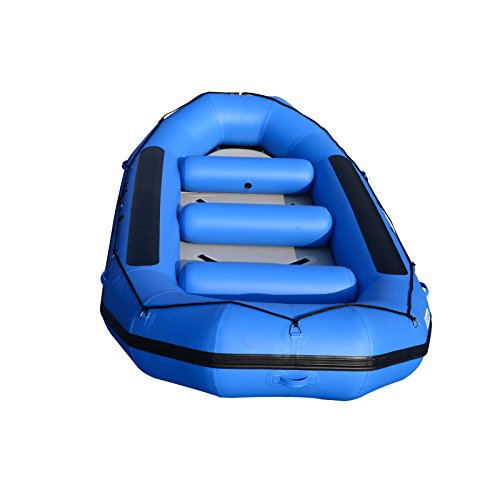
Premium Quality Materials : BRIS rafts are made by 2,000 Dtex 1.2mm PVC fabric with polyester support, having excellent resistance to tearing, tension and breaking . It is a much more heavy-duty PVC fabric than 1100 Dtex 0.9mm PVC rafts . Fabric is thick, puncture proof and abrasion resistant.These are commercial grade, exceptional quality and workmanship water crafts . and best of all, they are not expensive, so you can go rafting, without stretching your budget

PREMIUM SILVER ANODIZED FINISH: Crafted with a professional 1-inch aluminum front profile in a sleek silver anodized finish. This modern, front-loading design provides an elegant look for certificates, posters, and office signage, resistant to fingerprints and scratches.

Extremely tough, ultra-smooth bored, yet the flexible wire reinforced PVC means it just won’t kink or collapse
The Importance of Regular Evacuation Drills
Have you ever thought about what you’d do in an emergency? It’s easy to believe that it won’t happen to you, but having a plan can make all the difference. Regular evacuation drills aren’t just a box to check; they’re a vital part of staying safe when things go sideways. Ideally, you should be running these drills twice a year, but if you live in a high-rise, bump that up. The more you practice, the easier it becomes to remember those escape routes and where to meet.
So, what should a drill look like? For starters, each session should reflect different scenarios. Maybe one time it’s a fire, another time it’s a power outage. Mixing it up helps everyone familiarize themselves with the surroundings. Plus, testing out alarms and safety gear can reveal any weaknesses in your plan. Don’t forget to include everyone in these drills, especially designated wardens. Making sure all participants know their roles is key.
Truth is, these practices do more than just prepare you for emergencies—they build confidence and foster a culture of safety in your community. If you share your space with residents who have disabilities, it’s especially important to provide them with the support they need during these drills. Inclusivity matters; everyone should feel capable and informed. It’s also essential to keep first aid supplies readily available and well-maintained during evacuation planning to address any immediate injuries effectively.
Frequently Asked Questions
What Are the 5 P’s of Evacuation?
The 5 P’s of evacuation are Preparation Techniques, Emergency Kits, Communication Plans, Training Drills, and Accessible Routes. Together, they guarantee our families know safety protocols, so we can all respond effectively during emergencies.
What Are the 7 Key Action Points for Evacuating a Building?
In a building, we’ve gotta be lightning-fast! We’ll follow exit signs, participate in evacuation drills, keep clear pathways, respond to fire alarms, know emergency contacts, and gather at assembly areas after resident training.
What Are the 5 Key Features of an Evacuation Plan?
An effective evacuation plan includes emergency drills for practice, clear evacuation signage, designated assembly points, strong communication plans, thorough safety training, resident involvement, and accessible equipment to guarantee everyone’s safety during emergencies.
What Are the Essential Requirements for Safety Routes, Including Stairwells?
Picture a lifeline: safety signage guides us, while route accessibility guarantees we’re not trapped. Stairwell maintenance and emergency lighting lead the way, as evacuation drills and crowd management prepare us for effective communication in emergencies.


