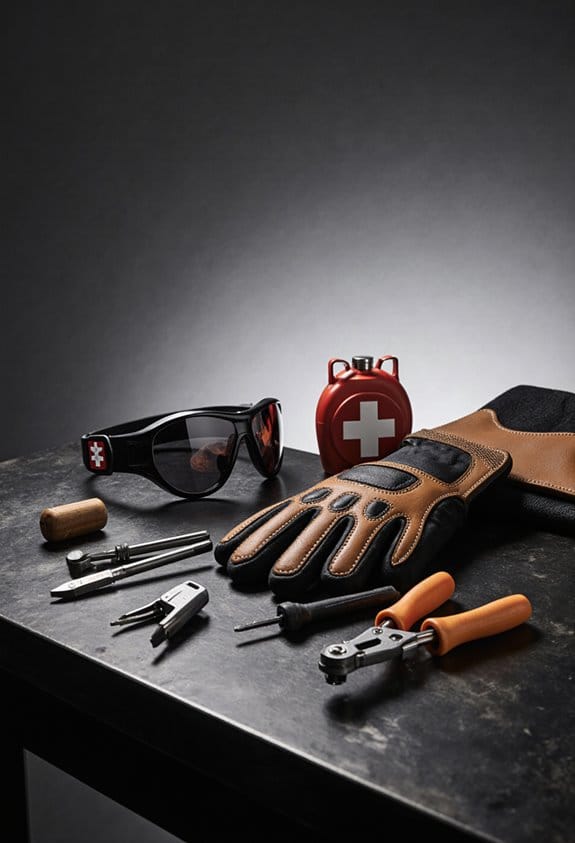


Have you ever thought about how important it is to keep your grinder wheels in check? Regularly inspecting them for cracks, chips, and wear is crucial for staying safe while working.
Here’s the trick: start with a visual check. Look for any obvious damage. Then, perform the Ring Test—gently tap the wheel and listen. A clear sound means it’s good to go, but if it sounds dull, that’s your sign to take a closer look.
Storage is just as important as inspection. You don’t want those wheels getting knocked around. It’s best to keep them in a dry spot, standing upright in racks. This keeps them safe and avoids collisions.
And don’t forget to follow the manufacturer’s storage guidelines; they know their products best.
Signs that it might be time for a new grinding wheel can vary. So, if you notice any unusual sounds during use, or if the wheels start to wobble, listen up! Those could be warning signs. Honestly, replacing a wheel is cheaper than dealing with an injury.
In short, keeping an eye on your grinder wheels can save you a lot of trouble. Are you checking your tools often enough?
Key Takeaways
- Regularly inspect grinder wheels for cracks, chips, and unusual wear patterns to ensure safety and performance.
- Perform the Ring Test by tapping the wheel gently and listening for a clear sound, indicating integrity.
- Store grinder wheels in designated racks, upright to prevent rolling, and in a dry, cool environment to avoid damage.
- Handle wheels carefully during installation and always wear personal protective gear, including safety glasses and steel-toe shoes.
- Train workers on inspection procedures and ensure compliance with safety regulations to promote a secure workplace.
Why You Should Always Check Your Grinder Wheels for Safety
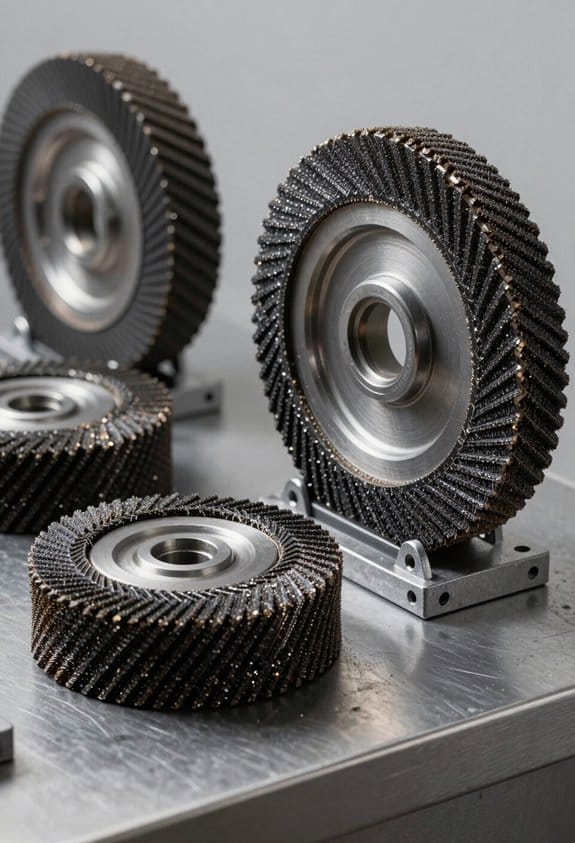
Have you ever stopped to think about the safety of your grinder wheels? Regularly checking for damage or wear is crucial, and it can save you a lot of headaches down the road. So, what’s the first step? Give that wheel a good inspection—look for cracks or other signs it might be on its last leg.
A handy trick to ensure the wheel is in good shape is the Ring Test. Just tap the wheel gently with a non-metal tool. If you hear a clear, ringing sound, that’s a good sign the wheel’s still strong. But if it makes a dull thud, could be it’s hiding some serious issues.
Check your grinder wheels after you first install them, after any storage, or if they take a knock. Trust me, it’s not something you want to overlook. And when you store them, make sure they’re standing upright and away from anything that could cause impact—treat them like they’re priceless.
Proper storage precautions can greatly extend the lifespan of your wheels and maintain their safety features.
Doing these checks not only keeps you safe but also helps your tools run like they should. So, next time you dive into a project, take a moment to inspect those wheels. Isn’t it worth the peace of mind?
How to Identify Cracks in Grinder Wheels
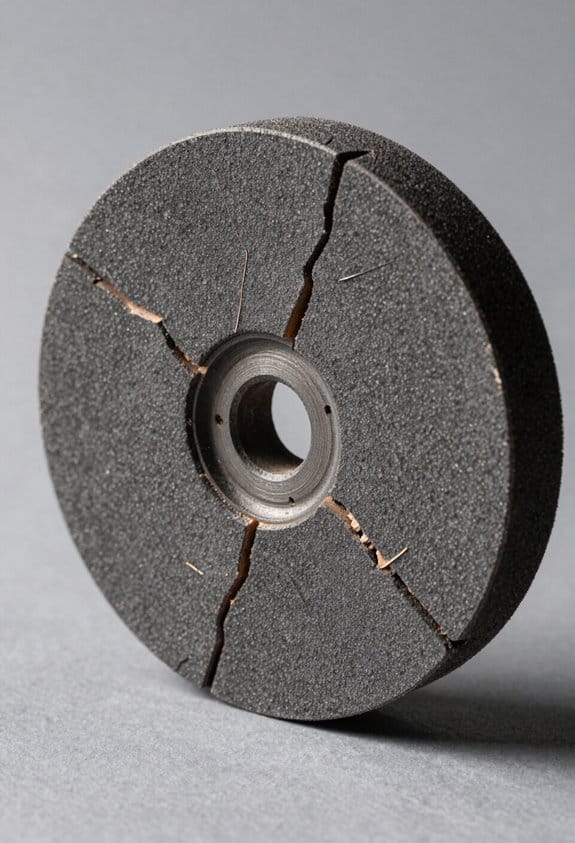
Have you ever wondered how to tell if your grinder wheel is cracked? It’s a pretty critical concern, especially if you want to stay safe while working. The first step is to give it a good visual inspection. Look for chips, gouges, or any odd bumps on the surface. These little imperfections can hint at deeper cracks or defects that might threaten the wheel’s integrity.
But don’t stop there. Some cracks are so tiny that you might not catch them with your eyes alone. Keeping the wheels clean during your check is essential because dirt or debris can easily mask potential damage. One handy tip is to perform a quick ring test. Just suspend the wheel and gently tap it with a nonmetallic tool. If you hear a dull thud instead of a clear ring, that’s a sign there could be defects inside the wheel. In this case, it’s better to replace it. Additionally, using self-fusing silicone tape can provide a secure, airtight seal for any temporary repairs you might need before replacing damaged equipment.
Recommended Products

Crack Detection for Aluminum cylinder heads
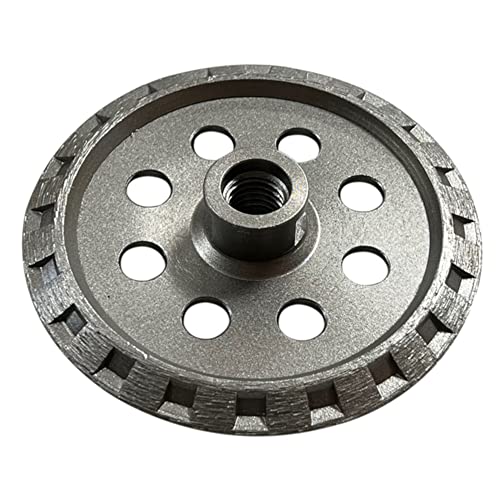
CRACK REPAIR - designed for routing and repairing random cracks in cured concrete, asphalt or other building materials

3 Pieces 4 Inch Diamond Cup Grinding Wheel.
How to Perform the Ring Test?

Have you ever wondered how to tell if your grinder wheel is still safe to use? It’s a common concern, especially if you’ve noticed some wear and tear. That’s where the ring test comes in handy.
Before diving into the test, make sure the wheel is dry and clean—no dust or grime hanging around. You can either hang the wheel by its center hole or set larger wheels upright on a solid, hard surface. Here’s the trick: grab a nonmetallic tool (a wooden mallet works great), and gently tap the wheel about 1-2 inches from the edge. What should you listen for? A clear ringing sound means your wheel is in good shape.
After you’ve tapped, rotate the wheel about 45 degrees and repeat the tapping. If you hear a dull thud instead of that nice ring, it could mean there are internal flaws lurking. So, what do you do next? Honestly, it’s best to give the wheel a close visual inspection or reach out to the manufacturer before using it any further.
Understanding how to check the integrity of your grinder wheel isn’t just a safety measure—it’s peace of mind. Next time you pick up that wheel, remember this quick test. Have you done the ring test on your tools yet? Give it a shot—you might just thank yourself later! Regular maintenance and inspection protocols, similar to those used in material safety standards, are essential for ensuring tool reliability and user safety.
Recommended Products
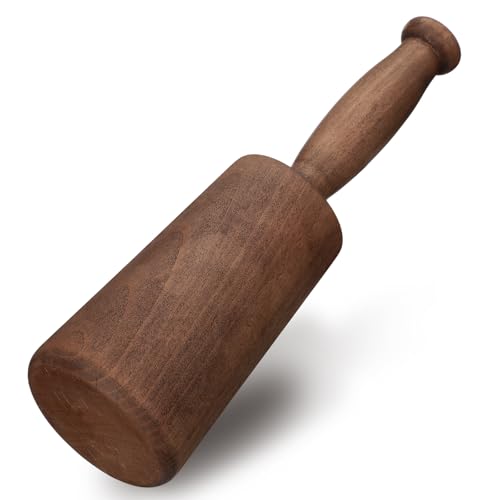
Precision and Power in Ideal Balance: crafted from quality rock maple, this 12 inch beech wood carving mallet offers a solid, stable feel for wood carving and chiseling; With a 3.75 inch head diameter and weighing 600 grams, it ensures an ideal blend of weight and precision for tasks ranging from mortise and tenon joints to intricate wood engraving

Made of beech wood, which is beautifully cut with clear lines, more impact resistant, less prone to breakage, and lasts longer.

Handmade Wooden Mallet: Our wood mallets are all handmade. The wooden hammer surface is no barbs after manual grinding and polishing. The handmade wooden handle and hammer can prevent slipping. Note: Not suitable for heavy hitting and hard metal to avoid cracking
Proper Storage Methods for Grinder Wheels
Have you ever wondered how to keep your grinder wheels in top shape? Proper storage methods really matter, not just for longevity, but also for your safety. Trust me; you don’t want a damaged wheel when you’re ready to tackle a project.
To start, consider storing those precious grinding wheels in some racks or bins. Divide them to cut down on handling, which minimizes the chance of collisions. It’s crucial to keep straight or tapered wheels upright. This simple tip helps prevent rolling and potential damage while they’re stored away.
Also, pay close attention to your storage area. Make sure it’s dry; moisture can really mess with the integrity of the wheels. And excessive heat? That’s a no-go. If you’ve got loose tools or materials lying around, it might be time to tidy up. You don’t want any accidental knocks on your stored wheels.
Now, here’s the kicker: always follow the manufacturer’s storage instructions. They know their products best. And when you grab a wheel, try to use the older ones first. It’s a small step that goes a long way in ensuring you maintain the quality and safety of your tools when you need them.
Additionally, just like choosing the right bandage for a wound, selecting storage materials that are breathable and protective can help preserve the integrity of your grinder wheels.
Recommended Products

LARGE STORAGE RACK SHELF: Being 60" wide by 24" deep by 72" high and having 4 levels of metal shelves, our storage shelves give you ample storage space.

【Premium Quality Large Storage Shelves】Durable metal construction with black-coated finish, make it has excellent rust resistance and oxidation resistance.4-Tier Shelving unit with leveling feet size 14”Wx36”Dx54”H, with wheels size 14”Wx36”Dx57”H. This shelving have huge storage space. Tools,,books,clothes,kitchen supplies or anything you'd like to keep organized can be placed on this storage shelves. Our metal shelves doesn't occupy too much space, but create more space.

Installs on your existing storage rack. After installing these wheels, your shelf can easily roll and no longer has to be stationary.
Essential Safety Practices for Handling Abrasive Wheels
Handling abrasive wheels can be pretty risky if you’re not careful. Have you ever thought about what it takes to do it safely? It’s super important to follow some best practices to keep yourself and everyone around you safe.
One of the first things you should do is a ring test on bonded wheels before you even think about using them. This helps you catch any hidden cracks or defects that could turn into a real problem. Remember, think of abrasive wheels as fragile items. It’s crucial to avoid mishandling or dropping them while you’re moving them around.
When it comes to storage, that’s a biggie too. Try this: store your wheels in designated racks or bins with dividers. This simple step can significantly cut down the chances of impacts that could damage the wheels. And don’t forget to give those wheels a good visual inspection for cracks and chips before installation.
You’re probably thinking, “Is all this really necessary?” The truth is, yes, it is. Protecting yourself isn’t just about following rules; it’s about ensuring you can work safely and efficiently.
Also, never skip on wearing proper personal protective gear. Safety glasses are a must when you’re working with machines that use abrasive wheels. They may seem like a small detail, but they form an essential barrier against potential hazards. Wearing steel toe sneakers can further protect your feet from accidental heavy impacts in the work area.
When to Replace Your Grinding Wheel?
When’s the last time you inspected your grinding wheels? It’s one of those things that often gets overlooked, but keeping an eye on them is crucial. You want to check for any visible cracks, chips, or wear and tear. If you hear a dull thud during the ring test, that’s your cue to replace the wheel, no questions asked.
Let’s talk about some signs you shouldn’t ignore:
- Excessive wear
- Uneven surfaces
- Any wheels that have been dropped or mishandled
Even if they look fine on the outside, you can’t take chances with grinding wheels. Poorly maintained wheels can really hurt your grinding efficiency and even create hazardous situations.
Here’s the trick: always stick to the manufacturer’s guidelines on the lifespan of your abrasive wheels. Prolonging their use can lead to unexpected failures. Truth is, ignoring these tips can put you and others at risk. Regular inspection and maintenance of safety equipment is essential to maintaining workplace safety and preventing accidents.
Recommended Products

4 x 48 in Industrial Belt Grinder - Wide abrasive belt and 5.12 x 4 in contact wheel support metal deburring, weld cleanup, tool sharpening, edge shaping, and surface finishing.

DYNAMIC DYNABRADE DYNAFILE: Our abrasive belt tool runs both coated abrasive and non-woven nylon belts. Use it to grind, deburr, blend, polish, finish, and more. Applicable on a variety of surfaces.

✔️ HEAVY-DUTY STEEL BRUSH made from high-quality twisted steel wire is sturdy enough for tough cleaning jobs. Cover larger surface areas fast - 5 feet every 15 seconds!
Frequently Asked Questions
What Is the OSHA Ring Test for Grinding Wheels?
Think of a warrior’s shield; we guarantee our grinding wheels are battle-ready through the OSHA ring test. It’s essential for inspecting grinding wheel materials, installation techniques, and prioritizing safety gear and maintenance, keeping us protected.
How Are the Grinding Wheels Checked for Cracks Before Mounting?
We check grinding wheels for cracks by using visual inspection techniques and sound test methods. These wheel integrity assessments are essential during our pre-mount protocols to guarantee safety and reliability of the equipment.
What Is the Ring Test for Grinding Wheels?
The ring test for grinding wheels involves visual inspection methods and proper handling techniques. By ensuring we detect common wheel defects, we highlight the importance of maintenance, keeping our work environment safe and efficient.
What Safety Checks Are on a Grinder?
We’ve seen how neglecting equipment inspections can lead to serious accidents. Prioritizing grinder safety means performing routine wheel maintenance, ensuring operator training, and checking for defects before use to keep our workspace safe and efficient.