

When you’re working with a miter saw, safety should be top of mind. Have you ever wondered how a simple mistake can turn into a serious injury? That’s why wearing protective eyewear and hearing protection is crucial.
A clutter-free workspace can make a huge difference too; no one wants to trip over a stray piece of wood while trying to make a precise cut.
Using the right blade matters, but it’s not just about the type—make sure it’s sharp too. Dull blades can lead to unnecessary strain and a greater risk of accidents.
To keep your cuts accurate, secure your workpieces with clamps to avoid any movement. And if you’re dealing with narrow cuts, you might want to try a push stick to maintain your fingers’ safety.
What happens if an offcut flies off during a cut? Shut the saw off immediately and check for any damage. It’s better to take a moment and ensure everything’s in working order rather than rushing and risking further injury.
Honestly, understanding these key safety measures helps keep you safe while you work.
Remember, it’s all about being smart and careful in the shop. So, next time you grab your miter saw, think about your setup and safety routines. What’s one safety habit you could improve today?
Key Takeaways
- Use a sharp blade and secure your miter saw on a stable surface to prevent kickback and ensure accurate cuts.
- Always keep hands at least six inches away from the blade and use push sticks for narrower cuts to maintain safety.
- Clamp workpieces tightly to avoid shifting and keep them away from the saw blade’s cutting path during operation.
- Inspect the miter saw and blade regularly for damage and ensure blade guards are functioning properly before each use.
- If offcuts are launched unexpectedly, shut off the saw immediately, assess for issues, and document the incident for safety improvements.
Essential Safety Gear for Using a Miter Saw

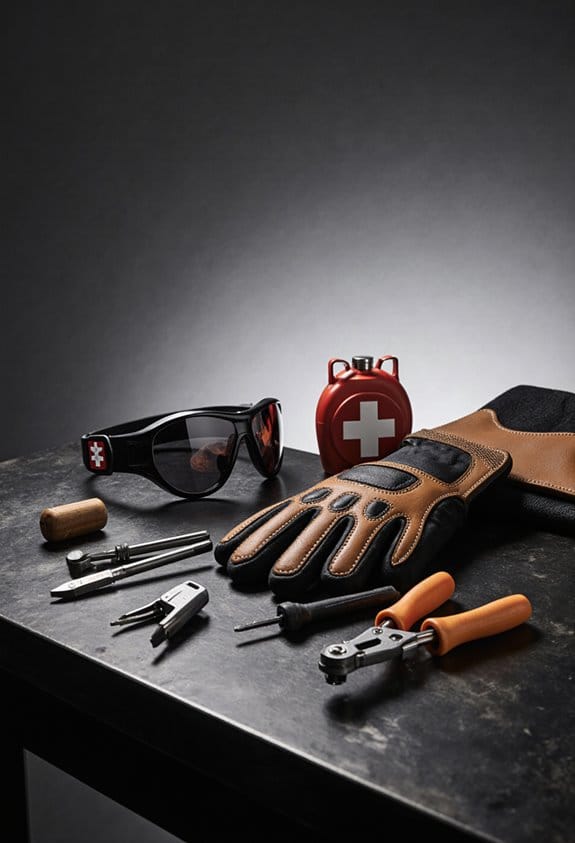
Using a miter saw can be a bit intimidating, especially if safety isn’t at the forefront of your mind. Have you ever watched someone cut wood and noticed how careless they can be? Trust me, it’s easy to underestimate the risks involved. That’s why wearing the right personal protective equipment (PPE) is non-negotiable.
First things first: safety glasses or goggles. You definitely want to protect your eyes from any flying debris. It’s surprising how a small piece of wood or dust can cause serious eye issues. And don’t forget a dust mask. Breathing in fine particles isn’t just annoying; it can be harmful over time. Think about it—you’re in a closed environment with all that sawdust swirling around.
Hearing protection is also a must. Miter saws can get loud—really loud. Prolonged exposure to that noise can lead to hearing loss, which is something you don’t want to deal with later on. So, grab a good pair of earplugs or earmuffs before you start cutting.
Now, let’s talk about your workspace. Keeping the area around the miter saw tidy is crucial. A cluttered space can lead to tripping hazards, which can distract you while you’re focused on making those cuts just right. Wouldn’t it be a shame to ruin a project— or worse, get hurt— because of something on the floor?
Here’s the trick: consider using a safety lanyard for your tools. This simple addition can prevent accidental drops, keeping everything secure while you’re busy working. And remember, when operating the saw, always keep both hands on it. A firm grip on both the workpiece and the saw will help you maintain better control and reduce the chance of injury.
Additionally, wearing slip-resistant footwear can help you maintain stability and prevent falls in the workshop.
In short, safety gear isn’t just optional; it’s essential. You want to feel confident while you work, right? So, next time you grab your miter saw, ask yourself: are you ready to work safely?
Follow Miter Saw Safety Guidelines for Safer Cuts

Using a miter saw can make projects a breeze, but have you ever considered how to stay safe while doing it? It’s all about sticking to some pretty simple guidelines that can save you from a lot of headaches, or worse.
Start with your blade choice. Always pick a sharp blade that’s right for the material you’re cutting. Why? A sharp blade makes cleaner cuts and cuts down on kickback, which is a real safety hazard. Don’t just grab any blade—think about what you’re working with.
Next up is your workspace. You want to set up your miter saw on a stable surface and make sure it’s securely in place. A wobbly saw is a recipe for disaster. Also, it’s important to keep your hands away from the blade—ideally, you should stay at least six inches clear. It sounds simple, but trust me, it makes a big difference. For those narrower cuts, use a push stick to get the job done safely.
Another tip? Clamp your workpieces down. There’s nothing worse than having your wood shift while you’re cutting. It can easily ruin your cut and could lead to some dangerous situations. Securing your work properly keeps everything in place and allows you to focus on making smooth, accurate cuts.
In addition, having access to timely emergency alerts such as NOAA weather radio notifications can help you stay aware of unexpected weather conditions that might impact your working environment.
Common Offcut Risks and How to Mitigate Them

Offcuts might look like just a small annoyance, but if you don’t keep them in check, they can really cause some chaos. Think about it: when you’re cutting, those little pieces can fly off like projectiles if the workpiece isn’t stable. So, here’s the trick: make sure everything is properly supported and secured. That way, you’ll reduce the chances of an offcut becoming a dangerous flying object.
Workspace organization isn’t just about aesthetics; it’s about safety, too. You want to clear away any clutter to prevent tripping hazards. It’s so easy to get distracted by a potential fall, and you definitely don’t want that to happen while you’re handling sharp tools. Position yourself thoughtfully, staying out of the blade’s path, to avoid any injuries from errant offcuts.
Let’s talk safety gear. Honestly, it’s not optional. Wearing the right eye and hearing protection can save you from injuries that you might not even see coming. By taking these precautions seriously, you’ll be better equipped to handle offcut risks and keep your workspace safe.
Additionally, keeping hands clean with effective sanitizers is crucial to prevent infections from accidental cuts or scrapes.
How to Secure Your Workpiece Safely Using Miter Saw Clamps
Have you ever tried to make a cut only to have your workpiece shift at the last moment? It’s frustrating and can be dangerous. That’s why securing your workpiece using miter saw clamps is so important.
Start by making sure your clamps hold your material tightly, stopping any movement while you cut. Place the clamps carefully to avoid getting in the way of the saw blade—this keeps everything stable and ensures your cutting path is clear. Adjustable clamps are your best friend here. They’ll wrap around different shapes and sizes, giving you a solid grip without the stress of slippage.
Checking your clamping pressure is crucial. Too much pressure could bend or deform your material, but too little, and it might shift unexpectedly. It’s all about finding that sweet spot. And don’t forget about maintenance! Regularly inspect your clamps to ensure they’re in good shape before you start cutting. Choosing clamps made from heavy-duty materials can also increase durability and reliability during your projects.
Recommended Products

1.5kW (2HP) Powerful Motor & 4-Speed Control Equipped with a 1.5kW (2HP) 220V single-phase motor, delivering reliable power for continuous cutting of steel, aluminum, and alloys. Four blade speeds (35/60/88/115 MPM) allow precise adaptation to material type and thickness, ensuring clean cuts with minimal burr.

ASMS-DEL-M - You will receive the AutoScale Miter Sled Deluxe Metric set which includes (1) Metric Left Side Sled, (1) Metric Right Side Sled, (1) Metric Drop Zone, (2) Hold Down Clamps, (2) Flip Stops

10" slide miter saw with the Crown molding cutting capacity (6-5/8" nested) of a 12" miter saw
Best Practices for Miter Saw Safety
Using a miter saw can feel a bit daunting, especially if you’re concerned about safety. You want to avoid accidents and make those precise cuts. Ever wonder what the best way to keep safe while using one is? Here are some real-life tips that I’ve picked up over time.
First things first, gear up with the right personal protective equipment. Don’t skimp on safety glasses and ear protection – they’re a must. When you start cutting, you don’t want to risk injuring your eyes or damaging your hearing.
Now, let’s talk about the saw itself. Keep your blade in top shape. This means checking for sharpness and proper alignment regularly. A dull or misaligned blade can lead to kickback, which is something you definitely want to avoid. So, inspect that blade before you start!
Workspace organization is another key factor. Make sure your area is clear and tidy. You don’t want any distractions or clutter getting in your way. It’s also smart to secure your material with clamps or stops. This prevents any unwanted movement while you’re cutting.
Here’s the trick: keep your hands at least six inches away from the blade. This might seem obvious, but it’s important. Use push sticks or the support system of the saw to keep your hands safe and sound. Wearing anti-vibration gloves while operating the saw can reduce hand fatigue and improve grip, enhancing overall safety.
Finally, don’t skip out on inspecting the miter saw itself. Check for any damage or worn-out parts. Verify that the blade guards are working properly. This simple act can really boost your safety when it’s time to make those cuts.
What to Do During an Accidental Launch?
Accidental launches can catch anyone off guard, even if you’re super careful with a miter saw. So what do you do when it happens? First things first, shut off the saw right away. This stops any further movement and keeps you and others safe. Then, make sure everyone around you is alerted and at a safe distance—flying debris isn’t fun for anyone!
Next, take a good look at your miter saw and the workpiece to check for any damage. If the launch was unexpected, it might indicate a compromised blade or that your material wasn’t positioned correctly. So, why does this matter? Because understanding these issues helps prevent future accidents.
Now’s the time to reassess your cutting technique. A few simple safety tools can make a world of difference. Try this: use clamps or push sticks to keep things steady while you work. It sounds basic, but trust me, these little helpers can really minimize risks.
Lastly, don’t forget to document the incident. Jot down what happened and think through what could’ve caused the launch. This isn’t just busy work; it’s your chance to enhance safety protocols and keep things running smoothly next time.
Using lockout tagout kits can also improve overall safety by ensuring that equipment cannot be accidentally powered on during maintenance or adjustments.
Accidental launches happen, but with the right steps, you can make your workspace safer. What do you think you’ll change in your approach after reading this?
Recommended Products

Flexible - power of corded. Freedom of cordless. The world's first battery that automatically changes voltage when you change tools

PROFACTOR PERFORMANCE: Delivers professional power in an 8-1/4 in. portable table saw
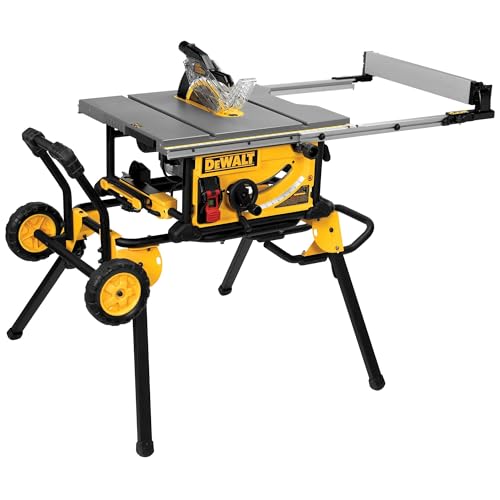
Rack & Pinion Telescoping Fence System Make fence adjustments fast, smooth and accurate
Frequently Asked Questions
What Are 5 Safety Rules for the Miter Saw?
We should always prioritize miter saw precautions by wearing safety gear, maintaining the saw blade, securing workpieces properly, checking measurements diligently, and standing clear of the cutting path to guarantee safe, effective cutting techniques.
What Are Three Steps for Making Safe Cuts on a Miter Saw?
Making safe cuts is like dancing with precision. We guarantee blade alignment is spot on, maintain workpiece stability, and apply proper cutting techniques. Together, these steps keep our projects smooth and our workspace secure.
What Are the Safety Concerns of Miter Saws?
Miter saw accidents can occur without proper positioning. By maintaining the blade, we minimize risks. We should always wear protective gear and guarantee our workspace is organized to reduce hazards during use. Safety first!
How Many Fingers Has Sawstop Saved?
SawStop technology’s advanced finger protection has saved over 7,500 fingers from injuries since its launch. Those injury statistics illustrate how essential safety features are, encouraging us all to engage in woodworking with confidence.