

When it comes to protecting yourself from harmful airborne particles, you might be wondering: what’s the real deal between respirators and dust masks? Let’s break it down.
Respirators like N95s are designed to filter out at least 95% of airborne particles. They fit closely around your face, which is crucial in environments with hazardous materials.
On the flip side, dust masks only offer basic protection against non-toxic dust. They fit loosely, which means contaminants can easily get in.
So, what should you choose? If you’re dealing with toxic exposures, it’s best to go for a respirator. Make sure you get one that fits properly; a snug fit can make all the difference.
Here are some things to consider:
- Dust masks are okay for light tasks like sweeping or yard work.
- If you’re working with mold, fumes, or other dangerous particles, a respirator is a must.
- Always check the fit; if it’s loose, it’s not doing its job.
Honestly, choosing the right mask is essential for your health. It really does matter what you’re protecting yourself from.
Remember: safety first, so keep your options clear and make an informed choice.
To wrap it up, know the difference between respirators and dust masks and pick what’s right for your situation.
Have you picked the right one for your next project?
Key Takeaways
- Respirators filter out at least 95% of airborne particles, while dust masks do not provide substantial protection against harmful aerosols.
- Dust masks are designed for comfort in non-hazardous situations and protect against larger particles, lacking specialized filters for harmful agents.
- Proper fit testing is essential for respirators, ensuring a tight seal, whereas dust masks do not require this due to their looser design.
- Respirators comply with OSHA regulations, making them necessary in environments with specific respiratory hazards, unlike dust masks, which are inadequate in those situations.
- Users should be aware that dust masks fail against toxic fumes or smoke, while respirators may need regular maintenance but offer superior protection.
Understanding the Differences Between Respirators and Dust Masks
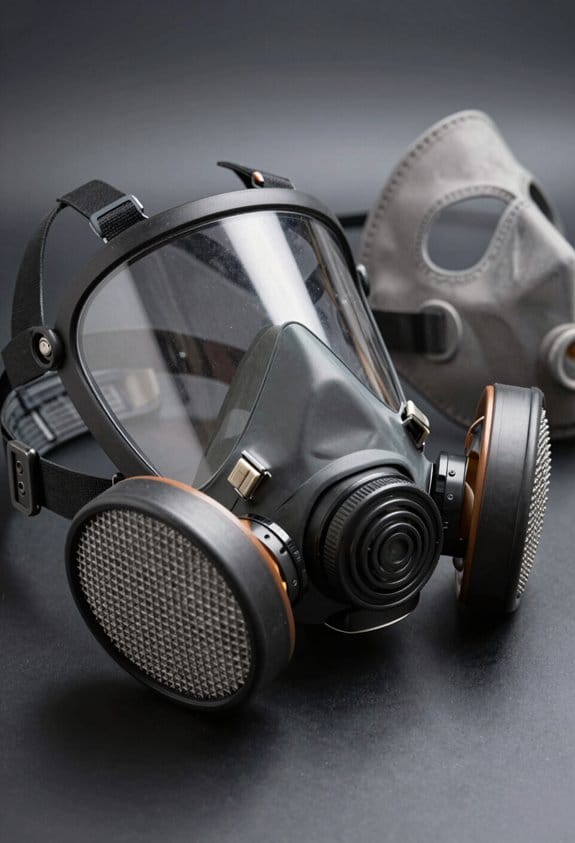
When you’re trying to protect yourself from airborne hazards, have you thought about the differences between respirators and dust masks? It’s a big deal to know what you’re wearing. Respirators like N95s are built to filter out at least 95% of those pesky airborne particles, giving you way better protection. They fit snugly around your face, so you know they’re doing their job against those tiny particles that can sneak in. On the flip side, dust masks are looser and mainly block larger droplets. They just don’t have the same filtering power, which can leave you exposed to more harmful stuff.
So, here’s the trick: if you’re going for a respirator, make sure you know how to use it properly. That means getting fit tested and possibly some training. It’s a bit of a hassle, but it’s worth it when it comes to your safety. The Occupational Safety and Health Administration (OSHA) has regulations that kick in for respirators, but dust masks don’t have to meet those standards. And if you have certain medical conditions or facial hair, you might struggle to get a good seal with a respirator, which could make it less effective.
Why does this matter? Well, wearing the right protection can really make a difference in keeping you safe from harmful particles in the air, especially in certain work environments or during health crises. *It’s important to choose a* NIOSH-approved respirator *to ensure the highest filtration efficiency*. It’s about ensuring that when you put a mask on, it actually works for you, not just looks good.
To wrap it up, understanding the differences between respirators and dust masks can help you choose what’s best for your needs. Are you ready to take safety seriously and choose the right gear for yourself?
Recommended Products

𝐃𝐞𝐬𝐢𝐠𝐧𝐞𝐝 𝐟𝐨𝐫 𝐂𝐨𝐦𝐟𝐨𝐫𝐭, 𝐏𝐫𝐨𝐭𝐞𝐜𝐭𝐢𝐨𝐧, 𝐚𝐧𝐝 𝐋𝐨𝐧𝐠-𝐋𝐚𝐬𝐭𝐢𝐧𝐠 𝐔𝐬𝐞: Our adjustable disposable N95 Mask offer a reliable and convenient way to safeguard against particles, ensuring both safety and ease of wear throughout the day.

NIOSH APPROVED: N95 for at least 95% filtration efficiency against certain non-oil based particles like dust and smoke.
𝐃𝐞𝐬𝐢𝐠𝐧𝐞𝐝 𝐟𝐨𝐫 𝐂𝐨𝐦𝐟𝐨𝐫𝐭, 𝐏𝐫𝐨𝐭𝐞𝐜𝐭𝐢𝐨𝐧, 𝐚𝐧𝐝 𝐋𝐨𝐧𝐠-𝐋𝐚𝐬𝐭𝐢𝐧𝐠 𝐔𝐬𝐞: Our adjustable disposable N95 Mask offer a reliable and convenient way to safeguard against particles, ensuring both safety and ease of wear throughout the day.
Key Features and Advantages of N95 Respirators
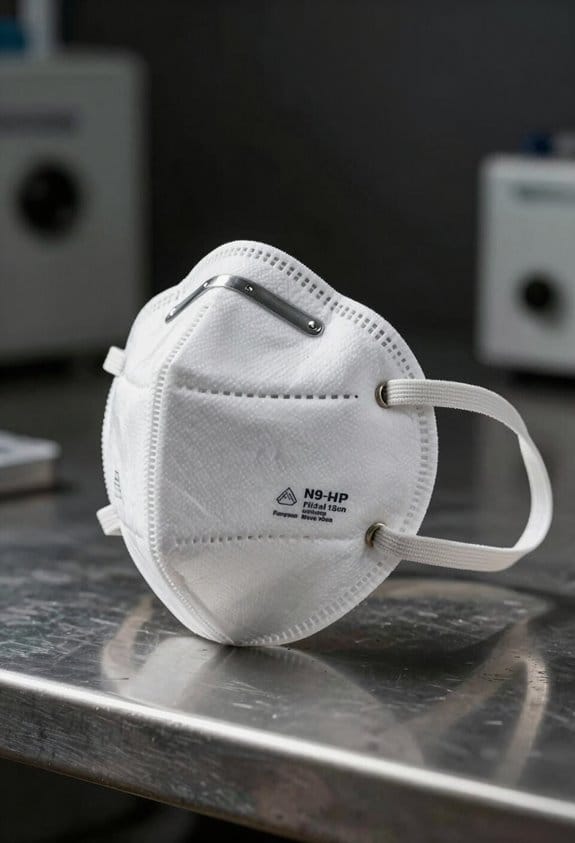
Are you concerned about the air you breathe, especially in environments where dust and germs are part of the daily grind? N95 respirators can be a solid choice for personal protection, and here’s why they stand out.
These masks filter out at least 95% of airborne particles, even those pesky tiny ones that are just 0.3 microns in size. That means you’re getting a pretty high level of filtration, which is crucial for anyone working in potentially hazardous conditions. Unlike those loose-fitting dust masks that don’t really give you much peace of mind, N95s form a snug seal around your face. That tight fit helps reduce the risk of unfiltered air sneaking in, giving you an extra layer of safety.
So, what else should you know? N95 respirators are NIOSH-approved, which is a fancy way of saying they meet tough standards set by health authorities. In real terms, this means you can trust them to help protect you against not just particles, but also certain aerosolized contaminants. If you’re in a line of work where exposure is a real concern, this level of protection can be a game changer.
Of course, simply wearing an N95 isn’t enough—you need to make sure it fits properly. A good fit ensures that it’s working as intended, keeping you safe while still allowing you to breathe comfortably for longer periods. Additionally, many N95 respirators are designed to be reusable with proper cleaning, helping extend their usability and maintain safety.
Recommended Products

NIOSH APPROVED: For at least 95 percent filtration efficiency against certain non-oil based particles

SAFE EASY BREATHING: Protects against airborne particulates, dusts, fumes, mists, organic vapors, acid gases & other contaminants; compatible with full range of cartridges, filters & cartridge/filter combinations to suit most work environments

NIOSH APPROVED: For at least 95% filtration efficiency against certain non-oil based particles like dust
When to Choose a Respirator Over a Dust Mask?
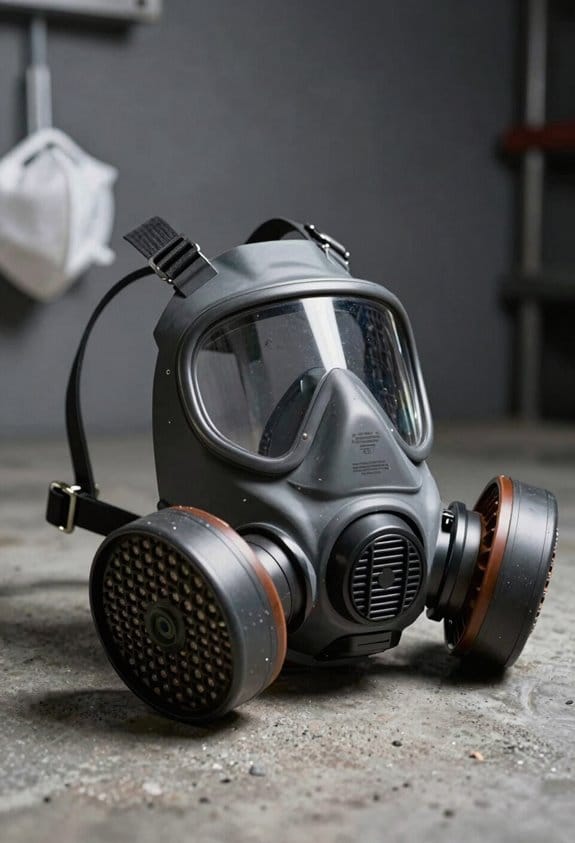
When it comes to protecting yourself from harmful particles in the air, choosing between a respirator and a dust mask can feel a bit overwhelming. You might wonder, “When should I really go for a respirator?” The answer often boils down to the environment you’re in. If you’re around high concentrations of airborne particles, like during wildfires, an N95 or P100 respirator is a smart choice. These models filter out at least 95% of particulates, offering much better protection than a typical dust mask.
Now, let’s talk about how respirators fit. They create a snug seal around your face, which is crucial for blocking tiny particles that a dust mask just can’t. If you’re dealing with specific respiratory hazards, such as harmful gases or vapors, it’s a no-brainer. You’ll want a respirator with filter cartridges to prevent inhaling those dangers. And don’t forget about compliance—if you’re in a workplace that follows OSHA standards, using a respirator is a must because dust masks don’t meet safety regulations.
The bottom line? Always prioritize your health and safety. Think about the environment you’re in and the risks you may face. Regular filter replacement is also vital to ensure your respirator continues providing effective protection. If you’re unsure, err on the side of caution and go for a respirator. What’s your experience—do you feel prepared for the air quality issues you might encounter?
Recommended Products

NIOSH APPROVED: For at least 95 percent filtration efficiency against certain non-oil based particles

NIOSH APPROVED: For at least 95 percent filtration efficiency against certain non-oil based particles like dust.
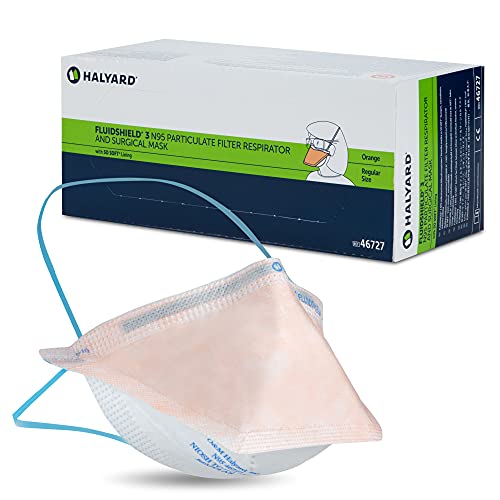
All HALYARD N95s are Made in the Americas, unlike suppliers who rely on supply from Asia
What Dust Masks Can’t Protect You From
Dust masks might seem like an easy fix when it comes to respiratory protection, but let’s be real: they come with some serious limitations that you should know about. These masks mainly block larger particles, but they can’t protect you from harmful smaller particulates or toxic fumes. If you’re ever caught in smoke or dealing with airborne contaminants, you’ll find that dust masks don’t meet safety standards set by OSHA. Why’s that? They don’t fit tightly enough, so unfiltered air can sneak in. This makes them pretty ineffective against real respiratory hazards.
When you really need solid protection, try reaching for N95 respirators or any masks rated higher. They filter out at least 95% of airborne particles, making them a much safer choice. If you aim for effective respiratory protection, the right equipment is essential. And just because dust masks are easy to get, it doesn’t mean they’re the best option.
So, what should you do? If you work in environments with dust or fumes, look into getting that better protection. Trust me; it’s worth the extra effort. And honestly, understanding what dust masks can’t provide is crucial in keeping yourself safe. For instance, devices like the 3M 8210 N95 Particulate Respirator provide a secure fit and adjustable nose clip that significantly improve protection over dust masks.
Best Practices for Using Respirators and Masks
When it comes to protecting our lungs, getting the hang of respirators and masks is no small feat. You want to make sure you’re wearing these right to keep yourself safe and healthy. Here’s the deal: achieving a proper fit is crucial. If you’re using N95s or P100s, you’ll need to adjust the straps for a snug seal against your face.
Remember to check your masks regularly. Are they dirty or damaged? Because trust me, once they start to wear down, their protective power takes a hit. In high-exposure situations, swap them out daily to stay protected. And a quick heads-up: dust masks don’t do a great job filtering fine particles—so they’re not your best option when it really counts.
Now, if you’ve got facial hair, you might want to think twice. That can make it tough to get a proper fit, which is something you definitely don’t want. Also, when you’re done using a mask, proper removal and disposal matter. Make sure to discard them safely and wash your hands right away. The CDC reminds us of these steps, and it’s not just for fun—it’s to keep everyone healthy.
For enhanced lung protection in hazardous environments, consider pairing masks with Tyvek suits to block contaminants on your clothing and skin.
Recommended Products

4-LAYER FILTRATION - These disposable KN95 masks use 4 layers of non-woven and melt-blown material that block ≥95% of airborne particles, including dust, pollen, smoke, and everyday irritants. Made to the GB2626-2019 KN95 standard for reliable everyday protection.

Extremely low breathing resistance of 4.1 mm H2O inhalation and 5.1 mm exhalation - you hardly notice you’re wearing an N95 respirator.

NIOSH APPROVED: N95 for at least 95% filtration efficiency against certain non oil based particles like dust and smoke. Compatible with a variety of eyewear
Frequently Asked Questions
What Is the Difference Between a Dust Mask and a Respirator Mask?
When we breathe in safety, dust masks offer basic protection but lack tight seals. In contrast, respirator masks promise filtration efficiency and user safety, complying with regulatory standards, while providing comfort across diverse industry applications with proper usage and maintenance tips.
What Are the Limitations of a Dust Mask?
Dust masks have limited effectiveness in filtering harmful particles and aren’t suitable for healthcare or construction settings. Their filtration capabilities fall short against allergens and environmental hazards, compromising air quality protection and user comfort levels. Appropriate usage matters.
What Is the Difference Between a Respirator and a Mask?
Respirators deliver higher filtration efficiency and better seal effectiveness than masks, making them suitable for protection against hazardous environments. Masks, using simpler material compositions, offer comfort but lack the same regulatory standards and protection levels in critical scenarios.
Does a Dust Mask Qualify as a Respirator?
While a dust mask doesn’t qualify as a respirator, we should consider its dust mask effectiveness versus respirator safety standards. Understanding filtering capabilities and user scenarios is essential for our health and protection choices.