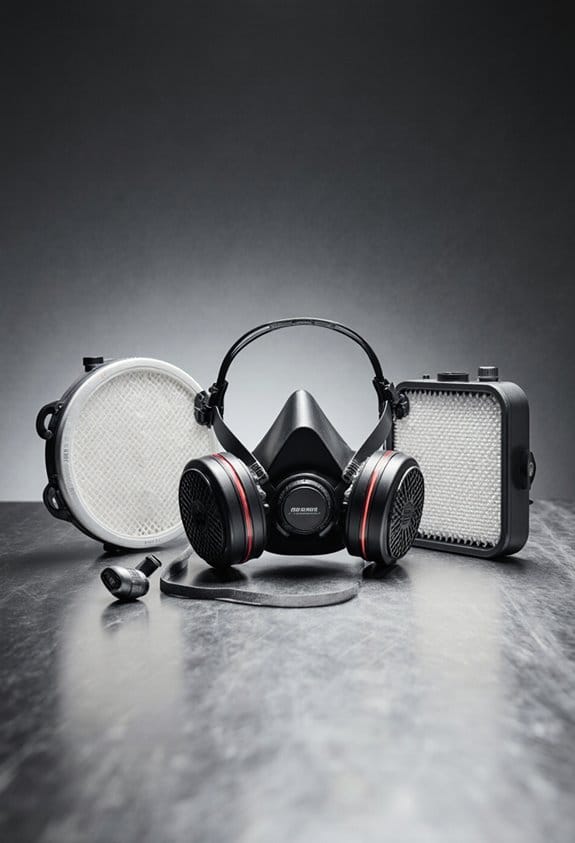

Understanding filter ratings is crucial for keeping yourself safe, especially in today’s world. N95 filters are great for blocking at least 95% of non-oil particles, so if you’re in healthcare or similar fields, these are a must-have.
But if you’re dealing with more toxic environments, you might want to look into P100 filters. They’re designed to filter out 99.97% of airborne hazards. Pretty impressive, right?
Now, let’s talk about organic vapor cartridges. These are specifically for filtering out harmful gases and vapors, which can be really important if you’re working with chemicals.
So, how do you choose the right one for your situation? Consider what you’re working with and your environment. The key here is to not just pick a filter based on its rating but also think about how you’re going to maintain it.
Regular checks and timely replacements are essential. Here’s the trick: if a filter is damaged or past its expiration date, don’t hesitate to change it. This simple step can make all the difference in protecting yourself from airborne dangers.
So, why does this matter? Because the right filter can be the line between safety and exposure. Remember, it’s not just about having a mask or cartridge; it’s about having the right protection for what you’re facing.
With this knowledge, you can better equip yourself for any situation. In summary, understanding the differences between these filter ratings isn’t just about jargon; it’s about your health and safety.
What steps will you take to ensure you’re protected?
Key Takeaways
- P100 filters block 99.97% of airborne particles, making them ideal for toxic substances and high-risk environments.
- N95 filters effectively capture at least 95% of non-oil particles, commonly used in healthcare settings.
- Filters protect against particulates, while cartridges are necessary for filtering specific gases and vapors.
- Maintaining filter integrity involves regular inspections and timely replacements based on resistance or damage.
- Compliance with NIOSH and OSHA regulations ensures the use of effective and safe filter types in workplaces.
What Are Respirator Filter Ratings?
How do you know if your respirator filter has what it takes to keep you safe? Understanding respirator filter ratings is key for protecting your health and safety on the job.
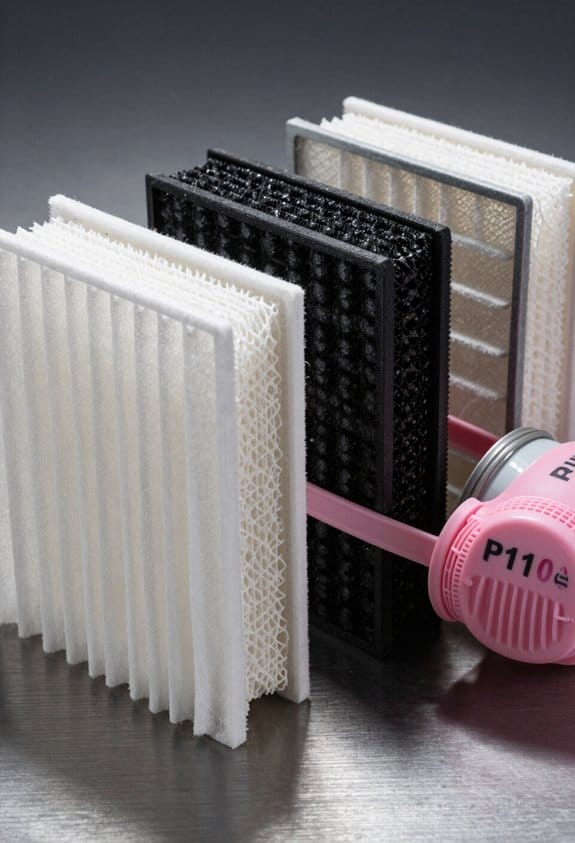
These ratings are divided into two parts: a letter and a number. The letter—N, R, or P—tells you how resistant the filter is to oil. The number shows the percentage of particles it can block. For example, N95 filters are designed to block at least 95% of non-oil particles. That makes them a solid choice for places without oil-based aerosols. On the flip side, P100 filters offer even more protection, filtering out 99.97% of all airborne hazards, including both oil and non-oil contaminants.
So, why does this matter? Because making the right choice in respirator filters can have a direct impact on your safety while you work. It’s essential to be aware of what these ratings mean to ensure you’re well-protected against potential airborne dangers.
When you’re picking out filters, keep these points in mind:
- N97/N95: Great for non-oil particles but not the best in oily environments.
- R95: These are resistant to oil for a limited time.
- P100: Your go-to for nearly complete protection, no matter the type of particles.
Truth is, understanding this rating system helps you find the right filter for your specific needs. Don’t just grab any respirator off the shelf; take the time to ensure it’s appropriate for your work environment.
For example, the 3M Particulate Respirator 8511 features a 95% filtration efficiency against non-oil particles and is NIOSH-approved, making it a trusted choice for many industrial applications.
Understanding N95 Filters: Essential Uses

Have you ever thought about how important your mask is when it comes to health and safety? Understanding N95 filters is key to staying protected in various situations. These masks can block at least 95% of non-oil-based airborne particles. This makes them especially crucial in healthcare settings and during events like the COVID-19 pandemic.
Before you put that mask on, make sure it’s doing its job. It’s critical to assess how well it can protect you against those tiny contaminants, particularly those that are just 0.3 microns in size. Keeping a snug fit is just as important. That’s why fit testing is a must. No one wants gaps between the mask and their face – those can really compromise respiratory protection.
Try this: always inspect your mask before you use it. Look for any damage or dirt, as these can cause it to lose effectiveness. And remember, you shouldn’t wear an N95 for more than eight hours without replacing it. For prolonged use and enhanced protection, adjustable headbands help provide a secure and comfortable fit.
Recommended Products

NIOSH Approved : (NIOSH Approval Number: TC-84A-9276) - NIOSH Approved N95 respirator mask certified for at least 95% filtration efficiency against particulate aerosols free of oil.

Only three major components

50 Kimtech N95 Pouch Respirators (1 bag of 50), Regular Size, White respirator with 2 blue headbands
Exploring P100 Filters: The Highest Level of Protection
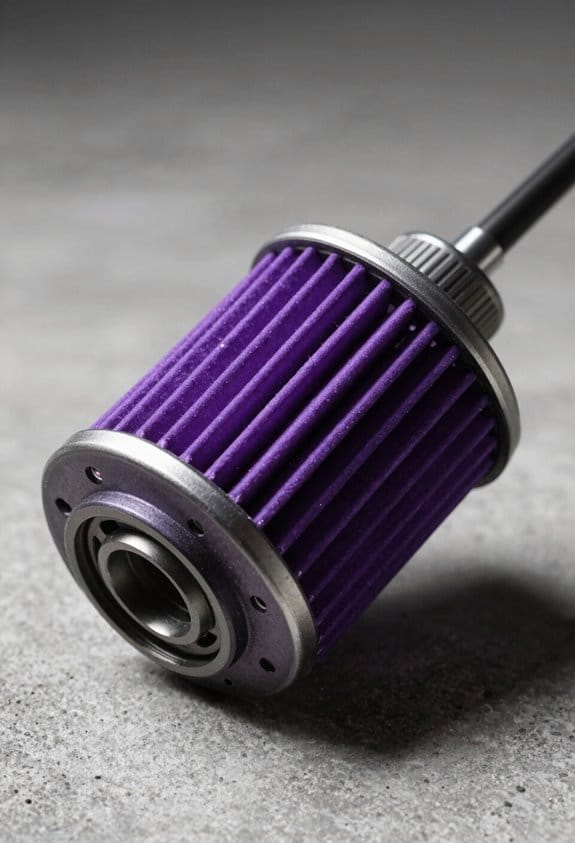
Have you ever wondered how to stay safe in environments filled with harmful particles? Understanding P100 filters can make a big difference. These filters are among the best available, designed to protect you from airborne particles by filtering out at least 99.97% of harmful particulates. They’re particularly crucial in industries where you might come into contact with toxic substances, asbestos, or mold.
When considering respiratory safety, it’s important to ensure your reuseable respirator is compatible with a P100 filter. That’s where the safety kicks in. It’s not just about grabbing any filter; you want to make sure it’s tested and certified by NIOSH for optimal protection.
But let’s be real for a moment—P100 filters do a great job at keeping particulates out, but they’re not a cure-all. They might not protect against certain vapors and gases, so you may need to look into additional filters for those.
Have you checked your respirator lately? It’s worth taking a moment to confirm that it has the right P100 filter or cartridge, especially if you’re working in a potentially hazardous environment. Staying informed and prepared is what keeps you safe.
Proper fit and maintenance, including performing seal checks, are essential for the effectiveness of your respirator and filter.
Recommended Products

3M recommended for relief against nuisance levels of organic vapor and acid gases (concentrations not exceeding OSHA PEL or applicable government occupational exposure limits, whichever is lower)

The 3M 60923 Organic Vapor/Acid Gas Cartridge/Filter is a P100 approved filter that provides protection against certain organic vapors, acid gases, and particulates.
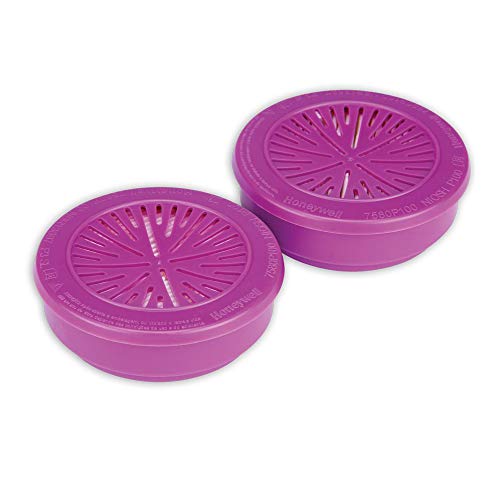
Made in united states
The Benefits of Organic Vapor Cartridges for Respiratory Protection
Have you ever thought about how much we rely on protection from harmful substances in our everyday lives? After making sure we’ve got the right P100 filters for our respirators, it’s crucial to think about the next piece of the puzzle: organic vapor cartridges.
These cartridges are super important for shielding us from the nasty gases and vapors hiding in paints, solvents, and other chemicals. They work by using activated carbon to absorb organic vapors, which is something traditional particulate filters just can’t do. To maximize your safety, it’s wise to use combination cartridges that pair organic vapor cartridges with P100 filters.
You might wonder, how do you know when it’s time to change them? This is where change-out schedules come into play. Over time, the effectiveness of these cartridges can drop as they get saturated with contaminants. Setting up a regular replacement schedule is a must-do to keep a safe working environment.
And let’s not forget about training. Staying sharp on cartridge selection and replacement is key. Regular training sessions can help you remember why these steps are so critical, preventing breakthroughs that could risk your health.
Additionally, just like choosing proper footwear with high arch support is crucial for preventing foot strain, regularly monitoring and replacing respirator cartridges ensures consistent protection against harmful exposures.
Recommended Products

NIOSH APPROVED for use against certain organic vapors. This includes painting and other applications where organic vapors are present

NIOSH approved against certain organic vapors and non-oil and oil particulates

P100 filtration: The Honeywell 7583P100L Respirator cartridges feature a P100 filter, which provides the highest level of filtration efficiency and can filter out 99.97% of airborne particles.
Filters vs. Cartridges: What’s the Difference?
Have you ever found yourself confused about choosing the right respiratory protection? It can be tough out there with so many options. Understanding the difference between filters and cartridges is really important for keeping yourself safe.
Filters—like the popular N95 and P100—are essentially your first line of defense. They keep out airborne particles, and the P100 is particularly impressive, grabbing at least 99.97% of those pesky particles. On the flip side, you’ve got cartridges that are tailored for specific gases and vapors, including stuff like Organic Vapor. So, if you’re ever in an environment where both particles and harmful gases are floating around, combination cartridges are a smart choice. They give you that double protection.
It’s also critical to make sure your filters and cartridges match up from the same brand. This isn’t just about preference; compatibility matters a lot for performance. You want to choose options that minimize breathing resistance while maximizing your safety.
So, why does this matter? Using mismatched gear could lead to leaks or worse, less effective protection. Honestly, when you’re in a hazardous environment, you need to trust your equipment completely. Investing in quality respirators with NIOSH approval ensures compliance with safety standards and effective protection.
Choosing the Best Respirator for Specific Hazards
When you’re faced with choosing the right respirator for specific hazards, it’s crucial to take a good look at your environment first. If you find yourself in a space filled with hazardous dust and fumes, a P100 cartridge is the way to go. It’s designed to filter out at least 99.97% of airborne particulates, keeping your lungs safe.
Now, if you’re working in healthcare or construction, you should seriously consider N95 respirators. They’re effective against most non-oil particles and can really make a difference in those workplaces. But let’s say your job involves working with paints or chemicals; in that case, you need to pair your respirator with organic vapor cartridges alongside particulate filters. This combo is essential for warding off harmful gases that could affect your health.
So, what’s the deal with oil-based substances? If those are part of your work environment, you’ll want to opt for R-rated filters like R95. They offer limited resistance to oil exposure, which is super important for your safety.
The best part is, picking the right respirator comes down to a little bit of research and knowing the specific hazards you face daily. It’s definitely worth taking the time to ensure you’re protected. Many industries require compliance with ANSI Z87.1 certified safety glasses when respirators are used to provide comprehensive personal protection.
What kind of respirator do you think suits your needs?
Recommended Products


LOW COST OF OWNERSHIP: Mask reusability eliminates the costs of replacement, all respirator components can be handled without special tools for quick maintenance and minimal downtime

Packs contain two pair while cases contain 12 or 18 pair
Importance of Filter Maintenance and Replacement
Choosing the right respirator is just the tip of the iceberg when it comes to keeping yourself safe from hazardous materials. Have you thought about how important filter maintenance is? Regularly swapping out filters is key to ensuring your respirator still protects you from airborne nasties.
Keep an eye on those filters. If you feel more resistance when breathing or if you spot any visible damage, it’s time for a change. For gas and vapor cartridges, listen for any odors — that’s your cue to replace them. Storing your filters in sealed containers can help them last longer, which is a pretty simple trick that could save you a few bucks.
But here’s the thing: You can’t just buy the filters and forget about them. It’s really important to get the right training on how to pick, maintain, and replace those filters and cartridges. Regular inspections also go a long way in making sure everything is still in working order and within its service life.
Truth is, taking these steps is about more than just personal safety — it helps you stay compliant with safety standards. Choosing respirators and filters that meet recognized certifications, such as GB2626-2019, ensures proper protection and reliability. So, when was the last time you checked your filters? Make it a habit to keep your gear in top shape. It could make all the difference.
How OSHA Rules Affect Your Respirator Choices
Have you ever thought about how the respirators we use at work can actually save our lives? It’s more than just a piece of gear; understanding OSHA rules can really help you choose the right one. Employers are required to set up detailed respiratory protection programs, and that includes figuring out what sort of exposure you’re up against.
When you’re dealing with dust or particulate matter, picking the right filter is crucial. You might want to consider P95 respirators or the N100 filters — they offer excellent protection. But what if you’re working with oil mist or other specific airborne contaminants? That’s where specialized vapor cartridges come into play. If you’re not using NIOSH-approved filters, you could be putting yourself at risk, and that’s not something anyone wants to deal with.
Compliance isn’t just about following the rules; it’s about keeping yourself and your teammates safe. Regular maintenance and fit testing are key. If your respirator doesn’t fit right or isn’t maintained properly, it could fail when you need it most. Plus, don’t forget that falling out of line can lead to fines for your employer, and nobody wants extra stress. Selecting respirators with adjustable straps and nose clips can significantly improve fit and comfort, enhancing overall protection.
When to Use P100 Filters in Your Work Environment?
Have you ever stopped to think about how safe your work environment really is? If you’re in a place with high levels of airborne particles—like asbestos, mold, or even smoke—you might want to consider using P100 filters. These filters are no joke; they capture at least 99.97% of particles, giving you that extra layer of protection you might need.
In job settings like welding or metalworking, P100 filters can boost your safety by filtering out harmful fumes and dust. It’s really important to stay aware of what you’re breathing in. Plus, if you’re dealing with oil-based aerosols or vapors, don’t forget—it’s a good idea to pair those P100 filters with organic vapor cartridges. This combination helps protect against toxic gases that could harm your health.
Think about healthcare environments, too. When there are outbreaks, having P100 filters on hand is essential for guarding against airborne pathogens. No one wants to take chances when it comes to their health, right?
To keep those filters working effectively, remember to monitor and replace them regularly. After all, when you’re in a workplace that’s potentially contaminated, being proactive can make a big difference in your respiratory safety.
Additionally, just like selecting the right rope for a task depends on load capacity and strength, understanding the proper filter rating ensures optimal respiratory protection.
Recommended Products

NIOSH APPROVED P100 particulate filter for respiratory protection against certain oil- and non-oil based particulates.

RESPIRATORY PROTECTION: The Dräger X-plore Combination Cartridge OV/P100 are combination filters protecting against Organic Vapors, Oil and Solid Particulates. Use during painting, varnishing, cleaning or preparation work involving organic based chemicals, and liquid or solid particles. In agricultural applications involving application of fertilizers, pesticides, insecticides and certain fumigants, maintenance work, welding, handling moldy hay or grain, etc.
Common FAQs About Respirator Filters and Cartridges
What’s the deal with respirator filters and cartridges? If you’ve ever dug into the world of respiratory protection, you might be overwhelmed by all the options out there. Understanding the differences between filters like P100 and N95 can really make a difference in keeping you safe.
For starters, a P100 filter is a powerhouse; it blocks 99.97% of airborne particles, even those pesky oil aerosols. This makes it a solid choice for various environments. On the other hand, the N95 filter focuses on non-oil particles and captures at least 95% of them—perfect for dusty areas or spots where viruses are a concern.
Now, if you’re working where harmful fumes are a risk, you’ll want to consider pairing those particulate filters, like P100, with organic vapor cartridges. This combo offers a more comprehensive level of protection. But here’s the kicker: the lifespan of your filters isn’t just a set-it-and-forget-it scenario. Constant exposure can wear them down quickly. If you’re feeling more resistance when you breathe or notice that they’ve become damaged or dirty, it’s time to replace them.
It’s also important to verify NIOSH approval to ensure your filters meet strict safety and filtration standards.
So, why does this matter? Your respirator has to work efficiently to truly safeguard your health. Staying on top of filter and cartridge maintenance isn’t just a minor detail—it can literally make the difference between safe breathing and harmful exposure.
In short, being informed about these filters means you’re already a step ahead in protecting yourself. When’s the last time you checked your gear?
Frequently Asked Questions
Does a P100 Filter Protect Against Organic Vapors?
A P100 filter doesn’t protect against organic vapors on its own. To guarantee our safety, we should combine it with a vapor cartridge, following chemical safety tips for effective respiratory protection in hazardous environments.
Is a P100 Better Than an N95?
Absolutely, a P100’s advantages soar above N95’s limitations! Its filtration efficiency guarantees superior particulate removal, enhancing respiratory protection and workplace safety. In vital health standards, the P100 clearly outshines in this mask comparison.
Is N95 Good for Organic Vapor?
N95 masks aren’t ideal for organic vapor; their effectiveness lies in filtering particles, not gases. For better air quality and worker protection, we should consider respirators with appropriate filter technology and cartridges that meet safety regulations.
What Is a P100 Filter Rated For?
When we seek robust protection, a P100 filter’s rated to capture at least 99.97% of particles. Its specifications highlight superior respiratory use, while maintenance tips and applications guarantee we stay safe in hazardous environments.