
Have you ever noticed small issues around your home but brushed them aside? It’s easy to overlook things like cracks in the walls or a door that seems to stick, but these could be signs of more serious problems.
Taking just five minutes to conduct a quick home risk scan can save you from future headaches and costly repairs.
Start with a quick walk around your home. Keep an eye out for large cracks in the walls or floors—these can indicate foundation issues that might need attention sooner rather than later.
Next, check your doors and windows. If they’re sticking or difficult to open, it’s a good indication that your foundation might be shifting.
Don’t forget about the basement, either. If you notice any dampness or musty smells, you may need to address moisture issues before they escalate into mold problems.
The roof deserves some attention too. Missing shingles can lead to leaks, which is something no homeowner wants to deal with.
By catching these hazards early, you’re not just avoiding issues down the line—you’re also giving your home a better shot at longevity.
So, why does this matter? Because taking action now can mean a lot less stress and financial strain in the future.
If you follow this simple home risk scan routine regularly, it can make a world of difference in maintaining your property. Staying proactive can keep your home in great shape, and let’s be honest, we all want that peace of mind.
Are you ready to start your own home check-up routine?
Key Takeaways
- Conduct regular home scans to identify large cracks, dampness, and structural issues before they lead to costly repairs.
- Inspect doors and windows for signs of sticking, indicating potential foundation shifts that can compromise safety.
- Check for roof damage, including missing shingles or leaks, to prevent water intrusion and future damage.
- Review plumbing for leaks or corrosion, which can lead to water damage and mold if not addressed promptly.
- Utilize a checklist to document findings and prioritize necessary actions to enhance home safety and value.
Why Your Home Needs a Quick Risk Scan
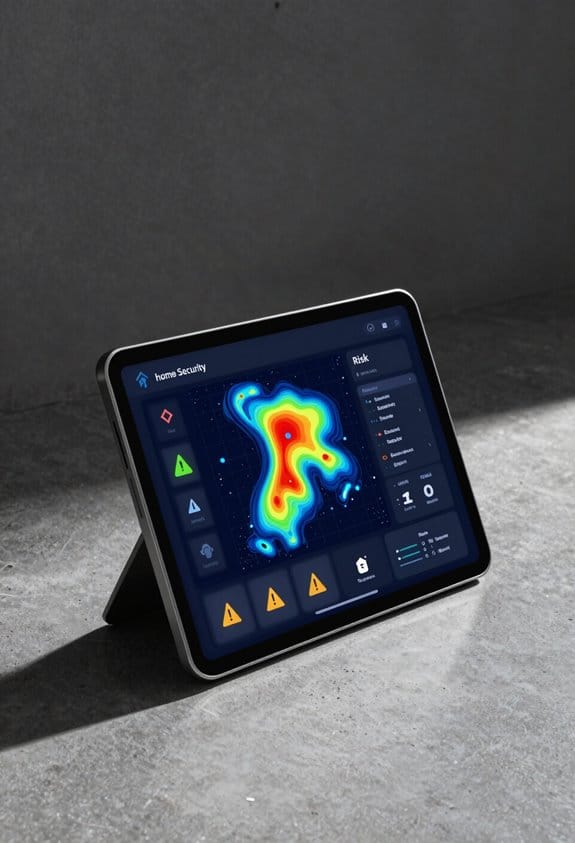
When was the last time you checked the safety of your home? A quick risk scan should probably be at the top of your to-do list. This simple evaluation can reveal issues that, if not addressed, might morph into costly repairs down the line—think anywhere from $4,000 to over $40,000.
Start looking for signs of trouble around your home. Look out for things like:
- Large cracks in walls or floors
- Dampness in your basement
- Doors that stick or don’t close properly
Addressing these red flags early can save you a lot of money and headache later. And let’s be honest, no one wants unexpected expenses to pop up like a jack-in-the-box!
You also can’t ignore foundational stability. Major problems here could complicate loan approvals and even hike up your insurance costs. It’s definitely worth the effort to be proactive. Regular risk assessments allow you to make informed decisions, whether that means tackling repairs or deciding if it’s time to walk away from a property that’s more trouble than it’s worth.
Be sure to consider all environmental factors during your assessment, including moisture absorption issues that can affect your home’s structural integrity.
What to Look For in Your 5-Minute Scan
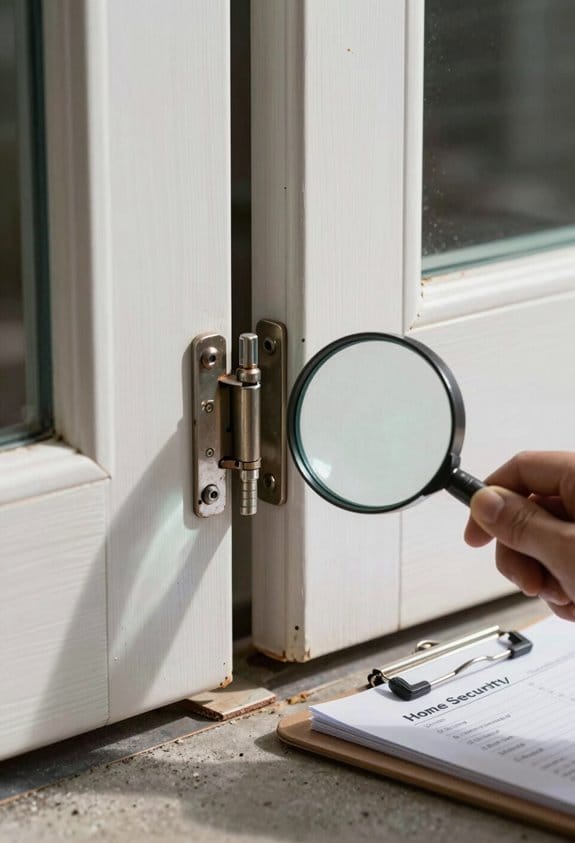
Have you ever walked through your home and wondered if everything’s really okay? A simple home risk scan can give you peace of mind and help you catch potential problems before they escalate. It doesn’t take long, and the rewards of keeping your property safe are well worth the effort.
Start by checking for any large, jagged cracks in walls and floors. These can be signs of serious foundation issues, which can lead to bigger headaches later on. Then, keep an eye out for sticking doors and windows; this can also suggest that the foundation might be shifting. While you’re at it, inspect the gaps between your walls, ceilings, or floors. These little details can hint at structural weaknesses you don’t want to ignore.
Don’t forget to look for moisture or dampness in the basement. That could signal a problem with your foundation, which is definitely something you want to address sooner rather than later. It’s also important to document what you find during your scan. Write down any major concerns, especially things like roof damage or plumbing issues—these can pose serious safety risks.
Prioritize these red flags to tackle the most pressing problems first. Keep in mind that staying on top of these assessments not only protects your home but also can save you stress down the road. Also, consider investing in durable materials for home safety solutions to enhance long-term protection.
So, what’s your next step? Taking just a few minutes to do this scan can make a world of difference in keeping your home safe and sound.
Recommended Products

Permanently Stops and Prevents Water Leaks in Concrete Cracks.
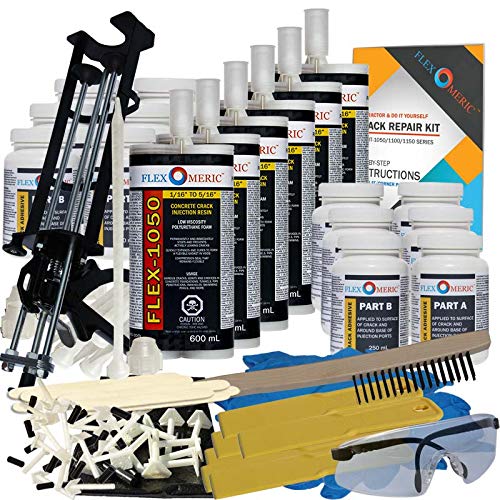
Permanently Stops and Prevents Water Leaks in Concrete Cracks.

STRUCTURAL EPOXY STRENGTH THAT EXCEEDS CONCRETE: This professional concrete crack repair kit uses high-performance A-Tech 212 LV for true epoxy concrete crack repair. With 12,000 psi compressive and 8,500 psi tensile strength, it forms a bond stronger than the original surface. Ideal for foundation wall crack repair, basement foundation repair, and permanent foundation cracks repair where structural integrity matters.
Identifying and Tackling Common Home Hazards
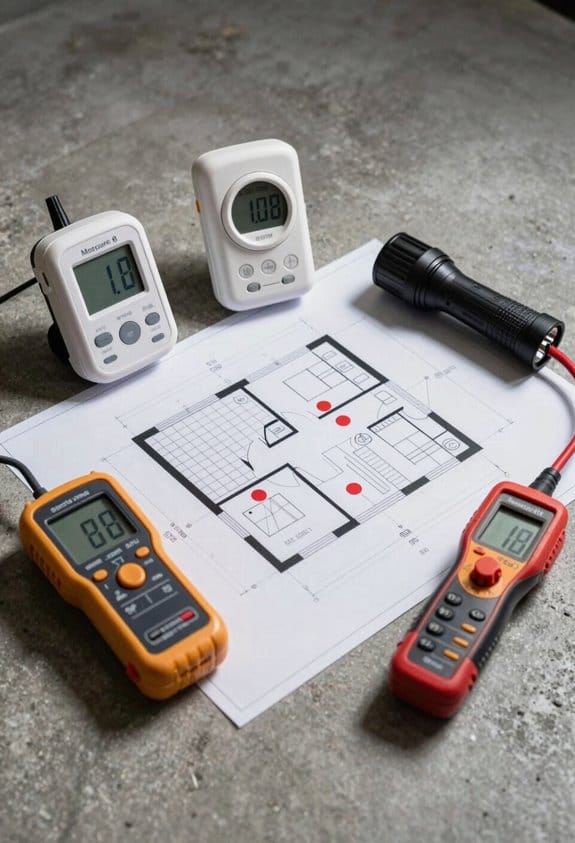
How can you keep your home safe from pesky hazards? One key step is to carefully check for foundation issues. Look for large cracks or damp spots in your basement — these could be signs of trouble. It’s easy to overlook, but a little inspection can save you from huge headaches down the line.
Next on the list: your roof. Have a peek at your shingles and watch for leaks. Missing shingles can lead to serious water damage, and you definitely don’t want that. Taking care of these repairs now can prevent costly replacements later.
Don’t forget about your plumbing! Regularly checking for leaks or signs of corrosion in your pipes is a must. You’d be surprised how quickly water damage can escalate, not to mention the risk of mold growth if you’re not careful.
Wiring in your home is another area where you should keep a close eye. Is it outdated? That might put you at greater risk for electrical fires. You wanna ensure everything is up-to-date and safe; it’s just one more layer of protection for you and your family.
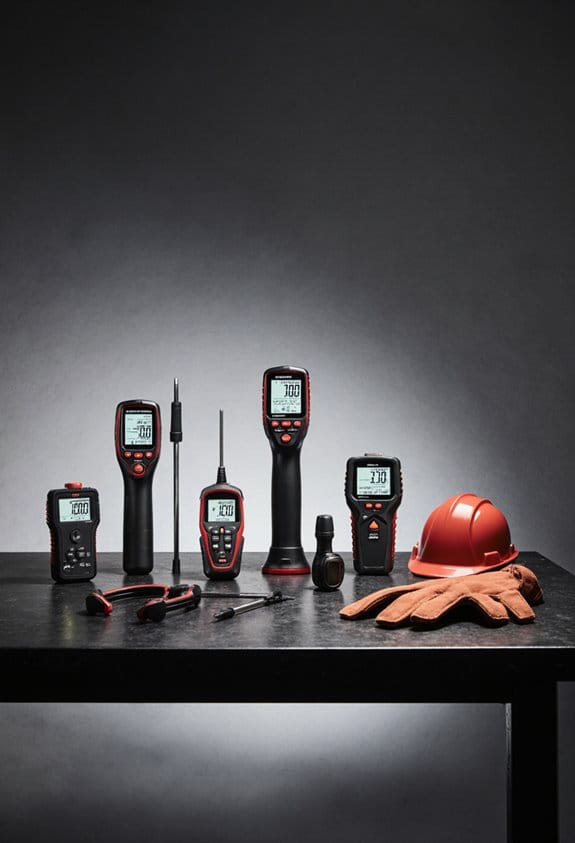
Here’s the trick: consider using Thermal Imaging technology. It can help reveal hidden mold and moisture problems, especially in your basement. Maintaining a healthy living space and ensuring your home’s structural integrity is super important.
Using protective gear like mechanics gloves with abrasion-resistant fingertips can help when doing home repairs to avoid hand injuries.
In short, keeping your home safe from hazards is all about regular checks and preventive actions. What steps will you take today to ensure your home stays hazard-free?
Recommended Products

Compact, rugged, and easy to use

👍【REACH NEW FRONTIERS】Autel Robotics EVO Max 4T V2 perfectly integrates a wide camera, Zoom Camera, L~aser R~angefinder, and T~hermal Camera. Ultra-sensitive wide-angle camera supports 48MP 1/2" CMOS, max ISO 64000, Moonlight Algorithm 2.0 allows capturing crisp even in low-light environments. Zoom Camera supports 48MP 8K 10x optical zoom (160x Max). L~aser R~angefinder's Measuring Range: 16.4–3737 ft, Measuring Accuracy: ± (1 m + D×0.15%). T~hermal Camera with 640*512 30Hz t~hermal imaging and 9.1mm focal length and 16x digital zoom.
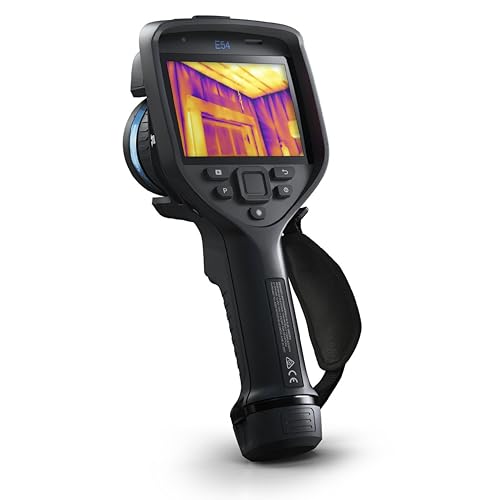
320 x 240 infrared pixel resolution with FLIR patented MSX visual enhancements
Why Conducting Regular Home Risk Assessments Is Essential
Have you ever wondered how much a small issue with your home might actually cost you down the line? Taking the time to conduct regular home risk assessments can save you a lot of money and headaches. Spotting problems early, like foundation issues that can range from $4,000 to over $40,000, can make all the difference in preventing extensive damage. Look out for signs such as large cracks, sticking doors, and damp basements; these could all point to structural weaknesses.
Regular assessments also let you catch other potential risks, such as roof damage or plumbing issues, before they spiral into costly emergency repairs. It’s all about staying one step ahead. The best part is that homes thoroughly inspected with risk assessments provide critical information for anyone looking to make informed decisions in property transactions. So, why does this matter?
Honestly, having a solid grasp of your home’s condition not only protects your investment but also prioritizes safety for you and your family. Plus, studies from College London support that these evaluations can help maintain your property’s value over time. Additionally, incorporating spill containment measures can minimize environmental hazards and prevent costly damage in case of leaks or spills.
Steps to Create Your Own 5-Minute Home Risk Scan Routine
Creating a quick 5-minute home risk scan can feel like a lifesaver, especially when you think about all the potential issues lurking around the house. No one wants to be surprised by a leaky roof or a hidden crack in the foundation. So, where should you start?
Begin with the foundation. Large cracks or doors that refuse to close properly can signal structural problems that shouldn’t be ignored. If you’ve ever struggled with a door that sticks, you know how frustrating it is. It might be more than just a minor inconvenience.
Next up is the roof. Take a quick look for missing shingles or signs of leaks. A roof can be a big-ticket item when it comes to repairs, so catching any issues early is crucial. Remember, a small leak can turn into a huge problem if left unattended.
Don’t forget to check your plumbing. Pay close attention to areas under sinks or around appliances. If you see dampness or water damage, it could be a sign of a leak just waiting to happen. Water can wreak havoc on your home, and the last thing you want is to deal with mold or worse down the line.
Take a moment to inspect your electrical outlets as well. Frayed wires or outlets that look a little too worn can pose fire hazards. This is one area where you definitely don’t want to take chances. So, why does this matter? Addressing these issues early can help you avoid expensive repairs and keep your family safe.
Lastly, make note of any red flags that catch your eye. Maybe it’s a strange smell or a persistent sound – these can indicate underlying problems. The best part is, prioritizing these concerns allows you to tackle them one at a time, making it much more manageable.
In just five minutes, you can create a clearer picture of your home’s health. Regularly checking in on these areas can save you headaches down the road. Installing a water storage tank can also help safeguard your home’s water supply in emergencies. What will you look for on your next scan?
Recommended Products

45-Mil EPDM Rubber Pond liner with UnderGuard Underlayment has a Limited Lifetime Warranty

STOPS BASEMENT WALL LEAKS IN CRACKS UP TO 40 FT: Professional-grade concrete foundation crack repair kit designed to permanently seal water intrusion in poured basement wall cracks. Ideal for foundation wall crack repair, this system acts as a powerful basement waterproofing solution. A trusted foundation leak repair method used in both pro and DIY foundation repair projects.

Very Rapid Set, High Strength
Frequently Asked Questions
How Often Should I Conduct a Home Risk Scan?
“An ounce of prevention’s worth a pound of cure.” We should conduct a home risk scan at least twice a year. Regular risk assessment frequency helps us stay proactive and secure in our living environment.
Can Children Participate in the Risk Assessment Process?
Absolutely, children can participate in the risk assessment process! Their insights can be valuable. By encouraging child involvement, we help them understand safety while also making the assessment more thorough and engaging for everyone involved.
What Tools Do I Need for the Scan?
We don’t need fancy gadgets to assess risks; all we need’s simple safety equipment. A flashlight, notepad, and a keen eye will help us spot vulnerabilities that could save our home from potential hazards.
Should I Involve Other Family Members in the Assessment?
Absolutely, involving family members in the assessment is essential. It brings diverse perspectives, enhances communication, and fosters a collective responsibility for our home’s safety. Together, we can identify risks and strengthen our security as a unit.
How Do I Prioritize Hazards Once Identified?
Once we’ve identified hazards, we can prioritize them by evaluating their potential impact and likelihood. Focus on risks that pose immediate danger first, then tackle those that might cause harm later in our risk assessment.