
How many times have you heard of a workshop incident that could’ve been easily avoided? Keeping a detailed incident log is key to making sure safety doesn’t take a back seat in our workshops. You should aim to document everything, from those close calls that make your heart race to serious injuries that can change lives forever.
Here’s what you need to include: the date, time, location, and a clear description of what happened. It might feel tedious, but here’s the trick: regularly reviewing these logs will help you see patterns and figure out what’s really going on.
So, why does this matter? Well, it’s your chance to take action and implement preventative measures before things go south. Creating a culture of safety isn’t just about compliance with regulations; it’s about looking out for one another.
By maintaining this log, you’re not just checking a box; you’re playing an active role in improving the overall safety of the workspace. Take a moment to think—when was the last time you reviewed your incident reports?
Make it a habit to look over these logs and start the conversation about what needs to change. A little effort can go a long way in keeping everyone safe.
To wrap it up: stay informed and be proactive. So, what steps are you taking today to enhance safety in your workshop?
Key Takeaways
- Documenting incidents facilitates identifying trends and potential hazards, leading to actionable safety improvements over time.
- Logging near misses helps to prevent future accidents by addressing potential risks before they escalate.
- Regular incident reviews promote transparency, build trust, and reinforce a culture of safety among team members.
- Standardized reporting processes ensure consistency and regulatory compliance, enhancing overall safety management.
- Involving employees in reviewing incident data encourages accountability and fosters collaborative problem-solving for safety issues.
Understanding Workshop Incident Logs: How They Resolve Common Safety Issues

Have you ever thought about how keeping track of incidents in the workshop could really change things for the better? Workshop incident logs are super important for making our work environment safer. By jotting down details such as the date, type of incident, and who was involved, we can spot safety trends over time. This kind of documentation not only keeps us in line with rules from regulatory bodies like OSHA but also helps us find repeat incidents that might hint at deeper issues.
So, why does this matter? When you can pinpoint those recurring problems, you can dive right into creating specific training programs or steps to handle them. It’s all about being proactive instead of reactive. You want to foster a culture of safety and responsibility within your team. In my experience, when everyone feels they have a say in keeping things safe, it really makes a difference.
Try this: Make it a habit to review incident logs regularly. This simple action can lead to huge improvements in how you handle safety issues. It’s about creating an environment where safety is at the forefront of everyone’s mind. The best part? It also boosts accountability among your team members.
Truth is, keeping these logs is a powerful way to improve your response strategies for any incidents that come up in the future. A safer workplace benefits everyone, and it starts with you taking action today. Including trauma kits in your workshop safety plan ensures immediate access to crucial medical supplies when incidents occur.
Recommended Products

Vehicle inspection report book helps document and report needed repairs to help maintain safe workplace utility vehicles.
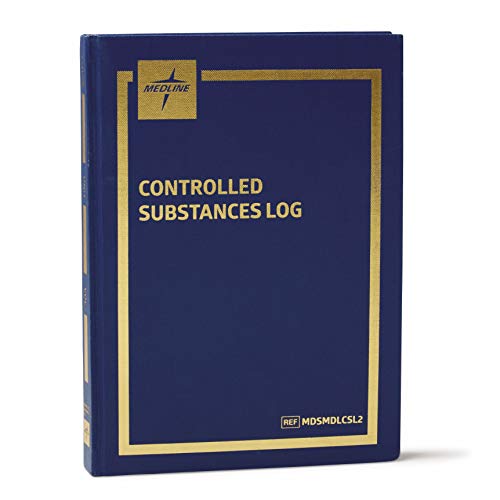
Durable hard cover Log book

Daily logs for truckers includes hours of service grid with recap, detailed driver vehicle inspection report, "shipments on truck" record, "shipments unloaded" record, and "miles driven by state" record all in one document.
Importance of Documentation in Safety
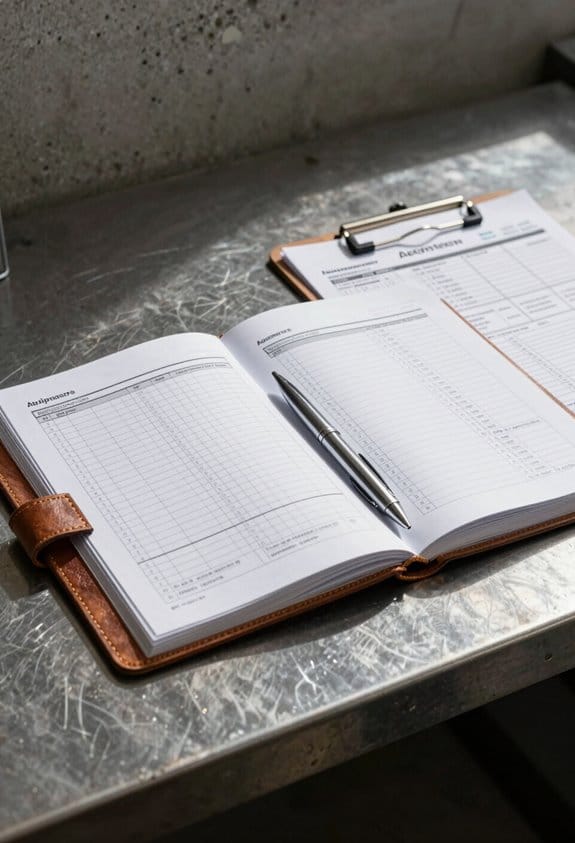
Have you ever thought about how effective documentation can really boost safety in your workplace? It seems simple, but writing down incidents can make a huge difference. When you invest time in proper documentation, you’re not just ticking a box; you’re actually strengthening your whole incident management process. This helps you stay compliant with regulations and keeps everyone safe.
One of the benefits of logging incidents is that it allows you to dive deep into root cause analysis. You’ll want to identify what went wrong so you can prevent similar situations from happening in the future. If you can spot patterns in your recorded incidents, you’ll be in a better position to address potential problems before they escalate. This isn’t just about following the rules; it’s about improving your safety protocols in real, tangible ways.
Keep in mind that these logs are more than just records. They serve as crucial communication tools among your team and other stakeholders. Transparency is key in building trust, right? When everyone’s on the same page, it makes it easier to maintain a safer work environment. Regularly reviewing your incident logs is one way to stay ahead of safety issues. By doing this, you can bolster your training efforts and ensure that everyone is on point with best practices. Additionally, having reliable tools like an emergency radio with NOAA alerts can provide critical safety information to your team in real time during emergencies.
Types of Incidents to Include in Your Workshop Incident Log
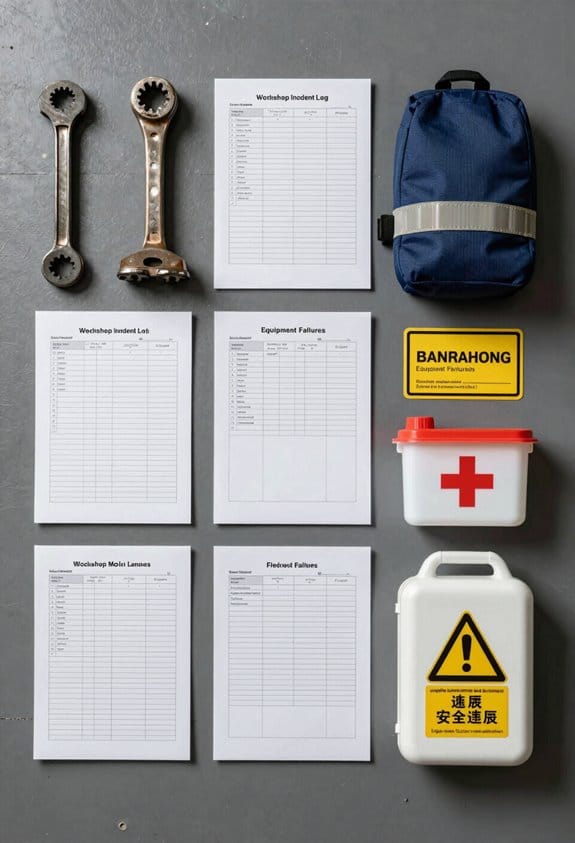
Have you ever thought about how crucial it is to keep a detailed log of incidents in your workshop? It’s not just a good idea; it’s essential for creating a safe environment. Start by noting any injuries or illnesses that happen during work. You want to capture these moments to prevent them from recurring.
Now, let’s talk about near misses. These are just as important to record because they show potential hazards that might need some digging into. Think about it—how many times have you almost tripped or nearly dropped something heavy? By logging these near misses, you’re shining a light on issues before they become serious.
It’s equally important to include instances of workplace violence. This isn’t just about physical harm; it’s about creating a culture where everyone feels safe and secure. When you document these cases, you better understand the risks and can implement corrective measures.
If your workshop deals with sensitive data, don’t skip over logging data breaches or information security incidents. Protecting your data is as vital as protecting your physical space.
So, why does this matter? Keeping track of these incidents not only helps create a stronger safety culture, but it also allows for effective data analysis. This means you can continually improve and potentially prevent future issues. Prioritizing safety in your workshop should be a top concern, and having a thorough log is a key part of that process. In fact, using medical tapes correctly during injuries recorded in the log can also enhance wound management and recovery.
Recommended Products

Daily log books for truckers helps satisfy the duty status requirements of 49 CFR Section 395.8.
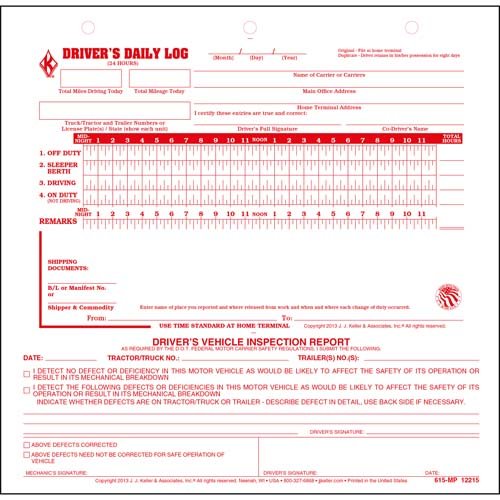
Daily logs for truckers help satisfy DOT's duty status requirements under 49 CFR Section 395.8.

Daily log books for truckers with DVIR helps you satisfy requirements for 49 CFR 395.8, 396.11, and 396.13.
Setting Up Effective Logging Processes for Your Workshop
Have you ever thought about how crucial it is to keep your workshop safe? Let’s face it: keeping things organized when it comes to logging incidents can feel like a daunting task, but it’s absolutely necessary. Establishing a straightforward incident reporting process is a good starting point. Using standardized forms can help you capture all the important details, like the type of incident, date, location, and who was involved.
Regularly reviewing your incident log is just as important. This process can really help you spot trends and figure out what proactive safety measures you need to take. A little tech can go a long way, too. It can streamline safety management, making the data much easier for everyone involved to access.
Training your team on how to log accurately and in a timely manner is vital. You want your employees to feel empowered to report incidents without hesitation. So, why does this matter? Having an open channel for communication helps your team share their thoughts on the logging process and can reveal any gaps you might not have seen.
Honestly, you’ll want to ensure you’re meeting all regulatory requirements while creating a culture that prioritizes safety. Using OSHA compliance as a framework can enhance the effectiveness of your safety protocols. In the end, it’s about making sure everyone in the workshop feels secure and knows what to do if something goes wrong. What steps will you take to improve logging practices in your space?
Recommended Products

HR & EMPLOYEE MANAGEMENT: Document key details of employee separations with the ComplyRight Employee Separation Report Form. Accurate, thorough documentation is vitally important when an employee resigns, is laid off, or retires.

Organize and maintain records of Student Behavior. The 2 part carbonless design allows teachers to keep a copy for their records while sending a copy home for a parent or guardian signature.

Essential Elements Every Incident Log Should Include
What happens when something goes wrong at work? Having a solid incident log could be your best friend in these situations. It all comes down to capturing the essentials to keep everyone safe and informed.
First off, make sure each incident entry includes the type of incident—think workplace injuries or those close calls we call near misses. You also want to record who was involved, when it happened, and where it took place. These details aren’t just for show; they provide a complete picture that helps you understand the context of the event.
Now, let’s talk about the description of the incident. Don’t just write a few words and call it a day. A detailed description is key for any investigation down the line. The more thorough you are, the easier it will be to identify what went wrong and how to prevent it from happening again.
Timeliness is another aspect that shouldn’t be overlooked. When you record incidents quickly, you keep the information fresh and relevant. This can make a big difference in your safety practices moving forward. Clear writing is absolutely crucial here; when everyone understands the logged incidents, they’re better equipped to respond.
Consider mentioning any potential hazards linked to the incident. Why does this matter? It helps in pinpointing the root causes of what went wrong. Systematically categorizing incidents is also a smart move. It improves your safety measures and allows you to track patterns over time, which is really helpful for developing better practices. Additionally, including details about safety rating standards ensures that the recorded incidents align with recognized workplace protection guidelines.
Recommended Products



Best Practices for Reviewing and Analyzing Incident Data
Have you ever looked at your workplace incident data and thought, “What can we learn from this?” Regularly diving into incident logs is more crucial than you might realize. By analyzing these records, you can spot patterns and get to the root causes of issues, which helps in rolling out safety measures that actually work.
Try this: Get your hands on some data analysis tools. They can make quantifying how often incidents happen and how serious they are a breeze. With this info, you can decide where to direct your safety resources most effectively. It’s also worth noting that keeping your incident data consistently categorized is key. This consistent setup makes tracking progress over time much simpler.
Now, how often do your team meetings touch on safety? Scheduling regular chats with your stakeholders can open the door to some serious conversations about what’s going on. Sharing findings isn’t just about numbers; it’s about fostering an environment where everyone feels comfortable speaking up.
Honestly, think about this: What if employees had a chance to weigh in on incident reports? Implementing feedback channels can enhance the accuracy of your logs while giving team members a voice in the process.
To sum it up, regular reviews of incident data can significantly enhance workplace safety. Keeping the discussion going and encouraging input from employees will strengthen your safety measures moving forward. Incorporating compliance with safety regulations ensures that your incident review process aligns with legal standards and promotes a safer work environment. So, how do you plan to make data review a part of your routine?
Recommended Products


Frequently Asked Questions
What Is the Best Way to Keep an Incident Log?
To keep an incident log effectively, we should use user-friendly templates in incident reporting software, leverage mobile accessibility features, automate alerts, and guarantee regular employee training sessions with compliance checklists for robust data analysis and safety improvement scenarios.
Why Is It Important to Maintain a Log of Incidents?
Maintaining a log of incidents boosts our safety improvement efforts; organizations with effective incident tracking reduce injury rates by 25%. Regular data analysis supports risk assessment, employee training, compliance regulations, and enhances equipment maintenance and reporting procedures.
How to Improve Incident Resolution Time?
To improve incident resolution time, we should enhance our incident response through effective safety protocols, utilize communication tools, implement team training, conduct incident analysis, optimize workflows, and establish feedback loops for proactive measures.
What Are the 5 Safe Working Practices in the Workshop?
We’ve got a recipe for workshop safety: embrace good ergonomics, perform tool maintenance, wear personal protective equipment, tackle fire and electrical hazards, and master chemical handling for safe machine operation. Let’s minimize risks together!