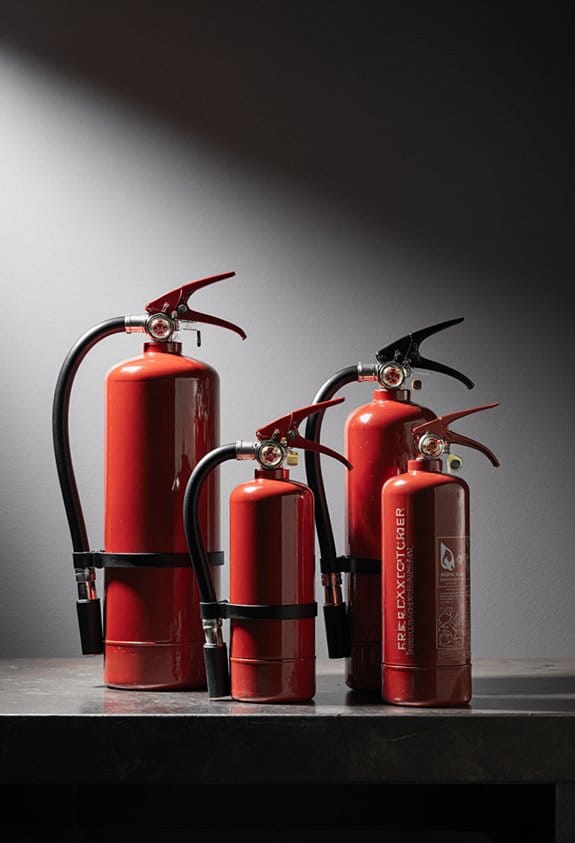

Ever wondered why it’s crucial to know about fire extinguishers in your workshop? It’s not just a safety measure; it’s a lifesaver. Understanding the different types can prepare you for various fire situations.
Let’s break it down. Class A extinguishers are designed for ordinary materials like wood and paper. You’ll want these handy where you work with those materials.
Class B is for flammable liquids, making it important to keep these close to areas where you store things like paint or oil. If you’re dealing with electrical stuff, Class C extinguishers are your best bet—they’re specially made for that kind of equipment.
Here’s the kicker: multipurpose extinguishers can handle several fire classes. These are incredibly flexible, which makes them perfect for workshops where different materials are at play.
So, why does this matter? Having the right extinguisher can save your workshop from disaster. Knowing where to place them also increases your safety and preparedness.
Now that you’re familiar with these types, don’t forget about maintenance. Regular checks and knowing how to use them can make a world of difference.
What practices do you have in place for fire safety?
Key Takeaways
- Utilize Class A extinguishers for ordinary combustibles like wood and paper, using water-based options for effective response.
- Class B extinguishers handle flammable liquids such as gasoline and oil; they should be accessible near liquid storage areas.
- For electrical fires, opt for Class C extinguishers marked with a blue circle, using non-conductive agents like carbon dioxide.
- Class K extinguishers are crucial for kitchens, featuring a distinct yellow color for quick identification in food preparation areas.
- Consider multipurpose Class A-B-C extinguishers for versatile coverage across various fire hazards in workshops.
Why Fire Extinguishers Matter in Your Workshop
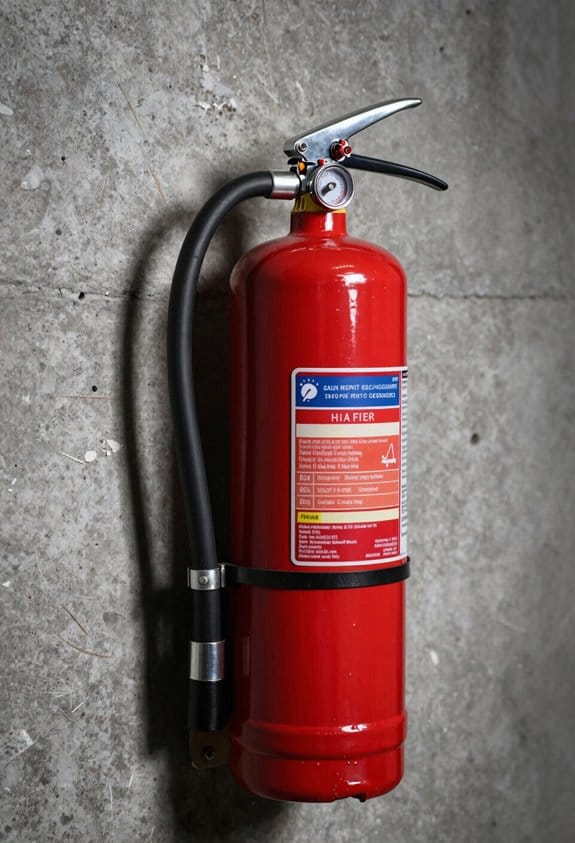
When you’re in a workshop, have you ever thought about what could happen if a fire broke out? It’s a scary thought, but it’s all too real. That’s why fire extinguishers are not just important—they’re essential. Having the right extinguishers for different types of fires is key. For instance, you’ll definitely want Class A for wood and fabric fires, and Class B for flammable liquids.
A smart choice is to use multipurpose extinguishers, like ABC models. They cover you for many fire types, giving you peace of mind while you work. Now, let’s talk about local fire codes. Did you know that you’re required to have appropriately rated portable fire extinguishers in your workshop? It’s not just a recommendation; it’s the law, and it’s all about keeping yourself and others safe.
Regular inspection and maintenance of your extinguishers can’t be ignored, either. Truth is, you should check them at least once a month to ensure they’ll work when you need them most. OSHA and NFPA both emphasize this, so it’s worth sticking to that routine.
Make sure your tools and materials are kept safe, but don’t forget your own safety and the well-being of everyone around you. Having fire extinguishers ready to go is just one step. Additionally, using heat-resistant gloves can provide essential protection when handling hot materials or potential sparks. Are you ready to take fire safety in your workshop seriously?
Essential Fire Class Definitions: Know Your Risks
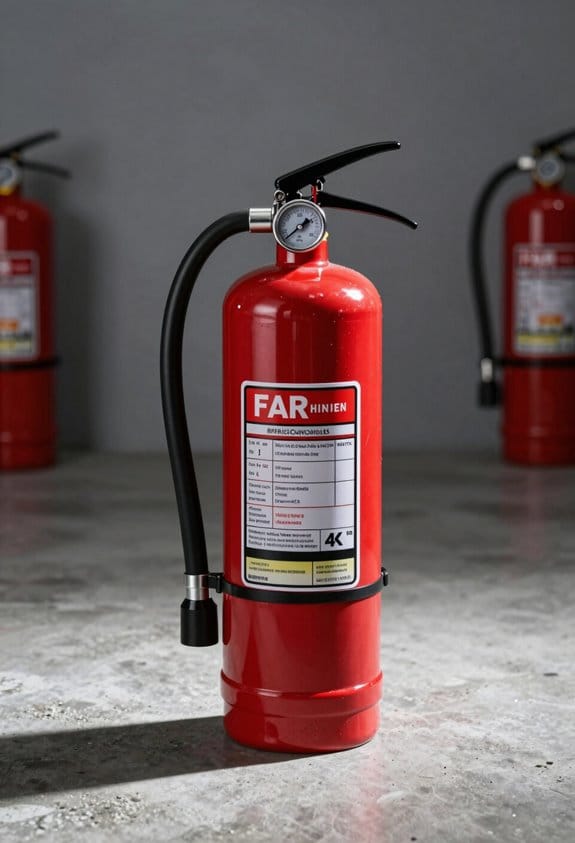
Ever been in a workshop where something catches fire? It’s a scary thought, right? Understanding different classes of fires can make all the difference when it comes to handling those situations effectively.
Let’s break this down. You’ve got Class A fires, which are the kind that involve ordinary stuff like wood and paper. Then there are Class B fires; this is your flammable liquids, think gasoline and oil. And don’t forget about Class C fires—they’re tricky because they involve electrical components. When dealing with these fires, you need non-conductive extinguishing agents. So, why does this matter? Choosing the right fire extinguisher is crucial for safety.
Here’s the trick: make sure all workshop personnel are trained on how to use fire extinguishers. Regular training is a must. It helps everyone know exactly what to do in case of a fire. By understanding fire classifications, you’ll feel more prepared.
Honestly, being aware of these risks can safeguard not just the workshop but everyone in it. So, take the time to educate yourself and your team. Why not set up a training session next week? Also, having emergency tools with built-in safety features can greatly enhance your preparedness during unexpected situations.
Choosing Class A Extinguishers for Combustibles
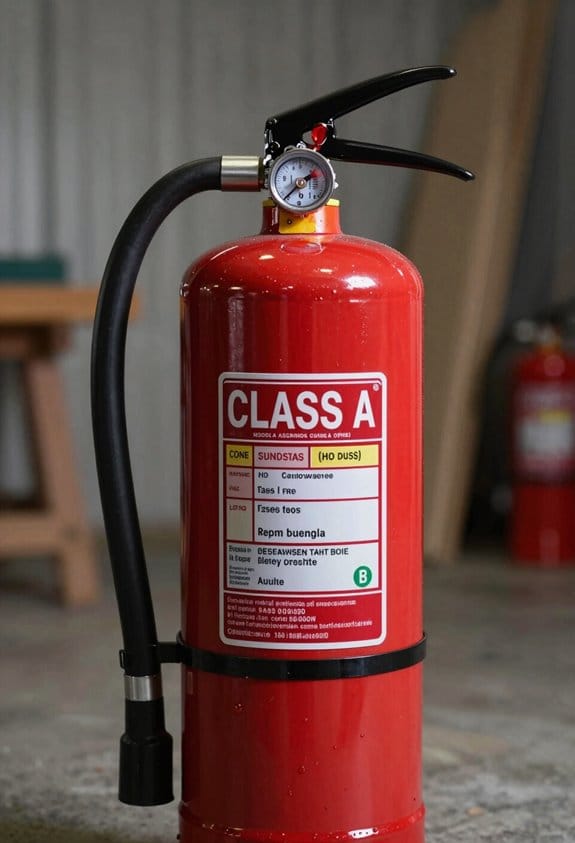
Choosing the right Class A extinguisher for combustible materials is essential for keeping our workshops safe. Fires fueled by wood, paper, cloth, and rubber can spread quickly, so having the right tools at hand makes all the difference.
When selecting an extinguisher, I’d recommend sticking with water-based options. They do a great job of cooling down flames and taking heat away from the fire. Also, don’t overlook the numerical ratings. For instance, a 2A rating indicates it’s as effective as 2.5 gallons of water—pretty handy to know!
Regular maintenance is key. Make it a habit to check your extinguishers every month to ensure they’re fully charged and ready to go. Following OSHA and NFPA guidelines can help keep everything in tip-top shape. And just as important, keep your training materials and instructions nearby. This way, you and your team can act swiftly and safely when a fire breaks out.
Additionally, having easy-to-use equipment like absorbent pads nearby can simplify spill management, reducing fire risks in workshops.
So, why does all this matter? Well, in a fire emergency, every second counts. Take these steps seriously to protect yourself and others around you.
Stay safe out there! Have you checked your extinguishers recently?
Recommended Products

Halotron I, Class B:C Extinguisher

Halotron I, Class B: C Fire Extinguisher

Safely Handling Flammable Liquids: Class B Fire Extinguishers
Have you ever thought about what you’d do if a fire broke out near your gasoline or solvents? Class B fire extinguishers are essential for keeping those flammable liquids in check, especially if they’re part of your daily routine. It’s not just about having an extinguisher; it’s about having the right one.
To tackle these kinds of fires, you want extinguishers that can smother flames or push out the oxygen. Foam, carbon dioxide, and dry chemical extinguishers are your go-to options. Make sure you pay attention to the UL classification system as well. This system tells you what size of flammable liquid fires each extinguisher can handle. If you have large storage areas, opt for higher-rated Class B extinguishers for the added peace of mind.
You also need to think about where to place these extinguishers. Keep them within easy reach, ideally near exits and places where flammable liquids are stored. Fast access during an emergency can make a big difference. Additionally, storing flammable liquids in a fire-resistant cabinet with proper ventilation helps reduce fire risks and complies with safety regulations.
Recommended Products

Chemical & Capacity: ABC Dry Chemical, 10 Pounds

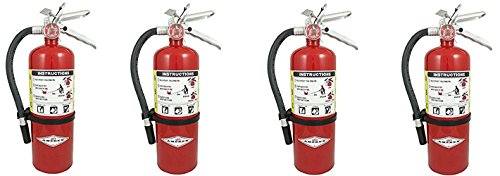
Chemical & Capacity: ABC Dry Chemical, 5 Pounds
Class C Fire Extinguishers: Protecting Your Electrical Equipment
Did you know that using the wrong fire extinguisher can actually make things worse, especially when dealing with electrical fires? Class C fire extinguishers are your go-to choice for that situation. They’re specifically designed to tackle fires involving electrical equipment, using non-conductive agents like carbon dioxide and dry chemicals. This makes them safe to use around live electrical systems, which is super important.
Here’s the trick: always remember to turn off the power source if you can. It’s the best way to avoid any shock hazards. Class C extinguishers are marked with a blue circle, so they’re easy to spot when you need them. But knowing how to use them is just as vital as having one on hand.
Regular maintenance is key. Checking and inspecting your extinguishers ensures they function properly when you need them the most. Nobody wants to be fumbling with a faulty extinguisher during an emergency.
So, why does this matter? Because having the right equipment and knowing how to use it can protect both you and your valuable electrical gear from disastrous fires. Additionally, just like adjustable straps provide a secure fit for gardening knee pads, proper handling and familiarity with extinguishers enhance their effectiveness and safety during use, emphasizing the importance of adjustable fit.
Recommended Products
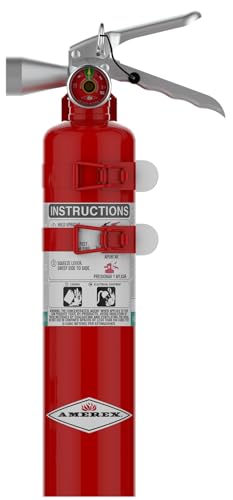
Durable design with drawn steel cylinders

Chemical & Capacity: Halotron I Clean Agent, 2.5 Pounds

Fire extinguisher ships empty
Preparing for Kitchen Hazards: Class K Fire Extinguishers
When it comes to cooking, there’s nothing worse than a kitchen fire, especially one sparked by oil or fat. These fires can get out of hand quickly, so having a Class K fire extinguisher on hand is crucial. You might not think about it often, but these extinguishers are specially made for high-temperature grease fires commonly found in kitchens.
If you’ve ever wondered how to tackle a cooking fire, here’s the trick: Class K extinguishers use a wet chemical agent. This not only cools down the flames but also creates a barrier between the fire and its fuel, helping to smother it effectively. It’s important to keep your Class K extinguisher in good condition, so make sure you inspect and maintain it regularly.
Still on the fence about this? The best part is that Class K extinguishers are usually easy to spot thanks to their distinct yellow color. Make sure yours is identifiable and easily accessible in your kitchen. Regular checks can ensure they’re functional and up to safety standards.
So, why does this matter? A fire can cause serious damage or worse, injuries, so being prepared is key. Just think about it: Wouldn’t you feel more at ease knowing you have the right safety measures in place while you cook?
In short, prioritize having a Class K fire extinguisher in your kitchen and keep it well-maintained. It’s a simple step that makes a big difference in keeping your cooking space safe. Additionally, pairing your fire extinguisher with a well-stocked trauma kit can enhance your preparedness for any emergency injuries that may arise. What’s your kitchen safety game plan?
Recommended Products


SAFE, CLEAN PROTECTION WITH NO MESS: Unlike dry chemical extinguishers, the HalGuard vehicle fire extinguisher sprays a residue-free liquefied gas that won’t cake, cling, or damage interiors, electronics, or paint. No powder, no corrosion, no messy cleanup. Clean, effective fire suppression for your car, off-road truck, UTV, boat or RV.
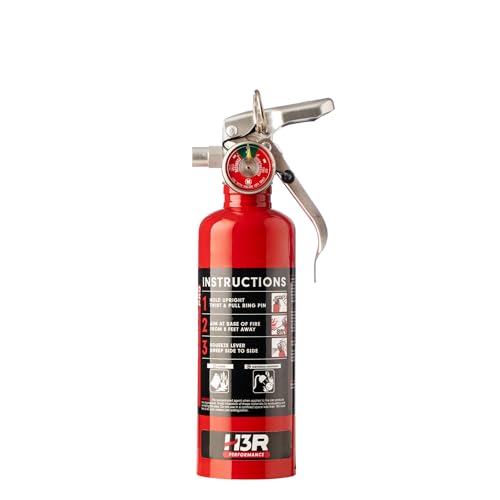
HALON 1211: THE MOST POWERFUL CLEAN AGENT AVAILABLE - Originally engineered for military aircraft and aviation, Halon 1211 is 2x more effective than Halotron and other clean agents. It penetrates hard-to-reach fires with a liquefied gas stream that smothers flames fast without powder, residue, or damage to electronics, paint, or surfaces.
Smart Choices: Multipurpose Extinguishers for Workshops
Choosing the right fire extinguisher for your workshop is no small task, and it’s something you absolutely need to think about. Imagine this: you’re in the middle of a project, and suddenly, a little spark turns into a big problem. That’s where multipurpose extinguishers – often labelled as Class A-B-C – can come to the rescue. They’re great because they tackle ordinary combustibles, flammable liquids, and even energized electrical equipment.
So, what should you look for? A common label like 2A:10B:C gives you solid fire coverage. This basically means it can handle different types of fires that might come up while you’re working on all your awesome DIY projects. Just remember, these extinguishers use dry chemical agents that effectively smother fires and break up their chemical reactions. That’s crucial considering the different fire risks we face in our workshops.
Regular maintenance is a must. You don’t want to find out your extinguisher isn’t working when you really need it. I’d suggest doing monthly checks and getting them serviced at least once a year. It’s a small price to pay to keep your peace of mind while you’re tackling those tough jobs.
And when the time comes to use that extinguisher, keep the PASS technique in mind—it stands for Pull, Aim, Squeeze, and Sweep. It’s super simple and can make a big difference in an emergency. Being prepared also means having access to reliable emergency communication, which can make all the difference during unexpected situations.
Choosing the Right Size Fire Extinguisher
Have you ever thought about how prepared you are for a fire in your workshop? Understanding the right size fire extinguisher is just as crucial as knowing which type you need. It’s all about considering the largest potential fire scenario you might face.
When checking the ratings, you’ll see something like “2A,” which means it covers about 2,500 square feet and can replace roughly 2.5 gallons of water. For Class A and B fires, look for a rating like “1A:10B:C” to see how effective it is and the area it can cover. So, why does this matter? If you work in a place with serious fire hazards, a multipurpose extinguisher is a no-brainer.
Here’s the trick: pick the biggest extinguisher you can handle. Larger extinguishers hold more agent, providing better fire protection. It’s essential to carry out regular assessments of your workspace to ensure you’ve got the right size for your needs. For added safety, keeping a reflective safety gear kit nearby can significantly improve visibility and response during emergencies.
The Importance of Regular Fire Extinguisher Maintenance
Have you ever thought about how prepared you are in case of a fire? Maintaining fire extinguishers is crucial for keeping you and those around you safe. It’s not just about having one; it’s about making sure it’s ready to go if you need it. Regular inspections are a must. You want to ensure these devices are accessible, properly charged, and in good shape.
OSHA has a requirement for monthly visual checks, so let’s make that a priority. Honestly, it’s a simple step that can make a huge difference. Along with this, get a qualified technician to handle annual maintenance. They can assess functionality and ensure everything complies with safety standards.
And don’t forget hydrostatic testing! Depending on the type of extinguisher you have, this should be done every 5 to 12 years. It checks for leaks or ruptures, which can be critical in an emergency.
Here’s a tip: keep your fire extinguishers clean and free from obstructions—aim for at least 18 inches of clearance from the floor. It’s easier to grab a properly placed extinguisher when you really need it. A well-maintained extinguisher can work effectively 80% of the time when it counts. So, take this maintenance seriously.
In short, paying attention to your fire extinguishers can save lives and property. Are you up to the task of keeping your emergency equipment in top shape?
Best Practices for Storing Fire Extinguishers in Your Workshop
Storing fire extinguishers in your workshop isn’t just about having them on hand; it’s about making sure they’re easy to grab when it counts. Think about it—what good is a fire extinguisher if it’s hidden away or hard to reach? To stay safe, keep your Class B and Class C extinguishers within 75 feet of any potential fire hazards. Accessibility is key here; you want everyone to be able to get to them quickly.
Hang your extinguishers at a height that’s easy to access, preferably with the handle between 3 and 5 feet off the ground. You’ll be surprised at how much this small detail can make a difference during an emergency. Plus, don’t forget about visibility! A clear sign pointing to where the extinguishers are will help everyone know exactly where to look in case of a fire.
Regularly checking your extinguishers is just as important. You should ensure they’re fully charged and free from any obstructions or damage. A simple visual inspection every month can go a long way in ensuring everything’s in good shape. So, when was the last time you checked?
Another aspect that’s just as crucial is training. Make sure everyone knows how to use all types of extinguishers, including Class D for metal fires. Fire safety training sessions can be a great opportunity to familiarize everyone with how to act in an emergency.
In a nutshell, ensure your fire extinguishers are accessible, visible, and regularly maintained. Have you thought about the training that’s needed to make sure everyone knows what to do? Keeping your workshop safe doesn’t have to be complicated; it just takes a bit of planning and effort. Using maintenance functionalities similar to those found in battery chargers can help prolong the life and effectiveness of your extinguishers.
Frequently Asked Questions
What Type of Fire Extinguisher for Workshop?
For workshop safety, we need Class A, B, and C extinguishers, ensuring optimum fire prevention. We’ll regularly check extinguisher locations and equipment maintenance, while training employees on fire hazards and emergency plans to meet compliance regulations.
What Are the 5 Types of Fire Extinguishers and Their Uses?
Imagine choosing the right tool for a fix; we must also select our fire extinguishers wisely. There are five classifications: A, B, C, K, and multipurpose, each with specific usage guidelines for common fire hazards.
How Do You Determine Which Type of Fire Extinguisher to Use?
To determine the right extinguisher, we conduct a fire risk assessment, identifying hazards. We guarantee proper maintenance, provide employee training, and follow regulatory compliance to enhance workplace safety and effective emergency response and fire prevention strategies.
What Are the 5 Abcd and K Classifications For?
The ABCD and K classifications help us choose extinguishers wisely for different fires—A for combustibles, B for flammables, C for electrical, D for metals, and K for cooking oils. That’s essential for effective fire prevention strategies!


