
Are you feeling the pressure to get your prepping game on point without breaking the bank? Trust me, you’re not alone. With so many priorities competing for your budget, it can be tricky to figure out what really matters.
To kick things off, take a good look at what you already have. Make a list of the essentials you need, focusing on the basics: water, non-perishable food, and a simple first aid kit. These items are the backbone of any preparedness plan.
Here’s the trick: buying in bulk can save you a lot of cash. Keep an eye on local sales and promotions, and don’t hesitate to stock up when prices are right.
Also, consider connecting with local prepper groups. Sharing resources and ideas can stretch your budget even further and help you learn from others’ experiences.
What’s the best part? You can build a solid preparedness plan without spending a fortune. It’s all about prioritizing and getting creative with your resources.
So, as you map out your strategy, consider what matters most to you. Are you ready to take action on your preps, even if it means starting small?
It’s the steps you take today that will set you up for success down the road.
Key Takeaways
- Assess your current supplies to identify essential preps that are missing or need replenishment, focusing on priorities like food and water.
- Create a budget plan that prioritizes must-have items and strategically incorporates discounts, bulk purchases, and sales.
- Utilize a FIFO system to manage resources, ensuring older items are used first to reduce waste and save money.
- Join local prepper groups for resource sharing, collective purchasing, and learning best practices to enhance your prepping strategy.
- Regularly review and adjust your prepping plan based on available sales, community resources, and your evolving needs.
Why Budget Prepping Is a Smart Move

Have you ever thought about what would happen if an emergency struck suddenly? Budget prepping is a smart move to help you get ahead of any unexpected situation. It’s all about managing your resources wisely and relying less on others for help.
To get started, focus on essential items like water, food, and first aid supplies. This way, you can gradually build your stockpile without breaking the bank. Here’s a tip: keep an eye out for sales and discounts. Stocking up on non-perishable food in bulk can really slash your grocery bills, saving you cash for other needs.
Also, consider adopting a first in, first out (FIFO) system for your food. This means using the oldest items first to cut down on waste. You want to make sure every penny counts, right?
Another way to stay frugal is by joining community prepper groups. These groups often share resources, which can help you save money while also connecting you with like-minded folks. You might even find someone who can share their extra supplies or skills, which is a win-win!
Meal planning can go a long way too. When you know what you’re going to eat for the week, you can better manage your inventory and avoid impulse buys. Honestly, it helps keep you prepared and saves you time and money in the long run.
Don’t forget to invest in durable water storage containers that are leak-proof and easy to transport, ensuring you have safe water storage when you need it most.
In a nutshell, budget prepping is about being smart with what you have. Why not start today? You never know when you might need it!
Essential Steps for Budget Prepping

Are you ready to tackle budget prepping but don’t know where to start? It can feel overwhelming when you think about all the supplies you might need and the various local emergency risks. The first thing to do is take a good look at what you currently have. Assess your resources to figure out what supplies might be essential.
Once you’ve got a handle on that, it’s time to map out a prepping plan. Focus on the must-have items: water, non-perishable food, and a solid first aid kit. Creating a list will really help you stay organized. Now, here’s the trick: when you’re setting your budget, look for sales, check for discounts, and consider making bulk purchases. This way, you can stretch those dollars further and get more for your money.
Another key item to keep in mind is how you manage your food supplies. Using a first in, first out (FIFO) system will help you keep track of what needs to be used first, minimizing waste and ensuring you’re always using the freshest items available.
Don’t forget about the power of community. Engaging with local prepper groups is a fantastic way to share resources and learn from one another. Honestly, this can really enhance your prep without breaking the bank. Including a well-stocked first aid kit is also crucial for handling minor injuries effectively during emergencies.
Recommended Products

PRE-FILLED & READY TO DISTRIBUTE – Designed for schools, nurse offices, and nonprofit programs. Each kit comes fully assembled with 1 tampon, 1 maxi pad, 2 feminine wipes, and 1 alcohol cleansing wipe—saving your staff and volunteers hours of manual assembly, sorting, and repacking.
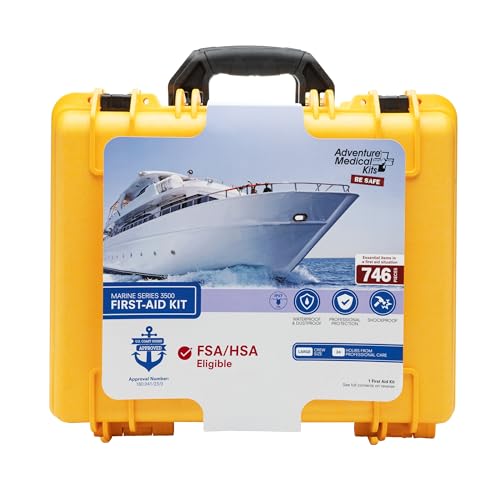
Coast Guard Approved First Aid Kit: Coast Guard Approval #160.041/23/0 ensures this marine first aid kit meets rigorous maritime safety standards

Pro Series Design: Equipped with hospital-quality tools, this professional first aid kit ensures preparedness for backcountry emergencies
Top Budget Supplies to Begin Your Prepping

How prepared are you for an emergency? With so much uncertainty in the world, having the right supplies on hand can make all the difference. If you’re worried about costs, don’t fret! Building your prepping stash on a budget is totally possible.
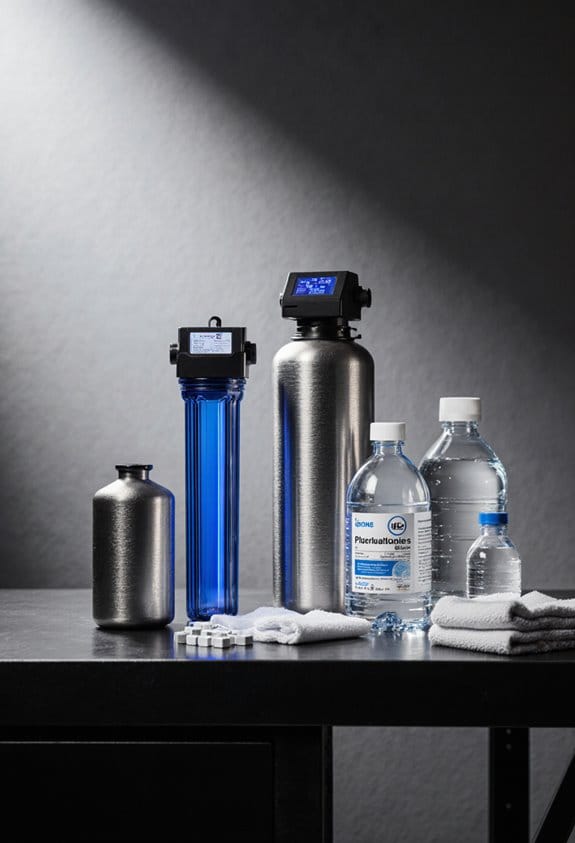
Start by thinking about water storage. You should aim for at least one gallon per person per day for a minimum of three days. This isn’t just a recommendation; it’s a basic necessity. The best part is, you can often find affordable containers or even repurpose jugs from grocery stores to store water.
When it comes to food, check out bulk bins at your local grocery store or warehouse club. Stock up on non-perishable items like canned goods, rice, and dried beans. These foods pack a good amount of calories and can keep you fueled during tough times. It’s wise to create a variety of choices, so you’re not stuck eating the same thing every day.
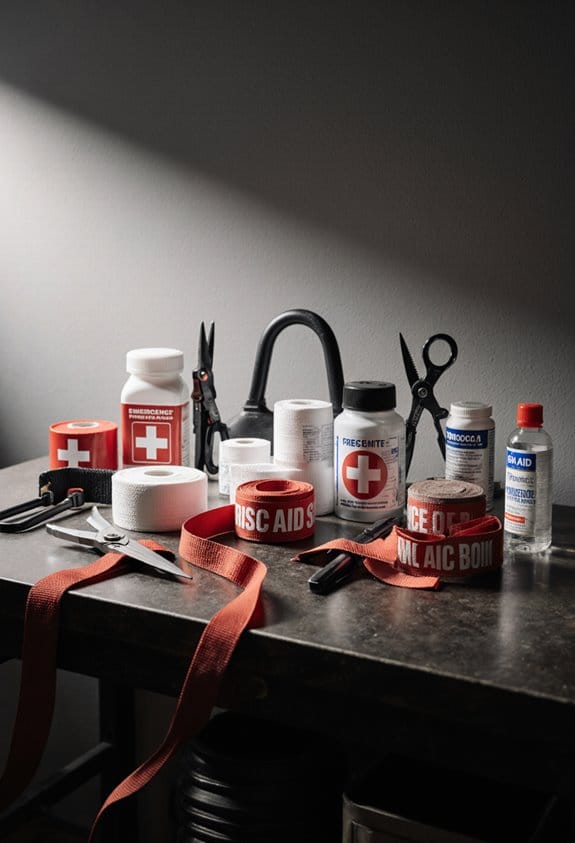
Don’t forget about a first aid kit! You’ll definitely want one with the essentials—things like adhesive bandages and antiseptic wipes. A well-rounded kit can really come in handy for minor injuries and will give you peace of mind.
Warmth is another priority, so consider investing in blankets or sleeping bags. Emergency shelter is something many people overlook, but you never know when it might come in handy. Keeping warm can be a big deal during tough situations.
Lastly, you’ll want to gather some basic tools. Having a flashlight and batteries on hand can significantly boost your safety and readiness when the unexpected occurs. It’s a simple step, but it can really enhance your preparedness.
For water storage, choosing BPA-free containers ensures your water remains safe and uncontaminated over time.
Recommended Products

1-Hour Class 350 Fire with Impact UL label. Tests include 1 hour exterior file exposure at 1700°F, a 2000°F explosion test, and a 30 foot drop to test impact integrity. Made in USA
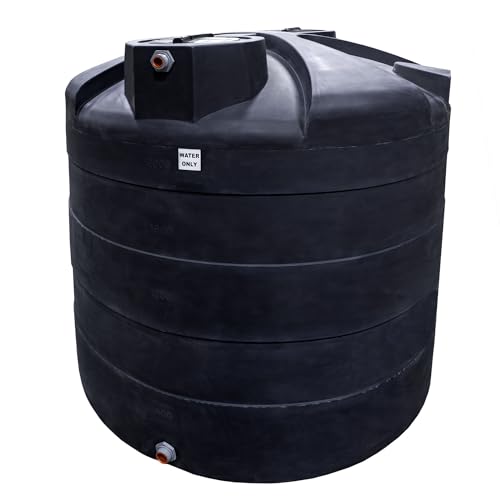
RELIABLE LONG-LASTING VERTICAL WATER STORAGE: The Elkhart Plastics 2500 Gallon Water Container is designed for a wide range of applications; Vertical tanks are versatile for bulk water, well water storage, rainwater collection, and fire suppression

Tight Turning: Engineered for the tight spaces, this pallet jack features 60" turning radius and a Creep Speed (Turtle) mode. This allows the pallet jack to operate with the handle in a fully vertical position, providing maneuverability and safety in narrow aisles and crowded retail floors.
Developing Practical Skills for Cost-Effective Prepping
Have you ever thought about what you’d do in an emergency? It’s something many of us don’t consider until it’s too late. But building practical skills can make a big difference—especially when it comes to cost-effective prepping.
One simple and effective way to prep is by learning food preservation techniques. There are plenty of free resources online, and community classes can also provide hands-on experience. Imagine being able to can or dehydrate fruits and vegetables from your garden! Not only does this help you save money, but it also keeps food fresh and reduces waste.
Gardening is another crucial skill you can develop. Growing your own food might seem daunting at first, but it’s worth the effort. Over time, you’ll see a drop in your grocery bills, and there’s something really satisfying about eating food you’ve grown yourself. Plus, you get to enjoy seasonal produce, which you can preserve using canning or dehydrating methods. So, why not give it a shot?
Mastering basic survival skills is equally important. Knowing how to build a fire, set up a shelter, or navigate using a compass can boost your self-reliance. The best part is, you don’t need fancy gear or expensive classes to get started. There are countless free resources available to help you build these life-saving skills.
Honestly, the key is to keep practicing consistently. Regularly honing these skills will prepare you for unexpected situations without putting a strain on your finances. Additionally, having access to reliable emergency water filtration systems is essential for ensuring safe drinking water in crises.
In wrapping things up, investing your time into building practical prepping skills can lead to greater confidence and readiness. What skills are you thinking about working on, and how do you plan to get started?
How to Maximize Your Budget With Sales and Discounts
Struggling to stretch your budget while meal prepping? You’re definitely not alone. It can feel overwhelming trying to figure out how to save money without sacrificing quality. Fortunately, there are some straightforward strategies you can try that really make a difference.
Start by checking out local grocery store sales and weekly circulars. This is essential to align your meal prep with discounted items. You might be surprised at how much you can cut costs on the staples you always need. Keep an eye out for deals like buy-one-get-one-free offers and bulk purchase discounts—especially on non-perishable goods. These little tricks can help bring your overall spending down significantly.
Another tip? Consider using price tracking tools. These handy tools can alert you when prices drop on items you buy regularly. By taking advantage of these alerts, you can stock up on essentials while they’re still affordable. Plus, signing up for loyalty programs and collecting coupons can really add up too. Many people report saving around 30-40% just by doing this, which is pretty impressive!
Seasonal sales on fresh produce are also worth monitoring. You can enhance your meals with a variety of fruits and veggies, all while keeping an eye on your budget. So, why does this matter? Eating fresh can not only improve your meal prep but also bring in some beautiful colors and flavors to your dishes, making healthy eating more enjoyable.
To wrap it all up, keeping an eye on sales, using price trackers, and signing up for loyalty programs can truly help you stick to your meal prep budget. Additionally, being prepared for unexpected situations by having a roadside emergency kit in your vehicle can save you time and stress, just like meal prepping on a budget. When was the last time you checked for deals? It’s time to give it a shot!
Recommended Products

RICH IN CALORIES & NUTRIENTS: These meals deliver over 2,000 calories every day. Get 180,840 total calories and 3,966 total grams of protein in each kit. More than enough to survive day to day! Plus, these foods provide 100% of the recommended daily value of 12 essential vitamins and minerals.

HIGHEST CALORIES PER SERVING – Legacy’s 120-serving survival food bucket delivers 48,640 total calories, featuring 12 entrees and 4 breakfasts at one of the lowest cost per pound of food available.

External: 32.7" x 18.4" x 14.6", Internal: 27.9" x 13" x 10", Weight 27.2 lbs
Building Community Connections for Shared Prepping Resources
Building Community Connections for Shared Prepping Resources
Ever felt overwhelmed by the cost of prepping? You’re not alone. A tight budget can make it tough to stock up on supplies. But there’s a way to ease that burden while strengthening bonds with others who share your goals.
Creating a community of like-minded folks can be a huge help. By pooling resources together, you can score some great deals on bulk purchases, and everyone wins. This isn’t just about saving money; it’s about building relationships and sharing experiences. When you team up with others, you open the door to valuable skill-sharing and insights.
Why should you bother? Well, consider this: when different people come together, they bring unique skills and knowledge to the table that can make your prepping strategies even better. You could find someone who’s great at gardening, another who knows about water filtration, and yet another who’s skilled in first aid. Learning from each other can strengthen your overall prepping game.
Try this: seek out local prepping events. These gatherings are fantastic for meeting others in your area. You’ll find opportunities to engage in collective projects and exchange ideas with people facing similar challenges. Honestly, it’s refreshing to talk to others who totally get it.
The best part is that these connections can lead to long-lasting friendships and support networks. Plus, working together makes projects more manageable and fun! As you collaborate, you’ll discover affordable ways to prep and access shared knowledge that can be a lifesaver.
So, let’s focus on supporting one another in our journeys. It’s not just about stockpiling food and supplies—it’s about creating a community that looks out for each other. Incorporating reliable communication devices can further enhance safety and coordination within your prepping group.
In the end, remember: prepping doesn’t have to be a solo venture. How can you start building connections in your own prepping community?
Frequently Asked Questions
How to Meal Prep on a Tight Budget?
Meal prepping on a tight budget can save us over $100 monthly. Let’s focus on bulk buying pantry staples, planning grocery lists around seasonal produce, and using cost-effective proteins for simple meals that freeze easily.
What Is the Framework for Budget Allocation?
We can create a budget allocation framework by defining categories for essential items, performing cost analysis, setting spending limits, tracking expenses, and adjusting our resource allocation strategy to meet savings goals while maintaining financial flexibility for priority purchases.
What Is the 70 20 10 Budget Rule?
Think of budgeting as a sailboat; we trim our sails to navigate smoothly. The 70 20 10 rule balances income streams: 70% essentials, 20% savings goals, 10% discretionary, guiding our financial planning and economic habits.
How Do You Prioritize When Budgeting?
We prioritize essential expenses first, aligning them with our financial goals. Next, we focus on savings growth and emergency funds, while strategically planning discretionary spending, debt management, and cost cutting measures for smarter lifestyle choices and investment strategies.