

Have you ever thought about how crucial safety is in shared family garages, especially for teens? It’s not just about having the right tools; it’s about creating a responsible environment where everyone can feel secure while learning.
Trust me, nothing’s worse than a preventable accident that could’ve been avoided with a little planning and care.
Setting up some ground rules can really make a difference. First off, supervision is a must when teens are using tools. Aim for a 1:1 adult-to-teen ratio in areas where things can go a bit sideways, like when power tools are involved.
Always insist on wearing personal protective equipment—safety glasses and gloves are essential. Make it a habit so it becomes second nature.
How can you make the garage safer? Using a color-coding system for different zones is a smart idea. Think of it this way:
- Red for high hazard areas where access is restricted.
- Yellow for spots that require adult supervision.
- Green for places where it’s safe to explore a bit.
Finding time to regularly inspect the garage can be a game-changer. You can involve teens in safety discussions to get their input and make sure they understand the risks.
Practicing emergency drills will also prepare everyone for the unexpected.
Frankly, it’s all about cultivating an atmosphere where safety is everyone’s responsibility. With a few guidelines, you can ensure the garage becomes a great space for learning and creativity, rather than a dangerous zone.
So, what steps are you ready to take to promote a safer workshop environment for your family?
Key Takeaways
- Establish clear zones using a three-color system to indicate safe (Green), supervised (Yellow), and hazardous (Red) areas in the garage.
- Always wear appropriate personal protective equipment (PPE) such as safety glasses, gloves, and steel-toed boots when working in the garage.
- Maintain a 1:1 adult-to-teen supervision ratio when operating high-RPM tools or handling hazardous materials to ensure safety.
- Conduct regular garage inspections and involve teens in identifying potential hazards to promote accountability and safety awareness.
- Practice emergency drills regularly and ensure all members are familiar with the garage layout and first-aid procedures for effective response.
Why Workshop Safety Is Crucial for Teens
When you think about workshops, how often do safety concerns come to mind? It’s crucial to prioritize safety in these spaces, especially when working with teens. Workshops can pack a punch with hazardous materials and sharp tools that’re just waiting to cause trouble. Here’s the deal: to keep everyone safe, we need to set clear standards for safety that everyone follows.
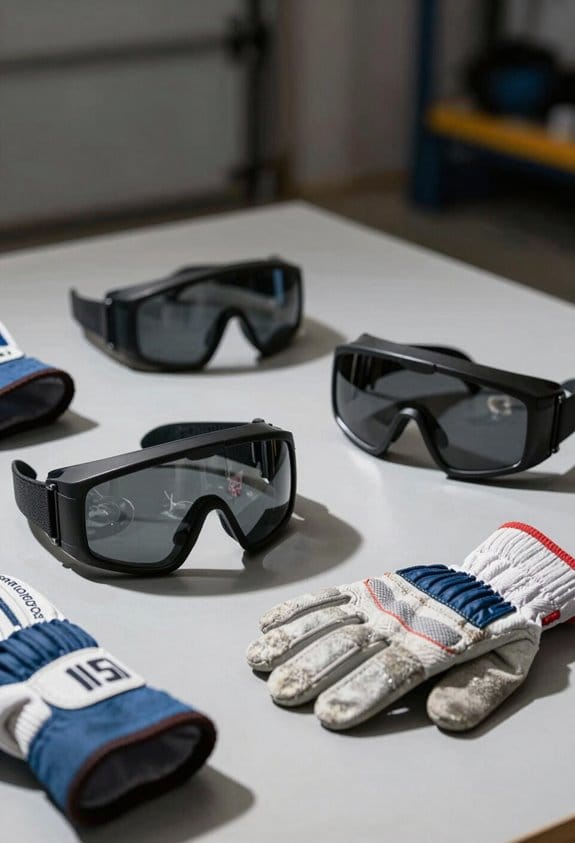
One of the easiest ways to reduce injury risks is by wearing personal protective equipment. Each time you step into the workshop, don’t forget your goggles and gloves. It seems simple, but it really makes a difference!
Another tip is to define clear rules regarding tool usage. So, why does this matter? Because maintaining a safe environment is essential, it’s not just about being cautious—it’s about being smart. Supervision also plays a key role; make sure teens are paired with an adult during operations to guide them and keep an eye out for any potential hazards.
Regular safety talks are a great way to build confidence and awareness. When everyone knows what to look out for, they’re more likely to recognize risks and respond appropriately. Honestly, it’s a win-win for all involved.
To wrap it up, keeping safety at the forefront in workshops is non-negotiable, especially for teens. It’s about helping them navigate these settings safely. Using two-way radios can also improve communication and quick response in case of emergencies. What steps are you ready to take to enhance safety in your workshop?
Essential Rules for Safe Tool Usage and Supervision

Are you worried about safety in the workshop when teens are tooling around? It’s essential to create strict rules for using tools and supervising young people. One of the biggest safety measures we can implement is making sure there’s always an adult supervising teens when high-RPM tools or hazardous materials are involved.
Picture this: you’re in the garage, and you’re ready to start a project. Make it a rule that there’s a 1:1 adult-to-teen ratio in any areas that pose significant hazards or have chemical storage. This way, you’ll be keeping everyone safe and sound. When your teen is eager to use tools in the Yellow Zone, remind them to ask an adult for verbal permission first.
Safety gear isn’t just a suggestion—it’s a must. Always have them wear proper personal protective equipment like safety glasses and gloves. Seriously, it’s a small step that makes a big difference in keeping those precious eyes and hands protected.
And here’s a tidbit you can’t overlook: regular education on safe tool handling really pays off. Teaching teens about the risks associated with each tool instills responsible habits and keeps the whole garage operation safer. Honestly, creating a culture of safety ensures everyone enjoys their projects without unnecessary worries.
Additionally, having an emergency signaling device such as a signal mirror readily available can enhance safety by enabling quick communication if an incident occurs.
Recommended Products

DESIGNED FOR: The Army Leather Heli Ski was designed for freeriders, professional mountain guides and patrollers, ski instructors and others who place high demands on function, fit and durability

[ 15 Hidden Pockets For Travel ] - Featuring over 10 concealed pockets this low profile men's travel vest can hold all of your essentials while traveling working hiking fishing golfing or simply running a few errands

UNMATCHED IMPACT PROTECTION: ExoShield Goalkeeper 3/4 Pants absorb up to 90% of impact; Made with 5mm Poron XRD Extreme Impact protection pads on knees; Armored with 7mm polyurethane foam pads for hip and thigh protection; Prevents bruises, cuts and contusions; Ideal for soccer and heavy-duty sports
What Personal Protective Equipment (PPE) Is Essential for Garage Safety?

Garage safety is something we often overlook, but it’s vital. So, let’s talk about Personal Protective Equipment (PPE) you absolutely need to keep yourself safe while working on your projects.
First off, safety glasses are a must. You never know when something might fly up and hit you in the eye. Whether you’re cutting, drilling, or even just rummaging through tools, protecting your vision should be your top priority.
Next, think about your hands. Durable gloves are your best friends when you’re dealing with sharp tools or rough materials. This isn’t just about comfort; it’s about keeping those fingers intact and avoiding nasty cuts. Plus, there are gloves designed for different tasks, so make sure you grab the right pair for the job.
And let’s not forget your feet. Steel-toed boots are essential, especially if you’re lifting heavy objects. Believe me, that little bit of extra protection can make a big difference if something slips or falls. You want to keep your toes safe!
If you’re going to be running any loud machinery, hearing protection is critical. Over time, exposure to high noise levels can really damage your hearing without you even realizing it. Earplugs or earmuffs should definitely be part of your routine whenever you’re working with power tools.
Working next to moving vehicles? High-visibility vests will keep you seen. It’s easy to get caught up in your task and temporarily forget your surroundings. Wearing bright colors ensures that drivers and other people in the garage can spot you from a distance.
Also, selecting safety glasses that meet ANSI Z87.1 standards ensures your eyes are protected by reliable, industry-tested gear.
So, why does this matter? These simple pieces of gear can prevent serious injuries and make your garage a safer place to work. It might feel like an extra step, but you’ll thank yourself later for taking the time to gear up.
Recommended Products

LIGHTWEIGHT: Unisex protective eyewear combines versatility and value with a comfortable, contoured fit

Safety goggles for women and men with an adjustable head strap for a secure and comfortable fit

168 PACK PASSION VALUE SET - Ptcol Safety Glasses Have 7 Colors Frame, Provide More Color, More Number of Goggles at a Fraction of the Price. The Package Contains 6 Boxes (with 28 Pairs of Glasses in Each Box) and Every Pairs of Glasses are Individually Packaged in the Bag
How to Create Restricted Access Zones for Enhanced Safety
Creating Restricted Access Zones in your garage is super important for keeping your family safe. You might think, why does this matter? Well, it can mean the difference between a fun project day and a trip to the emergency room.
One easy way to do this is with a simple three-color system that clearly marks safe versus dangerous areas. Let’s break it down:
- Red Zone: This area indicates hazard. It’s where all the dangerous activities happen. If your kids are going to be around this zone, supervision is absolutely crucial. You want a strict 1:1 adult-to-child ratio, and don’t forget the personal protective equipment (PPE). It’s non-negotiable here.
- Yellow Zone: This is a bit of a gray area. While it contains tools and equipment, it’s not as risky as the Red Zone. You can allow teens in here but with supervision. It’s a good idea to also get verbal permission for younger kids to come in.
- Green Zone: Think of this as the chill zone. It’s where all the recreational gear and general storage are located. Children can freely roam here and explore without worry. To make them feel at ease, let them know it’s their safe space.
Regular check-ins and assessments of these zones will keep everything secure and adjusted to any new developments. Remember, keeping your garage organized and clearly marked not only sets rules but teaches everyone about safety responsibilities. Additionally, having quick access to weather-resistant materials in emergency shelters can inspire how you design durable and safe zones even in adverse conditions.
Recommended Products

Extra-Large 20x40 Carport: Spacious design fits multiple full-size cars, trucks, or boats, while serving as a multi-purpose outdoor canopy for parties, weddings, commercial events, and as durable storage for tools, goods, and farm equipment

LUXURY AND COMFORT - Enjoy the warmth of LuxHeat's easy to install electric floor heating system. Electric floor heating promotes individual room control, ensuring personal comfort. Kit includes: 1x LuxHeat 200sqft (240volt) heating cable, 1x 221sqft Prova Flex-Heat uncoupling membrane, 1x Wi-Fi Programmable Touchscreen thermostat (UWG4-4999), 1x alarm, 1x floor sensor (included with Thermostat), and 1x wood float, for decoupling membrane install

LUXURY AND COMFORT - Enjoy the warmth of LuxHeat's easy to install electric floor heating system. Electric floor heating promotes individual room control, ensuring personal comfort. Kit includes: 1x LuxHeat 150sqft (120volt) heating cable, 1x 170sqft Prova Flex-Heat uncoupling membrane, 1x Programmable Touchscreen thermostat (UDG4-4999), 1x alarm, 1x floor sensor (included with Thermostat), and 1x wood float, for decoupling membrane install.
Communication Strategies for Teaching Safety Awareness
Teaching kids about safety in the workshop? It can be tricky, but clear communication makes all the difference. You want to lay down the safety rules in a way that everyone gets what’s at stake. Sure, you can throw around the whole “safety first” mantra, but what does that really mean for your crew? Regular safety meetings before diving into any project are a great way to keep those safe practices fresh in everyone’s mind.
Create an atmosphere where teens can ask questions without hesitation. Seriously, how else will they learn? Having open conversations lets them voice their concerns, ensuring they understand the importance of those safety rules. A buddy system? Definitely a smart move. Pairing each teen with an experienced adult or peer not only enhances supervision but also strengthens communication about using tools that can be pretty dangerous.
Visual aids can also do wonders. Think about posters that lay out a simple, three-color zone system. These can help everyone quickly recognize which areas in the garage are safe and which ones require caution. And let’s not forget about proper maintenance; regularly inspecting the garage is key to keeping it safe. Using magnetic wrench organizers to keep tools neatly arranged and easily accessible can further reduce risks by preventing clutter and misplaced wrenches.
Organizing Your Garage for Safety and Efficiency
Have you ever walked into your garage and felt overwhelmed by the mess? It can be a daunting task to tackle, but organizing your garage not only makes it more efficient; it also creates a safer space for you and your family.
To boost safety, consider a three-color zone system. The Green Zone can be for your recreational gear, while the Yellow Zone is perfect for tools. Keep hazardous chemicals in the Red Zone. Taking these simple steps can reduce risks and make finding what you need easier.
Try this: Store sharp items and heavy tools in locked cabinets or out of reach on high shelves. Keeping them away from curious hands helps prevent accidents. And don’t forget to declutter regularly. Use labeled bins so everything has a specific place, which cuts down on the chaos.
Here’s the trick: Always maintain clear pathways in your garage, and take a moment to inspect the floor for any tripping hazards. Applying durable coatings can certainly help, too—they improve traction and can resist spills, making your garage much safer overall.
Regularly setting aside time to organize will not only enhance safety but also improve efficiency while you’re working on projects. Honestly, a tidy garage can make all the difference when you’re trying to focus on your next big task.
Additionally, using a tool belt with multiple pockets can keep essential tools organized and within reach, reducing the need to search for them and keeping your workspace safer.
Recommended Products
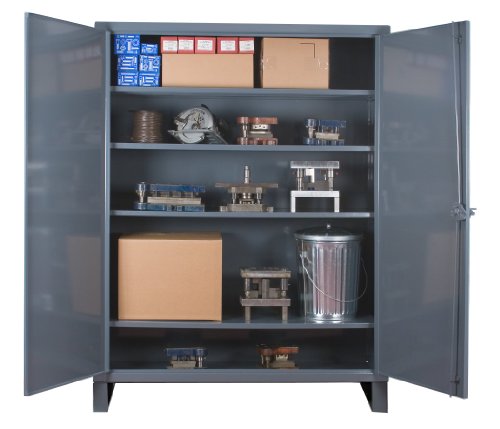
Extra heavy duty all welded 12 gauge steel construction
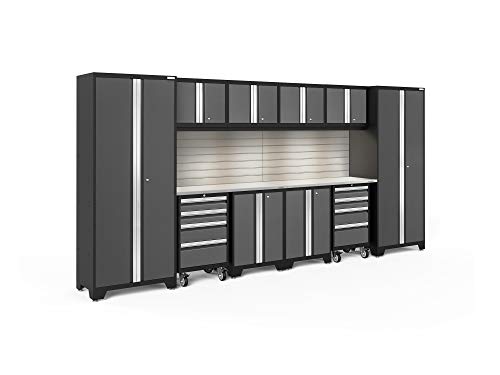
Set Includes: 2x Multi-Use Lockers, 2x Rolling Tool Drawer Cabinets, 2x Two-Door Base Cabinets, 4x Wall Cabinets, 2x 48 in. Stainless Steel Worktops, 2x 48 in. Backsplash Kits, 1x LED lights with power adapter and 3x LED Lights with Connector Cable

HMC High security tubular locking system
Keeping Your Garage Safe With Regular Check-Ups
Have you ever stepped into your garage and felt a twinge of dread? With all those tools, hazardous materials, and equipment lying around, it can easily turn from a workspace into an accident waiting to happen. That’s why regular check-ups of your garage tools and equipment are not just a good idea; they’re essential for keeping things safe.
Scheduling monthly inspections is a smart approach. This way, you can catch any wear or damage before it leads to an unfortunate mishap. During these inspections, take a moment to check your storage. Ensure that cleaning supplies and anything hazardous are secured properly. No one wants a spilled can of paint or dangerous chemicals lying around, right?
Now, let’s talk about your garage door—specifically its safety features. It’s important to test the auto-reverse mechanism. If something gets in the way when the door is closing, you want to be sure it reverses correctly to avoid injuries.
Keeping your garage floor clean and clutter-free is another easy way to reduce tripping hazards. Are those tools lying around really worth the risk? I think not.
Educating one another about the importance of routine garage inspections can really make a difference. Frankly, fostering a culture of safety not only helps you but also creates a supportive environment where everyone looks out for one another.
Additionally, using lockout tagout kits can help ensure dangerous equipment stays safely inoperative during maintenance or storage to further prevent accidents.
Recommended Products

Industrial Grade LOTO Station - 19 gauge powder-coated LOTO kit station with (12) firm ABS shackle holders, abrasion-resistant lockable cover with 2 keys, transparent acrylic window, keeps lock out tag out devices safe from loss and damage; each lockout station is keyed differently

Industrial Grade LOTO Station - (105) multifunctional lock out tag out devices, including an ultra-durable lockout tagout kit board made from engineering polycarbonate material with tough transparent lockable cover to protect tools from dirt, prevents unauthorized use of lockout tagout devices

Industrial Grade Lockout Station - (80) multifunctional LOTO kit devices including an ultra-durable 19 gauge powder-coated steel lock out tag out station cabinet with (22) fixed firm ABS shackle holders and (10) extra pieces for customization, (4) spacious pockets for lockout tags; lockout tagout kit station engineered to withstand harsh conditions
Encouraging Responsibility and Accountability Among Teens
To really get teens to take responsibility and understand accountability, it’s crucial to involve them in discussions about safety in the garage. Think about it—creating some straightforward rules for using tools and equipment can go a long way. It’s essential to have adult supervision in the Red Zone where all the action happens. You might even introduce personal protective equipment (PPE) as a must-have when they’re in there.
Assign weekly tasks to your teens to keep things running smoothly. It could be as simple as organizing tools or checking if the locking mechanisms are working. Not only does this help maintain a safe space, but it also encourages them to own their part in the process. Have they ever thought about how teaching younger siblings these safety rules can show respect for boundaries? It’s a great way to promote accountability too.
Now, here’s a little nugget of wisdom: get them involved in regular safety audits. This isn’t just about ticking a box; it teaches them to spot potential hazards. They’ll feel more invested in keeping the garage secure for everyone, which is the ultimate goal. Incorporating carbon monoxide detectors into the garage safety setup can further protect teens from invisible dangers by providing immediate alerts.
Practicing Workshop Safety Drills and Emergency Response in the Garage
You ever think about what would happen if something went wrong in your workshop? Involving teens in safety isn’t just about teaching them how to use tools; it’s also about preparing them for emergencies. Regular safety drills in the garage are key. Everyone should know the layout inside and out, especially the emergency exits for a quick escape if needed.
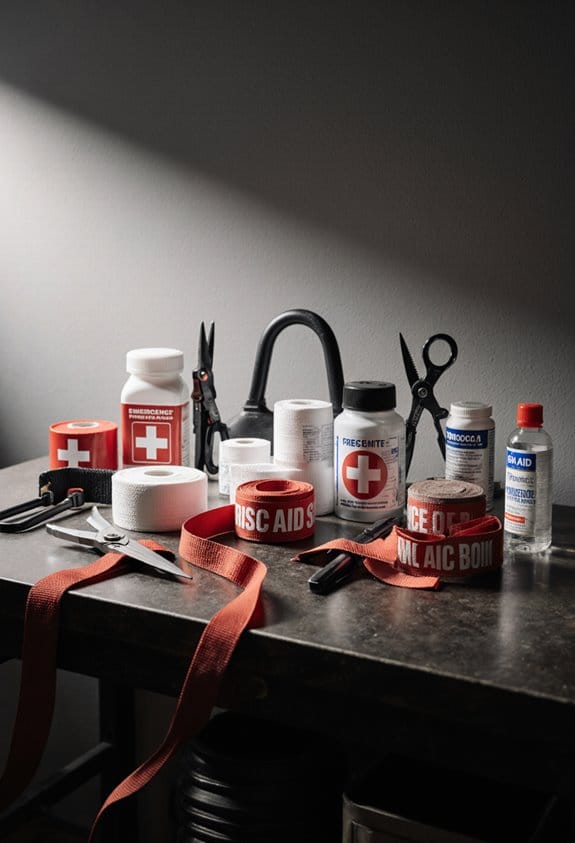
It’s a smart move to make sure each teen knows exactly where the first-aid kit is and how to handle common injuries, like cuts and burns. No one likes to think about accidents, but practicing scenarios—like chemical spills—can make a real difference. Knowing how to contain a spill and report it to an adult is crucial.
Establish clear communication signals and assign roles during these emergency drills. This helps everyone understand their part and reduces confusion when the pressure’s on.
Honestly, reviewing your safety protocols regularly can help too. It’s a chance for everyone to share feedback—what works, what doesn’t, and how to make things clearer or more effective.
Also, having a spill kit handy, complete with absorbent pads, gloves, and goggles, is essential for managing spills safely and effectively in the workshop.
Frequently Asked Questions
What Are the 10 General Safety Rules in a Workshop?
We definitely don’t want any accidents, so let’s remember our safety gear, keep proper lighting, perform tool maintenance, know emergency procedures, and make certain first aid is handy—because a trip to the ER isn’t on our agenda!
What Are the Hazards in the Garage?
In our garage, we face hazards like hazardous materials and chemical exposures, fire risks from flammable substances, tool safety dangers, and ventilation issues. We need to be aware and take precautions to prevent accidents.
What Dangers Could Exist in the Garage?
In a garage, we face dangers like chemical spills, power tools, and sharp objects. Inadequate ventilation can lead to harmful fumes, while clutter increases fire hazards and the risk of accidents. Let’s stay aware and safe together!