
Do you ever feel like your apartment is bursting at the seams, especially when it comes to storing emergency supplies? It can be tough to keep everything organized without making your space feel cluttered. Maximizing vertical space is key here. Think about putting up some shelves or using under-bed storage containers. Those often-overlooked coat closets? They could serve as a mini emergency supply zone.
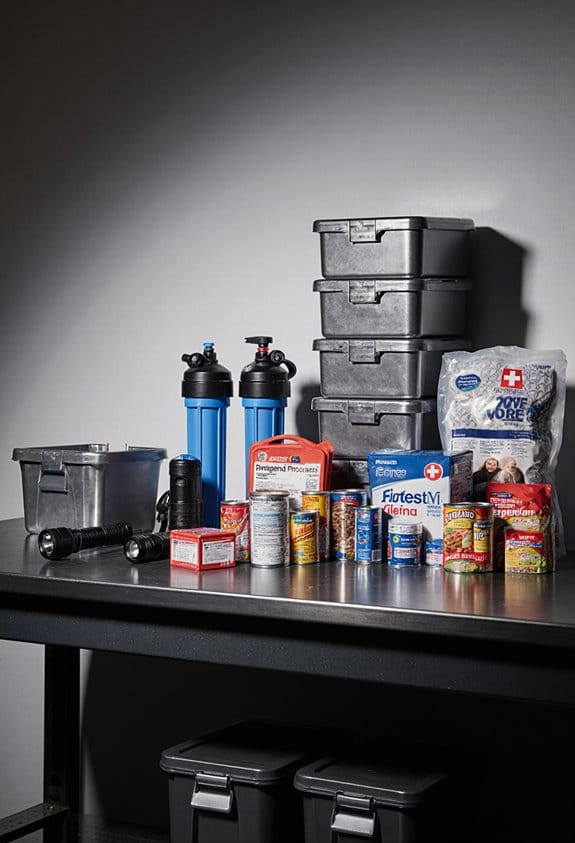
Try this: invest in stackable bins for easier organization. This way, you can keep all your essentials—like food, water, and first aid kits—easily accessible yet tucked away out of sight. It’s about creating a system that works for you.
And don’t forget to regularly check your inventory and expiration dates, so you’re not caught off guard.
Honestly, staying prepared shouldn’t feel overwhelming. A little planning goes a long way, and you’ll find it easier to navigate your supplies when you need them. Think of it this way: being organized not only makes your life simpler but also makes you ready for anything life throws your way.
So, what are some creative storage solutions you’ve tried? Let’s keep the conversation going on how to enhance apartment preparedness together!
Key Takeaways
- Utilize vertical space with shelves and cabinets to maximize storage without cluttering floor areas.
- Transform under-bed spaces and coat closets into organized supply storage zones.
- Invest in multi-functional furniture with hidden compartments for efficient use of space.
- Use clear, labeled containers to categorize and easily identify emergency supplies.
- Regularly conduct inventory checks to manage expired items and optimize storage layout.
Why Apartment Preparedness Is Crucial for Residents

When was the last time you thought about what you’d do in an emergency while living in an apartment? Preparedness isn’t just a nice-to-have; it’s essential. Living in cramped spaces means that a solid plan can make all the difference when things go south.
Start with the basics and make sure you have emergency supplies on hand. You’ll want to gather essentials like water containers and non-perishable food that can last at least two weeks. A good rule of thumb is to aim for one gallon of water per person each day. It’s surprising how quickly supplies can run out, so think ahead and stock up.
Organizing your space is crucial. With limited room, the last thing you want is to dig through clutter when you need something quickly. Make use of vertical space and under your bed for storage. It’s about being smart with your layout and ensuring you can grab what you need in a hurry.
Community matters too. Have you thought about how fostering connections with your neighbors can boost everyone’s preparedness? Working together means you can look out for one another during crises. So, maybe consider hosting a safety chat or sharing tips over coffee.
Including a first aid kit as part of your emergency supplies is a vital step to address minor injuries effectively.
In short, being prepared in an apartment isn’t just about you; it’s about the community you build around you. Think about what you can do now to be ready for whatever might come your way. Are you prepared to take that step?
Identifying Hidden Storage Opportunities in Your Apartment Layout

How can you make the most of your small apartment space for emergency preparedness? It can feel tricky, but with a little creativity, you can store what you need without cluttering your living space.
One great way to start is by maximizing your vertical space. Consider installing shelves in your kitchen and living areas. This lets you neatly organize emergency supplies without taking up precious floor space. Don’t forget about under-bed storage—collapsible containers can be a perfect spot to stash water and non-perishable food out of sight.
Think about transforming coat closets or those odd nooks around your place. These can become dedicated emergency supply areas, making it easier to grab what you need quickly.
Investing in multi-functional furniture can also be a smart move. Ottomans and coffee tables with hidden compartments allow you to keep essential items concealed and easily accessible. The best part is that these pieces can blend seamlessly with your decor.
Regularly check your cabinets and closets, too. You’d be surprised what gets overlooked and how much unused space you have. Just make sure whatever you store is protected from sunlight and heat; those conditions can spoil supplies.
In addition, keeping a supply of water filtered through a high-quality water filter cartridge ensures access to clean drinking water in emergencies.
Recommended Products
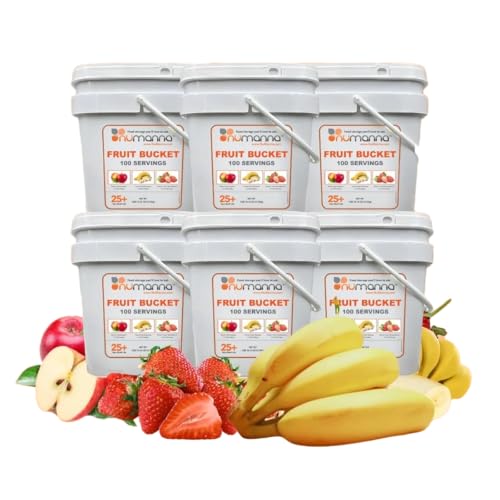
FREEZE DRIED FOOD BUCKET:- NuManna’s new Mega Emergency Freeze-Dried Fruit Bucket is a vital addition to any emergency food supply. With its variety of freeze-dried fruits, including apples, strawberries, and bananas, you can be assured of abundant, tasty, and long-lasting options in any situation. Invest in your peace of mind and preparedness with NuManna’s high-quality emergency freeze-dried fruit bucket

FREEZE DRIED FOOD BUCKET:- Our Emergency Freeze-Dried Fruit Buckets are crafted to maintain the highest quality, nutritional value, and flavor. Each bucket in the Triple Pack is filled with a diverse selection of freeze-dried fruits, including strawberries, apples, and blueberries. These Emergency Freeze-Dried Fruit Buckets are carefully freeze-dried to preserve their essential nutrients and taste, ensuring that you have access to delicious and nutritious options during any emergency situation.

Optimize Vertical Storage: Maximize your vertical space with our YITAHOME tall outdoor storage shed, ideal for organizing garden tools, bikes, pool supplies, and outdoor equipment, ensuring a neat and tidy area with ease
Creative Solutions for Emergency Food Storage in Tight Spaces

Maximizing food storage in small apartments can feel like solving a puzzle. Finding room for emergency food supplies when your space is limited takes some creativity. One handy option is using #10 cans. They stack neatly, so you can easily tuck them away on top of cabinets or even in coat closets.
Here’s a trick: consider collapsible containers for both water and food. They help you save space when you don’t need them. And don’t forget about that often-overlooked space under your sofa. It’s a great spot for keeping essential items hidden away while your living area stays clutter-free.
Modular storage solutions, like stackable bins, can really make a difference in organizing long-lasting, shelf-stable food. The best part is these bins can fit just about anywhere, so you can customize your storage to fit your needs. You might want to set aside some specific shelves or cabinets, such as the ones above your refrigerator. This way, your emergency kit is organized and easily accessible when the need arises.
For water, choosing BPA-free containers ensures safety and helps keep your emergency supply fresh over time.
Must-Have Emergency Supplies for Every Apartment
How prepared are you for an emergency? It’s something we don’t often think about, but when the unexpected happens, having the right supplies can make all the difference. Here’s a simple checklist to ensure your apartment is ready.
Water is your first priority. A good rule of thumb is to have at least one gallon for each person daily. Storing it in collapsible containers can help save valuable space, and it’s surprisingly easy to do!
Next up, food. Aim for around 2,000 calories per person each day with things that won’t spoil easily. Think freeze-dried meals or other lightweight, shelf-stable options. Easy to prepare and store—what’s not to love?
Reliable lighting is crucial when the power goes out. You’ll want options that are portable and effective, like USB lanterns or LED flashlights. Just imagine being able to light up your space and stay safe during a blackout.
Let’s not forget about hygiene. It’s easy to overlook, but having trash bags and portable toilets can help maintain sanitation when you really need it. So, why does this matter? Keeping a clean space can make a tough situation feel a little more manageable.
Lastly, don’t skimp on a well-equipped first aid kit. Having one that’s easily accessible can provide peace of mind when things get stressful. Ideally, you’d want it mounted on a wall for quick grabs.
Additionally, including a spill kit designed for residential use can help you quickly manage unexpected liquid spills safely and efficiently.
In short, preparing your apartment for emergencies doesn’t have to be complicated. With the right supplies, you can feel more secure no matter what comes your way. Are you ready to take the steps to be better prepared?
Recommended Products
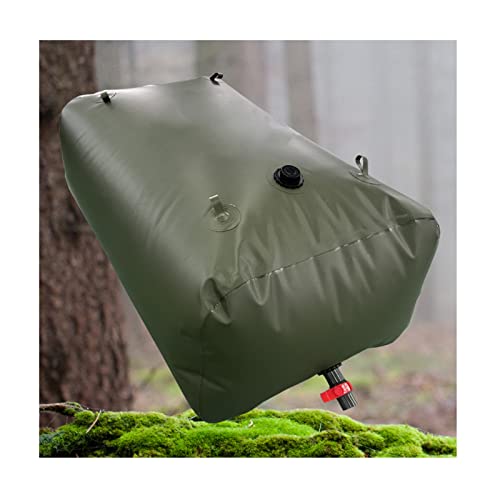
#Good quality and durable : The soft water bag is made of high-density food-grade PVC material, no storage of drinking water, safe and environmentally friendly, resistant to aging, no leakage, high toughness in winter. It can be used repeatedly for a long time.

【Large capacity foldable water bladder】MXQMKL water bladder is made of double-sided PVC mesh cloth. Size: 2 x 2 x 1 m/78.7 x 78.7 x 39.3 in. Capacity: 4000 L/1000 gallons. Weight: 30.2 lbs. The outer diameter of the water inlet is 50 mm, and the inner diameter is 1.5 inches, DN40. The outer diameter of the outlet valve is 32 mm, and the inner diameter is 1 inch, DN25. (The outlet valve is equipped with a water pipe with an outer diameter of 40 mm and an inner diameter of 32 mm)

Heavy Duty 3-Layer 2000D PVC Material:Made of 1/20inch(1.3mm)Thick Double-Sided PVC with Reinforced Mesh Fabric, This Water Bladder Features Excellent Leak, Puncture, Tear and UV Resistance.High-Frequency Welded Seams Enhance Overall Sturdiness.It Works Stably at Temperature from -122°F to 175°F(-50°C to 79°C ),Suitable for Long-Term Outdoor Water Storage and Transportation
Maximizing Vertical Space for Emergency Storage
When it comes to maximizing your apartment space, do you ever feel like you’re missing out on valuable vertical areas? They can be surprisingly useful for emergency storage if you know how to use them. Think about installing tall cabinets or shelving units; by reaching high, you can take advantage of otherwise wasted space and create room for bulk supplies like food and emergency kits.
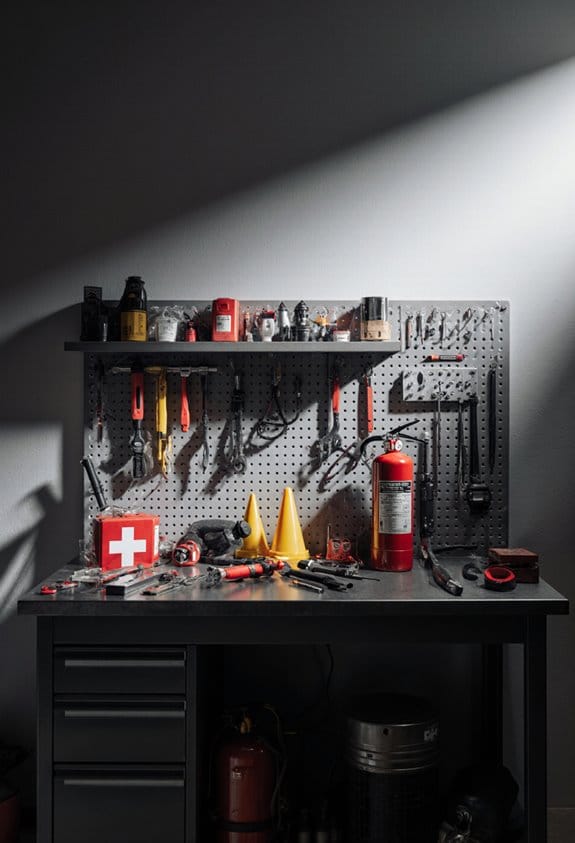
Here’s the trick: stacking bins on these shelves not only keeps everything organized but also makes it easy to find what you need in a hurry. If you’re wondering how to store essential gear without cluttering your drawers, wall-mounted hooks and pegboards are your friends. These simple additions can free up a lot of space and keep your important items right where you can see them.
Don’t overlook over-the-door organizers, either. They offer an awesome way to create extra storage for smaller supplies without taking up valuable floor space. The best part is that you can customize them to fit your needs!
Honestly, maximizing that vertical space helps streamline your emergency prepping efforts while keeping your living area neat and tidy. Plus, incorporating compact and portable energy solutions like portable power stations ensures your emergency supplies remain functional even during power outages. So, as you tackle your storage challenges, why not give these ideas a try? It might just make a world of difference. How do you plan to reclaim that vertical space in your home?
How to Organize Emergency Supplies for Easy Access
How can you be ready when emergencies hit? Getting your emergency supplies organized is one crucial step that can make all the difference. Picture this: you’re facing a sudden situation and you can’t find what you need because everything’s jumbled together. It’s frustrating and can waste precious time. So, let’s talk about how to set things up right.
First off, start by categorizing your supplies. Think about breaking them down into groups like food, emergency water, first aid, and sanitation. By keeping everything organized, you’ll know exactly where to look when something comes up.
One of the best ways to save space is by using vertical storage solutions. Shelves and hooks work wonders for keeping things off the floor and in a visible place. You might have some under-bed space or the top of your closet that’s going to waste—stackable bins and clear containers fit perfectly in those spots.
Labeling is key too. It may sound simple, but clear labels will keep everyone in the loop about where things are stored. And while you’re at it, consider the FIFO (First In, First Out) method for your food supplies. This little trick helps keep everything fresh and ready for use when you need it most.
So, why does all this matter? Well, when emergencies arise, every second counts. Knowing your supplies are organized and ready can give you peace of mind. Also, storing food in Mylar bags with oxygen absorbers helps extend shelf life by protecting contents from spoilage and moisture.
Best Practices for Keeping Your Emergency Inventory Updated
Have you ever found yourself scrambling for supplies during an emergency? Keeping our emergency inventory up to date is really important if we want to be prepared for whatever life throws our way. Here’s the trick: conduct regular inventory checks every six to twelve months. This way, you can keep an eye on expiration dates and make sure your water and canned goods are fresh.
Labeling all your emergency supply containers clearly is another simple yet effective step. It makes it much easier to grab what you need when the pressure’s on. Ever thought about the First In, First Out (FIFO) method? It’s a smart way to ensure you use the older items first, cutting down on waste and keeping your stock fresh.
Don’t overlook the importance of having an updated printed list of your essential supplies. Make sure all household members know where to find everything in case of an emergency. And if you’re into tech, consider setting up some type of inventory tracking system, like digital logs or maps, to easily spot what’s running low.
Truth is, being organized can really make a difference when things get hectic. So, why does this matter? Keeping your inventory updated means you’re not only ready for emergencies but also less stressed when they happen. Including essential medications such as anti-diarrhea medicines in your emergency kit can be crucial for maintaining health during unexpected situations.
In short, regularly checking your emergency supplies and having a solid plan can make all the difference. What’s one step you can take today to get your inventory in shape?
Essential Tips for Apartment Preparedness During Power Outages?
Power outages can happen when you least expect it, leaving you scrambling for basic essentials. So, how can you make sure you’re ready for such surprises? Start by storing enough water—aim for at least one gallon per person per day. Collapsible water containers fit nicely under your bed or in kitchen cabinets, keeping them out of sight but easily accessible when needed.
Creating a stash of emergency food is also crucial. Think about shelf-stable meals and snacks that won’t spoil. You want options you can grab quickly without worrying about using the stove. Don’t forget to stock up on battery-powered fans and emergency lights, like USB lanterns or those long-lasting candles. These will help you stay comfortable and keep your space from feeling pitch dark during the outage.
Now, let’s talk about keeping your gadgets charged. Investing in solar chargers and power banks is a smart move. You’ll be thankful when you’re able to power up your phone or tablet during an outage.
An essential addition to your preparedness is having a well-organized first aid kit accessible, as quick access to medical supplies can be critical during emergencies.
Finally, organizing your supplies makes everything easier to find when the lights go out. Using bed risers or assigning a closet to your emergency gear can streamline your access. This way, you know exactly where everything is when you need it the most.
In short, preparing for power outages doesn’t have to be stressful. Think about the basics you need, keep them handy, and you’ll feel much more at ease next time the lights flicker. Are you ready to take these steps?
Frequently Asked Questions
Where Do You Store Stuff You Have No Place for in Your Apartment?
When clutter’s knocking at our door, we use creative storage solutions! We love multifunctional furniture, leverage vertical space, and organize closets with hidden compartments while utilizing under-bed storage—embracing decluttering techniques for that minimalistic living vibe we crave.
How to Organize Prepping Supplies?
We can organize prepping supplies by implementing supply categorization in emergency kits, using creative shelving and vertical storage, maximizing pantry storage, utilizing under bed solutions, and integrating multi-functional furniture for effective closet organization.
Where to Store Stuff in an Apartment?
We’re not hoarders—just creative storage enthusiasts! Let’s embrace vertical solutions, under bed storage, and multi-purpose furniture. Proper closet organization can hide seasonal items and optimize kitchen efficiency in every hidden space we discover!
How to Store Items in a Small Apartment?
To store items in a small apartment, we can utilize creative storage solutions like vertical space and under-bed storage, incorporate multifunctional furniture, and implement closet organization hacks for seasonal items and optimized kitchen cabinets.