
Ever had that sinking feeling when you smell gas in your apartment? It’s one of those things we don’t think about often, but carbon monoxide (CO) can sneak up on you from everyday sources like gas stoves, water heaters, and even fireplaces. It’s important to know the signs of CO poisoning—things like headaches, dizziness, and confusion can all be red flags.
So, what can you do to keep your family safe? First off, installing CO detectors on every floor is a smart move. Make it a habit to test them each month, just to be sure they’re working.
Also, ensure your appliances are properly vented. This little step can make a huge difference! And remember, never run a generator inside—it’s just not worth the risk.
If your CO alarm goes off, don’t hesitate—get outta there immediately and call for help. It might feel dramatic, but it’s better to be safe than sorry.
Honestly, staying informed about carbon monoxide dangers can really save lives. So, take the time to learn about these hidden sources and preventive measures.
Are you ready to make your apartment a safer place to live?
Key Takeaways
- Common hidden sources of carbon monoxide in apartments include gas stoves, water heaters, furnaces, and fireplaces that require regular maintenance and checks.
- Vehicles running in attached garages can release CO; ensure proper ventilation and avoid idling indoors.
- Install CO detectors on every floor and near sleeping areas to provide early warning of dangerous gas levels.
- Test CO alarms monthly and replace batteries annually; ensure detectors are replaced every ten years for optimal functionality.
- Be aware of CO poisoning symptoms like headache and confusion; seek immediate medical help if these arise during CO exposure.
What Is Carbon Monoxide and Its Risks?
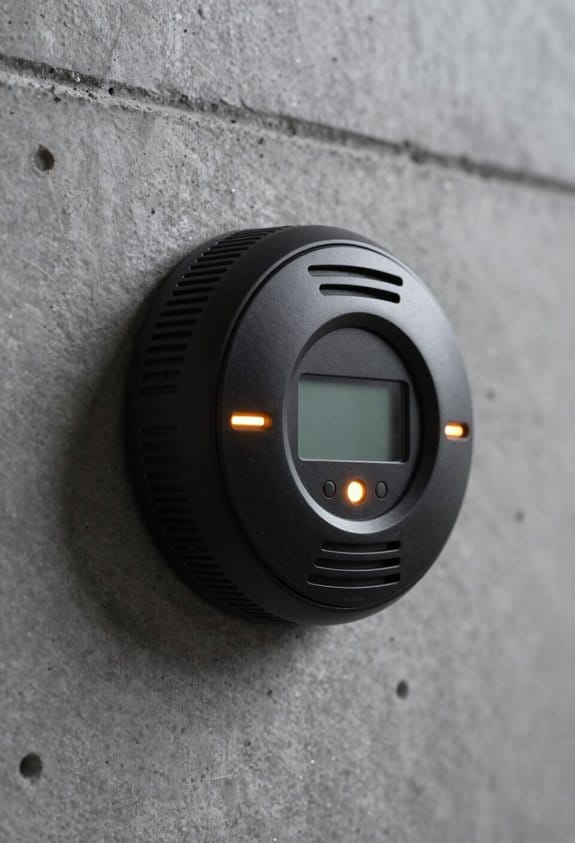
Have you ever thought about what might be lurking in your home’s air? Carbon monoxide (CO) is a sneaky gas that many people overlook, but understanding its risks is super important. This gas comes from burning fuels in everyday appliances like your gas stove or furnace. When there’s poor ventilation or blocked flues, the risk of CO buildup indoors can shoot up.
So, why does this matter? The hidden dangers of carbon monoxide can’t just be brushed off. It’s vital to keep up with regular maintenance on your appliances since faulty ones can leak CO. Make sure you have CO detectors installed throughout your home; they’ll warn you if levels get dangerous.
If you’re feeling off, it’s essential to recognize the symptoms of CO poisoning. Headaches and dizziness can come and go, but they can easily be mistaken for something else. Being aware of these signs might just save your life.
Here’s the trick: prioritize your safety and stay informed. Regular check-ups on your appliances and being mindful of ventilation can help keep you safe from this invisible threat. Honestly, it’s all about being proactive. What steps will you take this week to ensure your home is CO-safe? Proper ventilation systems can significantly reduce the risk of dangerous carbon monoxide accumulation indoors.
How to Recognize Symptoms of CO Poisoning?

How can you quickly spot the signs of carbon monoxide poisoning? This isn’t just a random concern; it affects your safety and that of your loved ones. Keep an eye out for symptoms like headache, dizziness, nausea, confusion, and shortness of breath. They can easily be mistaken for flu symptoms, which is why they might slide under the radar.
So, you might wonder, how do you know when to take it seriously? If you or someone around you starts showing even a few of these symptoms, especially in vulnerable groups like infants or pregnant women, it’s time to act. Don’t hesitate—evacuate the area and get medical help right away. If there’s any chance of CO exposure, heading to the emergency room is crucial.
Truth is, ignoring these signs can have serious consequences. Early recognition is key, and a quick response can make all the difference. Let’s make it a priority to stay alert and aware of these warning signs in our homes. Have you checked your smoke and CO detectors lately? Installing carbon monoxide detectors is essential for early warning and prevention.
Identifying Common Sources of CO in Apartments
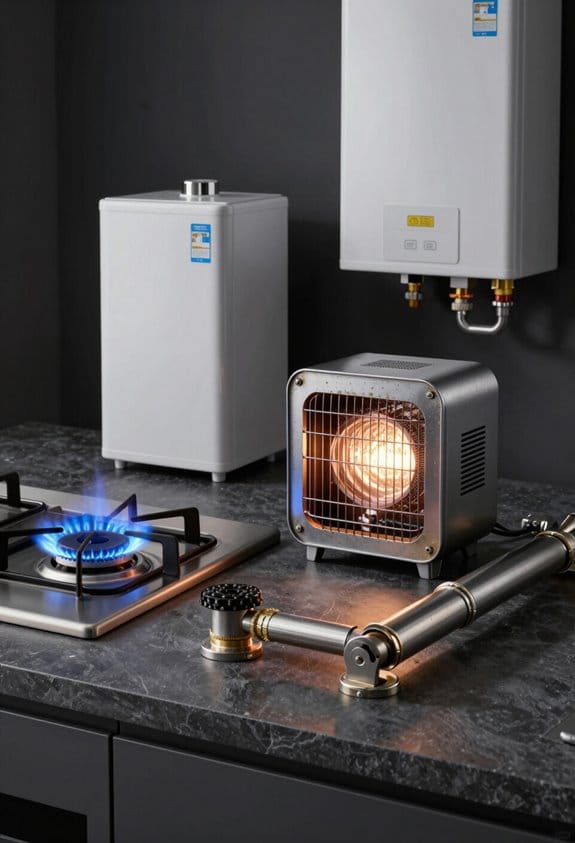
Ever thought about the hidden dangers lurking in your apartment? Carbon monoxide (CO) is one of those silent threats that’s often overlooked. Many common items around the house can be sources of this harmful gas, so staying vigilant is key.
Gas stoves, water heaters, and furnaces are among the biggest offenders. If these appliances aren’t well-maintained, you could be facing some serious safety risks. Plus, don’t forget about your clothes dryer and fireplace; if they aren’t functioning properly, they can also contribute to CO buildup. So, what’s the best way to handle this? Regular checks on all these devices are crucial to make sure everything’s operating safely.
You might be surprised by how important ventilation is in smaller spaces. When airflow is limited, the risk of indoor CO accumulation increases. Make it a habit to keep an eye on how well air circulates in your living space.
And here’s a big one: never use generators indoors, not even in the garage. It’s tempting to assume a garage is safe, but the risk of CO exposure can skyrocket in a hurry.
To sum it up, keeping your home safe from CO doesn’t have to be complicated. Just be proactive about maintenance and ventilation. Using devices with multiple safety protections can greatly reduce the risk posed by faulty appliances.
What steps are you taking today to ensure your living space is healthy and safe?
Recommended Products
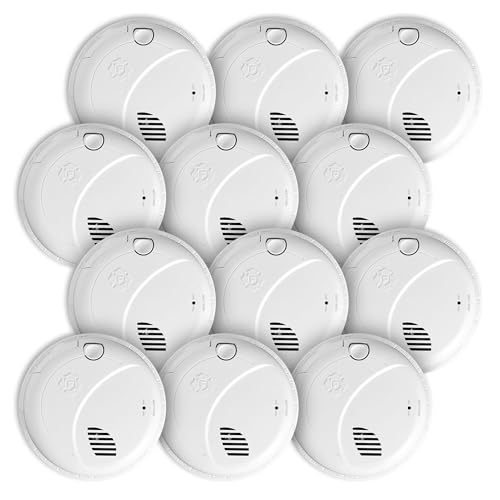
First Alert BRK Precision Detection advanced sensing technology reduces cooking nuisance alarms and delivers early warning

Smoke detector and carbon monoxide detector that speaks up in a friendly voice to give you an early warning when there's smoke or CO in your home
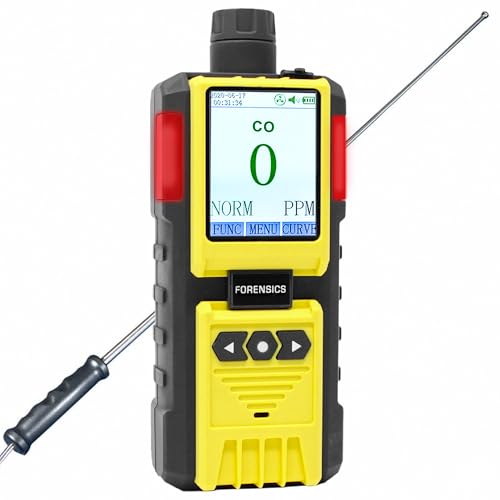
🎆 Detect: Carbon Monoxide 0 -1000ppm with 1ppm resolution. Comes USA NIST traceable calibrated in Los Angeles.
Preventive Measures to Protect Your Family From CO
Have you ever thought about the potential dangers lurking in your own home? Carbon monoxide (CO) is often called the “silent killer” for good reason. It’s colorless, odorless, and can be deadly. That’s why taking steps to protect your family is crucial.
To start, make sure you install Carbon Monoxide Alarms on every level of your home, especially near bedrooms. It’s also a good idea to test these alarms every month. Think of it as a simple routine, just like changing the batteries in your smoke detectors. Additionally, keep tabs on your fuel-burning appliances—things like stoves, heaters, and fireplaces. Regular maintenance can prevent serious CO buildup from faulty equipment.
Want to really play it safe? Avoid using gas ovens, charcoal grills, or unvented heaters indoors. These can quickly raise your CO levels to dangerous heights. Educating everyone in your household about the symptoms of CO poisoning is also key. What should they look out for? Headaches, dizziness, and confusion are all warning signs that shouldn’t be ignored.
Now’s a good time to create an emergency plan. This should include clear actions to take if your CO detector goes off or someone starts feeling unwell. Evacuate your home and call emergency services—better safe than sorry! Keeping a first aid kit accessible can enhance your readiness during such emergencies.
Recommended Products

MULTIGAS DETECTION: Equipped to measure Lower Explosive Limit (LEL), Oxygen (O2), Hydrogen Sulfide (H2S) and Carbon Monoxide (CO), designed for virtually no cross-channel interference

720 pack of Bevigor Lithium AA Batteries

Longer runtime 9V - Tenergy's bulk size 120 pack 9V Lithium batteries offer 2.5 times more power than traditional 9V batteries. Provides enough power to last up to 10-years as a backup battery in ac-powered smoke detectors.
The Importance of CO Detectors and Their Maintenance
Have you ever thought about how silent yet dangerous carbon monoxide (CO) can be? It can sneak into our homes without warning, and that’s why having CO detectors is so important for your safety. Make sure you place these detectors outside each sleeping area and on every level of your home.
Regular maintenance is key here. Try this: test your detectors every month using the test button. Plus, you should replace the batteries at least once a year. This simple step can really help ensure they’re working properly.
Now, here’s the trick: CO alarms usually need to be replaced every ten years. If your alarm has an end-of-life alert, don’t ignore it! Following the manufacturer’s instructions for where to place your detectors and how high to mount them can make a big difference in how well they work.
Want to take it a step further? Interconnecting your detectors is a smart move. That way, if one alarm goes off, all of them will sound, giving you the heads-up you need about potential CO hazards.
Frankly, it’s all about being proactive. So, why does this matter? CO is often called the silent killer for a reason. By keeping your detectors in check and staying alert, you’re doing your part to protect yourself and your loved ones.
In the end, just remember to stay on top of this. Your safety is worth it! Have you checked your CO detectors recently? Also, having a reliable emergency radio to stay informed during power outages or emergencies can be a crucial part of your overall home safety strategy.
Recommended Products


First Alert's Precision Detection advanced sensing technology complies with new industry standards to reduce cooking nuisance alarms and provides early warning in the event of a home fire emergency

BRK's Precision Detection advanced sensing technology reduces cooking nuisance alarms and delivers early warning
What Should You Do If the CO Alarm Goes Off?
What should you do if your carbon monoxide alarm goes off? It’s a scary moment, no doubt about it. The biggest priority is to get everyone out of the building immediately. You need to be aware—symptoms of carbon monoxide poisoning can sneak up on you, so sounding the alarm is crucial.
Once you’re outside, don’t hesitate to call 9-1-1 or your local emergency services from a safe spot. Make sure to let them know that your alarm has been triggered; that’s important information for them to have.
So, while you’re waiting for the emergency responders to arrive, here’s the trick: don’t go back inside until they give you the green light. They’ll check the CO levels and identify any potential sources of fumes. If you can, try to ventilate the area as best as you can, but only if it’s safe to do so.
Honestly, staying calm is key here. Panic won’t help anyone, and it’s essential to keep the situation under control. We all want to ensure that you and everyone around you stay safe during these tense moments. Ensure that your living area includes proper ventilation systems to reduce harmful gas build-up and prevent future incidents.
Recommended Products
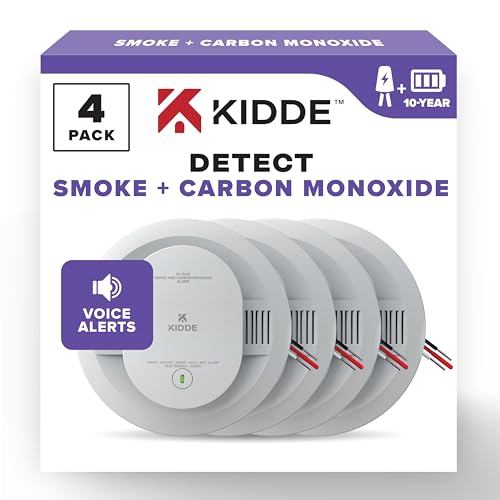
2-IN-1 DETECTION: Alerts you to both smoke & carbon monoxide (CO) using a single, cost-effective device.

10-YEAR BUILT-IN BATTERY:Permanently sealed lithium battery provides 24/7 protection power management – zero battery changes for a decade of continuous safety monitoring.
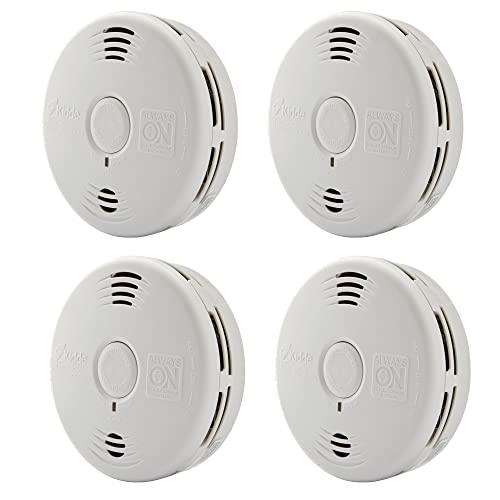
2-in-1 Detection - Smoke & carbon monoxide detector combo alerts you to both smoke & fire events as well as poisonous, CO gas in a single device
Frequently Asked Questions
What Sources of Carbon Monoxide Could Be in an Apartment?
In our cozy nest, hidden dangers lurk. Gas appliances, water heaters, and space heaters can betray us without furnace maintenance. Vehicle idling, smoking indoors, and improper fireplace usage heighten the risk if ventilation issues exist.
How to Clear Carbon Monoxide From an Apartment?
To clear carbon monoxide, we should ventilate our apartment, use air purifiers, and guarantee gas appliances and exhaust systems function properly. Regular carbon monoxide testing and tenant awareness of safety tips are essential for prevention.
How to Prevent Carbon Monoxide Poisoning Without a Detector?
We can’t rely solely on detectors! Instead, let’s prioritize ventilation strategies, maintain appliances, and guarantee gas safety. By promoting carbon monoxide awareness and smart exhaust systems, we’ll secure our oxygen supply and prepare for emergencies.
What Are the Top 3 Sources of Carbon Monoxide?
The top three sources of carbon monoxide we need to be mindful of are gas appliances, faulty combustion processes, and poor ventilation. Let’s make certain our indoor air quality is safe by understanding these risks and their effects.