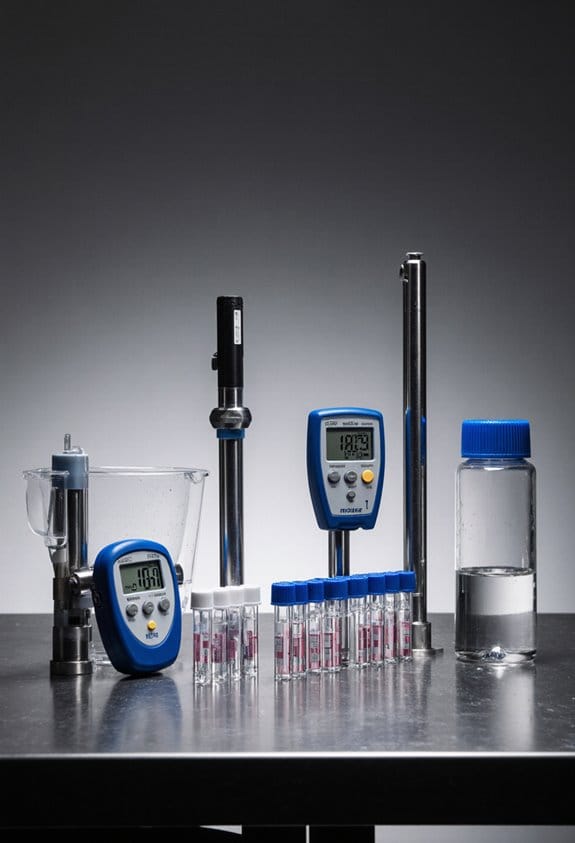


When you’re whipping up dinner on a compact gas stove, have you ever thought about the hidden dangers? Carbon monoxide and nitrogen dioxide can put a damper on your cooking plans. It’s not just about making a tasty meal; it’s also about staying safe in your kitchen.
So, what can you do? Start by improving ventilation. Open those windows and turn on your exhaust fan while you cook. This simple step can significantly reduce the risk of harmful gases building up.
Plus, it’s a good idea to install carbon monoxide detectors in your home. These little devices can give you peace of mind while you’re preparing your favorite dishes.
Thinking about switching your cooking options? Shifting to electric stoves is definitely worth considering. They cut down on risky emissions and can create a safer cooking environment. It’s all about making informed choices for your health and comfort.
Honestly, staying on top of these safety measures isn’t just smart; it’s necessary. You deserve a cooking space that’s both enjoyable and safe.
So, why not take these precautions seriously? Your health and well-being matter, and they start in the kitchen.
In summary, prioritize ventilation and consider alternatives to gas cooking. After all, we all want to feel good when we cook, right?
What’s your go-to way of staying safe while enjoying your time in the kitchen?
Key Takeaways
- Compact cooking appliances often lack effective ventilation systems, increasing the risk of indoor air pollution and carbon monoxide buildup.
- Cooking with gas creates higher nitrogen dioxide levels compared to electric options, raising health concerns for respiratory issues.
- Ensuring proper ventilation, such as using exhaust fans and opening windows, is crucial while cooking with compact appliances.
- Install carbon monoxide detectors to monitor levels and enhance safety in spaces with gas cooking appliances.
- Transitioning to electric cooking can significantly reduce emissions and promote better indoor air quality.
Understanding Indoor Air Pollution From Cooking
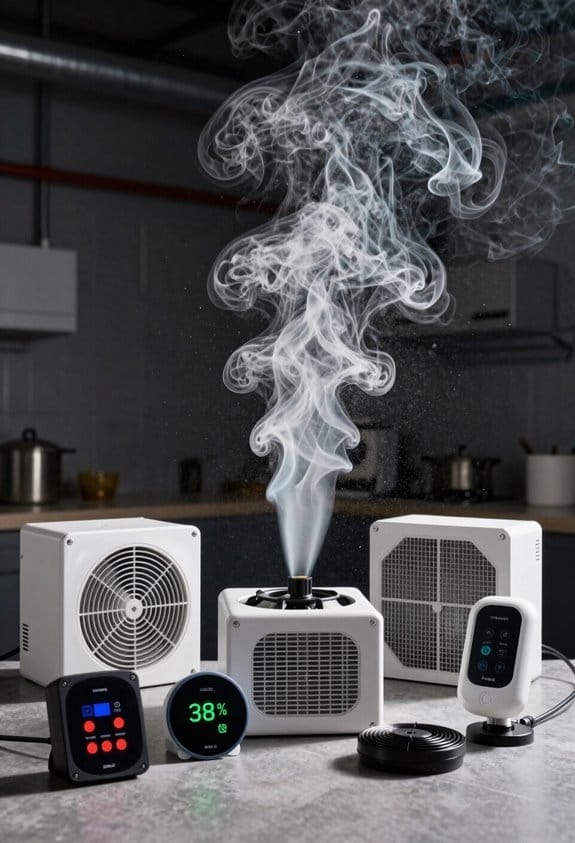
Have you ever noticed that cooking can make your home feel a bit stuffy or even give off weird smells? It’s true—when we cook indoors, we might be exposing ourselves to some pretty nasty pollutants. From carbon monoxide to nitrogen dioxide and tiny particles floating in the air, all these can sneak into our living spaces. If you’ve got a gas stove, you might be even more affected since those can lead to higher levels of nitrogen dioxide. This is especially concerning for kids and anyone with health issues.
So, what can you do about it? Here are a few tips:
- Always ventilate when you’re cooking.
- Open windows to let fresh air in.
- Switch on exhaust fans or consider installing a range hood to really clear the air.
It’s surprising, but studies show that indoor air can be 2-5 times more polluted than what’s outside. So, keeping a good flow of air in your kitchen is a must. The best part is that a few simple changes can help make your cooking environment safer for you and your family.
Honestly, don’t underestimate the power of good ventilation. By making these adjustments, you’re not just cooking—you’re also protecting your health. Why not give these tips a try next time you’re whipping up a meal? It might just make your cooking experience that much better!
In addition, using technology designed to promote safety and comfort, like noise cancellation devices in your kitchen area, can help reduce exposure to loud and harmful sounds.
In the end, remember, taking control of your indoor air quality doesn’t have to be complex. Are you ready to start cooking with a clearer conscience?
Recommended Products
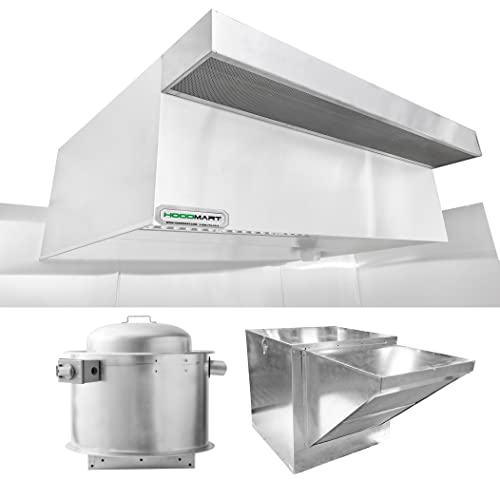
12-foot by 48-inch commercial grade Type-1 hood system with PSP (Perforated Supply Plenum) makeup-air, Built-in 3-inch air gap on back of hood

EXHAUST HOOD- 12ft 0" Long x 48” deep Stainless Steel Wall Canopy Hood with Front Perforated Supply Plenum. Meets all code requirements in North America.
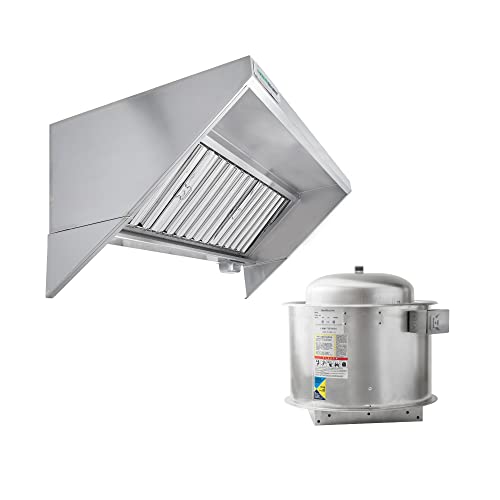
RESTAURANT EQUIPMENT MADE IN USA – HOODMART products are made in America and engineered for optimum performance. NSF and UL Approved. Backed by a 2-year warranty.
Key Pollutants From Compact Cooking Devices

Cooking indoors can seriously mess with the air quality in your home, especially if you’re using gas stoves. These little devices might seem convenient, but they can crank up nitrogen dioxide levels indoors by a staggering 50-400% compared to electric stoves. And let’s not forget about carbon monoxide—it’s odorless and can build up quickly, which is pretty scary.
High-temperature cooking methods? They’re not doing us any favors either. They produce particulate matter that can harm your lungs and worsen your indoor air quality. What’s more, many compact cooking gadgets have poor ventilation systems, causing indoor air to be 2-5 times more polluted than the air outside.
Here’s the thing: you can take control of your indoor environment. Make sure you have proper ventilation—open windows or use range hoods. If you’ve been thinking about it, consider switching to electric stoves. They typically create fewer pollutants and are a better choice for your indoor air quality and respiratory health.
So, why does this matter? If you care about your well-being and that of your loved ones, it’s worth giving a thought to the cooking methods you use. Truth is, being mindful about your cooking style can make a world of difference for your home environment. Using a NIOSH-approved respirator can provide additional protection when dealing with poor indoor air quality.
Recommended Products
EXHAUST HOOD- 10ft 0" Long x 48” deep Stainless Steel Wall Canopy Hood with Front Perforated Supply Plenum. Meets all code requirements in North America.

SIZE: Wall Mount 42"Wx27"H.The width of a wall mount copper range hood should be the same with or wider than the cooktop, but the width range should be no more than 6 inches. And the height range between your cooktop and the copper range hood should be from 30 to 36 inches. We suggest a height of 33 inches for a wall mount. Custom sizes available upon request by email. Material: 16 gauge pure virgin copper.

Delay Switch Off
Impact of Gas Appliances on Indoor Air Quality
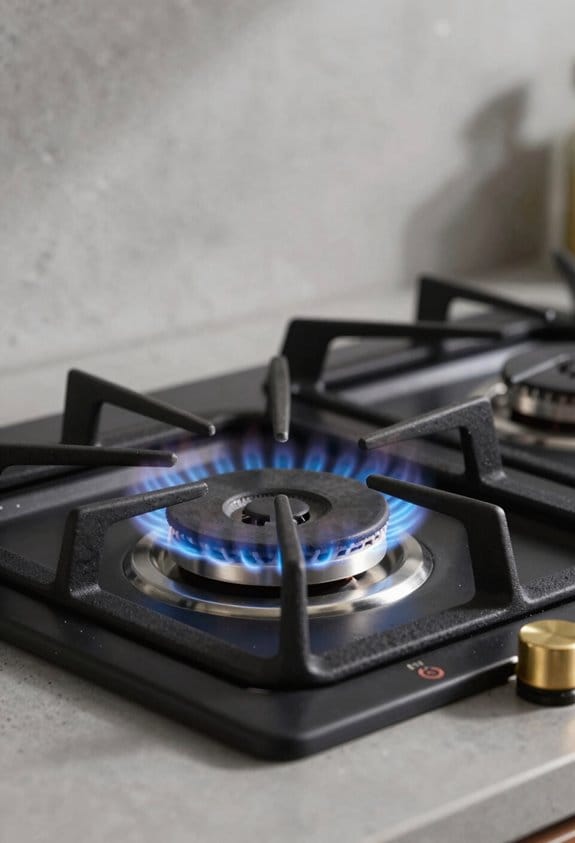
Did you know that those gas stoves in our kitchens can seriously mess with our indoor air quality? It’s true! They let out a bunch of harmful pollutants like nitrogen dioxide and carbon monoxide, and the levels from gas stoves can be way higher than what you’d get from electric ones. Just think about this: short-term exposure to nitrogen dioxide can mess with your breathing, particularly for kids, who face a whopping 42% higher risk of asthma. And let’s not forget about carbon monoxide; it’s odorless and can cause health headaches—in the literal sense.
Cooking methods, especially frying, also add to the trouble. They kick out particulate matter that can irritate your lungs. So, why does this matter? If you’re cooking dinner and your kitchen gets smoky, those pollutants aren’t just floating away—they’re hanging around, affecting your health.
Here’s the trick: effective ventilation can be a lifesaver. Try using exhaust fans while you’re cooking, and keep your windows cracked open. It may seem like a small thing, but it really helps reduce that indoor air pollution and can protect your family’s health. In emergencies or power outages, staying informed about outdoor air quality through devices with NOAA Weather Alerts can guide your ventilation decisions for safer indoor air.
To wrap it up, let’s prioritize clean air in our kitchens. After all, breathing easy is one of the best things we can do for ourselves and our families. How are you making sure your cooking space stays safe and healthy?
Recommended Products

MOVE AIR! – The X-47ATR has a high torque motor capable of producing 3600 Cubic Feet/min while drawing a low 2.8 Amps for maximum airflow capacity and efficiency. Dry wet floors, carpets, walls, ceilings, furniture, paint, drywall, cement, etc

Utility exhaust ventilators are engineered to discharge grease laden vapors, fumes and other contaminants vertically away from the building. General Ventilation (UL705) and for Restaurant Duty (UL762) model SA-USBI is specifically intended for high temperature and/or heavy grease applications.

HANDCRAFTED & HIGH QUALITY: Our brass range hoods are handmade using solid, genuine 16 gauge brass by skilled artisans, which offers great strength and durability. It would be a beautiful and functional centerpiece for your kitchen, especially for modern style kitchens.
Practical Tips for Improving Kitchen Ventilation
Ever noticed how stuffy your kitchen gets while cooking? It’s not just annoying—it can also affect your health. To tackle this, let’s dive into some simple yet effective tips to boost your kitchen’s ventilation.
First off, always remember to turn on your range hood when you start cooking. This little appliance can decrease indoor pollutants by a whopping 80%-95% when venting outside. That’s a huge boost for your air quality!
Next, think about creating some cross ventilation. Open up two windows or doors to let the fresh air flow through. This is a no-brainer for improving airflow and cutting down on indoor pollution. You could even set an exhaust fan in one window to push out that stale air.
Here’s a thought: ever tried quicker cooking techniques, like sautéing? They not only save you time but also release fewer harmful pollutants compared to methods like frying.
Keeping an eye on indoor CO2 levels is another smart move. You might want to invest in a monitor that alerts you when it’s time to crack open those windows or kick on the fans. This can really help maintain good kitchen ventilation and lower the risk of carbon monoxide buildup.
For anyone attentive to warmth and comfort while outdoors, considering the thermal insulation principles behind compact sleeping bags can offer insight into effective airflow and heat retention strategies in confined spaces like kitchens.
Recommended Products

HANDCRAFTED & HIGH QUALITY: Our stainless steel range hoods are handmade using solid, genuine 16 gauge stainless steel by skilled artisans, which offers great strength and durability. It would be a beautiful and functional centerpiece for your kitchen, especially for modern style kitchens.

DESIGNED & MADE in ITALY. Luxury kitchen range hood from the premier Italian manufacturer. Designed & MADE in Italy.
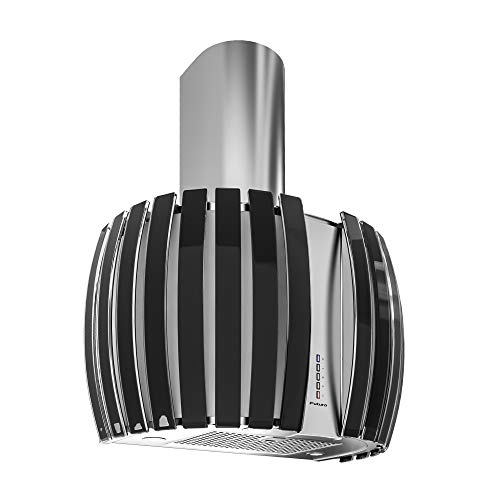
Luxury kitchen range hood from the premier Italian manufacturer. Designed & MADE in Italy.
Health Risks Associated With Carbon Monoxide Exposure
Have you ever thought about the hidden dangers lurking in your home? Carbon monoxide (CO) exposure is something many of us overlook, especially when using gas appliances. This toxic gas can build up from everyday things like gas stoves and seriously mess with your indoor air quality.
High levels of CO can bring on headaches, dizziness, and confusion, and in really serious cases, it can even be life-threatening. If you’ve got existing heart or lung issues, it’s even more crucial to pay attention, as you may be more vulnerable to these effects.
Want to keep your home safe? Try this: install carbon monoxide detectors to keep an eye on CO levels. It’s also smart to ensure proper ventilation when you’re using gas appliances. These simple steps can help protect your health and create a safer living environment for everyone.
Many portable carbon monoxide detectors come with customizable alarm settings designed to alert you immediately if dangerous levels of CO are detected.
Truth is, we all deserve to feel safe in our homes. So, what are you waiting for? Take these precautions to safeguard your family!
Exploring Electric Cooking Alternatives for Safer Kitchens
Are you tired of worrying about the air quality in your kitchen? It’s time to consider making a switch to electric cooking. Electric appliances, especially induction stoves, are known to produce much lower emissions compared to traditional gas stoves. This change can significantly improve the air you breathe at home by cutting down on harmful gases like nitrogen dioxide and carbon monoxide.
Making the switch not only benefits your air quality but also your health. By reducing your exposure to pollutants, you’re creating a safer cooking environment for you and your family. Plus, if the financial side of things is a concern, there are federal rebates available for buying electric appliances, which can help make this transition a bit easier on your wallet.
So, why does this matter? We’re at a point where opting for electric cooking methods is not just about convenience. It’s about embracing healthier practices that are also friendly to our planet. The best part is, as you adapt to these new cooking options, you’re contributing to a safer kitchen and a healthier lifestyle for everyone in your home.
Let’s wrap this up: switching to electric cooking is a smart choice that can directly improve your living space. What are your thoughts on making the move to electric?
Recommended Products

ZLINE Paramount Series - The ZLINE Paramount Professional Range Series provides a polished look that aligns with any kitchen layout or style

【Quality Assurance】This Electric Flute Reflux Column Still is made of food-grade 304 stainless steel and pure copper, a wear-resistant and anti-oxidation materials, and has a stunning appearance after the thickening treatment and polishing.

Precision Control for Culinary Precision: Tilt Panel Digital Controls provide a seamless and intuitive command center, empowering you with precise control over your cooking environment. Elevate your culinary creations with the finesse of professional precision.
Frequently Asked Questions
Can I Use a Gas-Powered Stove Indoors Safely?
Can we safely use a gas-powered stove indoors? While it’s tempting, proper gas stove safety is essential. Adequate ventilation systems, like exhaust fans, can greatly reduce fume exposure and CO emissions in our kitchen design.
How Often Should I Check Carbon Monoxide Detectors?
We should check carbon monoxide detectors monthly, ensuring proper placement. Understanding gas leak signs and symptoms of poisoning is essential. Following safety education programs and using reliable detector brands enhances our apartment safety. Test procedures regularly!
What Signs Indicate Poor Ventilation in My Kitchen?
If our kitchen’s air feels thicker than a foggy day, we should be alert! Ventilation indicators include persistent cooking odors, high humidity, smoke detection failures, moisture levels, and poor exhaust fan efficiency. Let’s guarantee our air quality’s right!
Are There Specific Electric Appliances Recommended for Small Spaces?
For small spaces, we recommend compact induction cooktops, countertop toaster ovens, and mini slow cookers. Electric pressure cookers and portable blenders are great too, along with multi cookers, space-saving griddles, and compact microwave ovens.
How Can I Improve Ventilation Without Losing Heat?
Let’s breathe new life into our kitchens! We can improve ventilation while retaining heat through smart window placement, efficient kitchen fans, and exhaust systems, combined with proper insulation methods and humidity control for ideal air circulation.