
Effective dust collection in small workshops is crucial for both safety and cleanliness. It can be a real headache trying to keep your workspace free of debris and harmful particles when you’re focused on your projects. Have you ever thought about how much of a difference the right setup can make?
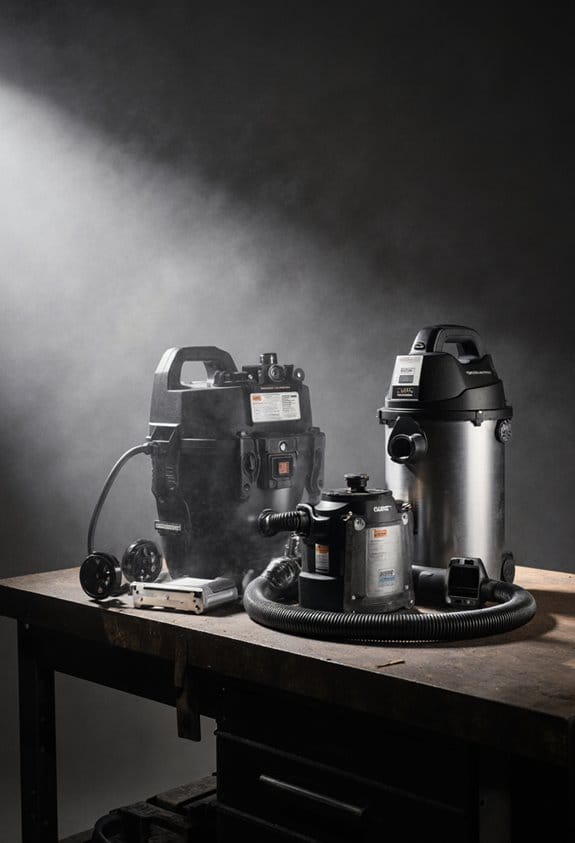
For smaller tools, shop vacuums do a decent job and are often more convenient. But when it comes to larger machines, you’re going to want a solid dust collector. Aim for airflow between 300-600 CFM; that’s a sweet spot for managing dust effectively.
Want to boost your system’s performance? Try upgrading your ducting to 6-inch sizes. This will enhance airflow and keep the dust moving where it should—away from your lungs. It’s also super important to maintain airtight connections. Leaky ducts are like an open window on a chilly day—they just create more problems.
Regular maintenance is key to efficiency. Don’t forget to clean your filters often and inspect for any clogs. It’s a quick check that can save you a lot of hassle later.
So, why does this matter? Keeping your workspace clean not only makes it look better but also protects your health. The less dust circulating in the air, the safer you’ll be as you work.
To wrap it up, effective dust collection is about choosing the right tools, maintaining your system, and keeping your workshop safe.
How do you manage dust in your shop?
Key Takeaways
- Aim for airflow between 300-600 CFM with appropriate equipment for effective dust management in small workshops.
- Utilize a combination of shop vacuums and cyclone collectors tailored to handle both fine dust and larger chips.
- Position suction hoods close to the dust source and upgrade to 6-inch ducting and blast gates for optimal effectiveness.
- Regularly clean filters and ducts to prevent clogs while ensuring all connections are airtight for maximum suction efficiency.
- Affordable options like shop vacuums and dust collection kits can significantly enhance dust management without excessive expense.
Why Dust Collection Matters in Small Workshops
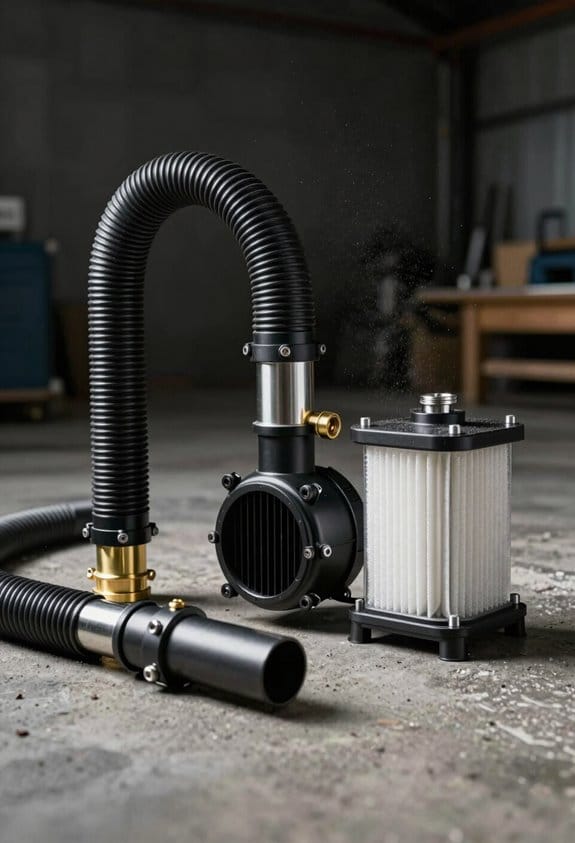
When you’re in your small workshop, have you ever thought about just how important dust collection really is? It’s not just a fancy extra; it’s something we can’t ignore. Those tiny dust particles from our woodworking tools can actually harm our health, and over time, they may even shorten our lifespans. That’s why we should aim for an airflow between 300-600 CFM in our dust collection systems to keep the air clean.
Try this: use a shop vacuum in tandem with a solid dust collector. This combo is excellent for catching airborne particles before they settle down and create a mess around your workspace. Plus, it’s essential to keep your dust control game strong by routinely cleaning out your filters and ducts. Clogged systems don’t just reduce airflow; they can also lead to more contamination.
So, why does this matter? Well, combining dust collectors, shop vacuums, and overhead filtration systems can really help you manage dust effectively. With these tools, you create a healthier environment in your workshop—not just for yourself, but for anyone else who might step inside.
Frankly, keeping dust under control should be a priority for every woodworker out there. Remember, a little maintenance goes a long way in keeping your workspace safe and enjoyable. Have you checked your dust collection setup lately? Incorporating adjustable straps on protective gear like knee pads can also enhance comfort and safety while maintaining your workshop.
Understanding Different Dust Collection Systems for Effective Cleanup
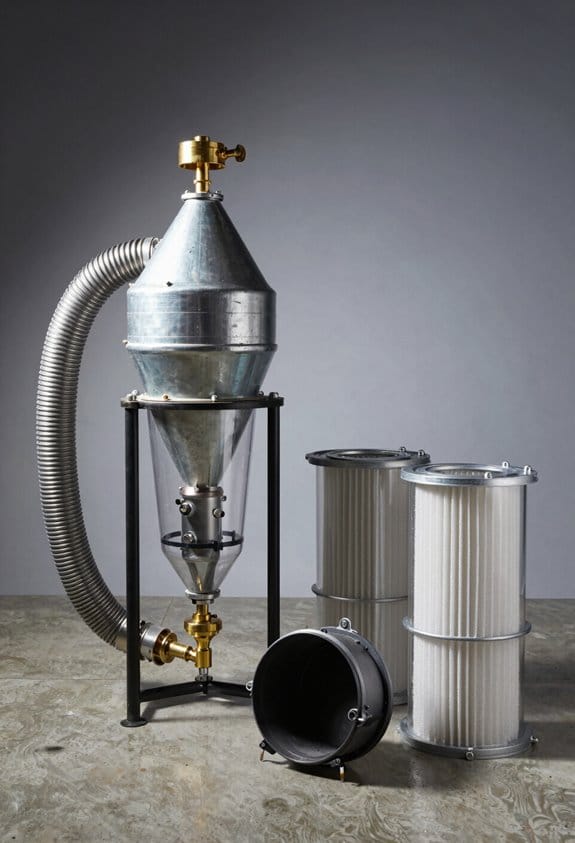
Dust collection systems are crucial for keeping your workshop clean and safe. Ever get tired of all that sawdust floating around? For bigger machines like jointers and table saws, aim for a dust collector that offers around 350 CFM airflow. This helps manage all the heavy stuff that comes off your tools, like sawdust and wood chips.
On the other hand, if you’re using smaller handheld tools, a shop vacuum is a solid choice. It’s got the power to pull in nearly 100 CFM, perfectly handling the fine airborne dust you might get from sanders and routers. So, here’s the trick: try adding a cyclone separator to your setup. It can separate out over 99% of the dust and keep your filters from clogging up too quickly.
Duct design is just as important as the equipment you use. Go for smooth, larger diameter pipes, and do your best to avoid tight turns. This will seriously improve airflow and make cleanup way more effective. So, why does this matter? Because a well-designed dust collection system not only keeps your space cleaner but also makes it safer to work in. Ensuring your system meets safety regulations can provide peace of mind and reduce hazards.
Applying Dust Collection Systems in Your Workshop
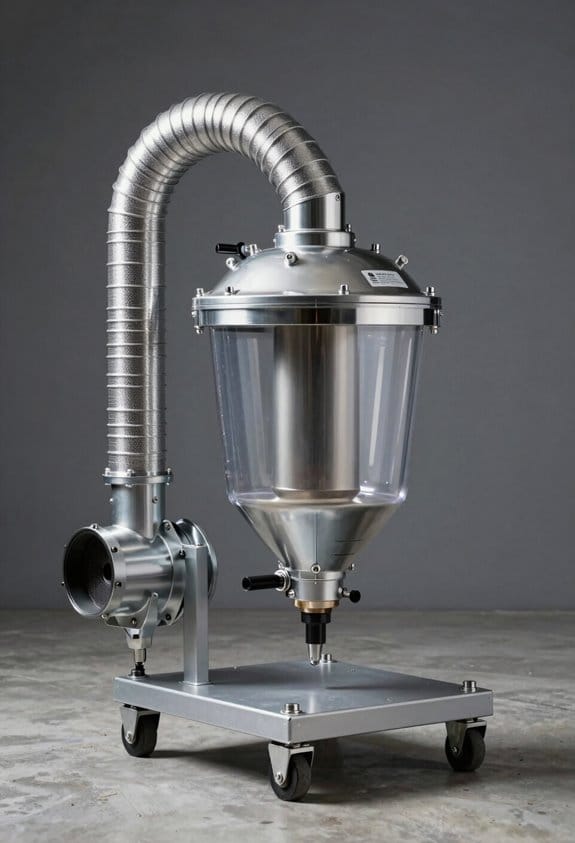
Ever notice how dust seems to take over your life in the workshop? It’s everywhere, and if you’re like me, you’ve probably wondered how to tackle it. The first step is to take a good look at your tools and the types of dust they kick up. A mix of shop vacs for your handheld tools and a cyclone dust collector for the bigger machines works wonders.
Aim for about 350 CFM for your chip collection needs, and when it comes to fine dust, shoot for up to 1000 CFM. You want those suction hoods as close to the source of dust as possible; trust me, the closer they are, the better they catch those pesky particles. Here’s the trick: using a two-stage dust collection system can boost your efficiency by giving you over 99% dust separation. It’s a bit of investment, but the results speak for themselves.
Another thing to consider is upgrading to larger 6-inch dust ports. This move can really amp up your airflow and cut down on the escape routes for dust. It’s all about keeping that air clean.
Don’t forget about the importance of maintenance. Keeping those filters clean and checking for clogs are crucial steps. This not only ensures that your dust capture is spot-on, but it also helps extend the life of your entire system.
In addition, having access to appropriate spill kits is a smart safety measure in workshops to quickly manage accidental fluid leaks that can affect dust collection equipment performance.
Boosting Airflow for Optimal Dust Collection
Is your workshop always covered in dust no matter how much you clean? Achieving the right airflow in your dust collection system can make a big difference in keeping things tidy and efficient. Ideally, you want airflow levels between 300-600 CFM near your tools. If you can, upgrading from 4-inch to 6-inch ducting is a smart move to improve dust capture.
Now, let’s talk about resistance. Less resistance in your system means better airflow. Here’s the trick: use larger pipes and opt for 45-degree elbows instead of 90-degree bends whenever possible. It might sound simple, but this step can significantly boost the effectiveness of your setup. Installing blast gates at each tool is another way to isolate suction, which helps improve performance and reduces strain on your dust collection system.
Regular maintenance can’t be overlooked. Honestly, cleaning your filters regularly and ensuring all connections are airtight is crucial for keeping everything running smoothly. So, why does this matter? Keeping up with maintenance means your dust collection system works effectively, and you’ll spend less time cleaning up. Additionally, selecting components made from durable materials with chemical resistance can extend system life and reduce downtime.
How to Filter Dust Effectively?
When you’re trying to keep your workshop dust-free, filtering that dust effectively is key. High-quality HEPA filters should be at the top of your list; they catch nearly all tiny particles—99.97% down to 0.3 microns—helping to keep the air you breathe clean.
Ever thought about adding a cyclone separator to your dust collection system? This nifty addition can separate more than 99% of dust, which means less clogging in your filters and better airflow overall.
Here’s the trick: go for pleated filters instead of flat ones. They increase the filter’s surface area, so you can go longer between cleanings. And let’s be real—who wants to clean filters constantly? Make sure to clean them regularly, though. A leaf blower or compressor can do wonders to blast away the gunk.
Don’t forget about checking the connections in your setup. If there are any leaks, you’ll lose suction and reduce how effective your whole dust capture system is. So, making sure everything is airtight can make a big difference.
Choosing filters with verified NSF/ANSI certifications also ensures they meet high standards for safety and effectiveness.
Keeping your workshop dust-free doesn’t have to be a huge hassle. Just remember these tips, and you’ll stay ahead of the dust problem. What steps will you take first to improve your dust management?
Recommended Products

10X HIGHER SUCTION POWER than standard dust collectors and the only dust collection system on the market with high enough levels of static pressure (WC) and airflow (CFM) to effectively capture and contain dust from every tool in the shop with a dust port size of 1” to 5”. BEST DUST COLLECTOR – Popular Mechanics 2020 Tool Awards


Bundle Includes: Genuine Miele TU Hyclean Performance Pack with 16 TU HyClean vacuum bags and 1 Miele HEPA AirClean Filter
Maintenance Tips for Peak Dust Collection Performance
You ever notice how dust seems to creep into every corner of your shop? Keeping your dust collection system working at its best is key to a clean and safe workspace. Regular maintenance can make all the difference.
Try this: clean clogged filters using a leaf blower or compressor, as this can really boost filter performance. It directly affects how well the system collects dust, so don’t skip it! To know when it’s time to clean those filters, consider monitoring airflow with a water manometer. That’s a great way to keep track.
The best part is switching to pleated filters. They provide more than 20 times the surface area of traditional air filters, which means they’re less likely to get clogged. It’s a simple upgrade that helps your system run smoother.
Now, let’s talk about your duct system. It’s important to assess it periodically for leaks. Unsealed connections can really hurt airflow and efficiency. So, take a good look and seal any leaks you find.
Honestly, operating dust collectors continuously can also help. It enhances motor efficiency and ensures steady airflow, which leads to better dust collection overall. Good airflow is crucial—no one likes dust settling everywhere.
To wrap it up, keeping your dust collection system in top shape involves regular cleaning, monitoring, and upgrades. It may seem like a lot, but your shop will thank you for it. So, what’s your next maintenance move?
Additionally, using durable and lightweight materials in system components can improve longevity and maintenance ease.
Affordable Dust Collection Solutions for Small Shops
Setting up a dust collection system in your small shop can feel overwhelming, especially when you’re keeping an eye on your budget. But here’s the truth: it doesn’t have to cost a fortune. A solid option is the 14-gallon shop vacuum, which usually runs around $100. It packs enough power to tackle the fine dust from your handheld tools without breaking the bank.
For those bigger woodworking machines, a basic dust collection kit is a smart investment. You can find a 1-hp dust collector in the $300–$400 range, and honestly, it’s pretty essential if you want to keep your workspace clean. If you’re serious about improving air quality, consider getting an air cleaner. For about $190, you can catch those airborne particles that always seem to linger in the shop.
Here’s the trick: combining your dust collector with the shop vacuum can make a big difference. Each tool has its purpose, helping you manage dust more effectively. And don’t forget about the accessories! Spending about $100 on hose attachments, filters, or other gear can enhance your cleanliness and make working in your shop that much safer.
Using tools with reliable safety features can also help maintain a safe working environment while managing dust and debris.
Frequently Asked Questions
How to Make a Shop Dust Proof?
We’ve found that installing a dust barrier, optimizing our shop layout, and using effective sealing methods can truly transform our workspace. Implementing tool-specific collection and air filtration techniques guarantees cleaner air and better ventilation.
How to Control Dust in a Shop?
To control dust in our shop, we must seal gaps, place equipment wisely, enhance ventilation systems, follow cleanup routines, use safety gear, perform regular maintenance, and undergo effective training for ideal air quality and tool efficiency.
What Is the Recommended CFM for Dust Collection?
So, what’s the magic number? We’ve found that ideal dust collection airflow ranges from 300-1000 CFM. To boost efficiency, let’s focus on ductwork design, filter types, and safety measures for our shop vacuum systems.
What Are Common Dust Collector Problems?
Common dust collector problems include impeller failure, filter clogging, hose leaks, noise issues, improper sizing, and static electricity. We must prioritize maintenance practices to combat airflow restrictions, motor overheating, and poor duct design for effective dust collection.