
Are you prepared for the next earthquake? Living in a city, it’s easy to overlook the little things that can make a big difference when the ground starts shaking. The focus should be on securing your home to keep your family safe.
Start with your heavy furniture. Bookcases and TVs should be anchored to the wall to prevent them from tipping over. Trust me, it only takes a few minutes to attach these items securely, and it’s worth it for peace of mind.
Also, think about where you place your breakables. Store them on lower shelves and cushion them to minimize the risk of shattering during a quake.
Don’t forget to check on your appliances. It’s essential to make sure that your water heater and any other large units are properly anchored to the wall. This is often overlooked, but a loose water heater can be a dangerous projectile in an earthquake.
Reinforcing your home’s foundation can significantly boost its stability. It might feel like a daunting task, but talking to a contractor can help you find the best options for your specific home.
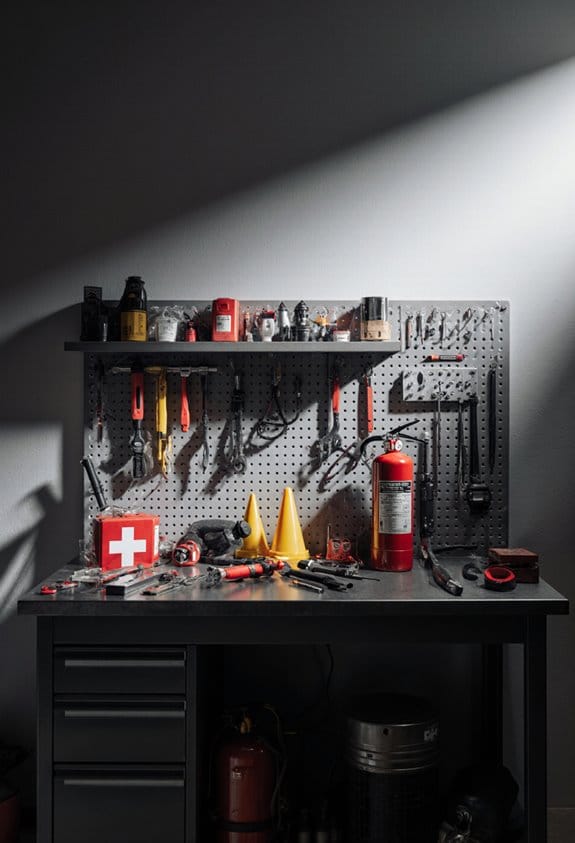
You should also have an emergency kit ready. Make sure it includes water, non-perishable food, and essential tools.
Pack items that could really help you out in a pinch, like a flashlight and a first-aid kit.
So, how do you feel about getting started? Honestly, taking these steps doesn’t just prepare you for earthquakes; it helps you feel more secure in your own home.
What other safety measures have you considered for your space? Let’s make sure you’re ready for whatever comes your way.
Key Takeaways
- Anchor heavy furniture like bookcases and televisions to walls to prevent tipping during an earthquake.
- Secure appliances such as refrigerators and water heaters to avoid movement and potential hazards.
- Lower shelves for breakables; avoid placing heavy items on higher shelves to minimize injury risks.
- Install secure locking mechanisms on cabinets containing hazardous materials for added safety.
- Regularly inspect and reinforce your home’s foundation to enhance structural integrity against seismic events.
Understanding the Importance of Earthquake Preparedness

Do you ever think about what would happen if an earthquake hit your area? It’s a scary thought, and the reality is that these natural disasters can strike out of the blue. Making sure your family is ready for such an event is not just smart—it’s essential. Start by securing heavy furniture, like bookcases and cabinets, to the walls. It might seem like a small step, but it can really limit injuries and reduce the damage during a quake.
Next, it’s important to have a family emergency response plan. Think about where you’d meet if you had to leave home, and make a list of out-of-area contacts who can help keep everyone connected. Taking the time to practice earthquake drills can make a big difference, too. That way, everyone knows exactly what to do when the ground starts shaking.
So, why does this matter? Because preparation can save lives. Accessing resources such as local community programs and earthquake preparedness handbooks can give you great tips and strategies. Don’t underestimate how these tools can boost your family’s readiness during seismic events. Additionally, having a portable emergency kit readily available ensures you have essential supplies when disaster strikes.
Assess and Mitigate Vulnerabilities in Your Home
Have you ever thought about what would happen if an earthquake struck your area? It’s a scary thought, but there are definitely steps we can take to make our homes a lot safer.
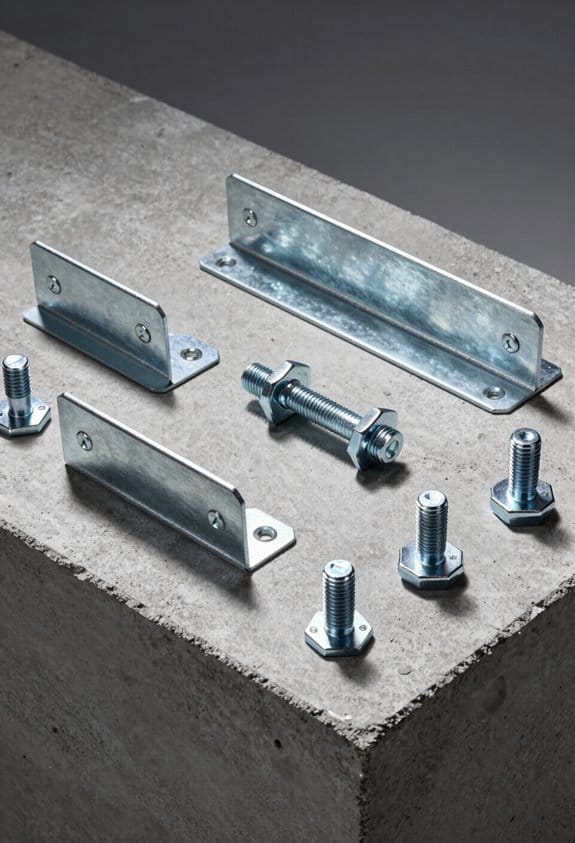
First up, take a look around your living space. Is that heavy bookcase or flat-screen TV bracketed down? If not, now’s the time to secure those items. Using brackets or straps can make a huge difference in preventing them from tipping over during a quake.
Next, think about where you keep your breakables. Do you have glassware or ceramics on high shelves? It might be wise to lower those to prevent injury from glass shards flying around. Keeping fragile items on sturdy lower shelves is a smart move.
Reinforcing the structural parts of your home is also key. Focus on your foundation—strong foundations mean a stronger home. You might even consider having a professional take a look at it if you’re unsure.
Regularly reviewing and updating your safety measures can’t be stressed enough. And while many people think their standard home insurance covers everything, that’s often not the case when it comes to earthquakes. Have you looked into getting earthquake insurance? It could be worth it for peace of mind.
In short, prepping your home for earthquakes isn’t just about having a plan; it’s about taking actionable steps to ensure you’re as safe as possible. Using heavy-duty materials in securing items around your home can greatly enhance their stability during seismic events. What’s your first step going to be?
Recommended Products

Product Type :Av Furniture
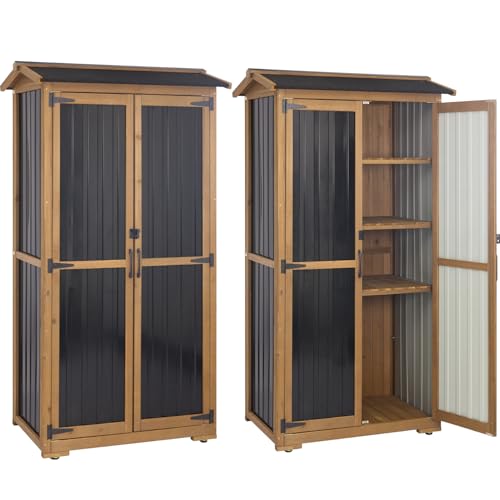
Customizable Storage Space: Personalize your storage shed with three adjustable shelves in this versatile outdoor storage cabinet with shelves. Whether used as a garage storage cabinet, kitchen pantry cabinet, or home cabinet, it effortlessly meets diverse storage needs with its robust build and practical design—organize your essentials your way!

📔 Ample Storage Space - With dimensions measuring 47.2"W x 13"D x 86.4"H and each compartment offering a height of 14", this bookshelf offers generous space to store and display your books, decorations, and other cherished items. It allows you to organize your space in a neat and visually appealing manner.
Secure Heavy Furniture and Appliances to Prepare for Earthquakes
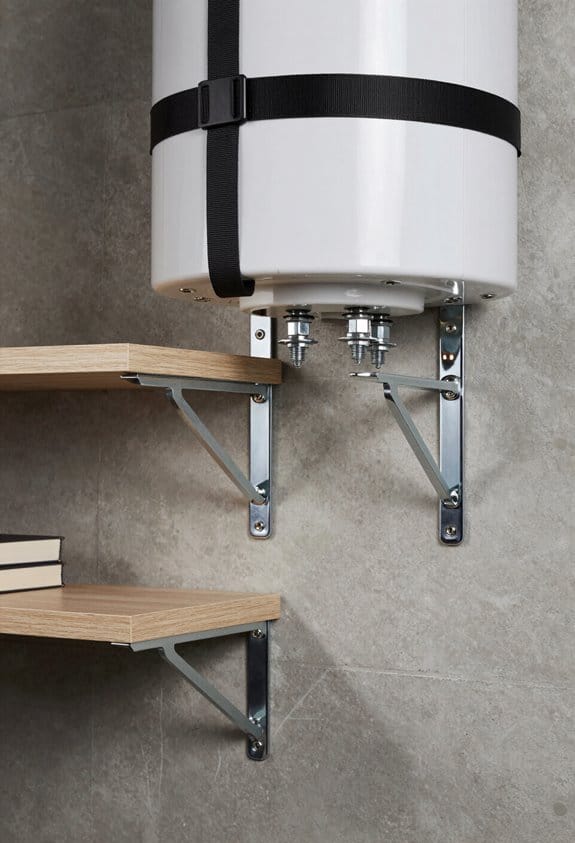
Think about it: what would happen if a big earthquake hit while you’re at home? One of the best ways to keep your family safe is by securing heavy furniture and appliances around your house. Start with the essentials—things like bookcases, refrigerators, and even televisions. Anchoring them to the walls with L-brackets or straps is an easy task that can make a world of difference. This step is crucial because it helps prevent these items from tipping over and causing injuries during a quake.
Now, you might be wondering, “Why do I need to worry about tall furniture?” The truth is, not only can falling furniture injure someone, but it can also create hazards like downed power lines or leaking gas from appliances that tip over. Regularly checking the stability of your secured items is vital, too. It’s worth taking a few minutes every now and then to ensure everything’s still secure—it can save lives.
Another smart move is to place heavier objects on lower shelves. This keeps them from becoming dangerous projectiles if disaster strikes. Plus, it’s a simple way to minimize risks when a seismic event occurs. In the event that you need to evacuate quickly, having a reliable emergency shelter can provide essential protection and warmth.
Safely Store Breakables and Flammables
Securing breakables and flammables at home isn’t just a good idea; it’s essential for staying safe during an earthquake. Picture this: glassware and family photos tumbling off shelves and smashing everywhere. You wouldn’t want that chaos, right? Try storing breakables on lower shelves. This way, if the ground starts shaking, any movement has a lower chance of sending your precious items crashing to the floor. Adding padding or non-slip mats can also work wonders to keep things from sliding off.
Now, let’s talk about flammable items. Cleaning supplies, paints, and other liquids can pose serious risks if not stored correctly. Truth is, keeping these items in approved containers is crucial. Make sure to stash them away from heat sources and sunlight. You definitely don’t want an accidental fire on top of everything else during an emergency. And remember, storing flammable items in well-ventilated areas is key, especially if you have kids running around. This helps prevent spills and keeps everyone safe.
Regularly checking and reorganizing your storage can make a big difference. Here’s a tip: place heavier items lower so they’re less likely to topple over during shaking. Keeping flammable goods secure and contained also shows you’re serious about safety. Additionally, having an easily accessible reliable light source like a pocket flashlight can be invaluable if the power goes out after an earthquake.
Reinforce Your Home’s Structural Integrity
Have you ever wondered if your home could withstand an earthquake? It’s a scary thought, but taking some simple steps can really help reinforce your home’s structural strength. You don’t want to get caught off guard when the ground starts shaking, right?
Start by securing heavy furniture to the walls. If you have big pieces like bookshelves or cabinets, anchoring them will prevent them from tipping over. You’ll also want to make sure your water heater is secured to the structure. An unsecured water heater can not only topple but also lead to gas leaks or floods, which no one needs.
One effective tip is to consider retrofitting your foundation. Adding steel braces to your walls can greatly reduce the risk of collapse during a quake. And let’s not forget about your appliances. Things like refrigerators and stoves should be anchored properly too, so they don’t move around dangerously when the shake starts.
So, why does this matter? Keeping your home safe isn’t just about comfort; it’s about being ready for the unexpected. Reviewing and updating your safety measures regularly ensures you’re compliant with current building codes too. Honestly, it’s just smart to be prepared and have peace of mind.
Additionally, installing secure locking mechanisms on cabinets helps keep hazardous materials safe during earthquakes.
All in all, reinforcing your home isn’t just a chore; it’s an essential step for safety. What have you done lately to make sure your home is ready for anything?
Recommended Products

Maximized Space Utilization: Each flip-drawer offers two tiers of storage, with an adjustable middle shelf to accommodate different shoe sizes. The flip-drawer structure makes the shoe cabinet slimmer, perfect for entryways or small spaces, efficiently storing shoes without taking up too much room.

Specialised record archive: Four open shelves with 35 cm depth provide space for approximately 120 records in standard sleeves. The 15 cm high side panels prevent accidental slipping of the valuable vinyl collection.

Unbeatable Strength - Our Heavy Duty Mounting anchors hold up to 90lbs TVs, curtain rods, shelves, and more. Say goodbye to wobbly installations and hello to rock-solid stability. Experience peace of mind with every mount.
How to Build Your Emergency Kit?
Building an emergency kit isn’t just a task on a checklist; it’s a vital step toward keeping your family safe during unexpected disasters like earthquakes. You might think, “Do I really need to do this?” Honestly, you do. Having the right supplies on hand can make all the difference when it counts.
Start by focusing on the basics. Aim for at least one gallon of water per person per day for at least three days. That can feel a bit overwhelming at first, but it’s really just about being prepared. Then, grab some non-perishable food items. Think about things you actually enjoy eating, like canned goods or energy bars. Those will keep morale up during tough times.
Now let’s talk communication. A battery-powered or hand-crank radio is essential for staying updated. When the power goes out, you’ll want to keep track of what’s happening around you. Speaking of power, don’t forget a reliable flashlight with extra batteries; you’ll be glad to have it if the lights go out.
First-aid kits are crucial too. Make sure you have the basics—bandages, antiseptic wipes, and any personal medications. Couple that with some essential tools. A wrench can come in handy for turning off utilities if needed.
Personal hygiene items shouldn’t be overlooked either; you’ll feel more comfortable in a crisis if you can keep clean. Toss in a whistle to signal for help, dust masks, and some moist towelettes. These little things really add up and can make a tough situation a little easier.
It’s also wise to include over-the-counter medicines like anti-diarrhea treatments to manage sudden illnesses that can arise during emergencies.
The best part is that once your kit is ready, it’s not a “set it and forget it” scenario. You’ll want to regularly check and replenish your supplies. Things can expire, and you don’t want to find that out when you really need them. Store your emergency kit in an accessible location that everyone in your family knows about.
Recommended Products

PREMIUM BUG OUT BAG FOR 2: Developed with first responders, this 72-hour survival kit includes over 60 essentials to help you stay prepared during blackouts, earthquakes, hurricanes, and other real-world emergencies.
![SecurEvac Crush-Resistant Rolling Earthquake & Emergency Kit [4 Person 3-Day] (83400)](https://m.media-amazon.com/images/I/41K8-oDFCfL._SL500_.jpg)
Compact/Comprehensive kit: compact emergency–grade supplies cover all U.S. Government recommended basics

SURVIVAL KIT FOR EXTREME EMERGENCIES: This 72-hour survival kit bug out bag includes 291 pieces of essential gear to assist two adults during disasters, evacuation, or outdoor survival. Includes shelter, water filter, food, tools, first aid, hygiene, lighting, and a 45L emergency backpack. Ideal for preparedness at home, in a vehicle, or packed for grid-down scenarios.
Practice Earthquake Safety Drills With Your Family
Practicing earthquake safety drills with your family is incredibly important, especially if you live in an area prone to earthquakes. Have you ever thought about what you’d do in the moment? Conducting at least two drills a year can really prepare you for the unexpected.
During these drills, you’ll want to focus on the Drop, Cover, and Hold On technique. This method is crucial for protecting yourself from falling debris. Designated safe spots in each room, like under sturdy tables or desks, are essential. Make sure every family member knows where these locations are, and practice regularly so it becomes second nature.
It’s also a good idea to cover both indoor and outdoor scenarios. Where would you go if you were outside? Teach everyone how to react based on their surroundings during an earthquake.
Here’s the trick: check out resources like the Great ShakeOut Earthquake Drills for effective guidance. They offer great tips and scenarios to consider.
In addition, having emergency water filtration systems ready can be vital for ensuring access to safe drinking water after an earthquake.
Stay Updated on Local Emergency Resources
Staying safe during an earthquake is something we all need to take seriously. So, how can you make sure you’re prepared? One of the easiest ways is to keep yourself informed about local emergency resources. This can be done by frequently checking community websites and watching local news channels that provide updates on earthquake preparedness.
Here’s the trick: download the MyShake app to get real-time updates on seismic activity in your area. Participating in events like the annual Great ShakeOut earthquake drills is another great way to practice your response skills and discover valuable resources that can come in handy when the ground starts shaking.
Make it a point to connect with local emergency management agencies. They often hold public workshops that dive into important topics like disaster supply kits and family preparedness plans.
And don’t forget to check out local preparedness groups or neighborhood associations. These connections can strengthen your understanding of available resources and help foster a culture of readiness in your community.
Honestly, being prepared means feeling more secure when an earthquake strikes. Including a first aid kit in your emergency supplies can be crucial for handling minor injuries during such events. So take these steps to ensure you and your loved ones are ready for anything. What are you planning to do to get ready?
Regularly Review and Update Your Earthquake Response Plan
Have you ever thought about what you’d do during an earthquake? Knowing how to act when the ground starts shaking is crucial for staying safe. Regular family meetings to go over your earthquake response plan can make a real difference. This way, everyone knows their roles and what to do when things get shaky.
Don’t forget to update your plan regularly. It’s a good idea to adjust things based on any recent earthquakes or changes in your family’s situations—like a new phone number or someone moving away. Try this: after big community drills, discuss what you learned and see how you can incorporate that knowledge into your own plan.
And don’t just put it off—conduct practice drills at least once a year. This keeps the plan fresh in everyone’s minds. Truth is, including updates about new earthquake risk assessments or predictions can help you better adapt your safety measures. So, you’re not just prepared for today but ready for what the future might bring. Consider incorporating effective moisture absorption strategies into your emergency kit to ensure comfort and safety during prolonged periods indoors.
Frequently Asked Questions
What Are 5 Important Things to Prepare for an Earthquake?
When it comes to preparing for an earthquake, we should gather earthquake kits, secure furniture, establish family communication methods, identify safe spots in our homes, and practice our emergency plan to stay ahead of the curve.
What Are the 3 P’s for Earthquakes?
The three P’s for earthquake safety are Plan, Prepare, and Practice. We can enhance our emergency kits, guarantee building reinforcement, and regularly practice drills to be better equipped for unexpected seismic events together.
What Are the 5 Steps of Preparedness?
When storms brew overhead, we must prepare. Our five steps of preparedness include family drills, assembling emergency kits, reinforcing structures, knowing utility shut-off procedures, and having a communication plan — together, we’ll weather any quake.
What’s the Best Way to Prepare Your House for an Earthquake?
To prepare our house for an earthquake, we should focus on structural reinforcement, gather emergency supplies, and establish neighborhood communication. This proactive approach can help guarantee our safety and readiness when disaster strikes.