


What do you do when your family is scattered all over the place? You need a solid reunification plan. The first step is to pinpoint specific meeting spots that everyone can easily remember. Think about places that are well-known and safe—like a favorite park or a community center.
Next, communication is key. It’s a good idea to set up multiple ways to stay in touch, whether it’s by texting, calling, or even using social media. You never know when the cell networks might be overloaded, so having backup methods is smart.
Don’t forget to practice your emergency plan together. This means going over your routes and assigning roles to each family member. Kids should also have emergency cards on them with vital information, like their full names and a contact number. You want them to feel prepared, right?
So, why does this matter? Emergencies can be chaotic, but having a plan can make things smoother. As you work on these steps, it’s also worth checking out [InternalLink:…] for additional resources on family reunification strategies.
In the end, it’s all about keeping your loved ones safe and connected. So, take some time to create these plans now. What would you add to your family’s reunification strategy?
Key Takeaways
- Designate easily memorable meeting spots for family members to gather if separated and communicate them clearly to everyone.
- Establish multiple communication methods, including texting and social media, to stay connected during emergencies.
- Prepare emergency cards with essential contact information for each family member, ensuring kids carry them at all times.
- Regularly practice and review the family reunification plan, involving children in memorization of important details and evacuation routes.
- Coordinate with schools to ensure their emergency procedures align with your family’s reunification strategy.
Understanding Family Reunification: Why It Matters

Have you ever thought about what would happen if a disaster struck while you’re away from your kids? Family reunification is a big deal when it comes to keeping our children safe and making sure they return to us quickly during emergencies. It’s super important to have a reunification plan set up ahead of time.
Start by identifying an emergency contact. This should be someone your kids can reach out to if you get separated. Make sure they know who this person is, and let the contact know they may be getting calls from your little ones. Now, what about your kids? They need to understand what to do if they get separated from you. Talk to them about the plan so they aren’t left feeling confused or scared.
Here’s the trick: establish different ways to keep in touch. Phones, social media, or even group chats can be lifesavers in stressful times. It’s best to have a mix of options just in case one method doesn’t work. Can you imagine how anxious kids must feel without a way to reach you?
Frankly, with so many kids facing the risk of separation during emergencies, it just makes sense to plan for family reunification. Taking these steps can help reduce the confusion and anxiety that might come with such situations. By prioritizing these preparations, we can all feel a little bit more secure about our children’s safety during uncertain times. Having essential tools, like those found in a roadside emergency kit, can also provide peace of mind during unexpected events.
Key Elements of a Family Reunification Plan
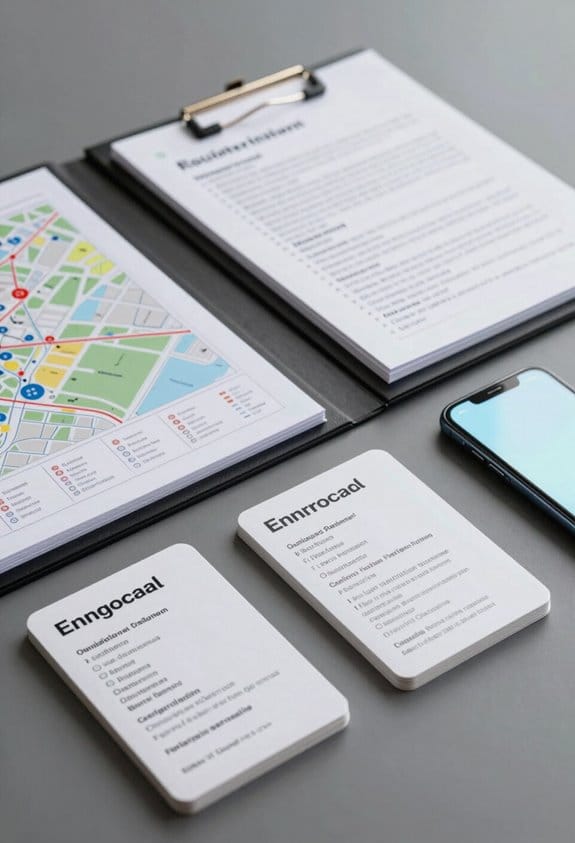
Have you ever thought about what you’d do if something unexpected happened and you lost track of your family? It’s a scary thought, but having a family reunification plan can make all the difference when chaos strikes. Start by picking a couple of specific meeting spots, like a park or a recognizable landmark. This way, if things go sideways, everyone knows where to meet up.
You need to think about how you’ll communicate, too. Imagine being unable to call your loved ones because all the cell networks are down. That’s why it’s a good idea to set up multiple ways to reach each other—whether it’s through texting, social media, or even good old-fashioned landlines.
Every family member should have their own emergency supplies—not just a stash for adults, but also for kids and pets. Keep it updated and check it regularly. You don’t want to realize your kid’s backpack is missing essential supplies when you need them most.
Kids should be part of the plan, too. Teach them their full names, your phone numbers, and even a family password to say if they need to identify themselves. This way, they’ll feel more secure and know what to do in case of an emergency.
And don’t forget about schools; it’s worthwhile to find out what their emergency procedures are. Schools should ideally have clear plans for reunification that you can rely on, and knowing these can help ease everyone’s nerves when panic sets in.
Including portable sanitation solutions like portable toilets can help maintain hygiene and comfort during extended outdoor reunification efforts.
How to Create an Effective Reunification Strategy
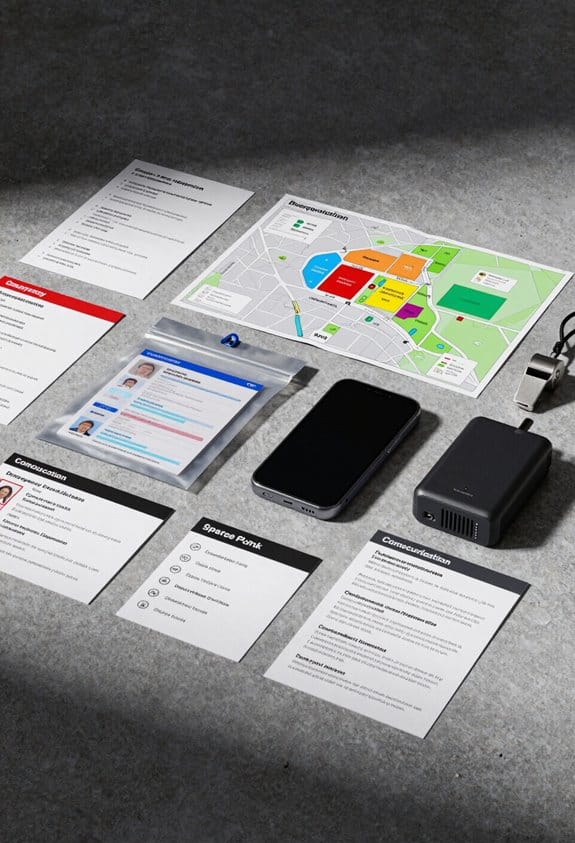
Creating an effective reunification strategy is crucial for families, especially during unpredictable emergencies. Imagine this scenario: you’re at a busy event, and somehow your family gets separated. What would you do?
To start, pick a spot that everyone can easily remember—something like the local park or a familiar landmark. You want everyone to think, “If we get lost, we’ll meet at XYZ place.” Trust me, a little planning goes a long way.
Next, put together emergency cards for each child. These should include essential contact information and a reliable out-of-town contact. This way, if something happens, they can reach a trusted adult outside of the immediate chaos. It’s not just a card; it’s peace of mind.
Don’t forget about practice! Regularly go over your family emergency plan. Recite phone numbers and go over evacuation routes together. You might be surprised how easily folks forget this stuff when panic sets in. And keep identification updated for everyone in the family—medical info included—to speed up the reunification after a disaster.
Now, here’s something many parents overlook: reach out to your children’s schools. Engage with them about their reunification procedures. It’s essential to know their plan and ensure it aligns with emergency management agencies. So, why does this matter? It reduces the chances of kids going missing during crises, and that’s something every parent wants to avoid.
In addition, having a well-stocked trauma kit with basic emergency supplies on hand can provide crucial aid while waiting to reunite with your loved ones.
Recommended Products

[Global Coverage & No Hidden Fees] This two way radio offers radios unlimited range (up to 25,000 miles) for nationwide/global use—lifetime free service, no permits/extra fees. Ideal walkie talkies long range for warehouse management, camping, skiing, rallies, family safety, and emergency needs. Unbox and use instantly, no complex setup.

Unlimited Range Rapid Global Walkie Talkie (Lifetime Free SIM) FCC ID:2AN96PO25601 Break distance barriers with 4G LTE SIM support, enabling long-distance communication with 5000 miles+ coverage via cellular networks. Enjoy nationwide connectivity without subscriptions or hidden fees.

【Nationwide Walkie Talkie】Cellular POC ptt-walkie talkies technology for seamless unlimited range coverage.The 4g lte SIM card is pre-inserted for you.Just unbox,power on, and enjoy crystal clear instant rapid communication across California to New York,cities, states,and countries.FCC ID: 2BK59-M12
Communicating Your Reunification Plan With Schools and Caregivers
It’s a tough reality to think about, but we all need a solid plan for if something goes wrong at school. Open communication with schools and caregivers is key to making sure our kids are safe and can reunite with us quickly when needed.
Start by reaching out to your child’s school administrators to talk about their Emergency Operations Plan. You’ll want to know how they secure our kids’ safety and make sure they can get home quickly. It’s also a good time to inform them about who’s authorized to pick up your child. Make sure they have accurate, up-to-date contact information, too.
Don’t skip the ongoing chats with caregivers, either. Regularly discussing emergency plans keeps everyone in the loop and ready to act in case of an emergency.
And don’t forget about the resources schools offer. They’re filled with helpful flyers and guides that lay out clear steps for reunification, especially during a crisis or if local law enforcement is involved. Knowing what to do can make all the difference when it comes to your child’s safety.
In addition, having access to an emergency radio can provide essential real-time updates and ensure you stay informed during critical situations.
Recommended Products

8 Pack of radios and associated accessories.

Very clear, simple, heavy-duty radio. Has lots of channels (8 total), so good for businesses who have many users and need to split up communication into groups .

8 radios and associated accessories.
Practicing Your Reunification Plan: Tips and Techniques
How often do you stop and think about how prepared your family really is for an emergency? It’s kind of scary when you think about it, but having a solid plan can make all the difference. Practice makes perfect, so getting together as a family to go over your reunification plan is key. Make sure everyone knows their roles and responsibilities—it’s important that everyone’s on the same page.
Have you involved your kids in this process? They can learn to memorize important phone numbers and even keep communication cards on hand for emergencies. It really helps to simulate real-life situations, such as fire drills, so everyone feels comfortable with what to do when chaos strikes.
Visiting your designated meeting spot often can be a fun little family outing, too, while making sure the kids know where to go if you get separated. And don’t forget about your pets! Make sure your plan includes how to evacuate them, so no one’s left behind in a panic. It’s also wise to keep a first aid kit in your emergency supplies for handling minor injuries during reunification efforts.
Recommended Products

【4G LTE Radio Walkie Talkie with SIM Card】Intercom long range walkie talkies also offers life time free hyperspeed data service .Pre-installed 4G LTE SIM card, no complex activation procedures are required,Just unbox,power on, and enjoy crystal clear instant rapid communication across California to New York,cities, states,and countries.FCC ID:2BK59-G5-1

[Unlimited Range Walkie talkies Adopts Noise Filtering]:This two-way radio is equipped with a highly sensitive microphone, which can clearly record human voices and eliminate 95% of environmental noise. Maintain the high-definition sound of PTT rapid walkie talkies in busy industrial environments or noisy urban areas.Fast radios are applicable to collaboration with factory construction sites or warehouse management.

Product Type: Battery
What Supplies Do You Need for Emergencies?
Have you ever thought about what you’d do if an emergency hit? It’s a topic no one likes to dwell on, but being prepared can make all the difference. Start by gathering the right supplies tailored to your family’s unique needs. Consider everyone’s age and health status, including your pets—don’t forget their food and a first aid kit.
You’ll want to check these supplies regularly. It’s crucial to update anything that’s expired and to ensure everything’s easy to reach when you need it most. Keep your emergency stash in a visible spot; trust me, you don’t want to be fumbling around when time is of the essence.
One useful tip for families with kids is to prepare a school bag with an emergency card. This should include personal details and contact numbers for a family member or trusted friend. So, why is this important? Because it ensures that your kids have a plan, helping them feel more secure during unexpected situations.
In addition, including a well-organized first aid kit in your emergency supplies can facilitate quick response to injuries, greatly improving outcomes.
In the end, being prepared isn’t just about having stuff; it’s about having peace of mind. How ready do you feel for whatever life might throw your way? Don’t wait—take some time today to review your supplies and make sure you’ve got what you need for your family’s safety.
Recommended Products

BULK SUPPLY FOR HIGH-DEMAND USE – This pallet includes 50 cases, each with 125 instant cold packs, totaling 6,250 packs. Ideal for hospitals, sports teams, first responders, schools, and workplaces that require a reliable, high-volume supply of cold therapy for injuries, pain relief, and emergency medical situations.

INSTANT RELIEF - NO FREEZER NEEDED! Just squeeze the center of the flexible ice pack to activate the single use disposable bags to make them as cold as ice. Apply cold packs to injury to reduce swelling, inflammation and pain for about 15 minutes per bag.

EXTENDED SELF‑SUFFICIENCY HOME KIT – This Shelter In Place Kit is designed to provide 2+ weeks of sustained survival for you and your family, including food, water, power, and medical supplies. Perfect for emergencies where evacuation is unsafe, giving you peace of mind and complete home preparedness.
How to Involve Children in Emergency Preparedness
Are you ready if an emergency strikes? It’s not just about having a stash of supplies; it’s also about making sure every family member understands what to do when the unexpected hits. One of the best ways to prepare is by involving your kids in crafting a family emergency plan together.
Start off by picking a specific spot where your family can meet up if something happens—maybe a playground or a neighbor’s yard. Teaching kids their full names, your names, and important phone numbers is essential. You can even turn this into a fun activity! The best part is that regular practice can help solidify these important details.
Try this: recite contact information as a family and take walks to rehearse emergency routes. It’s a great bonding experience and helps kids think through the process. So, why does this matter? Kids who know what to do during an emergency feel more secure and confident.
Don’t overlook discussing safety protocols with your children. Establishing a family password can be an effective way to ensure they identify trusted adults. This small step can make a big difference in keeping your kids safe and aware.
Lastly, consider having your children carry an emergency card in their backpacks. This card can include essential information, making it easily accessible if you ever get separated. Truth is, preparing your kids for emergencies can empower them and give you peace of mind.
Involving your little ones in emergency preparedness isn’t just a task; it’s a chance to teach them valuable life skills. How can you make preparedness a regular part of your family’s routine? Wearing the right supportive footwear during drills can also help prevent foot strain and keep everyone comfortable.
How to Quickly Reunite With a Missing Child?
What can you do to make sure you reunite with a missing child as quickly as possible? First off, every family should have an emergency plan that includes a designated meeting spot. It’s a good idea for kids to carry an emergency card with their personal details, parental contact information, and an alternate person to call. This can really speed up things for authorities.
You’ll also want to stay connected. Try using various ways to communicate, like social media or messaging apps, so that your kids can easily let you know they’re safe. In the unfortunate event that your child goes missing, reach out to local law enforcement right away and provide as many details as you can, like their age, height, and what they were wearing.
Practicing your emergency procedures regularly makes a big difference. Kids usually feel more confident and can handle crisis situations better, which ultimately helps with getting back to you in a hurry.
Additionally, keeping a well-stocked first aid kit accessible during emergencies can provide immediate care if needed before professional help arrives.
Recommended Products

TIRED OF SWAPPING FOCUS FOR DIFFERENT MATERIALS AND DEALING WITH BURN MARKS? JL9 20W laser engraver features a built-in focus pin – rotate to switch between three preset focal lengths (3mm, 5mm, 7mm) for thick cutting, thin cutting, and fine engraving. One-click focus, no guesswork. Includes a built-in air pump to prevent burning and charring – clean, smooth edges with no secondary polishing needed. Heightening columns come standard for taller items and optional roller attachment compatibility. Carverall JL9 laser cutter – cut clean, focus fast, create more.

【Thumb Turn Lock and Unlocked in Emergency】A clear "VACANT" (green) or "IN USE" (red) indicator shows if the bathroom/restromm is available. Inside can be locked with thumb turn button. When emergency, outside can be unlocked with card/coin/pin. Suitable for doors that only require lock and privacy from inside. Friendly for kids/elders.

【Dual Cameras for All-Round Protection】5MP front + 8MP rear HD dual cameras with 98° ultra-wide angle and video stabilization on the rear lens; remotely switch between cameras to simultaneously check your child's status and surrounding environment. Innovative split-screen display shows real-time video and location updates on one screen, keeping you fully informed of their whereabouts.
Resources and Support for Family Reunification Efforts
Have you ever thought about what you’d do if a crisis separated you from your family? It’s a scary situation, but there are ways to prepare yourself for family reunification when it matters most. Organizations like the American Red Cross and the National Center for Missing and Exploited Children provide some fantastic tools. Their Unaccompanied Minors Registry and the Safe and Well website can be lifesavers when you’re trying to locate your children.
To boost your chances of a speedy reunification, it’s crucial to have a Family Emergency Plan in place. Here’s the trick: include important contact details and a specific meeting point that everyone knows. This way, when chaos ensues, you all have a clear path back to each other. Plus, schools and childcare centers often have their own reunification plans during emergencies, so make sure you’re familiar with those protocols as well.
So, why does this matter? Because staying connected during tough times is key. The best part is, social media can play a big role in keeping your loved ones updated on your safety. Use it to share quick messages or updates, making it easier for everyone to know you’re okay. Additionally, having reliable communication tools like emergency weather channels and durable radios can be invaluable during disruptions.
In recap, having a solid plan for family reunification can really help in a crisis. Are you ready to take those steps to protect your family?
Frequently Asked Questions
What Is the Most Common Goal of Reunification Family Therapy?
Often, we witness families like the Johnsons, who reconnect through therapy techniques focusing on emotional healing and communication skills. The most common goal of reunification family therapy is to improve family dynamics and restore connections.
What Are the Strategies for Reunification?
For successful reunification, we’ll utilize resources for emotional support, develop clear communication strategies, foster conflict resolution skills, and remain mindful of cultural considerations, ensuring everyone’s needs are addressed throughout the process.
What Are the Duties of the Family Reunification Team?
Like a conductor guiding an orchestra, we guarantee fluid communication within family dynamics. Our team roles focus on support networks, implementing communication strategies, and managing cases effectively to reunify loved ones during emergencies.
What Is a Family Reunification Plan?
A family reunification plan’s essential for maneuvering family dynamics. It addresses communication barriers, provides emotional support, tackles logistical challenges, and respects cultural considerations, ensuring we reunite effectively during emergencies and maintain our family’s well-being.


