
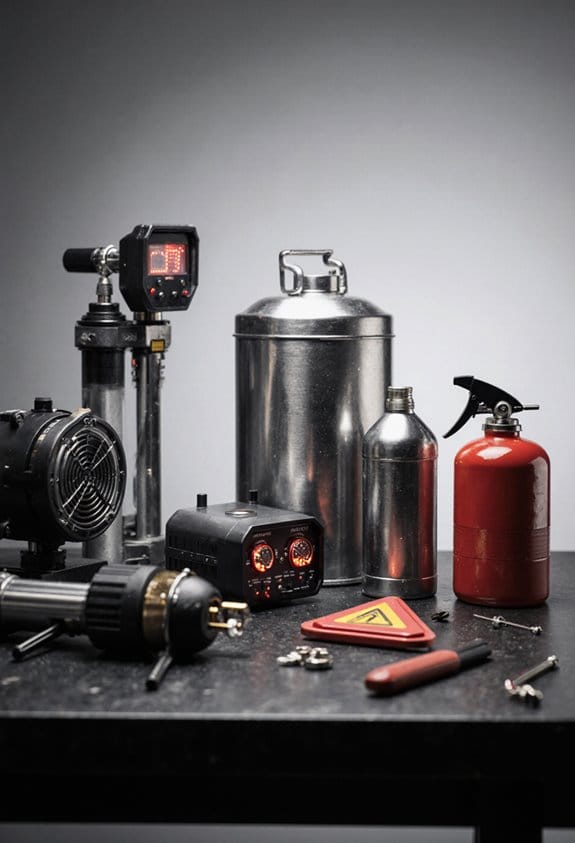

What’s lurking in your garage that could spark a fire? Understanding the fire triangle—heat, fuel, and oxygen—is crucial for keeping your DIY workspace safe.
Start by identifying potential fuel sources like gasoline, solvents, and other flammable materials. Make sure to store these in labeled metal containers away from heat sources.
When it comes to heat, think about electrical tools or any open flames. Keep those far away from anything that can catch fire.
If you have a messy garage, it can really up your fire risk—so make it a habit to clean and organize regularly. Keeping your space tidy not only helps you find your tools but also minimizes danger.
Here’s the trick: Always have fire extinguishers and blankets within reach. It’s not a bad idea to do a quick safety check every now and then.
So, why does this matter? Because taking these simple steps can make all the difference in preventing a disaster.
Truth is, fire safety doesn’t have to be a complicated affair. Follow these tips to create a safer workspace, and you’ll have more peace of mind when tackling your next project.
What’s one safety measure you plan to implement this week?
Key Takeaways
- Understand that the fire triangle consists of heat, fuel, and oxygen; managing these elements reduces fire risks in the garage.
- Store flammable fuels like gasoline and solvents in tightly sealed, labeled containers away from any heat sources.
- Maintain a safe distance between heat sources, like electrical tools or open flames, and combustible materials to prevent accidental ignition.
- Regularly inspect and organize the garage to eliminate clutter, which can act as fuel, and improve ventilation to reduce heat buildup.
- Keep fire safety tools, like extinguishers and blankets, accessible, and familiarize yourself with their proper use to effectively combat fires.
How Understanding the Fire Triangle Can Prevent Garage Fires

Have you ever thought about how easily a fire could start in your garage? It’s a common space for storing everything from tools to flammable materials, and understanding the fire triangle can help you keep your garage safe. The fire triangle is made up of heat, fuel, and oxygen—knowing how to manage these elements can significantly reduce the risk of a fire.
Start by identifying the heat sources lurking in your garage. Things like electrical tools and open flames can easily ignite nearby items if you’re not careful. Keep those heat sources away from anything flammable. Think about it—could your paint cans be sitting too close to that old heater?
Then, you’ve got to think about fuel sources. Gasoline, solvents, and other chemicals should always be stored in tightly sealed, labeled containers. It’s also smart to keep them far away from any heat sources. Just imagine that moment when you reach for your tools but see a can of gas too close for comfort. Not a great feeling, right?
Next up, let’s talk oxygen. Keeping your garage organized not only makes it look better but also helps reduce potential fire hazards. When you clear clutter, you’re limiting the amount of oxygen available for a fire to spread. It’s a simple step that can make a big difference.
Regularly reminding ourselves about these fire triangle components is a smart way to improve safety in our garages. By taking these steps, you can significantly reduce the risk of a garage fire. Equipping your garage with emergency preparedness tools can also enhance your ability to respond quickly if a fire does start.
So, why not take a moment today to assess your space? You’ve got this!
Identifying Common Fuel Sources in DIY Projects
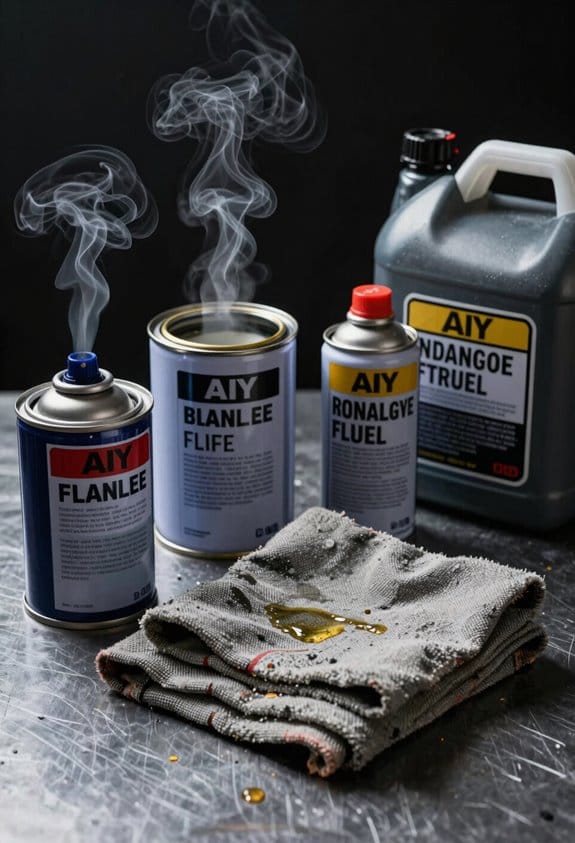
When you dive into DIY projects, have you ever stopped to think about the fire hazards that might be sneaking around your workspace? It’s surprising how many everyday materials—like wood, paper, fabric, paints, and adhesives—can catch fire if they heat up too much. You really want to keep an eye on those!
Gasoline, solvents, and aerosol sprays are a different beast. These things are highly volatile and can cause some serious trouble if they’re not stored the right way. So, what’s the trick? Make sure you keep them in a safe place, sealed tight and away from anything that could create a spark.
If we’re talking specifics, wood and paper can ignite at temperatures between 200-250°C (392-482°F). This means you should be super vigilant about your heat sources. It’s not just about being careful; it’s about being smart. Chemical products, like varnishes or linseed oil, can generate heat, and those combustible rags? They can be a real fire hazard, especially if they get too warm.
Here are some straightforward steps you can take:
- Always label containers clearly.
- Seal them up tight.
- Store them far from any potential heat sources.
In addition, having access to portable AEDs in your workspace can provide critical emergency support in case of cardiac events linked to fire-related stress or injuries.
Recommended Products

(1Pcs.) 40’(L) x 33’(W) Shipping Container Building Shelter - 21 oz 610 gsm PVC White Cover, No End Walls

Four wide file drawers built with high sides for use with hanging folders and 1 follower block per drawer

Four wide file drawers built with high sides for use with hanging folders and 1 follower block per drawer
How Heat Sources Can Ignite Fires in Your Garage?
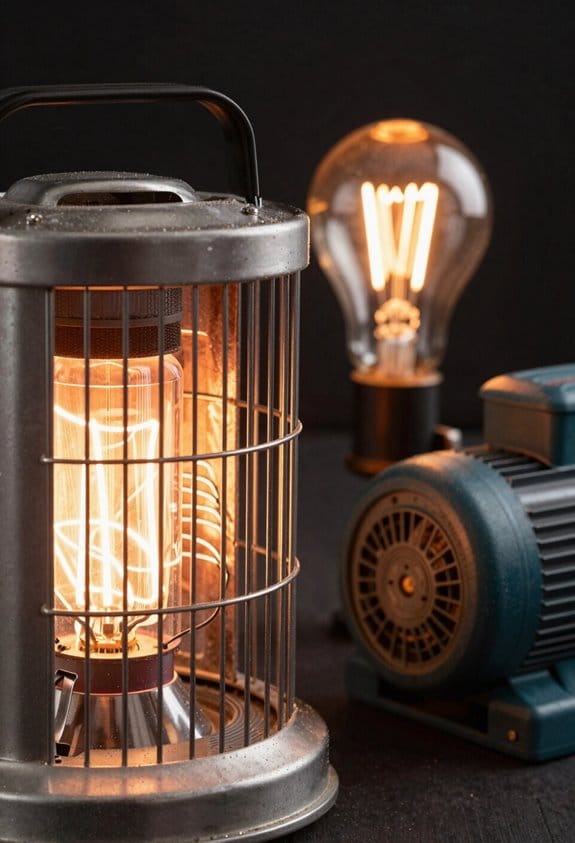
Have you ever thought about how easily a fire could spark in your garage? It’s often the least expected things that can turn into fire hazards if we don’t keep an eye on them.
First off, let’s talk about the obvious culprits. Open flames and the sparks that come from electrical tools can be dangerous when they’re too close to flammable materials. But did you know that even soaked rags can catch fire? This can happen if they generate enough heat when exposed to oxygen. Keeping your garage tidy goes a long way in preventing these risks.
Another area to consider is your garage’s electrical systems. Regular checks are a must to catch any overheating issues early. Here’s the trick: maintain a safe distance between any heat sources—like your water heater and your storage boxes filled with old newspapers or paint cans. The heat from those rags and tools is often overlooked.
Also, don’t forget about compost heaps if you have one. They can actually produce significant heat in a confined space, reaching ignition temperature. So, why does this matter? Raising awareness about fire safety in the garage is crucial. Think about it: the fire triangle consists of heat, fuel, and oxygen. If you can keep those elements in check, you’re well on your way to fire-proofing your garage.
In short, stay vigilant about the heat sources in your garage and always keep flammable materials at a safe distance. Using filtration systems to ensure clean air quality can also help minimize fire risks associated with airborne particles.
What’s one step you can take today to make your garage safer?
Recommended Products


Now you can visually see where your current conditions stand against the four Heat Index warning levels

The information below is per-pack only
Keeping the Air Clear: Simple Ways to Minimize Fire Risks
Ever walked into your garage and felt a bit uneasy? You’re not alone. Garages can be pretty scary places when it comes to fire risks. Luckily, there are some straightforward steps you can take to keep the air clear and help prevent any incidents.
First off, try to enhance ventilation. Regularly open windows and doors to create airflow. This simple act really helps clear out any flammable vapors that might be hanging around. It’s also super important to store flammable liquids like gasoline and solvents properly. Make sure they’re in metal containers with tight lids, far away from any heat sources.
Clutter is another big fire hazard. Keep your garage tidy by getting rid of unnecessary items. It might be tempting to stash cardboard boxes or old fabric there, but those could easily fuel a fire. Speaking of safety, consistently check your electrical equipment and wiring. Overheating and sparks can spell trouble, so don’t skip out on those routine inspections.
What’s the deal with smoke detectors? Frankly, they’re a must-have. Install one in your garage for that important early warning if smoke starts to seep through. It could make all the difference in giving you time to take action.
Tips to Control Heat and Prevent Ignition
Keeping a garage free of fire hazards is more than just controlling air quality; heat management is a big deal too. Ever thought about how easy it is for small issues to turn into big problems? Regularly inspecting electrical systems can help catch problems like short circuits or overloaded outlets before they spark a fire. Just think about all the stuff we plug in every day—it’s easy to forget about the risks involved!
Try this: always dispose of soaked rags with flammable materials properly. Leaving them lying around can lead to dangerous self-heating reactions. And you might want to think twice before setting up a compost pile in your garage. Those things can heat up quite a bit while they break down.
Don’t forget about your storage options either! Using heat-resistant containers for any flammable materials is a smart move. Honestly, being diligent about heat sources can greatly reduce your risk of fire. Keeping the balance of heat, fuel, and oxygen in check sounds pretty straightforward, right? Monitoring and managing heat sources in your space can prevent ignition before it happens.
Recommended Products

FIRE SAFETY FEATURES: This flammable safety cabinet has an all-welded 18-gauge construction with 1-1/2" insulating air space for increased fire protection; Lockable flush mounted handle with 2 keys, grounding connector, twin 2-Inch flame arrestor vents

Ideal for transporting waste, laundry, and other materials

【Heat Insulation Technology】This 55 Gallon 55 Gallon flammable storage cabinet 65" H x 42.91" Wx 18.11" D utilizes double-walled steel and fireproof insulation. The steel flammable liquid cabinet effectively delays fire spread compared to standard metal storage cabinet items.
Best Practices for Safe Storage of Flammable Garage Materials
Storing flammable materials in your garage can be a bit nerve-wracking. Don’t you just hate when things feel like they could go up in flames at any moment? Keeping items like gasoline, paints, and solvents under control is crucial for a safe space. Here’s what you can do.
First off, always store these materials in approved, clearly labeled containers. It’s amazing how much peace of mind a little organization can bring. Just make sure you’re not leaving these containers in direct sunlight or near heat sources. Keeping them at least three feet away from anything that produces heat can make a real difference.
Consider using shelving or specially designed cabinets for flammable storage. These can help with heat dissipation, which is definitely a bonus. You really don’t want to create a mini fire hazard in your own garage.
Also, clutter can be a sneaky problem. Have you looked around your garage lately? Regularly inspecting and cleaning up, especially removing paper and cardboard, is essential. These materials can act as fuel, and we really want to avoid that!
Here’s another tip: store flammable liquids in quantities of less than 5 gallons. This can significantly limit the risk of a fire. And let’s not forget about being prepared. Having fire extinguishers nearby will help ensure you’re ready to act quickly if anything goes wrong.
To further protect your garage, consider investing in a flammable storage cabinet designed to provide fire-resistant containment and proper ventilation.
To wrap it all up, safe storage of flammable materials isn’t just about following rules; it’s about protecting yourself and your home. What’s one thing you can do today to make your garage a safer place?
Recommended Products

Built for Hazardous Material Storage - Safely store flammable liquids and chemical materials with a flammable cabinet designed to minimize fire risks and improve workplace safety protocols

Helps Keep Your Space Safe - Our classic flammable liquid storage cabinet is essential for the proper storage and handling of flammable liquids, and for adherence to relevant safety standards

FIRE SAFETY FEATURES: Safety cabinets have an all welded double wall 18-gauge construction with 1-1/2" insulating air space for increased fire protection, 2-Inch leakproof sill contains leaks and spills inside the cabinet, lockable flush mounted handle with 2 keys, grounding connector, twin 2-Inch flame arrestor vents
Fire Safety Essentials Every DIY Enthusiast Should Know
Fire safety in the garage might seem like a straightforward issue, but it’s really about much more than just where you keep your flammable stuff. Have you ever thought about the fire triangle? It’s made up of heat, fuel, and oxygen—get a handle on these three elements, and you’ll go a long way in preventing fires during your DIY projects.
Start by making sure all your flammable liquids are stored in sealed, clearly labeled containers, and keep them far from any heat sources. Check your electrical tools regularly for signs of wear; you don’t want a frayed cord to cause an unexpected spark. And whatever you do, don’t forget about those rags soaked in linseed oil. They can spontaneously ignite, so make sure you’re disposing of them properly.
Now, we all know oxygen is everywhere. So, when it comes to fire safety, your goal should be to smother flames if they start. It’s a good idea to keep a fire extinguisher handy, and make sure you know how to use it properly. Investing in slip-resistant footwear can also enhance your safety by preventing falls during emergencies. Once you’ve got these basics down, you can focus more on your projects and less on worrying about what could go wrong.
To recap, understanding how to store flammable materials and being aware of potential fire risks can make your DIY experience much safer. So, next time you’re working on a project, think about what you can do to keep fire at bay—because a little prevention goes a long way, right?
Practical Fire Extinguishing Options for Your Garage
How prepared are you for a fire in your garage? It’s a scary thought, but being ready can make all the difference. To ensure you’ve got effective fire protection, you need the right tools on hand. Fire extinguishers, especially dry powder types, are crucial. They can tackle various fires, like those fueled by flammable liquids or electricity.
Now, here’s a tip: don’t even think about using water on oil or electrical fires. It can make things worse due to heat and fuel reactions. You might want to consider keeping a fire blanket nearby, too. These can smother small fires by cutting off the oxygen supply, which is pretty handy in a tight spot.
Regularly checking and maintaining your fire extinguishing options is important. Most fire extinguishers have a lifespan of 5-15 years, so set a reminder to inspect them. Plus, it’s key that everyone in your household knows how to access and use these tools effectively. Additionally, wearing protective gloves can enhance safety when handling fire extinguishing equipment.
Recommended Products

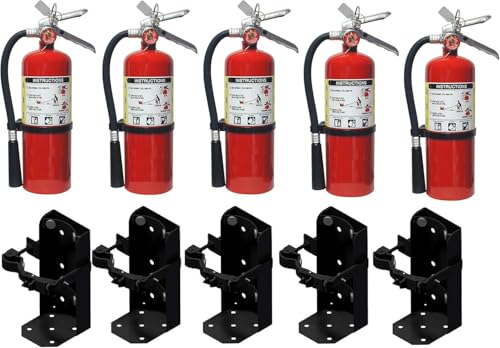
Fire Extinguisher has a mininum 2A 10BC Rating

Chemical & Capacity: ABC Dry Chemical, 10 Pounds
Essential Fire Safety Education for DIY Enthusiasts
Have you ever thought about how easy it is to overlook fire safety when you’re deep into a DIY project? It’s all too common for us to get so focused on building and creating that we forget about what could go wrong. Understanding fire safety is crucial, especially for those of us who spend time in garages packed with tools and materials.
Think about the fire triangle: heat sources, fuel, and oxygen. Each element must be managed carefully to keep a fire from starting. Here’s what you can do: always store flammable materials like gasoline and paint in labeled, sealed containers, and make sure they’re far away from any heat sources. Regularly checking your electrical systems can also help prevent potential fires before they ever start.
Maintaining a tidy workspace not only makes it easier to find your tools but also reduces fire risks. Clutter can act as fuel and make it harder to get to a fire extinguisher in an emergency. Plus, it’s just a good idea to keep those pathways clear.
So, how comfortable are you with your fire extinguishers? It’s really worth investing some time in learning how to use them properly. Knowing how to effectively remove heat, fuel, or oxygen from a fire can greatly enhance your safety.
Honestly, fire safety isn’t something we can afford to take lightly. Remember to regularly check your surroundings and be mindful of how you store your materials. A little awareness goes a long way in preventing accidents. Have you reviewed your safety checklist lately? It could save you a lot of hassle down the road. Additionally, incorporating lockout tagout kits in your safety routine can help prevent accidental startup of tools and equipment, boosting overall workplace safety.
Frequently Asked Questions
Which of These Is Missing From the Fire Triangle Oxygen Fuel?
Oxygen’s not missing; it’s always present in garages, increasing fire risks. For effective fire prevention, we must manage flame sources and DIY hazards, maintain emergency plans, and keep fire extinguishers handy to enhance garage safety.
What Is Included in the Fire Triangle Along With Heat and Oxygen?
Along with heat and oxygen, fuel’s essential in the fire triangle. Let’s emphasize fire prevention methods together by identifying heat sources, managing oxygen supply, and raising flammable materials awareness for effective DIY fire extinguishing and garage safety tips.
What Three Elements of the Fire Triangle Heat Oxygen and Fuel Must Be Present at the Same Time for a Fire to Burn?
For a fire to burn, we’ve gotta have heat, fuel, and oxygen present simultaneously. Together, let’s prioritize our fire prevention tips, check our garage safety checklist, and know fire extinguisher types in our emergency preparedness plan.


