
Setting up a Clean Zone and Dirty Zone in your one-car garage can really help you stay organized and make your DIY projects go smoother. If you’ve ever had to dig through a pile of tools just to find the right one, you’re not alone! The key here is to carve out specific areas for your detailed work and those messier tasks.
Try this: designate a clutter-free space for your Clean Zone. This should have labeled bins for all your tools and supplies, along with a solid ergonomic workbench. It’s the ideal spot for those projects where you want to keep things neat. On the flip side, the Dirty Zone should be close to your dust collection systems, with durable surfaces that can handle the mess.
Want to draw a line between the two? Use some curtains for visual separation. Keeping clear pathways will make it easier—and safer—to move between your zones. And don’t overlook ventilation and safety; managing dust and fumes is crucial no matter what you’re working on.
So, why does this matter? Think about how much easier a well-organized garage can make your projects. The best part is that once you have these zones established, you’ll likely notice a boost in your efficiency and enjoyment while working.
When it comes to storage solutions, consider strong shelving units or pegboards. They’re great for maximizing space and keeping everything accessible.
And don’t forget about regular maintenance; a tidy workspace encourages ongoing creativity and productivity.
In short, setting up distinct Clean and Dirty Zones in your garage can transform your projects. Are you ready to tackle your space and make it work for you?
Key Takeaways
- Designate specific areas for the Clean Zone and Dirty Zone to reduce chaos and streamline workflow in your garage.
- Use visual separators like curtains or tape to clearly outline the zones and maintain distinct workspaces.
- Set up the Clean Zone with an ergonomic workbench, labeled storage, and adjustable lighting for detailed projects.
- Position the Dirty Zone near dust collection systems, using durable surfaces and organizing tools on pegboards or carts.
- Ensure pathways are clear for safety and maintain regular cleanliness routines to avoid hazards and enhance productivity.
Why Separate Clean and Dirty Zones in Your Garage Matters
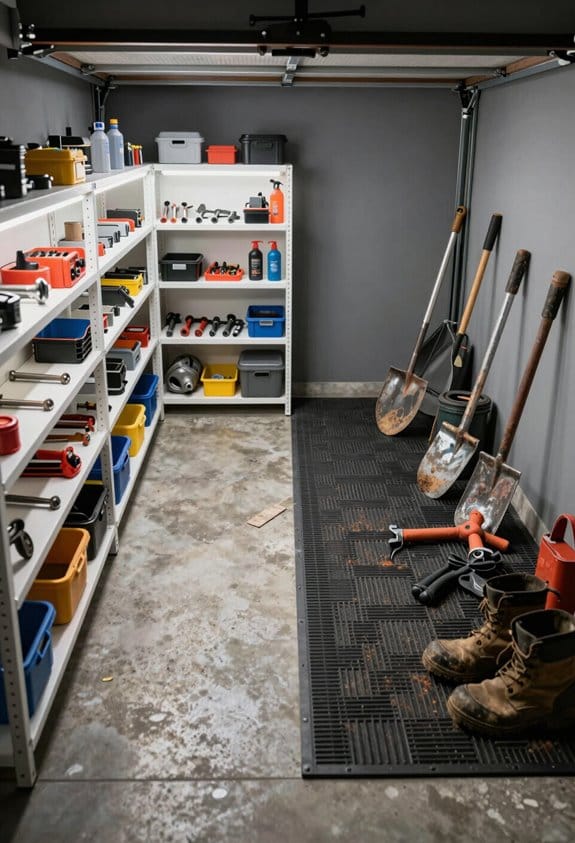
Have you ever faced the chaos of trying to tackle a project in your garage, only to realize you’re knee-deep in dust and clutter? Separating clean and dirty zones in your garage is a simple but effective way to keep things organized and efficient. It really helps in reducing the contamination from dust and debris, protecting those delicate projects you might be working on.
In your clean zone, focus on the tasks that require precision, like electronics assembly or painting. A controlled environment here is key—too much dust can lead to mistakes that can ruin hours of work. Meanwhile, designate a separate area for the dirty stuff, like sanding or cutting. This way, you can contain the mess and make cleanup much easier. Plus, it keeps hazardous materials away from your clean zone, which enhances safety and lowers the risk of accidents.
So, why does this matter? By clearly defining these areas, you streamline your workflow and boost your productivity. A well-organized garage not only helps you work more efficiently but also delivers better quality results.
The best part is that it doesn’t take much to set this up. Consider using simple markers or tape to outline your zones. A little bit of planning goes a long way, and you’ll thank yourself later when everything has its place. For instances when emergencies occur, having a waterproof emergency shelter ready in your garage can provide vital protection and peace of mind.
In short, taking the time to separate your clean and dirty zones can save you from a lot of frustration in the long run. Have you thought about how a better-organized space could change your project game?
Pinpoint Crucial Areas for Effective Garage Zoning
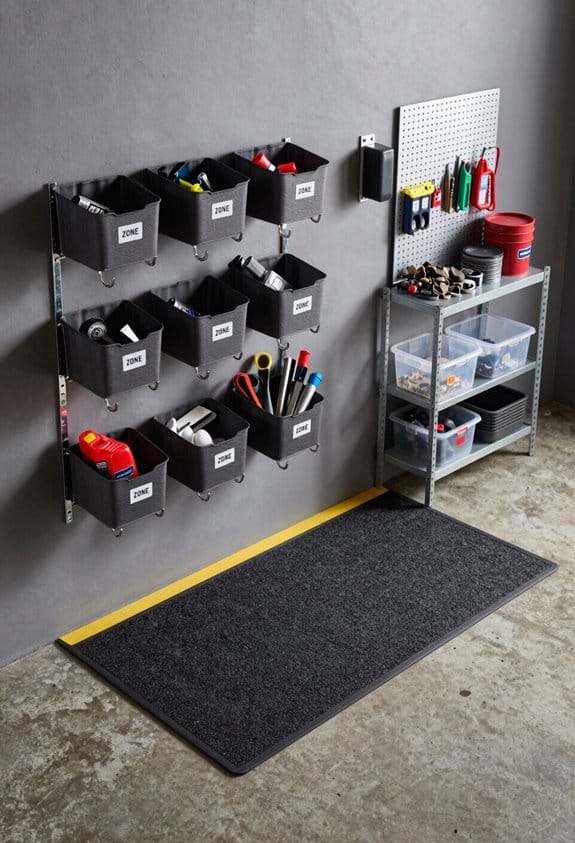
Setting Up Your Garage Zones: A Practical Approach
Ever feel like your garage is a chaotic mess? You’re not alone! Organizing your garage can make a huge difference in how you work and enjoy the space. Let’s dive into some straightforward ways to create effective zones in your garage to boost productivity.
Start by carving out a specific corner for the Dirty Zone. This is where you’ll tackle projects like sanding, cutting, and painting. It keeps the mess contained and away from your Clean Zone. Speaking of the Clean Zone, this area should be dedicated to detailed work and assembly. Good lighting and a tidy work surface are crucial here.
Now, here’s the trick: separate these zones visually. You can use plastic curtain dividers or folding screens. This simple step helps maintain some organization and can even inspire you to keep your space cleaner.
When it comes to tools, placement is everything. Think about it—do you really want to lug heavy machinery back and forth? Keep the bulky tools close to the Dirty Zone for easy access, while storing delicate tools in the Clean Zone where you can reach them quickly. It’s all about making life easier for you in the long run.
Don’t forget about safety and movement. Ensure there’s a clear pathway between your zones, ideally 30 inches wide. This not only makes it easy to shift between areas but also reduces the risk of accidents when you’re busy working.
Additionally, consider using self-adherent materials for quick organization and secure placement of items within your zones to enhance efficiency.
Establish an Organized Clean Zone for Efficient Work
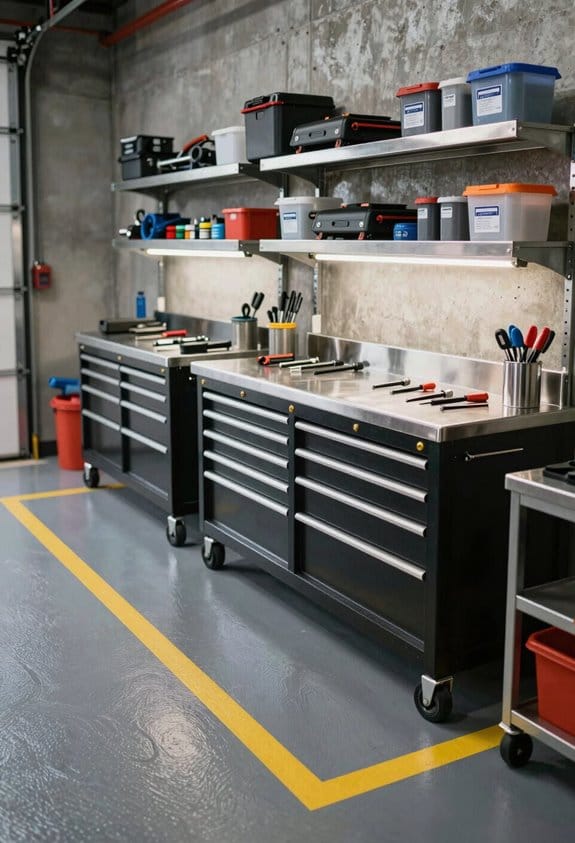
Have you ever tried working on a detailed project in a messy space? It can be frustrating, right? Establishing an organized Clean Zone in your garage is key for making those delicate tasks a lot easier. It creates a focus area where dust and debris just can’t interfere with your work.
Start by picking a specific spot that stays free from contaminants. This should be your go-to area for things like detailed assembly or electronics work. Then, think about lighting. Adjustable LED lights can make a big difference; they brighten up your workspace and help reduce eye strain.
To keep things running smoothly, try using labeled bins or shelves placed around waist to shoulder height. This way, you can grab your tools easily without having to dig around. A sturdy, ergonomic workbench is also a must; it keeps you comfortable while you work and helps improve your workflow.
Now, let’s talk organization. A clutter-free workspace is crucial. You want to minimize the mess so you don’t accidentally mix clean materials with the messy stuff. It makes your job not just effective but also enjoyable.
So, how does this matter? Well, setting up a clean zone means you can dive into your projects without distractions. You’ll find it easier to focus on what really counts.
Having a dedicated clean area is just as important as preparing a long shelf life emergency food supply to ensure you are ready for any situation.
In short, take a little time to create that Clean Zone. It’ll pay off in the long run. What small changes will you make to improve your workspace?
Recommended Products

Set Includes: 3x Multi-Use Lockers, 3x Wall Cabinets, 1x Two-Door Base Cabinet, 2x Rolling Tool Drawer Cabinets, 1x 72" Bamboo Worktop, 1x 72" Slatwall Backsplash, 1x LED Light 2700K with power adapter, 2x LED Light 2700K with connector cable

Set Includes: 2x Bold 3.0 Series - White Base Cabinet, 1x Bold 3.0 Series - White Rolling Tool Drawer, 1x 72" Slatwall Backsplash, 2x Bold 3.0 Series - White 30" Locker, 1x 72" Bamboo Worktop, 3x Bold 3.0 Series - White Wall Cabinet, 1x LED Light 2700K with power adapter, 2x LED Light 2700K with connector cable

High-strength steel Slatwall Backsplash adds style and utility to your cabinet set
Designate a Functional Dirty Zone for Messy Tasks
Creating a dedicated Dirty Zone in your garage is a smart move for handling all those messy tasks like sanding, cutting, or painting. Ever tried to clean up after a big project, only to find dust and spills everywhere? Positioning this area near dust collection systems helps maintain good airflow for cleanup.
Now, think about the surfaces you’ll be working on. You’ll want something that can take a beating and handle spills without a fuss. Durable materials like compact laminate or epoxy-sealed plywood work wonders. The last thing you need is a surface that gets ruined every time you tackle a project, right?
Proper ventilation is key, too. Consider installing extraction fans or making good use of windows to keep air quality in check. If you’re working with paints or any smelly materials, fresh air helps keep you comfortable and safe.
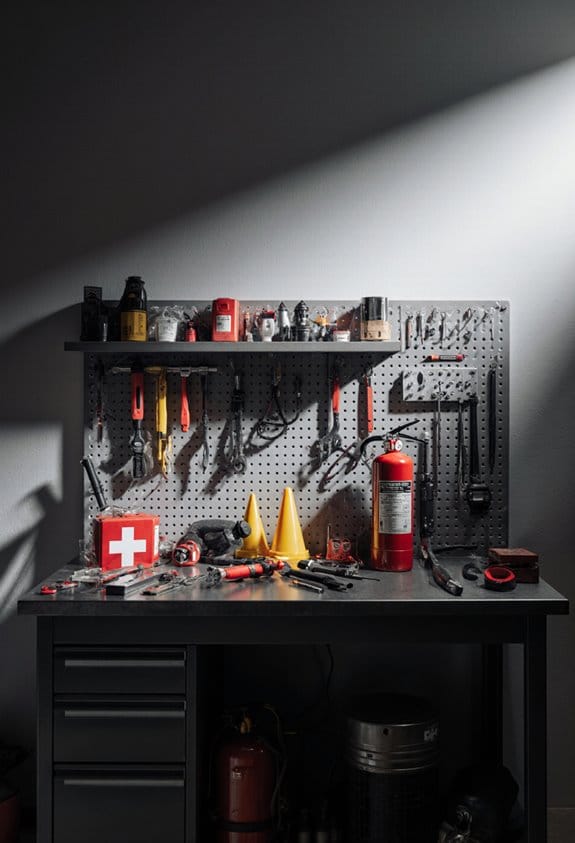
Organizing your tools and materials is another simple trick. Pegboards can be a lifesaver, and mobile carts are great for keeping everything within arm’s reach without cluttering your space. You don’t want to waste time searching for that one tool when you’re in the zone!
To really keep things neat, think about installing a retractable curtain or a partition. This can visually separate the dirty zone from any clean areas, which is super useful when dealing with delicate materials. So, why does this matter? A tidy workspace not only improves efficiency but can also protect your materials from any unwanted dust or debris.
Using a heavy-duty garage floor mat with waterproof features can help contain spills and keep your Dirty Zone easy to clean.
In short, setting up a dedicated Dirty Zone in your garage can take your DIY game up a notch. Ready to roll up your sleeves and get started? What’s the first project you’ll tackle in your new space?
Recommended Products

All model include a 29-1/4-inches deep shelf which sits 10-inches above the floor

Heavy Duty Steel Construction

WORKBENCH - AFF's Workbench with 1,300 lb capacity features a spacious work surface and an under bench storage shelf, giving ample room for tools and parts. Ideal for garages, machine shops, assembly plants, and industrial manufacturing facilities
Smart Storage Solutions to Maximize Your Garage
Is your garage feeling more like a storage unit than a place to work? Many of us struggle with the chaos of tools, seasonal decorations, and sports gear piling up. The good news is, you can make some simple changes to transform that cluttered space into an organized haven.
Try incorporating vertical storage solutions. Slatwall panels and pegboards are great for hanging up tools and supplies—they keep things off the floor and create more room for activities. When you organize, think about what you use most often. Place frequently used items at waist or shoulder height for easy access, while tucking away the lesser-used stuff above or below reach.
Don’t underestimate the power of mobile storage, either. Rolling carts or tool chests can adapt to whatever project you’re working on. If you find yourself hopping back and forth to gather supplies, these can save you time and energy. Honestly, keeping storage flexible can make everything so much smoother.
For those small parts and accessories, full-extension drawers and clear bins work wonders. They’re perfect for sorting screws, nails, and other little bits that can quickly turn into a mess. This way, you’ve got a neat little system that prevents clutter from creeping in and taking over.
So, what about those random scraps and items you just don’t use anymore? Regularly reviewing your garage contents is crucial. It helps you stay on top of your organization and keeps your space functional, whether you’re working on a home project or just need a spot for your holiday decorations.
Using hardware organizers with customizable compartments can further enhance your ability to keep small items neatly sorted and easily accessible.
In the end, an organized garage can make a real difference in your workflow and peace of mind. What steps will you take to reclaim that space and bring order to your garage chaos?
Recommended Products
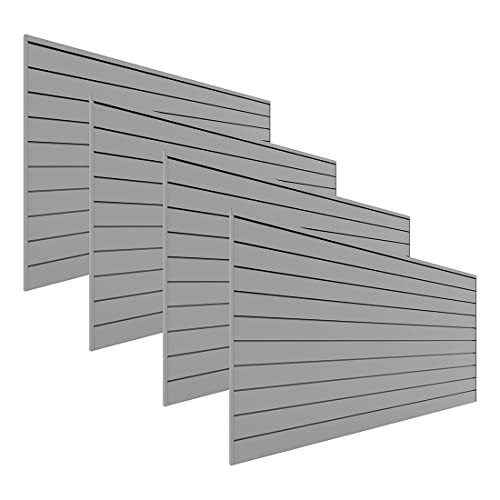
Proslat Slatwall Panels include all required trims and hardware for installation

Proslat Slatwall Panels include all required trims and hardware for installation

Proslat Slatwall Panels include all required trims and hardware for installation
Use Curtains for Effective Zoning Separation
Are you tired of finding dust on your tools right after you’ve cleaned them? Keeping your garage organized can be a challenge, especially when you’re trying to separate clean areas from the messy ones. Using curtains proves to be a smart solution for dividing your garage into a “Clean Zone” and a “Dirty Zone”.
Installing plastic or cloth curtains can do wonders in minimizing cross-contamination. When you’ve got projects in the Dirty Zone, dust can fly everywhere, making it tough to keep your tool holders clean. Opting for heavier-duty curtains can ensure they hold up to the wear and tear of garage life. You don’t want to keep replacing them, right?
Here’s a neat tip: consider using color-coded or visually distinct curtains. This makes it really easy to see which zone is which, and it can boost your workflow significantly. Plus, curtains are retractable, which means you can quickly adapt your garage setup depending on whatever project you’re working on. No need to commit to permanent walls, and you save on costs too!
Why does this matter? Because having a well-organized space can make your projects smoother and more enjoyable. Keeping things separated reduces the chance of dirty debris messing up your clean work surfaces. Adding anti-slip tape on the floors between zones can further enhance safety and prevent slips as you move around.
In short, curtains can be a simple yet effective way to keep your garage organized. Next time you’re setting up your workspace, think about how a few curtains can fit your needs. What areas of your garage could you make cleaner and more efficient with just a little separation?
Recommended Products

Removable Roll-Up Dual-Zipper Doors: Coming with removable sidewalls and door,The material of the car canopy is 220g PE fabric, waterproof, UV resistant, sturdy and durable.The door is equipped with double zippers and buckles, can be fully removed or rolled up, and designed as a front and rear door, you get convenient entry and exit, better visibility

Energy Savings All Year Round - Acepunch PVC strip curtains offer superior temperature control and insulation, making them ideal for maintaining warmth in the winter and keeping spaces cool in the summer. Their thick, adaptable design acts as an efficient thermal barrier, reducing energy costs while keeping your environment comfortable. Whether for warehouses, commercial kitchens, or industrial facilities, these curtains are a cost-effective way to enhance energy efficiency throughout the year.

Measurements: Cut size – 4ft by 12ft; finish size – 3ft 6in by 11ft 6in
Prioritize Ventilation and Safety Measures for Each Zone
Think about this: when you’re working on projects that create dust or fumes, how do you keep yourself and your space safe? Once you’ve set up those curtains to separate the Clean Zone from the Dirty Zone, it’s time to get serious about ventilation and safety for both areas.
In the Dirty Zone, you really need to ensure there’s enough airflow. Using windows is a great start, but if that’s not an option, consider installing exhaust fans. This moves out those nasty particles from things like sanding and painting, making it a lot less stressful to work. Plus, if you’re spending a lot of time there, good ventilation will definitely make things easier on your lungs, right?
Now, shifting to the Clean Zone, the air quality is super important. You want to keep it pristine, so having HEPA air purifiers is a must. And let’s be real, avoid using harsh chemicals whenever you can. You want to know your space is clean without harmful stuff floating around.
Safety shouldn’t be an afterthought, either. Make sure to have Class ABC fire extinguishers at the ready near the entry points of both zones. You never know when you might need one! It’s also smart to have first aid kits easily accessible. And hey, if you’re working with hazardous materials in the Dirty Zone, store them properly. Follow safety regulations to keep everything in check—because who wants a surprise hazard, right?
To wrap it up, maintaining good ventilation and safety measures is not just a good idea, it’s essential. Utilizing chemical storage cabinets for hazardous materials can further secure your workspace and enhance safety. You’ve got the tools and knowledge, so what’s stopping you from creating a safer workspace?
Recommended Products

Powerful Filtration: The MOUNTO 1000CFM HEPA Air Scrubber is equipped with a 6-inch true HEPA Filter, capable of capturing 99.97% of airborne particles as small as 0.3 microns, ensuring cleaner and healthier air.

PURIFY XL AREA UP TO 2,934 SQ FT - Improve indoor air circulation and purify 2,934ft² spaces in 60 minutes, or 586ft² in 12 minutes (CADR: 664.6 m³/h). The top-performing air purifier is perfect for large room, office, high ceilings, and open-concept spaces.

3-Stage Filtration System: The industrial/commercial air scrubber's pre-filter captures large particles, extending the lifespan of the HEPA filter. The 2-in-1 HEPA/Activated Carbon Filter traps microscopic particles and absorbs odors. The Light in the third stage provides an extra layer of purification by neutralizing germs and pathogens. Tailored for commercial environments such as construction sites, hospitals, gymnasiums, remodeling companies, and fitness centers.
Creating a Smooth Workflow to Minimize Cross-Contamination
Have you ever felt overwhelmed by the chaos in your garage? Keeping a clean workspace is crucial, especially when you want to avoid cross-contamination between clean and dirty materials.
To create a smooth workflow, start by designating separate areas for the Clean Zone and the Dirty Zone. Try using tape or paint to draw clear lines on the floor. This visual cue really helps keep things organized and prevents any mix-ups. If you want to take it further, consider adding retractable curtains or mobile partitions to act as physical barriers. It’s those little touches that can make a big difference!
Next, think about storage. You’ll want labeled bins for clean materials stored neatly in the Clean Zone. For the Dirty Zone, dust containment systems will work wonders in keeping the mess under control. It’s all about having dedicated spaces that serve their purpose and avoiding that dreaded overlap.
Proper ventilation also plays a key role. Make sure you have effective dust collection systems in the Dirty Zone, while in the Clean Zone, having clean air filters can really protect your delicate projects. A strategic setup can even enhance safety by ensuring emergency gear and waterproof materials are stored appropriately. So, why does this matter? A little bit of thought can save you a lot of headaches down the road.
To sum it up: keep those zones separate, organize your storage, and ensure good ventilation. Ready to tackle your garage? What’s your next step to creating that smooth workflow?
Regular Maintenance Tips for Clean and Dirty Zones
Keeping your garage tidy can feel like a never-ending chore, right? But trust me, a clean and organized workspace can seriously boost your efficiency and safety.
In the clean zone, there’s a simple routine you can follow to keep the air fresh and reduce dust buildup. Regularly checking and cleaning the air filters and ventilation systems is a must. Set a reminder for yourself to do this monthly. It might sound like a pain, but it’s worth it for better air quality.
Now, let’s talk about the dirty zone. You don’t want sawdust or clutter piling up, especially since it can lead to fire hazards. I recommend doing a deep clean every month—sweeping the floors and keeping an eye out for debris can make all the difference. So, grab a broom, roll up your sleeves, and tackle this head-on!
Remember, each zone deserves its own toolbox stocked with the right cleaning supplies. It’s easier than you think, and it helps you stay focused. At the end of each session, take a moment to clear off your surfaces. Put everything back where it belongs—trust me, it reduces stress later.
Try this: use clear labels and some signage for your storage areas. It’s a small touch, but it works wonders in keeping you organized and reminds you of important tasks, like emptying those pesky dust collection bags. Maintaining proper hygiene practices can also minimize health risks associated with dust and debris buildup.
Frequently Asked Questions
What Materials Are Best for Cleaning the Garage Floor?
For cleaning our garage floor, we’ve found that using strong cleaning supplies like degreasers works best. After cleaning, applying durable floor coatings helps protect against stains and wear, keeping our garage looking great for longer.
How Do I Prevent Pests in My Garage Zones?
We’ve learned from a neighbor’s pest control struggles that keeping our garage clean and clutter-free is essential. Regular garage maintenance, sealing cracks, and using traps can effectively prevent pests from invading our space.
Can I Change Zones if My Needs Evolve?
Absolutely, we can change zones as our needs evolve. Embracing zone flexibility helps us adapt our garage spaces effectively, ensuring they always meet our current requirements while keeping everything organized and functional for our activities.
What Are the Best Lighting Options for a Garage Setup?
For our garage setup, we love using LED lights for efficiency and brightness, while fluorescent fixtures also offer great illumination. Ultimately, we should choose options that fit our needs and enhance visibility in the space.
How Often Should I Declutter Each Zone?
We should establish a decluttering schedule every three to four months for both zones. Using organizing tips, we can maintain functionality and keep our space efficient, ensuring everything stays in its proper place and clutter-free.