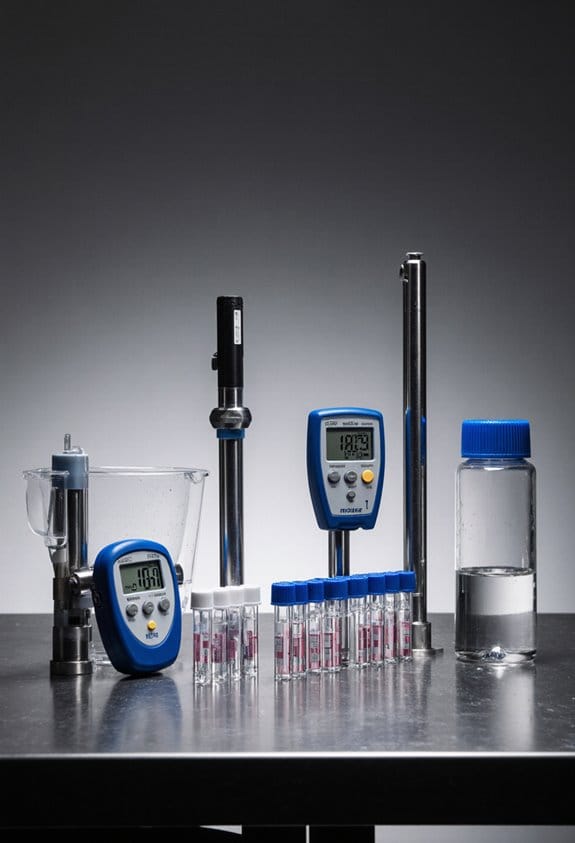

When you’re diving into home projects in older houses, you probably don’t think about lead safety right away. But, trust me, it’s crucial. Lead dust from old paint can lurk in unexpected places. Have you tested for lead yet? If not, getting help from a professional service is a smart move for accurate results.
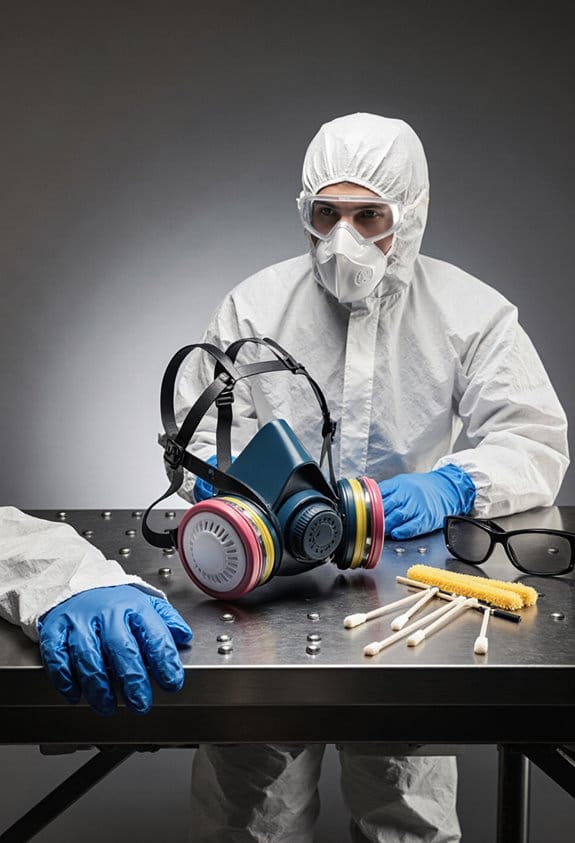
Before you kick off any project, here’s a tip: seal off your workspace using plastic sheeting. This helps prevent any lead dust from spreading to other areas of your home. It’s also a good idea to wear protective gear, like N-100 respirators and gloves.
And if you’re thinking about sanding, wet sanding is your best bet to keep dust to a minimum.
During cleanup, don’t just grab any old vacuum. You’ll need a HEPA vacuum to get the job done properly. Plus, remember to dispose of any lead waste in a safe manner.
So, why does this matter? Neglecting these precautions could lead to health risks down the road, especially if you’ve got young kids around.
For extra peace of mind, consider checking local regulations on lead disposal and safety practices. Honestly, being proactive now can save you a lot of headaches later.
In conclusion, prioritize lead safety while working on your home. It’s not just about the projects; it’s about creating a safe environment for you and your family.
Have you taken the time to assess your workspace for any potential hazards?
Key Takeaways
- Seal off the work area with plastic sheeting to contain lead dust and prevent it from spreading.
- Use disposable N-100 respirators and gloves to protect yourself from inhaling or touching lead particles.
- Employ wet sanding techniques to minimize dust generation while working with lead-based paint.
- Keep children and pets away from the workspace to eliminate the risk of lead exposure.
- Clean surfaces regularly with damp cloths and safely dispose of lead-contaminated waste to ensure a safe environment.
What’s the Deal With Lead Dust in Old Paint?
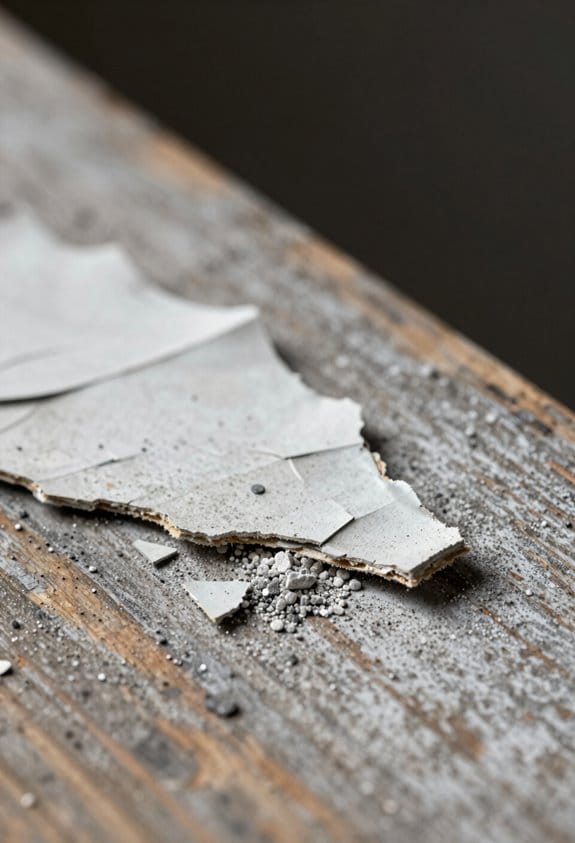
When you’re diving into home improvement projects, have you ever stopped to think about the hidden dangers lurking around? One of the big ones is lead dust from old paint. If your home was built before 1978, there’s a chance it might contain lead-based paint. This can chip and peel, sending dangerous lead dust into the air. The scary part? This dust can lead to serious health issues, particularly for kids who are more likely to absorb it, resulting in lead poisoning.
To keep yourself and your loved ones safe during DIY projects, it’s crucial to follow some straightforward precautions. Here’s the trick: always wet clean surfaces and use HEPA vacuums to minimize lead dust. It’s not just about cleaning up afterward; it’s about preventing that dust from spreading in the first place.
Thinking about tackling the project yourself? It might be worth considering hiring certified lead professionals for testing and remediation. They know exactly what to do, ensuring any disturbances are handled safely. This way, you can focus on your renovation without worrying about potential exposure.
Truth is, nobody wants to deal with lead dust and its potential consequences. So, why does this matter? Protecting your home shouldn’t come at the cost of your family’s health. As you plan your next home project, remember these tips to create a safer environment for everyone. Are you ready to get started safely? Using ergonomic tools during cleanup can also help reduce fatigue and improve safety.
Recommended Products
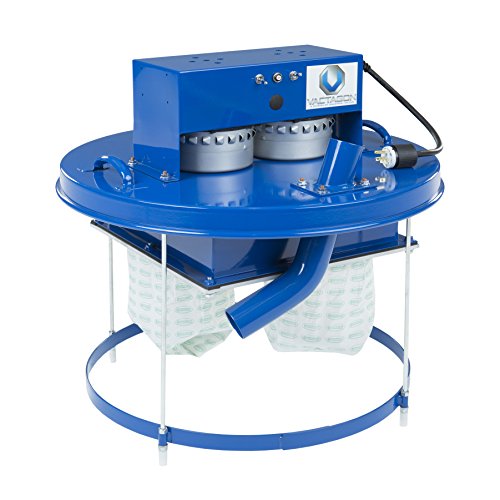
TURN A 55 GALLON DRUM INTO THE BEST VACUUM YOU’ll EVER OWN

POWER: With strong airflow and suction power, the BOSCH VAC090AH dust collector delivers a maximum 150 cubic feet of air per minute rate (CFM), with a sustainable maximum 97 in. static water lift

A powerful and efficient motor delivers 155 CFM of airflow for maximum suction performance in a variety of jobsite applications.
How to Test for Lead in Your Home
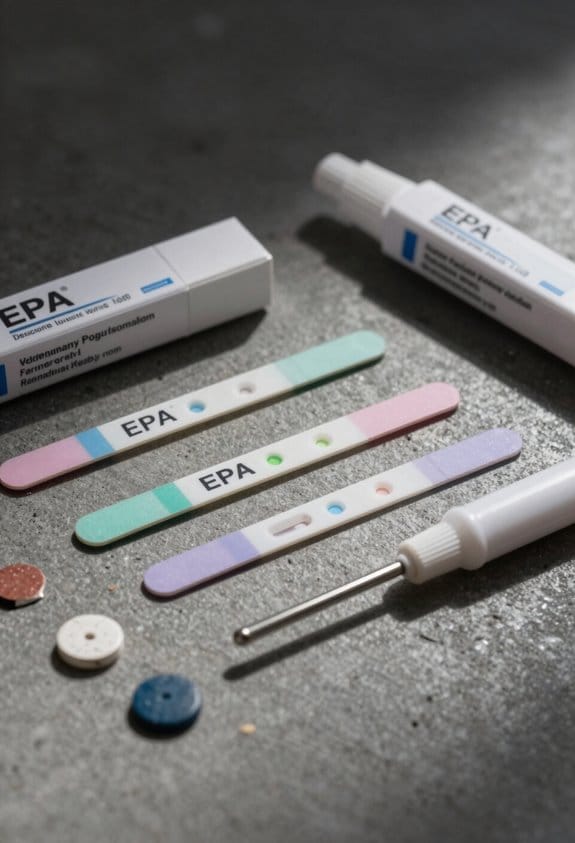
Before diving into any home improvements, ask yourself: how safe is your workspace when it comes to lead exposure? This is especially important if your home was built before 1978. Testing for lead may seem daunting, but you’ve got options.
Try this: head to your local hardware store and pick up a DIY lead test kit. While these kits are convenient, keep in mind that they might not always give you the most accurate results. For peace of mind, consider hiring a certified lead inspector. These professionals often use advanced tools, like X-ray fluorescence (XRF) devices, which offer precise, non-invasive testing.
If you do decide to take the DIY route, be cautious when scraping paint for samples. It’s crucial to take safety precautions to avoid stirring up lead dust, which can be harmful. Thorough testing for lead is key before starting any renovation projects—after all, it’s about protecting you and your loved ones.
So, why does this matter? Lead exposure can have serious health implications, especially for children. Don’t take chances when it comes to your safety.
In short, checking for lead in your home isn’t just a step—it’s an essential part of any home improvement project. Have you thought about testing for lead before starting your next project?
Also, having a well-stocked first aid kit nearby can help you quickly respond to any minor injuries that might occur during testing or renovation.
Recommended Products
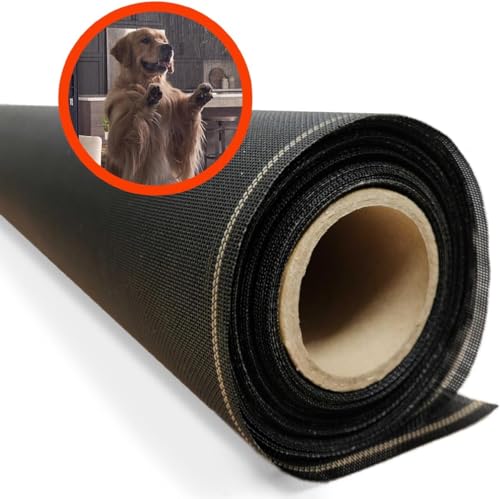
You May Never Rescreen Again – Discover the future of window screen mesh with Super Screen's advanced technology. Outlasting traditional porch screening rolls, SuperScreen is resistant to common wear and tear, making it the most durable screen mesh on the market. Say goodbye to frequent replacement window screens and enjoy the enduring quality that stands the test of time and weather

You May Never Rescreen Again – Discover the future of pet proof mesh screen with Super Screen's advanced technology. Outlasting traditional porch screening rolls, Super Screen is resistant to common wear and tear, making it the most durable porch screen roll on the market. Say goodbye to frequent replacements of dog and cat proof mesh screen and enjoy the enduring quality of rolls of screen for porches that stand the test of time and weather.
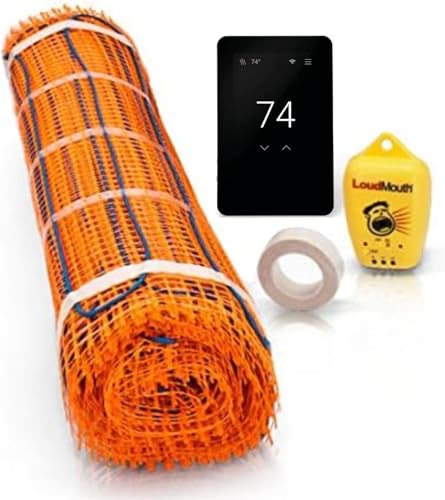
The electric underfloor heated TapeMat rolls out easily to be installed beneath tile, stone, wood, or laminate flooring in homes and commercial buildings, mesh can be cut with scissors and flipped, and the blue wire can be pulled out and run around obstructions and awkward spaces
Crucial DIY Safety Tips for Lead Projects
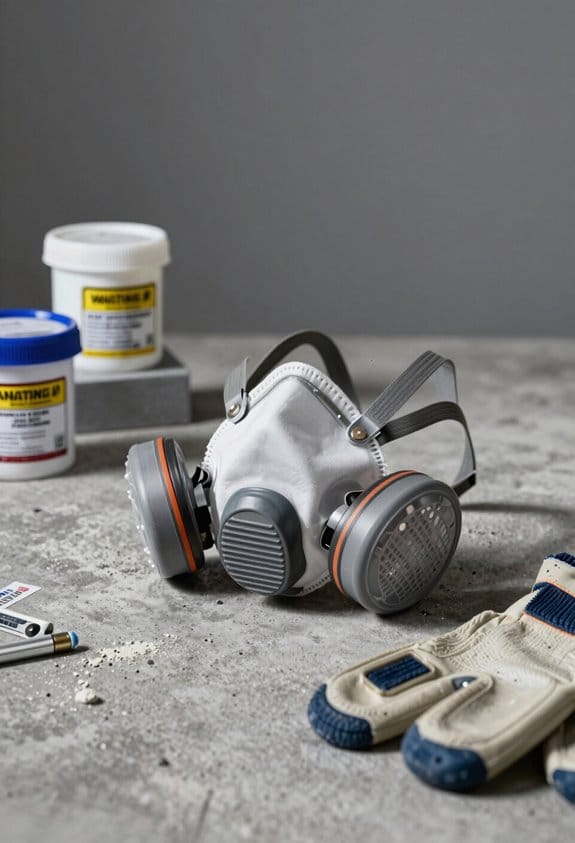
Have you ever thought about the hidden dangers in your home while planning a DIY project? Testing for lead is just one piece of the puzzle that can help create a safer environment. Before diving into your repairs, it’s a good idea to seal off the work area with plastic sheeting. This simple step can go a long way in keeping lead dust from contaminating other parts of your home.
Don’t forget your safety gear! Make sure to wear disposable N-100 respirators and gloves while you work. It’s all about protecting yourself. When you’re working with lead, you want to minimize dust as much as possible. Try this: opt for wet sanding and make sure to have a HEPA vacuum on hand for cleanup. This way, you’ll be doing your best to keep lead dust at bay.
Here’s the kicker: it’s not just about you. It matters to keep kids and pets at a safe distance from the work area. They might not understand the risks involved, so it’s crucial to take that extra precaution. If you feel overwhelmed, consider the possibility of hiring a lead-safe certified professional for lead abatement. It could save you time and give you peace of mind.
Also, having a well-stocked emergency food supply with long shelf life can provide peace of mind in case your project causes unexpected disruptions.
To recap, being aware of lead hazards and taking a few safety measures can ensure a safer DIY experience. Are you ready to tackle your home projects with confidence now?
Recommended Products

This Elipse Full Facepiece Respirator is designed for professionals who require top-tier protection and comfort in challenging environments. It is designed to be compatible with most safety helmets. Its visor is made of durable polycarbonate, overmolded with a silicone frame, providing exceptional clarity and protection while maintaining a lightweight feel.

NIOSH APPROVED: For at least 95 percent filtration efficiency against certain non-oil based particles

SAFE EASY BREATHING: Protects against airborne particulates, dusts, fumes, mists, organic vapors, acid gases & other contaminants; compatible with full range of cartridges, filters & cartridge/filter combinations to suit most work environments
Proven Methods to Reduce Lead Dust During Painting Projects
When you’re tackling a painting project, the last thing you want is to be spreading lead dust everywhere. It can be a real concern, especially in older homes. So, how do you keep your space safe while getting the job done? Here are some straightforward tips to help you protect yourself and your environment.
First off, make sure to seal off your workspace with heavy plastic sheeting. This simple step can go a long way in preventing dust from escaping into other areas. If you’re feeling extra cautious, try creating an airlock — just a little extra barrier can help a lot.
Now, you might be tempted to reach for that scraper, but here’s the trick: wet sanding is your best bet. Not only does it minimize dust, but it also keeps surfaces cleaner. It might seem like a hassle, but trust me, it’s worth it in the long run. While you work, keep some wet disposable cloths handy. Regularly wipe down surfaces and tools, and don’t forget to dispose of those cloths properly. You want to keep that dust from hanging around.
Cleaning up after your project? Make sure you’ve got a HEPA vacuum cleaner. Standard vacuums can stir up dust instead of removing it. It might feel like a small detail, but this can make a huge difference in keeping your air quality safe.
Now, let’s not forget protecting yourself. Wearing the right personal protective equipment is crucial. N-100 respirators and disposable coveralls are your friends here. It might seem like overkill, but truth is, keeping yourself safe from lead dust during renovations is non-negotiable. Consider choosing a NIOSH-approved disposable respirator to ensure effective filtration of hazardous dust particles.
To sum it up, maintaining safety during these projects isn’t just about doing a good job; it’s about doing it safely. So, the next time you’ve got a painting project on your hands, remember these tips. Have you considered what other safety measures you can take?
Recommended Products

HEPA FILTRATION — Efficient at capturing 99.97% of airborne particulates as small as 0.3 microns in size.

AUTO CLEANING: With automatic filter cleaning, the Bosch VAC090AH dust extractor cleans the filter every 15 seconds to help maintain maximum suction power

Please note: The initial steam preparation takes around 60s. For subsequent uses, this time reduces to about 45s. This waiting period is normal and not a product malfunction. Preparation time may vary depending on the usage environment and user habits, the actual time shall prevail.
Essential Steps for Safe Cleanup and Lead Waste Disposal
When dealing with a project that involves lead-based paint, have you ever wondered how to clean up safely? It’s important to focus on proper cleanup and disposal to protect both yourself and the environment. Start by sealing off your work area. Close all doors and windows – you don’t want any lead dust escaping and spreading around your home.
After that, grab a HEPA vacuum cleaner for the cleanup. Regular vacuums can actually kick up the dust instead of trapping it, which isn’t what you want. Make sure to collect all lead-contaminated waste, including paint chips and any cleaning rags, in heavy plastic bags. Seal those bags tight; this is key for safe lead waste disposal.
Now, don’t forget about your floors and surfaces. Mopping uncarpeted areas thoroughly will help eliminate any remaining lead dust. Wipe down surfaces with damp disposable cleaning cloths, too. This extra step ensures you’re addressing those stubborn areas where dust might linger.
Always keep local disposal regulations in mind. It might be worth considering calling a professional if you’re feeling overwhelmed. So, why does this matter? Because a safe cleanup not only protects you today but also your home environment for the future.
In a nutshell, sealing off your area, using the right vacuum, and cleaning thoroughly are vital steps. Have you thought about your cleanup process for any future projects? Additionally, using breathable materials for protective clothing can help reduce discomfort and exposure during cleanup tasks.
Recommended Products

Certified HEPA filtration

CERTIFIED HEPA: Individually tested, certified and serialized HEPA filter.
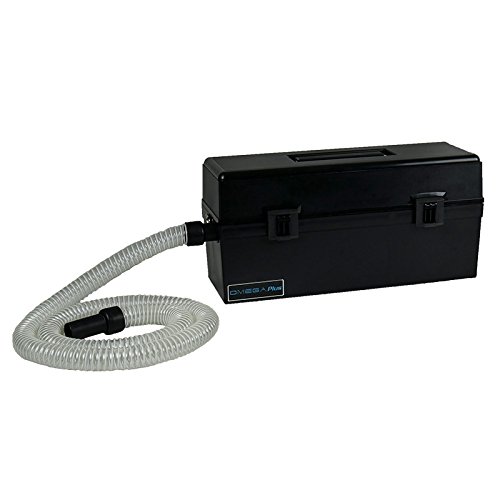
HAZARDOUS PARTICULATE CLEANING - There are many applications and industries that make this vacuum the ideal tool for a hazardous particulate cleaning. Perfect for glovebag, lead, and hazardous particulate.
Ongoing Resources for Lead Safety Awareness
Have you ever thought about the hidden dangers lurking in older homes during renovations? Understanding lead safety is crucial, especially if you’re tackling home improvement projects. It’s a good idea to check out the EPA’s Renovation, Repair and Painting Program. They’ve got some solid guidelines that can help keep you safe while you’re working.
If you’re a homeowner, knowing how to test for lead-based paint is key. There are great resources available that list certified professionals and offer home testing kits. Don’t underestimate the value of community outreach programs, either! Participating in these can boost your awareness about risk reduction strategies and keep you in the loop with safety alerts from local health departments. So, why does this matter? Because staying informed can truly protect you and your family.
Get involved by accessing ongoing educational materials and workshops. These can be lifesavers for anyone diving into home improvement projects. You’ll not only be taking steps to safeguard your own home, but also helping create a safer community for everyone around you.
In short, prioritize lead safety in your renovation plans. It’s all about being proactive. What steps are you taking to ensure your home is lead-safe? Just as hikers rely on filtration efficiency to protect their health from waterborne contaminants, maintaining high standards in lead safety can prevent serious health risks in your home environment.
Frequently Asked Questions
How to Protect Yourself When Scraping Lead Paint?
To protect ourselves when scraping lead paint, we should use proper protective gear, contain dust effectively, implement safe painting techniques, follow legal regulations, and guarantee thorough clean-up procedures to minimize health risks and exposure.
How Long Does Lead Paint Dust Stay in the Air?
Lead paint dust can linger in the air for hours, increasing lead exposure and health risks. We should prioritize dust containment, use safety equipment, employ ventilation methods, and consider testing kits to comply with legal regulations.
How to Protect Yourself From Lead Dust?
To protect ourselves from lead dust, we should use safety gear like respirators and protective clothing. Implementing ventilation systems, dust containment methods, and following proper cleanup procedures, plus using testing kits, minimizes health risks effectively.
What Happens if You Breathe in Small Amounts of Lead Paint Dust?
Inhaling lead paint dust’s like inviting a silent thief into our bodies. It can trigger lead poisoning symptoms, especially in kids, leading to long-term health effects. Let’s prioritize safe renovation practices and testing for lead.