

Managing cords and hoses can often feel like a never-ending battle, especially when you’re trying to keep things safe and organized. Ever tripped over a cord or seen a tool yank down because of a loose hose? It’s frustrating, and it’s something you definitely want to avoid.
Here are some tips to keep your workspace neat and safe.
Try this: Bundle loose cords with reusable ties or hooks. This simple step will help keep them from tangling and becoming a tripping hazard.
Next, route those cords along the walls instead of through the middle of walkways. It’s amazing how much space you’ll gain by minimizing clutter.
Also, don’t forget to regularly inspect your cords. Make sure they’re free of wear and tear, and check those connections; you want them secure at both ends.
Using bright-colored cables can help them stand out, which makes it easier to avoid accidental trips. Honestly, consider investing in some cable management products like ramps or trays—they can really make a difference.
So, why does this matter? Keeping your workspace safe isn’t just about avoiding accidents; it also boosts your efficiency.
When you’re not worrying about cords getting in your way, you can focus better on the task at hand.
In summary, managing your cords and hoses effectively will improve safety and keep your workspace running smoothly.
What’s one change you could make today to help with this?
Key Takeaways
- Bundle cords using reusable ties to prevent loose wires from causing entanglements and trip hazards in the workspace.
- Route cords neatly along walls and use cable ramps for safe pedestrian crossings to enhance safety and prevent trips.
- Regularly inspect cords and hoses for wear or damage to reduce risks of electrical shocks and maintain safe operation.
- Utilize brightly colored cables and ties to improve visibility and help identify potential hazards in low-light areas.
- Train the team on proper cord management protocols to foster a culture of safety and minimize equipment pull-downs.
Why Proper Cord and Hose Management Is Essential for Workplace Safety

When cords and hoses clutter the workplace, it can seriously impact safety. Have you ever tripped over a loose cable? It’s not just a nuisance; it’s a real hazard. Proper cord and hose management is crucial to avoiding those dangerous trip-and-fall accidents.
Try this: keep cords off the floor by routing them along walls or using hangers. It not only looks better but also keeps pathways clear for everyone. I can’t stress enough how helpful reusable ties are. They help you keep cords neat, compact, and easy to see.
Regularly check your cords for any signs of damage. Damaged cables can lead to electrical shocks or fires, and that’s a risk no one should take. Safety guidelines are vital here. Using cable trays or bridges can really help manage those messy cords and hoses, reducing clutter in your workspace.
Honestly, when you take the time to implement these practices, you’re not just creating a safer environment; you’re making your work life easier, too. A tidy workspace allows for quicker setups and cleanups, enhancing productivity all around. Additionally, ensuring proper storage in a cool, dry place can prevent damage and prolong the life of cords and hoses.
Recommended Products

90% UV AND VISIBILITY BLOCKING: Protect your privacy while also providing some welcome shade for your kids, plants or pets! Our versatile fence screen readily replaces and surpasses regular mesh tarp or chicken wire and is ideal for outdoor use: backyard, greenhouse or kennel.

CONSTRUCTION GRADE STRENGTH (REUSABLE): Made from cast malleable iron, this material is great for demanding construction jobs. Heavy duty enough to be used for multiple construction jobs.

The system is suitable for up to 4 users
Watch Out for These Cord and Hose Trip Hazards
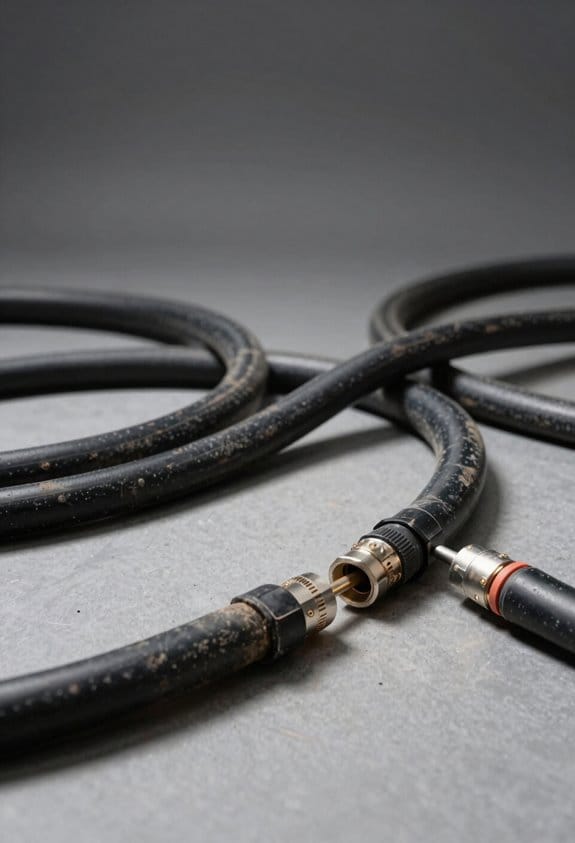
Did you know that even the tidiest workspaces can hide some sneaky trip hazards? Cords stretched across walkways can easily lead to trips and falls, which is definitely not something you want on your to-do list. It’s essential to make sure power cables aren’t coiled under tools, as that can create risky snags or even accidental disconnections. Plus, if cords are buried under debris, they can obscure hazards and increase the chances of getting tangled up.
To keep your work area safe, try this: always route cords neatly along the walls and keep them elevated off the ground. It’s a simple step that can make a big difference. Taking a minute to inspect cords for wear and tear can also help prevent these trip hazards. Using reusable cable ties is an effective way to keep cords organized and reduce clutter.
So, why does this matter? A safe environment not only protects you but also your coworkers. Truth is, no one wants to be the one causing an accident because they overlooked a cord lying around.
Don’t forget that maintaining visibility for your cords goes a long way in preventing accidents. Keep yourself and your team safe by keeping passageways clear and organized. Remember, a little effort can go a long way in creating a secure workspace. What steps are you taking today to reduce trip hazards in your area?
How to Bundle Cords to Prevent Trip Hazards
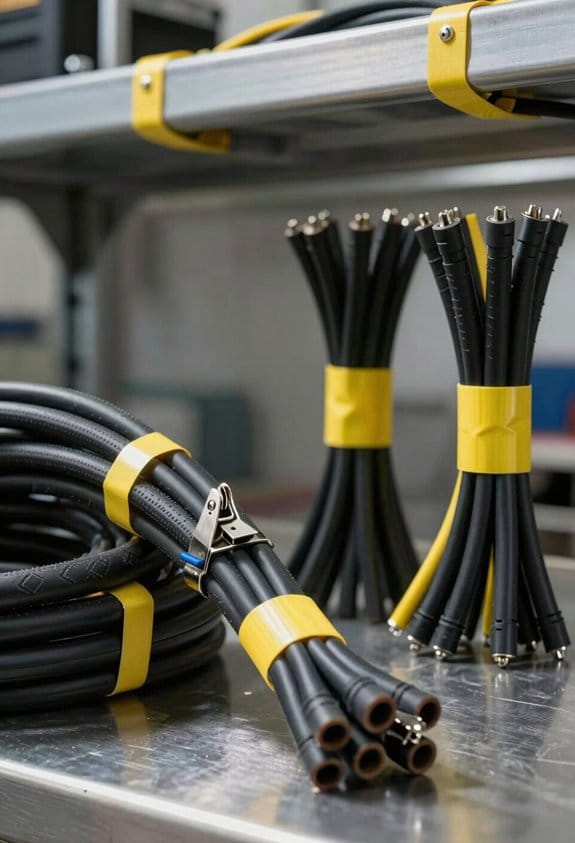
Have you ever tripped over a cord while working? It’s a frustrating moment that can easily lead to accidents. To keep your space safer and more organized, bundling cords is a smart move. Here are some tips to tackle the task effectively.
Avoid those loose coils or tangled knots. They tend to create more chaos than order. Instead, try using reusable ties like Cord-Tie. These help you create neat, compact loops for cables and hoses. The best part is that it keeps your work area tidy and minimizes the clutter that can trip you up.
Elevating cords along walls is another great strategy. This simple adjustment can significantly reduce the risk of getting tangled up in them. Plus, using bright-colored ties and markers can make a huge difference in visibility, especially if you’re working in a dimly lit area. You always want to be able to see where you’re stepping.
It’s also essential to regularly inspect those bundled cords. Keeping an eye out for wear and damage will help prevent any accidental disconnections that could lead to stumbles. So, why does this matter? Because a safe workspace is a productive workspace, and it helps everyone go home unharmed each day.
To wrap it up, by following these simple guidelines, you can decrease the chances of trip hazards on the job site. Incorporating ergonomic designs in your cord management can improve both safety and accessibility in your workspace. What steps will you take today to make your environment a little safer?
Smart Cord and Hose Routing Tips
Ever tripped over a cord or hose while working? It’s frustrating and can lead to injuries. Successfully routing cords and hoses not only boosts safety but also helps everything run smoother on site.
First off, try routing your cords and hoses along walls and other elevated surfaces. This simple move can slash your tripping hazards significantly. When you need to cross walkways, grab some cable bridges. They’re a great way to keep everything off the ground while allowing people to pass safely.
Visibility is super important, especially in low-light areas. Think about using bright-colored cord management solutions—stuff like cable ramps or trays. They really stand out and help prevent accidents. Remember to regularly check your cords and hoses for wear and tear, keeping them in good condition is key.
Training your crew on how to properly bundle and secure cords can make a huge difference. Keeping walkways clear not only reduces clutter but also promotes a safer environment for everyone using power tools. So, why does this matter? A little attention to detail can go a long way in making job sites safer. Ensuring a proper fit and support when selecting work boots also helps prevent trips by improving weight distribution and reducing foot strain during long hours on site.
Recommended Products

Our Most Robust Cable Protection System - Engineered for extreme weather and high-impact environments, our Linebacker cable ramps ensure long-term performance in the world's most demanding industries

Traction and Stability - This patented drive over cable protector ramp has a 5-bar tread surface offering maximum grip and stability, helping to prevent slips in heavy-duty environments

Easily Extend and Customize - This cable bridge provides a stable and elevated path for heavier cable bundles, featuring a patented modular interlocking design with Dog-Bone Connectors, allowing secure links that accommodate multiple cables for any setup
Proactive Inspection Strategies for Cord Safety
Have you ever tripped over a cord or noticed a frayed wire around your workspace? It’s not just annoying; it can be pretty dangerous too. Keeping your work environment safe means taking a good look at the cords and hoses you might normally take for granted. Regular inspections are key to preventing any accidents.
So, how do you go about this? Try setting a weekly routine to check all your extension cords and hoses. Look for signs of wear and tear, like fraying or exposed wiring. Make sure the connections are secure on both ends so they’re safe to use. You’ll want to keep a record of what you find during your checks. This way, you can track when things were last inspected, and it promotes accountability in maintaining safety standards.
Honestly, developing a checklist can make this process so much easier. It helps you standardize what you’re looking for each time you inspect. Plus, training everyone to report any damage or concerns they notice fosters a culture of safety. You want everyone to feel comfortable speaking up because a little attention goes a long way toward a clean and safe workspace.
The best part? Taking these steps seriously really helps prevent mishaps before they happen. So, why does this matter? Keeping cords in check not only maintains power flow but also protects you and your colleagues from hazards. Simple steps can make a big difference in overall safety. Incorporating proper ventilation systems can also reduce risks associated with electrical equipment in enclosed areas. What’s your plan for ensuring cord safety at your workplace?
Innovative Cable Management Products to Try
Tangled cords and hoses can really mess up a workspace, can’t they? It’s crucial to find some smart cable management solutions to keep everything tidy and safe. For instance, have you tried using Cord-Ties? They create sturdy loops that help hold cords in place and make them much easier to see, especially on busy job sites.
Cable ramps are another straightforward solution. They allow you to manage cords that cross walkways without creating a tripping hazard, which is a big deal when you’re juggling various tasks. Plus, cable trays can be a lifesaver for keeping multiple cords organized. They not only prevent tangling but also protect against accidents and any damage to your equipment.
Here’s the trick: bright colors make a difference. Using brightly colored cables or products enhances visibility in low light, reducing the chance of accidents. And let’s not forget about options like Tidi-Cable with steel S Hooks—they’re super handy for ensuring cables stay organized and off the ground.
It’s all about making small changes that can lead to a safer and more efficient workspace. If you haven’t already, consider trying out some of these innovative products. What’s your go-to method for keeping cables tidy? Employing S-hooks and J-hooks can also enhance cable security and prevent movement that leads to hazards.
Frequently Asked Questions
How Should You Handle Cables and Hoses to Prevent Tripping Hazards?
To prevent tripping hazards, we should prioritize cord organization, proper hose routing, and safety signage. Regular inspections and thoughtful workspace design can help guarantee everyone stays safe while working around cables and hoses.
How Can You Prevent Tripping Due to Cords?
To prevent tripping due to cords, we can prioritize cord organization and management, enhance workspace design for safety, and implement effective trip prevention strategies like using bright colors and elevated pathways to keep cords visible and off the floor.
How Should Cables and Power Cords Be Managed to Prevent Tripping Hazards and Electrical Risks?
To keep our workspace safe, we should harness effective cable organization techniques and cord safety products, along with power management strategies, workspace layout optimization, and electrical maintenance tips. Safety’s a journey we all take together.
What Should You Do With Power Tool Cords to Prevent Tripping Hazards?
To prevent tripping hazards, we should implement effective cord storage and organization strategies. Safe cord routing along walls and proper tool cord management helps us avoid tangles, ensuring a safe workspace for everyone involved.