

When emergencies strike, effective radio communication becomes a lifeline. Think about how often you rely on your phone—what happens when the network goes down? That’s where a good radio setup comes into play, and knowing the right frequency bands can make a huge difference.
For open spaces, VHF is your best bet, while UHF shines in the hustle and bustle of city life. It’s all about choosing the right tool for the job, and antennas are key to that. Here’s the trick: omnidirectional antennas offer 360-degree coverage, which is great for broad areas. On the other hand, if you need to focus a signal over a longer distance, consider going for a directional antenna.
Now, just having the equipment isn’t enough. Make it a habit to check your signal strength regularly. You don’t want to be caught off-guard in a crisis with a weak signal. Also, take the time to pre-program important emergency frequencies into your radios. This little step can save precious time when every second counts.
Let’s not forget about power outages, either. Keeping your radios prepared for those situations is essential. There are simple ways to ensure they’re ready to go when the lights go out. I mean, who wants to deal with dead batteries or faulty chargers when you really need to communicate?
So, why does all of this matter? It’s about being prepared and having reliable communication in tough times. Frankly, there are additional strategies you can adopt to boost your effectiveness during emergencies—things like having backup power sources and practicing with your equipment.
In a nutshell, understanding radios can be a lifesaver when the unexpected happens. Are you ready to take your emergency communication to the next level?
Key Takeaways
- Understanding VHF and UHF bands is essential for effective communication during emergencies, with VHF being ideal for open areas and UHF for urban settings.
- Choosing the right antenna type, like omnidirectional or directional, significantly impacts radio coverage and reception quality in emergencies.
- Regular maintenance checks on radios, including battery life and signal strength, are crucial for ensuring functionality during critical situations.
- Programming radios with emergency frequencies, such as NOAA Weather Radio, helps facilitate quick access to vital information in emergencies.
- Establishing clear communication protocols and conducting regular drills enhances group coordination and response times during emergencies.
Understanding the Basics of Emergency Radio Communication
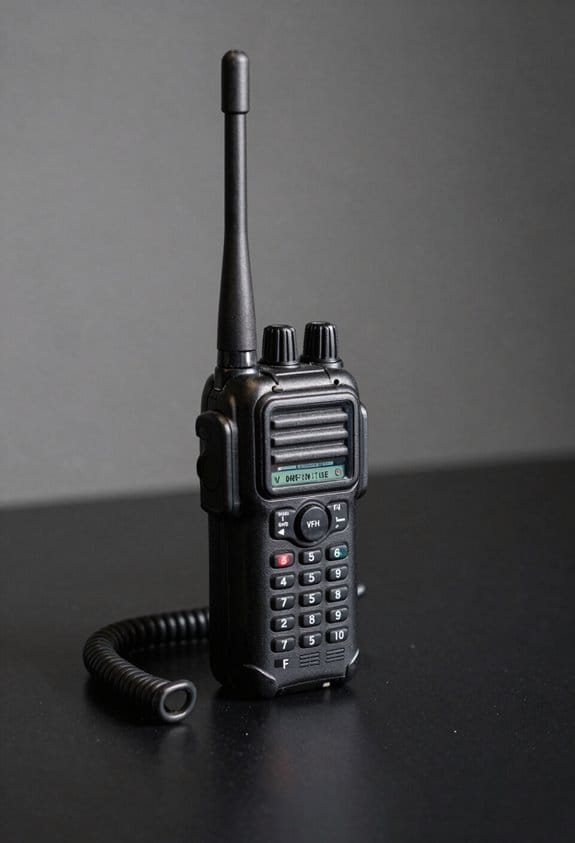
When disaster strikes, do you ever think about how crucial good communication can be? It can be the difference between staying safe and being left in the dark. Understanding emergency communication isn’t just important—it’s essential. Two-way radios and HAM radios are worth your attention, as they run on specific frequencies that don’t rely on cellular networks. This means you can stay connected when everyone else might be scrambling to find a signal.
It’s a smart move to familiarize yourself with the radio frequencies commonly used during emergencies. High frequency bands are particularly useful for long-range communication. Always check the battery life on your devices; you want to make sure they can endure tough situations like floods or wildfires. Establishing clear communication protocols, using standardized phrases, can really boost how effectively you interact with others in a crisis.
Try this: get to know NOAA Weather Radio and specific HAM bands, as they provide timely updates that can guide your actions. Honestly, these resources can help you navigate emergencies with much more confidence. Have you thought about how you’d handle a situation if communication goes down?
The best part is, being prepared can make all the difference. So take some time to learn how these radios work before an emergency happens. A little effort now could ensure you’re ready when it counts most. Many portable ham radios come equipped with NOAA weather channels to keep you informed of severe conditions in real time.
Key Differences Between VHF and UHF Frequency Bands
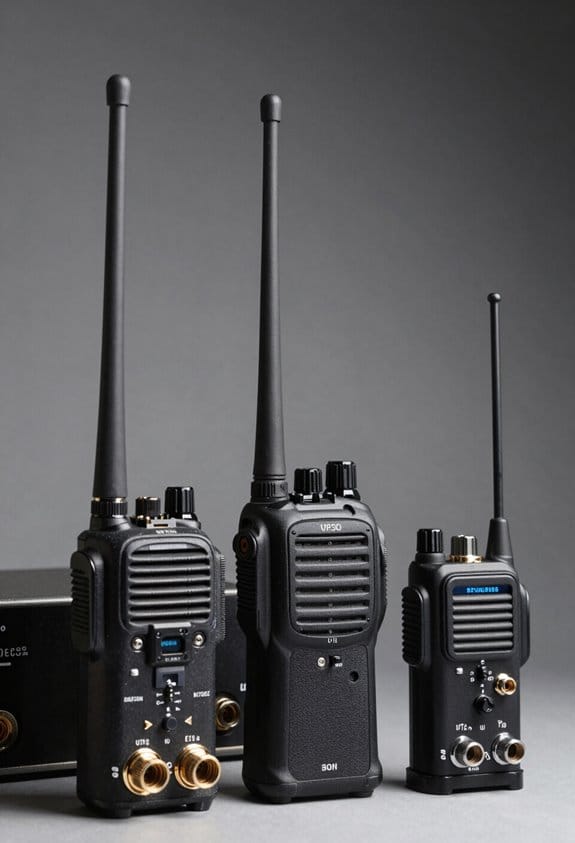
Have you ever been in a situation where you really needed reliable communication during an emergency? If so, understanding the differences between VHF and UHF frequency bands can make a big difference.
VHF, or Very High Frequency, operates between 30-300 MHz. It shines in open areas and is known for impressive transmission distances. That’s why it’s often the go-to choice for emergency services in rural or outdoor scenarios where there aren’t many hills or other obstacles to interfere with the signal.
On the flip side, UHF, which ranges from 380-512 MHz, is your best buddy in busy urban settings. Why? Because it penetrates buildings and other structures like a champ, meaning you can maintain clear communication indoors. So, when you’re picking out radio equipment, think about where you’ll be using it. If you’ll be outdoors, stick with VHF for that longer range. However, if you’re indoors, choose UHF to get better reception.
Here’s the trick: the specific antennas you use can significantly affect your radio coverage. This is especially crucial during emergencies when every second counts.
Additionally, choosing devices with features like long-range communication and waterproof designs can improve reliability in critical situations.
Recommended Products
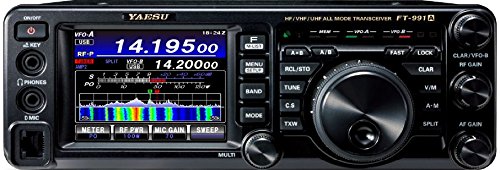
Dynamic Real-Time Spectrum Scope *NEW!

4-Pack includes: 4-Motorola RMU2040 Two-Way Radios, 4-Rechargeable Lithium Ion Batteries, 4-3hr Drop-in Desktop Battery Chargers, 4-Swivel Carry Holsters, 4-User Manuals, 4-Quick Reference Guides

VHF Handheld Radio
Why Antenna Selection Matters for Your Radio
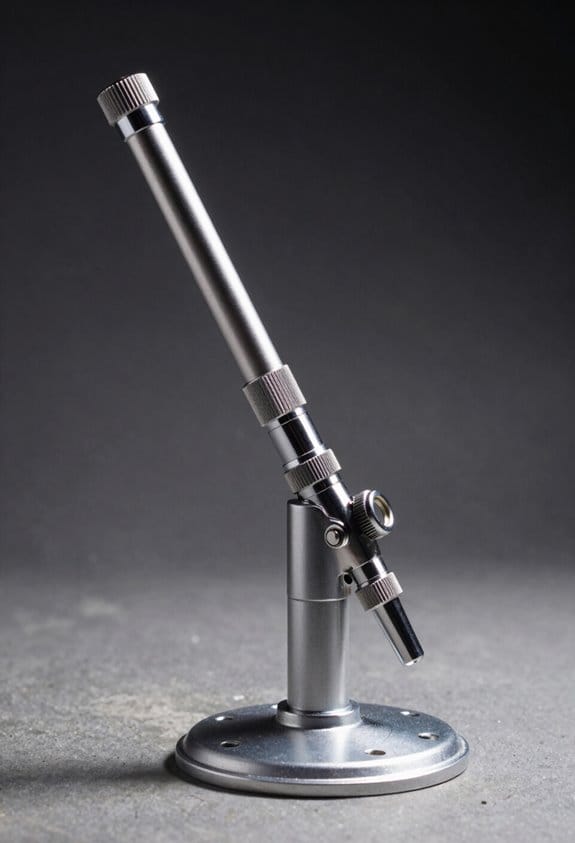
Have you ever found yourself in a situation where your radio just doesn’t deliver the clarity or range you need? Antenna selection might feel like a small factor, but it can actually make a world of difference when you’re trying to communicate, especially during emergencies.
Choosing the right antenna is crucial. The type you pick impacts your radio’s range and the quality of the reception you get. For instance, if you need 360-degree coverage, an omnidirectional antenna can do the trick. On the other hand, for long-range communication, go with a directional antenna that can focus your signal. Plus, don’t overlook the height of your antenna—raising it can significantly boost signal strength, particularly in hilly or urban settings where obstacles can block your signal.
It’s also super important to match your antenna with your radio’s frequency band to keep that signal strong. Ever tried using an antenna not suited to your radio? It’s just like trying to force a square peg into a round hole—it won’t work well. And if you really want to enhance your reception, look into external antennas. They’re a solid option to ensure you’ve got reliable communication when it counts.
Many portable shortwave radios come with built-in antennas that offer convenience but can be significantly improved by adding an external antenna.
Choosing Emergency Radios: A Practical Guide
When disaster strikes, communication is key. Have you ever thought about how vital emergency radios can be during a crisis? Depending on your situation, picking the right radio can make a huge difference.
Start by figuring out how far you need to communicate. For short distances, GMRS radios are often a solid choice, while HAM radios can help you reach folks over much longer ranges. Durability is also crucial—look for radios that can handle tough conditions, whether you’re dealing with floods, wildfires, or other emergencies. And let’s not forget about battery life; you want a radio that won’t die on you when you need it most.
What about licensing? This can be a bit tricky. GMRS radios do require a license, but on the bright side, FRS radios are free to use. So, what’s the best option for you? Think about where you’ll be using the radio as well. UHF bands are great for indoor use, while VHF works better out in the open.
Another tip: consider radios that support repeaters. This can really increase your connectivity, especially in hilly or obstructed areas. The best part? You’ll have more peace of mind knowing you can stay in touch when it really counts.
Additionally, choosing a radio with reliable NOAA weather alerts ensures you stay informed about severe weather conditions during emergencies.
In short, choosing the right emergency radio can be straightforward if you keep your needs in mind. What kind of situations do you think you’ll be preparing for? Take the time to assess your options and make a plan that works for you.
Recommended Products

5 Watts of Power: Maximize two-way Midland radio range and transform transmission quality for your walkie talkie.

Long-Lasting Battery Life: The Midland GXT3000 Walkie Talkies are equipped with a powerful lithium ion battery, providing extended usage so you can rely on them throughout long days on the farm, the trail, or on the move.

UPGRADED GMRS RADIO - RB48 Plus GMRS walkie-talkie ensures strong communication, it's great for businesses up to 30 stories tall or 350,000 SQ. FT. in size
Set Up Your Radio Equipment for Quick Response
Facing an emergency can be chaotic, and having your radio setup organized really helps in that moment. Start by making sure your radio equipment is pre-programmed with some crucial emergency frequencies, like NOAA Weather Radio and the must-have HAM radio bands. This way, you can get instant access when time matters most.
Regular maintenance checks are key. It’s smart to test battery levels, connections, and signal strength. You want to ensure reliable operation when you need it the most. Also, think about setting up mobile command centers with backup power options, like solar chargers. This comes in handy for any extended communication needs.
Now, you might wonder, how quickly can you deploy everything? Familiarizing yourself with clear setup instructions is really important. The best part is that having this knowledge means you can jump into action without wasting precious time.
If you’re in areas where communication can get tricky, like mountains or dense cities, installing external antennas or using repeaters can make a world of difference. So, why does all this matter? It’s about staying connected when it counts.
Additionally, choosing radios with noise reduction features ensures clearer communication by minimizing static and ambient noise during emergencies.
In short, having your radio gear ready can be a lifesaver during emergencies. Are you ready to take those steps to improve your setup?
Signal Strength and Clarity: Practical Tips
Have you ever found yourself in a situation where communication was vital, but your signal just didn’t cut it? It’s a frustration we all face, especially in emergencies. To improve your signal strength and clarity, consider a few practical tips that can make all the difference.
First off, think about using external antennas. These can significantly boost your transmission capabilities, particularly in tough spots like mountains or crowded urban areas. VHF radios are great for staying connected over long distances outdoors, while UHF radios excel indoors with their shorter wavelengths.
You should also regularly test your radio equipment. Check your connections and battery life because when it really matters, you want to be absolutely sure your gear is working as it should. And here’s the twist: using repeaters can enhance your communication range by rebroadcasting signals with greater power.
Now, let’s talk about antenna placement. It may sound simple, but positioning your antenna correctly according to your environment can lead to a big improvement in reception. Whether you’re in the wilderness or navigating city buildings, a little thought into where you set up can really boost your overall effectiveness in critical moments.
Additionally, choosing a radio with multiple channels and privacy tones can help reduce interference and maintain clearer communication.
Essential Techniques for Communicating During Emergencies
Facing an emergency? It can be overwhelming, and clear communication is often what keeps everyone safe and connected. One way to make sure you’re heard is by using VHF and UHF radio systems. But it’s not just about having the right equipment; it’s about knowing how to use it effectively.
Start with the basics: always identify yourself and your location when you communicate. This simple step can cut through a lot of potential confusion. If you’re in an area with tricky terrain, try to use repeaters to boost your signal strength. And if you really want to up your game, consider incorporating an external antenna for your portable radio—this can make a huge difference when you’re struggling to get a decent signal.
Don’t forget to keep your equipment in check. Regular maintenance really matters; testing your gear beforehand means you won’t be left in the lurch when every second counts. Stay on top of this, and you’ll be ready when it’s time to reach out for help.
Also, make it a habit to monitor the emergency frequency for your area. Why? Because you could be the first to hear crucial updates or incoming messages that could guide your next steps. Remember, staying connected is your lifeline in these situations.
In addition, understanding battery life considerations can ensure your radio remains operational throughout the emergency.
In short, good communication can be a lifesaver during emergencies, so make it a priority. What steps are you taking to ensure you can get help when you need it?
Prepare Your Radio for Power Outages
What would you do if the power went out and you couldn’t get any news or updates? Having a reliable radio is essential for staying informed during outages, but there are some steps you can take to make sure it’s ready to go when you need it.
First things first, check if your radio has a solid backup power source. It’s a good idea to stock up on extra batteries and think about investing in a quality solar charger. Regularly checking the battery life is crucial—replacing batteries when they’re low can make all the difference in an emergency. You don’t want to be fumbling in the dark while your radio sits silent because the batteries died.
Another tip? Pre-program emergency channels into your radio. This way, you can quickly tune in to important announcements without searching around. Imagine needing critical information and having it at your fingertips when the power’s out; it’s a small step that can make a big impact.
When it comes time to store your radio, keep it in a designated emergency kit, along with your spare batteries and maybe even a manual for good measure. This saves you time and stress when something goes wrong—you’ll know exactly where to find everything you need.
Truth is, being proactive about your radio’s readiness can really enhance your communication during tough times. Have you checked your setup recently? It’s worth a few minutes to ensure you’re ready for anything.
Consider also choosing a radio with NOAA weather alerts to receive timely updates on severe weather conditions during emergencies.
Frequently Asked Questions
What Is the 3 3 3 Rule for Radio?
The 3 3 3 rule for radio emphasizes effective emergency preparedness by clearly conveying who we are, where we are, and what help we need, ensuring signal clarity within established communication protocols amidst various radio frequencies and antenna types.
What Are the 5 C’s of Radio Communication?
We all know how critical it is to communicate during emergencies. The 5 C’s—Clarity, Conciseness, Correctness, Courtesy, and Completeness—enhance our radio etiquette, boosting signal strength and equipment maintenance for effective emergency protocols and listening skills.
What Are the 4 Golden Rules of Radio Communication?
We should always follow four golden rules: maintain message clarity, adhere to communication protocols, monitor signal propagation for frequency interference, and prioritize emergency procedures while ensuring equipment maintenance and practicing proper radio etiquette with transmission power and receiver sensitivity.
What Is the FEMA Radio Frequency?
FEMA’s emergency frequency, typically 162.400 to 162.550 MHz, helps us with communication strategies during disasters. By understanding these guidelines, we enhance our community alert systems and improve emergency response coordination and preparedness planning together.


