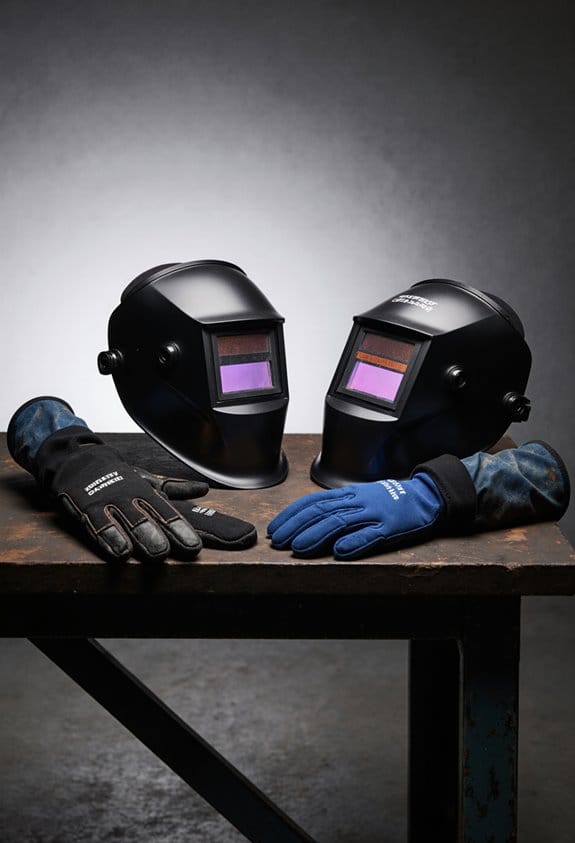

When you’re diving into welding, the first thing you need to think about is safety gear. It’s not just about looking cool while you work; we’re talking serious protection against some real hazards.
Ensure you’ve got a well-fitted welding helmet with auto-darkening lenses, and don’t skimp on quality. Trust me, that gear can save you from a world of hurt.
Flame-resistant gloves are a must. You want to keep your hands safe from sparks and heat, right?
And remember, your clothing matters too. Choose heavy-duty materials like cotton that can withstand the rigors of welding. You wouldn’t want to wear anything that could catch fire easily.
Let’s also not forget about your feet—steel-toed boots are essential for keeping your toes intact. Just imagine dropping something heavy; you’ll be grateful you made the right choice there.
Now, here’s the trick: make sure your gear is clean and well-maintained. Regularly inspecting your equipment for any damage is vital. A small tear in your gloves could be a big problem.
Truth is, when each piece of gear fits well, you’re setting yourself up for safety.
Keep these tips in mind, and you’ll be ready to tackle welding safely. So, do you feel prepared to start your welding journey with the right mindset?
Remember, safety isn’t just an afterthought; it’s your first step into the world of welding.
Key Takeaways
- Use a welding helmet with auto-darkening lenses to protect against UV and infrared radiation while ensuring clear visibility.
- Wear heavy-duty, flame-resistant gloves to fully cover wrists and prevent burns from sparks and molten metal.
- Select flame-resistant clothing made from materials like 100% cotton or wool to minimize burn risks during welding activities.
- Utilize respiratory protection in poorly ventilated areas to safeguard against harmful welding fumes.
- Invest in quality steel-toed boots for foot protection against falling objects and ensure they are flame-resistant.
Essential Types of Welding PPE for Beginners

Welding is a tough job, but it can be even tougher if you don’t have the right gear. So, what’s a beginner to do? Let’s talk about some must-have Personal Protective Equipment (PPE) to keep you safe while you’re getting your hands dirty.
First up, let’s discuss the welding helmet. This isn’t just any helmet; it should give you proper protection for your eyes and face against harmful UV and IR rays. Look for one with auto-darkening lenses so you can see clearly while working and avoid having to flip it up and down constantly. Honestly, a good helmet can really make a difference.
Next, heavy-duty welding gloves are a no-brainer. You’re going to deal with a lot of heat and flying sparks, so find gloves made from flame-resistant materials that cover your wrists completely. You need to protect those hands at all costs.
Don’t skimp on your clothing either. Flame-resistant jackets and pants are crucial; they help reduce the risk of getting burned. Plus, you’ll feel a lot safer moving around with the right gear on.
So, what about respiratory protection? If you’re working in a poorly ventilated area, you really should be wearing a mask or respirator. It’s easy to forget this part, but your lungs need protection too.
Finally, let’s not overlook your feet. Steel-toed, flame-resistant welding boots are essential. They shield your feet from falling objects and molten materials, which is super important in this line of work.
Additionally, choosing a helmet with a fast auto-darkening speed is crucial to minimize eye strain and protect your vision as soon as the arc is struck.
To sum it up, proper welding PPE isn’t just a suggestion—it’s necessary. With the right gear, you can focus on your work instead of worrying about safety. So, what do you think, are you ready to gear up?
Recommended Products

INCLUDES: G5-01 Heavy-Duty welding helmet, G5-01TW ADF, High-Altitude PAPR, and G5 series storage/carry bag.
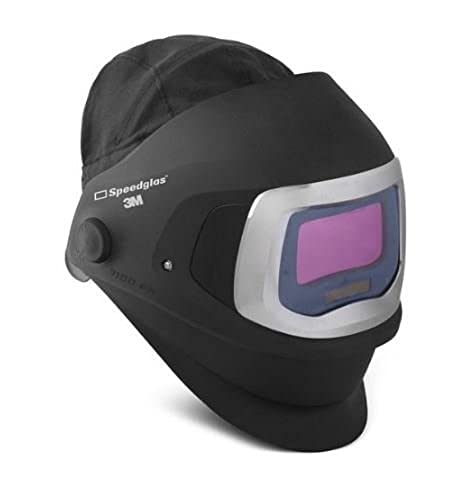
Speedglas 9100XX auto-darkening filter (dark shades 5, 8-13)
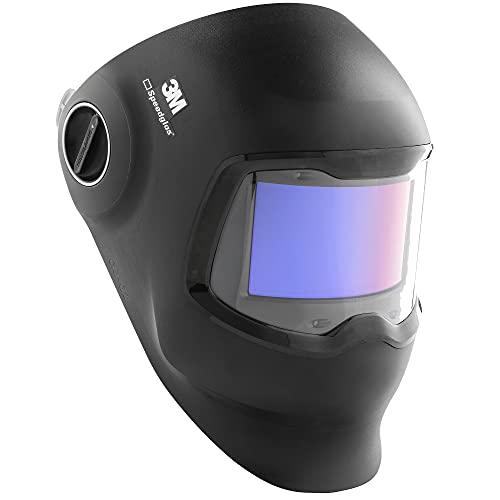
3M SPEEDGLAS CURVED GLASS TECHNOLOGY: Follows your head's curvature and the range of your peripheral vision to provide a 100% wider ADF field of view
Common Welding Hazards You Should Know

Welding can be a pretty cool skill, but it comes with its fair share of dangers that you need to watch out for. Ever thought about what could go wrong while you’re working with molten metal? It’s not just the sparks that can burn you. That’s why it’s super important to wear flame-resistant clothing and sturdy gloves to protect yourself.
Then there’s the whole issue of UV and infrared radiation. This isn’t just a tiny concern; it can seriously harm your eyes. Make sure you’ve got a good welding helmet that can shield your eyes from potential damage. You might think you can get away without it, but trust me, protecting your peepers is not something to take lightly.
Also, think about the air you’re breathing in. Prolonged exposure to welding fumes can lead to some nasty respiratory problems down the line. So, if you’re working in a tight space, definitely use respiratory protection. It’s crucial, especially when you’re grinding away and those fumes are thick in the air.
Let’s not forget the risks of electrical shock. This can happen if you don’t check your equipment or fail to ground it properly. It might seem tedious to check everything before you start, but that little bit of extra time can save you from a serious accident.
And finally, there’s noise. Did you know that the noise levels can get over 110 dBA? That’s loud enough to cause some serious hearing damage if you’re not careful. Grab a good pair of ear protection so you can keep your hearing intact for years to come.
Additionally, choosing the right welding gloves with heat resistance and reinforced stitching is essential for protecting your hands from burns and sparks during work.
How to Get the Most Out of Your Welding Safety Gear
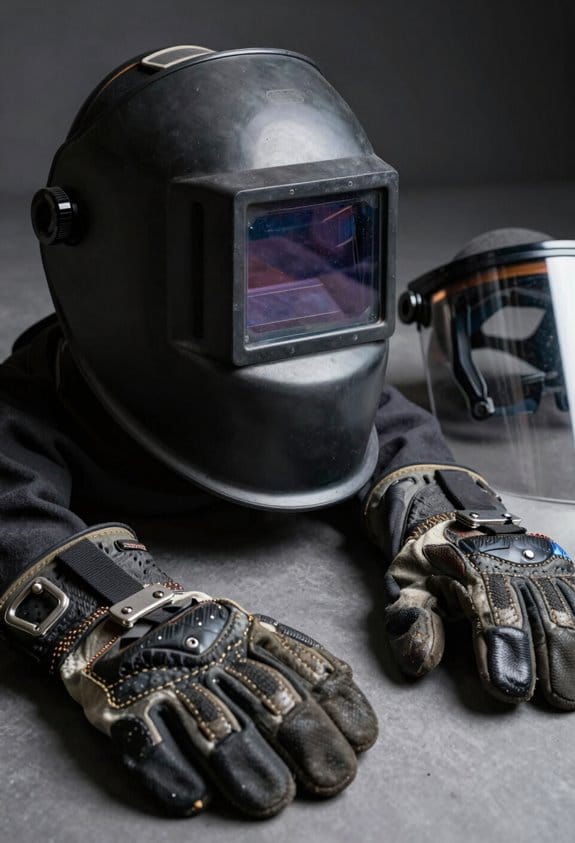
Welding can be tough on the body, and without the right safety gear, you could be putting yourself at serious risk. Think about it – when you’re focused on your work, you don’t want to be worrying about potential injuries. Getting the most out of your welding safety gear is essential.
Let’s start with your helmet. It’s not just a piece of equipment; it’s your first line of defense. Make sure it fits snugly and has an auto-darkening feature. This way, you’ll have the best eye and face protection while you work. Regularly check your gloves, too. Worn-out gloves can leave your hands exposed to heat and sparks. Heavy-duty gloves are key here.
Next, consider your clothing. Opt for flame-resistant gear made from heavyweight cotton or wool. Why? Because protecting your skin from burns is critical, especially in a welding environment where sparks can fly. And if you’re working in a confined space, don’t skip on the respirator! A well-fitted one can keep harmful fumes at bay and help you breathe easier.
What about your feet? Investing in quality welding boots with steel-toe protection is a smart move. You’d be surprised how many accidents happen because of inadequate footwear. Those boots will protect against falling objects and hot materials, which is crucial for your safety. Additionally, don’t forget to protect your eyes with certified Z87 safety glasses to guard against sparks and debris effectively.
How Should Your Safety Gear Fit?
How Should Your Safety Gear Fit?
Finding the right fit for your safety gear isn’t just a matter of comfort; it could be the difference between a safe welding job and a dangerous one. Ever thought about how loose clothing could easily catch fire or get caught in equipment? That’s why it’s crucial to wear proper welding attire that protects every bit of exposed skin while avoiding being overly baggy.
When choosing flame-resistant clothing, make sure it’s secured around the cuffs to keep sparks from sneaking in. This might seem like a tiny detail, but trust me, it can make all the difference. When it comes to gloves, you want them to fit snugly at the wrist. This protects against heat but still lets you grip your tools properly. A loose glove might just slip right off when you’re focused on your task.
And let’s talk about welding helmets—they should fit securely on your head, and you should be able to adjust them for a perfect fit. If they’re too loose, they can slip around, risking exposure to harmful UV rays and the flying bits of slag that come with the job.
Don’t forget about your footwear. Steel-toed boots should feel comfy yet secure. You need them to protect your feet from falling objects while also making sure you don’t slip on a slick welding surface. So really think about how everything fits together; it’s all about safety.
Also, selecting gloves with the right heat resistance ratings is essential to protect your hands from intense heat and sparks during welding.
To sum it up, proper fitting safety gear can seriously enhance your protection while welding. Have you checked your gear lately to ensure it’s not just safe, but fits just right?
Maintaining Your Welding Equipment: Best Practices
Is your welding equipment getting the care it deserves? Keeping your gear in tip-top shape isn’t just about making sure you get good welds; it’s also about staying safe while you work. Regularly check for wear and tear, like frayed wires or any hoses that might be leaking. These issues can lead to accidents, so catching them early is crucial.
After you finish welding for the day, take a moment to clean your equipment. Dust and contaminants can build up, which can affect how well your welder performs. A quick wipe-down can go a long way in maintaining its quality. Also, don’t overlook the moving parts; lubricating them according to the manufacturer’s guidelines can significantly extend the life of your equipment.
Think about where you store everything. Keeping your gear in a dry, clean place is essential to prevent damage and reduce fire risks. It might seem like an extra step, but it’s worth it to make sure your equipment is protected.
Keeping a maintenance log is another practical tip. Write down when you service your equipment or make repairs; this gives you a clear picture of your item’s history and helps ensure everything’s running smoothly. It also lets you anticipate when something might need attention, so you can tackle it before it becomes a bigger issue.
Additionally, using proper protective gear like leather welding gloves can enhance your safety and comfort while working with hot materials.
Important Tips for Beginner Welders on Safety Gear Usage
Have you ever thought about what could happen if you don’t wear the right safety gear while welding? It’s easy to overlook this essential part of the process, but that could have serious consequences. Let’s dive into some crucial tips that can help keep you safe while you work.
First up, a welding helmet is non-negotiable. You need one with the appropriate filter shade to shield your eyes from harmful UV rays and sparks. Without this protection, you could end up with serious eye damage. Don’t take this lightly—grab a helmet and make sure it fits comfortably.
When it comes to gloves, go for heavy-duty and flame-resistant options that cover your wrists. Trust me, you’ll thank yourself later when you’re not nursing burns from those hot sparks that fly around. Your gloves should fit snugly but still allow for some movement. You want to be able to grip tools easily.
Now, let’s talk clothing. Your outfit plays a huge role in your safety, too. Wear flame-resistant materials like 100% cotton or wool. Synthetic fabrics can melt onto your skin if they catch fire, which is something you definitely want to avoid. Keep your clothes loose-fitting but not baggy; you don’t want anything getting caught in your equipment.
If you often find yourself in confined spaces, don’t skip out on respiratory protection. A welding mask or respirator is crucial for keeping harmful fumes at bay. Honestly, those fumes can be more than just unpleasant—they can be harmful to your health. So, ensure you’ve got a mask that fits well and is appropriate for your work environment. It’s also important to select a respirator with proper fit features to maximize filtration effectiveness and comfort.
Finally, make it a habit to regularly inspect your personal protective equipment (PPE). Any signs of wear or damage could mean that your gear isn’t going to protect you the way it should. Think about it; compromised safety gear can lead to injuries, and that’s something we all want to avoid.
Recommended Products

Flame Resistant M-Force Defense System back-of-hand protection deflects and absorbs impacts while delivering protection from heat and open flame up 750°F

PARA-ARAMID STITCHING: Maintains flame and heat resistance while reinforcing glove strength for long-lasting durability

ANSI A9 Cut Resistant - These cut resistant sleeves conform to the highest ANSI A9 cut resistance standard, making them the top choice for supreme cut protection. Ideal for working with glass, metal sheets, these sleeves ensure arms stay safe in high-risk environments.
Frequently Asked Questions
What Are the 5 Fundamentals of Welding?
We believe the five fundamentals of welding are mastering welding techniques, selecting appropriate welding equipment, understanding various welding positions, recognizing types of welds, and ensuring thorough welding inspections to uphold safety and quality in our careers.
What Welding PPE Is Needed for Beginners?
We need welding helmets, flame-resistant clothing, safety gloves, protective eyewear, ear protection, respiratory masks, welding boots, face shields, heat-resistant gloves, and work aprons to guarantee our safety when we start welding.
Can You Make $100,000 a Year Welding?
When it comes to welding, we’re all in the same boat! Yes, we can make $100,000 a year with specialized positions, welding certifications, and career advancement through freelance work and apprenticeships in high-demand welding locations.
What Are the 10 Safety Rules When Welding?
When we weld, we prioritize safety by following ten rules: wearing protective equipment, ensuring eye safety, practicing fire prevention, controlling fumes, adhering to clothing standards, maintaining ventilation, handling equipment safely, and knowing first aid.