

Have you ever thought about how to handle a water disruption in your home? It’s a hassle nobody wants to deal with, but being prepared can make all the difference, especially in a small bathroom.
First off, filling up the bathtub with water is a smart move. It can be a lifesaver for flushing toilets or even washing your hands. Stock up on essentials like toilet paper, baby wipes, and hand sanitizer before any disruption hits. You’ll want to have those on hand, so you don’t find yourself scrambling when you need them most.
Here’s the trick: put together a portable emergency kit. This should include cleaning supplies and alternative waste disposal methods. Think about composting toilets or portable waste bags; they’re not just for campers. If you’ve ever lived through a storm or an unexpected outage, you know how helpful they can be.
Scheduling bathroom time might sound a bit silly, but it can really help. It’s about making sure everyone gets what they need while conserving the water you’ve stored. And trust me, a little planning goes a long way.
Honestly, keeping up with hygiene when the water’s gone can be a tough challenge. So why does this matter? Because staying clean, especially in a bathroom, is crucial for your health.
In the end, preparing for water disruptions may seem tedious, but it’s worth it for peace of mind. What steps can you take today to make sure your bathroom is ready for anything?
Key Takeaways
- Fill the bathtub with water for flushing toilets and personal hygiene during disruptions.
- Stock essential supplies like toilet paper, baby wipes, hand sanitizer, and liquid soap.
- Set aside a portable bucket for manual toilet flushing and sanitation purposes.
- Utilize composting or portable toilets as alternatives for waste disposal if plumbing is unavailable.
- Keep an emergency hygiene kit accessible with reusable cloths, powdered soap, and disinfecting wipes.
How to Prepare Your Bathroom for Water Disruptions
How can you prepare your bathroom for unexpected water disruptions? It’s a real concern, especially if you live in an area prone to storms or pipes bursting. Here’s what you can do to stay ahead of the game.
First off, filling your bathtub with water is a smart move. This’ll give you a reliable water source for flushing toilets and washing up. When it comes to supplies, make sure you’ve got the essentials on hand. Stock up on toilet paper, baby wipes, hand sanitizer, and liquid soap. That way, you can keep your hygiene in check, even if the water stops flowing.
Want to save some water? Set aside a bucket for manual toilet flushing. Just fill it up and pour it in when nature calls. So, why does this matter? Having a plan in place helps you avoid panic when something goes wrong.
It’s always a good idea to be extra prepared. Keep some reusable cloth squares or even a portable toilet like the Luggable Loo nearby for emergency sanitation if the sewer system fails. Honestly, it feels good knowing you’re ready for anything.
Don’t forget to check your emergency supplies regularly and rotate them to keep everything fresh. The last thing you want is to find out your stash has expired just when you need it most.
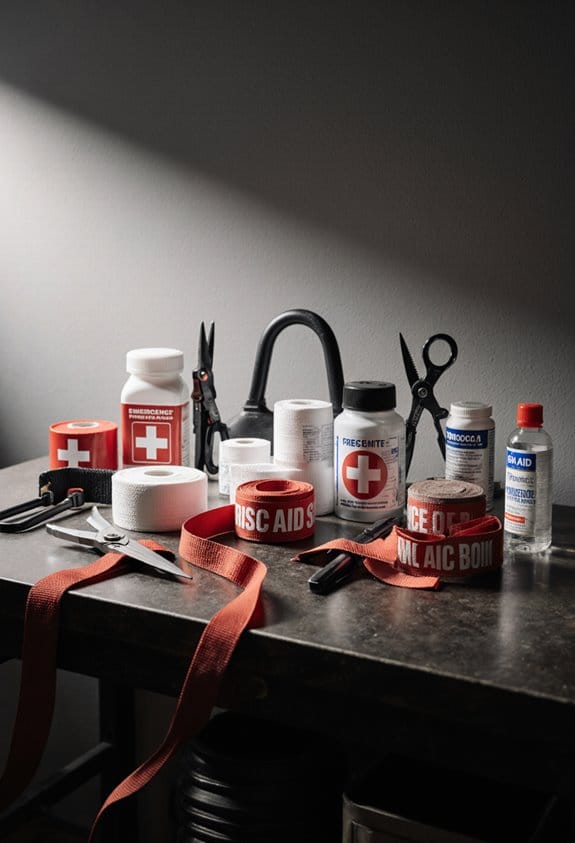
Also, consider organizing your supplies in a portable emergency kit to ensure quick and easy access during a disruption.
In a nutshell, taking simple steps now can save you a lot of hassle later. Are you ready to tackle unexpected water issues in your bathroom?
Recommended Products

Complete Disposal Solution: Do your business anywhere with this puncture-proof disposable gray urinal bag pre-filled with instant gelling powder and includes a wet wipe

60-gallon waste tank which boasts a smooth interior and deep sump

Everything included: BOXIO Wash+, BOXIO Toilet Max+, 2x BOXIO Sit, BOXIO SoloUp, BOXIO Fix - Your mobile bathroom in just two Euro boxes.
Essential Supplies for Sanitation
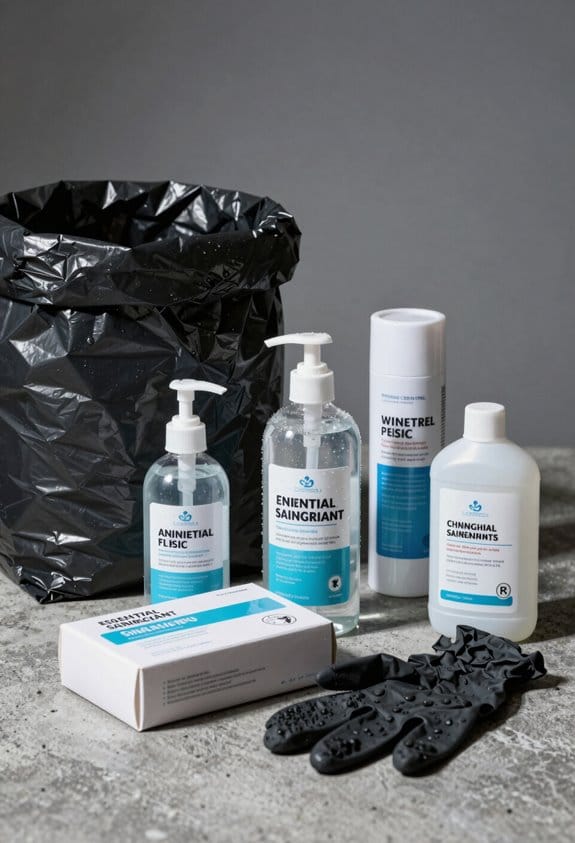
When the possibility of water disruptions looms, you might find yourself thinking about how to keep things clean and comfortable at home. It’s not just about having a backup plan for hydration; you need to stock up on essential sanitation supplies to really keep your hygiene game strong.
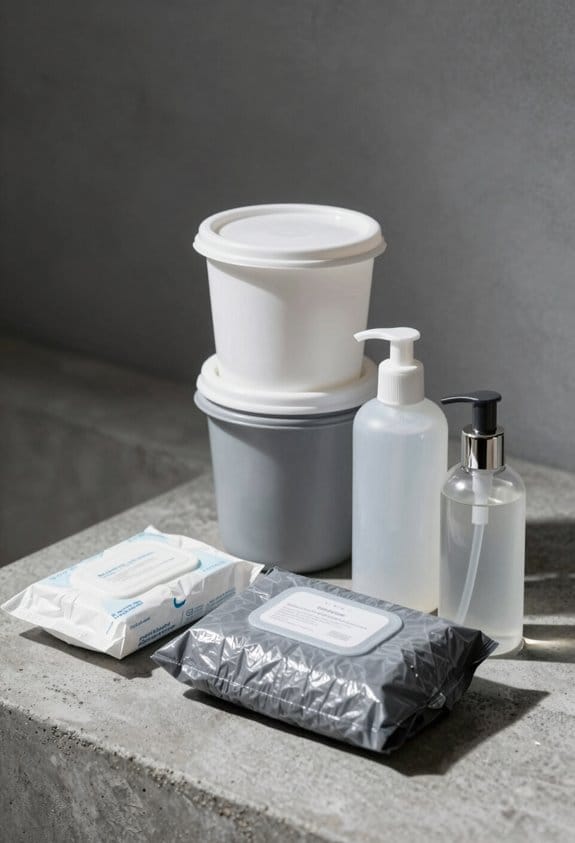
What should you have on hand? Well, start with plenty of toilet paper and consider grabbing some reusable cloth squares for when those rolls run out. Make sure to include cleansing bottles and baby wipes too. Trust me, nothing feels better than having hand sanitizer around for those moments when soap and water are out of reach. And don’t forget disinfecting wipes and trash bags—those are crucial for keeping your space tidy.
If water outages are a real possibility, it might be worth exploring alternatives like composting toilets or portable options for waste disposal. It might sound extreme, but you’ll thank yourself later. Plus, having laundry detergent and basic cleaning supplies is essential for keeping your clothes and surfaces fresh. And really, how often do you check those expiration dates? It’s key to make sure your supplies are in top shape when you actually need them.
In addition, having a weather-resistant storage solution ensures that your sanitation supplies remain usable regardless of environmental conditions.
Having a stash of essential sanitation supplies is just smart planning. You’ll be ready for whatever comes your way. So, are you prepared for the unexpected?
Recommended Products

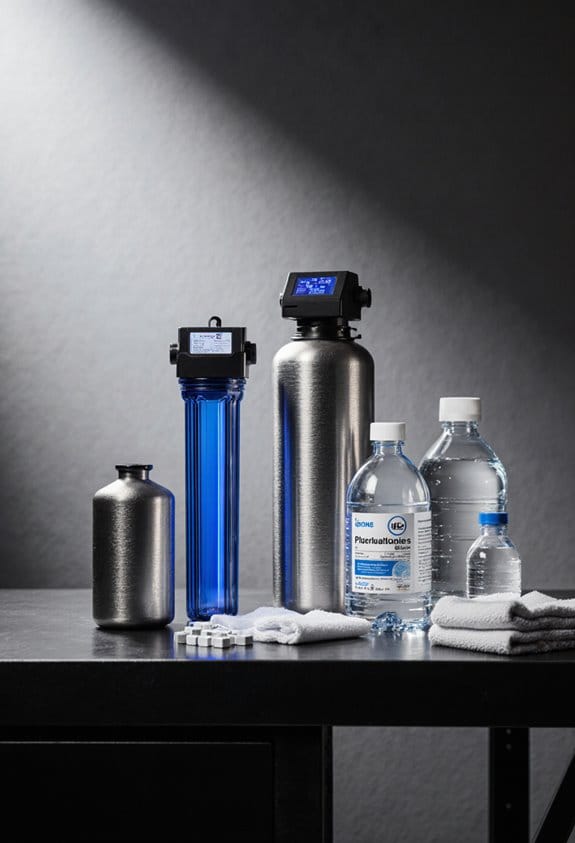
INCLUDED WATER TREATMENT DROPS - Comes complete with water treatment drops that keep your water clean for up to 5 years. Simply add them to your filled containers—no need to periodically rotate your water.

INCLUDED WATER TREATMENT DROPS - Comes complete with water treatment drops that keep your water clean and free from slime buildup for up to 5 years. Simply add them to your filled containers—no need to periodically rotate your water.

CLEAN HANDS EVERYWHERE YOU GO | Portable Hygiene Station Allows Family, Friends, Guests & Workers to Keep Clean Anywhere You Don’t Have a Permanent Sink or Water Hook Up | Perfect Solution for Camping, Boating, Weddings, Large Public Gatherings, Picnics, Worksites, Festivals, Concerts, Sporting Events & More
Alternative Waste Disposal Methods for Emergencies
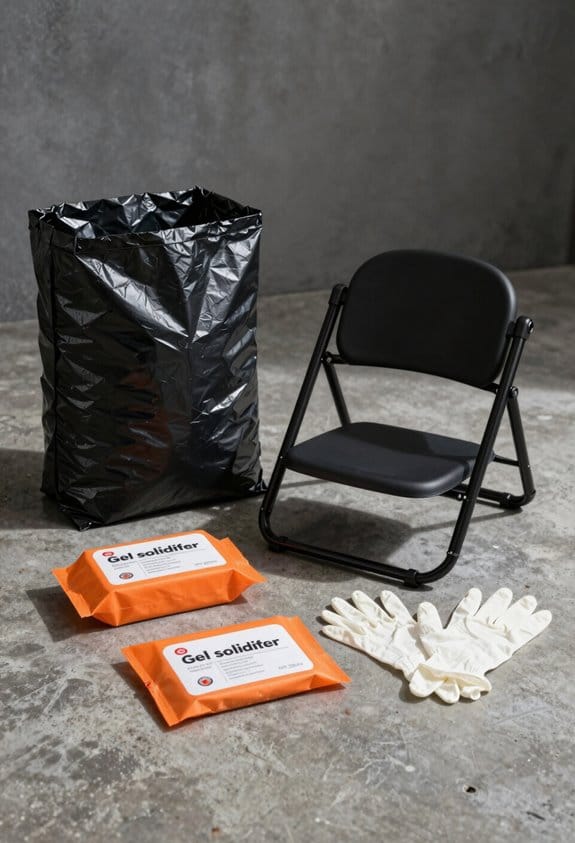
When disaster strikes, figuring out how to handle waste is one of those important but often overlooked issues. If you find yourself in a pinch, composting toilets are a really practical option. They don’t require a lot of setup and can handle human waste while also helping to reduce contamination risks.
For quick solutions, consider portable toilets like the Luggable Lou or bucket toilets with solidifying powders. These are lifesavers when the plumbing’s out of commission and help keep things clean. If you must bury human waste, dig at least six inches deep and steer clear of water sources to keep the area hygienic.
Speaking of hygiene, you might want to check out products like ChemiSan or WAG bags. They can make a world of difference in controlling odors and solidifying waste, turning a tough situation into one you can manage more easily.
Finally, if you’re planning for the long haul, think about setting up a permanent portable toilet. You can improvise with a household toilet to ensure your sanitation needs are covered when everyone is in a bind. It’s all about being ready.
For enhanced comfort and convenience, consider portable toilets with removable tanks for easy cleaning to simplify maintenance during extended use.
Recommended Products

Portable and Convenient: This outdoor mobile toilet comes with a 190L waste tank and does not need to connect to the sewage network, so it can be used in more occasions and save the engineering cost of the sewage network. The size of the mobile toilet is 43.3"x39.4"x90.6", the weight is 167lbs, and it is convenient to transport and move. It does not need to be assembled, just place it on a flat ground and it is ready to use.
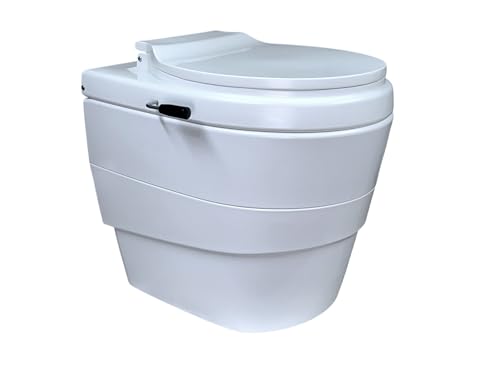
Designed especially for women. No need to aim.
Composting Toilet Designed especially for women. No need to aim. Airtight composting toilet with separate air intake and exhaust pipes. No loss of heated or cooled air. Men can stand. The only urine diverting composting toilet where this is possible. Very easy to clean. No bowl to get messy. Waste is contained in a bag. Massive airflow ensures zero odor. Waste is hidden from users by the patented trap door. People have very little exposure to waste. Not gross.
Effective Hygiene Practices During Water Outages
Maintaining hygiene when the water goes out can feel pretty daunting, right? But don’t worry; with a little prep, you can keep things clean. Start by stocking up on supplies like hand sanitizer, baby wipes, and biodegradable soap. These items can help you manage your hygiene needs without running water.
When it comes to washing your hands or taking a sponge bath, you can use stored water from the bathtub. It might not be ideal, but it works! And speaking of toilets, if you need to flush, use that same stored water and be careful to minimize splashing. You’d be surprised how effective this method can be during a water outage.
Here’s the trick: creating an emergency hygiene kit with reusable cloths and some toilet paper can really save the day. Having these essentials at the ready means you won’t have to worry as much during extended outages.
Now, when water service is back on, don’t just dive in. Flush the pipes for several minutes first to clear out any nasty contaminants. This way, you’ll ensure your drinking water is safe.
Be sure to have hand sanitizers with at least 60% alcohol content on hand to effectively reduce germs when water is unavailable.
Managing Laundry Needs During Water Outages
Water outages can really throw a wrench in your laundry plans, can’t they? But with a bit of prep, you can totally manage your laundry needs without too much fuss. First, stock up on powdered soaps—they’re not only easier to store but also great for hand-washing. You can use portable clothes washers, buckets, or even a washboard to get the job done without relying on electricity.
For those heavier items like sheets and blankets, why not take them outside? Sunlight does wonders for natural disinfection, and it’s a simple way to clean larger loads. Been there, struggling to wring out a drenched comforter by yourself? Teaming up with a friend or family member makes the whole process way quicker and less tiring.
Don’t forget about those pesky stains, either! Check for any before you start washing and be sure to pre-treat them. This simple step makes a big difference in how clean your clothes come out and helps them last longer.
If you have access to natural water sources, using a portable water filter can help ensure clean water for your laundry needs during outages.
In short, staying on top of laundry during a water outage is all about being prepared. With a little planning, you can tackle the wash without losing your mind. So how do you plan on handling your laundry when the water’s off?
Recommended Products

Large Capacity - Two portable hand washing sinks included! Each portable hand washing station holds 280+ uses, making it the ideal way to provide hand hygiene options for your entire event, shift, day, or whatever your need may be

[Laundry Solution for Apartments] Our 18 lbs fully automatic washer and a 1.5 Cu. Ft max-capacity dryer, delivering same-day wash-dry-wear convenience—no more soggy overnight waits! [Note: 2 packages come in]

Hand Wash Station with 12-Gallon Tank - Equipped with 45L (12-gallon) water tank, providing approximately 225 washes with a stable water flow of 220ml per step; Includes 1 pcs hand washing station with wheels and 1 pcs waste water tank, easy and fast to set up a convenient water source without using tools during RV travels or camping, simulating your usual hand-washing experience at home anywhere
Plan Your Bathroom Usage Effectively
How can we best organize our bathroom usage during water disruptions to ensure everyone’s needs are taken care of? First off, establishing a routine feels essential. You want to minimize disruptions and promote responsibility among everyone using the facilities. A discreet hand signal for students to request access can help maintain order, especially when lessons are in session.
Scheduling whole-class bathroom visits can be super effective too; just think about how much smoother things would run if that’s done at strategic times. Not only does it reduce distractions, but it also helps with a more efficient flow. It’s worth talking about sanitation behavior as well. Emphasizing cleanliness and respect for shared spaces makes a huge difference.
Here’s the trick: keeping an eye on bathroom use can prevent any misuse of privileges, which is crucial when resources are limited. If we’re facing water disruptions, adjusting how we flush becomes important, and we need to be mindful of water pressure. Every drop counts, right? Having an accessible spill kit can also help manage any accidental water spills quickly and safely during disruptions.
Recommended Products

HOSPITALITY AND TRAVEL - Bergman Kelly hotel bulk amenities provides luxury products for all your needs: Motels, Airbnbs, Vacation Rentals, Inns, Bed & Breakfasts, Resorts, Airlines, Offices, Gyms, and more

LARGE CAPACITY - 15-gallon drum ensures large volume liquid pickup and durability and features a tip-and-pour drain port for quickly draining liquids
AMPLE STORAGE: This wall mount locker has 10 cubbies with Purple bins & 10 hooks to organize coats, books, lunch bags & other supplies.Ideal for any room at home, daycare, preschool, playroom, classroom, etc.
Community Resources for Sanitation in Emergencies
When water disruptions happen, it can really throw a wrench in our daily lives, especially when it comes to sanitation. So, what do you do? It’s time to lean on community resources that can help us manage this situation better. Local organizations often have great advice on sanitation practices. For instance, composting toilets and portable restrooms can be lifesavers in emergencies.
Many municipalities quickly issue emergency sanitation kits. These kits often come with essentials like wipes and handwashing supplies, which are vital for keeping your family safe. Don’t forget to check out online platforms for practical tips and other valuable community insights. They can be a treasure trove of information in tricky situations.
Public health departments also step up by offering workshops that delve into sanitation risks and teach us the best ways to dispose of waste. Honestly, these workshops can be eye-opening—they help you understand what’s really at stake and how to stay safe.
If a disruption lasts longer than expected, it’s worth reaching out to local civic groups. Collaborating to establish shared sanitation facilities can ensure everyone has access to necessary hygiene solutions.
The best part is that by working together, we not only solve practical issues but also protect our community’s health. Using items like an emergency survival blanket can also contribute by keeping individuals warm and safe during prolonged sanitation-related crises. So next time you face a sanitation challenge, remember: communities can come together to help–you’re not alone in this! How will you tap into resources around you when you need them most?
Final Tips for Staying Prepared During Water Disruptions
Water disruptions can sneak up on us, leaving us scrambling to keep things running smoothly. You might be wondering what you can do to stay prepared. First off, it’s crucial to have enough hygiene supplies. Aim to have at least a week’s worth of liquid soap, shampoo, toothpaste, and toilet paper stashed away. And don’t forget those baby wipes and hand sanitizer—perfect for quick clean-ups when water’s not flowing.
Next, you need a solid plan for clean water. Consider designating a container just for storing water, which comes in handy not just for drinking but also for flushing a dry toilet. It’s worth practicing how to flush using that stored water, so you’re not caught off guard when the situation arises. Managing sanitation effectively can save you a lot of stress.
Truth is, the state of your bathroom supply kit matters a lot. Make it a habit to check it regularly to ensure everything’s fresh and working properly. You want your family to maintain good hygiene without any hiccups. Additionally, having a durable emergency radio can provide important updates about local water disruptions and weather conditions, helping you stay informed and safe.
Frequently Asked Questions
How to Prepare for a Water Shut Off?
To prepare for a water shut off, we should stock up on water storage, gather hygiene supplies, plan for faucet closures, explore alternative cleaning methods, and create emergency plans to guarantee we’re ready when disruptions happen.
How to Reduce Water Usage in the Bathroom?
To reduce water usage, we can install water-efficient fixtures, use dual-flush toilets, aerated faucets, practice mindful showering, and explore greywater recycling. Every small change helps conserve precious resources while maintaining our bathroom’s functionality.
How to Prevent Water Damage From a Toilet?
To prevent water damage from a toilet, we should prioritize regular plumbing inspections, implement leaks prevention strategies, use water resistant materials, guarantee our emergency shut-off is functional, and follow essential toilet maintenance tips regularly.
How to Avoid Water in the Bathroom?
To avoid water in our bathroom, let’s prioritize waterproof fixtures and effective drainage solutions. With proper moisture control, thoughtful bathroom remodels, and consistent drainage maintenance, we’ll keep our space dry and welcoming, free from unexpected spills.