

Metal fume fever isn’t just a fancy term; it’s a real issue that can sneak up on you if you’re not careful while welding. Inhaling zinc oxide fumes can leave you feeling pretty sick. So what can you do to stay safe?
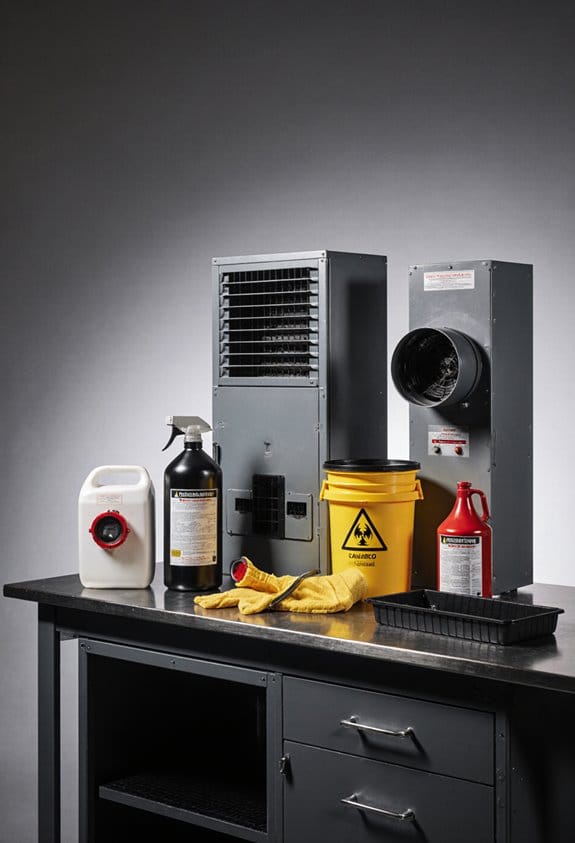
First off, make sure you’re working in a well-ventilated area. Good ventilation is key; it helps clear out those nasty fumes before they can affect you. Installing fume extraction systems can be a game-changer, keeping you safer and more comfortable. If you’re not sure if your setup is adequate, now’s the time to check!
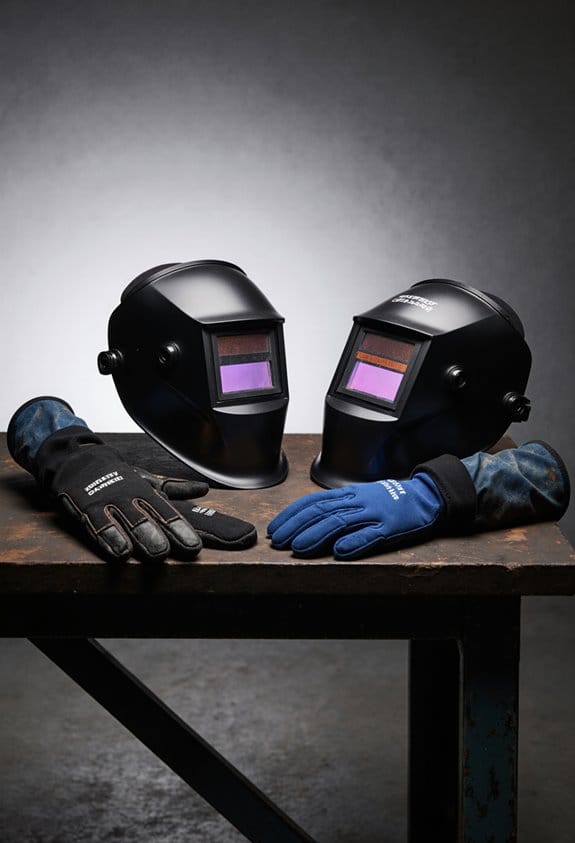
Don’t skip on your protective gear either. N95 respirators are a must. They’re specifically designed to filter out harmful particles, so don’t hesitate to gear up. Trust me, wearing that mask can make a big difference in your health.
Regular safety meetings are another great way to stay on top of your health. Use this time to talk about any symptoms you’re seeing. If fever, fatigue, or even respiratory issues come up, don’t ignore them.
These could be early signs of something more serious. If symptoms stick around for more than 48 hours or get worse, it’s definitely time to grab a doctor’s appointment.
So, why does this matter? Keeping tabs on your health while welding is crucial. You want to enjoy your craft without the aftermath of feeling lousy.
In summary, strong ventilation, the right protective gear, and awareness of symptoms are your best strategies against metal fume fever. Are you doing everything you can to stay safe while welding?
Key Takeaways
- Metal fume fever is caused by inhaling zinc oxide fumes during welding, leading to flu-like symptoms like fever and respiratory issues.
- Preventive measures include ensuring strong ventilation, using N95 respirators, and investing in fume extraction systems.
- Workers should conduct regular safety meetings to raise awareness about symptoms, dangers, and effective safety measures.
- Persistent symptoms over 48 hours or severe respiratory issues require immediate medical attention to prevent long-term health effects.
- Myths, such as drinking milk to prevent metal fume fever, are unfounded, emphasizing the need for effective protective measures instead.
What Is Metal Fume Fever?
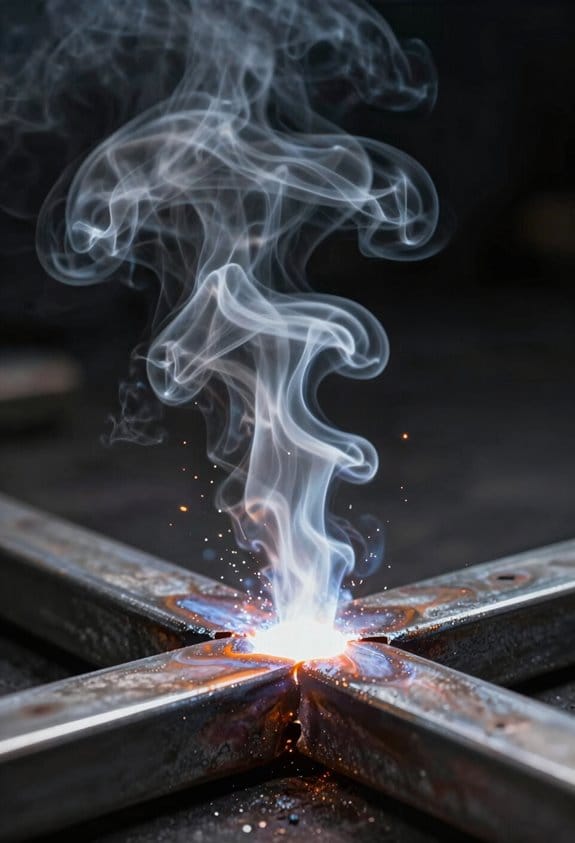
Metal fume fever is no joke, especially if you’re working with materials like galvanized steel. Ever breathed in those zinc oxide fumes during welding? If so, you might want to pay attention. This condition can hit you hard with flu-like symptoms such as fever, chills, fatigue, muscle aches, and even some respiratory problems. You usually won’t feel these effects right away, either; they often kick in about 4 to 10 hours after exposure.
So, why should you care about metal fume fever? It’s pretty common among metal workers, and knowing the signs can help you take action fast. Prevention is key here.
Try this: always wear Personal Protective Equipment (PPE). Masks and proper ventilation systems can really help dial down your exposure to those nasty fumes. If you’re grinding or welding, make sure your workspace has plenty of airflow.
Honestly, it’s all about being proactive. Assess your work environment regularly to ensure you’re not inhaling harmful substances. Take note of how you feel after a long day on the job—self-monitoring can make a big difference. Using high-quality welding gloves can also reduce your risk by protecting your hands from heat and sparks, which contribute to overall safety during welding.
Recommended Products
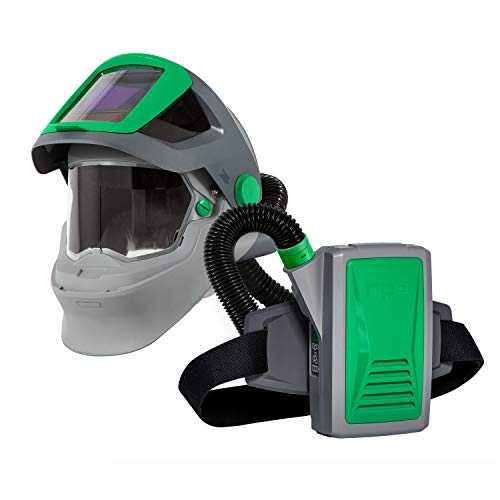
MADE IN USA- Made in our factory in Royal Oak Michigan using domestically sourced componentry.

SUPERIOR PAPR SAFETY AND VISIBILITY: The Dräger X-plore 8500 Premium PAPR provides high-level protection with its respirator mask, HE filter, and powered air unit. Offers wide panoramic field of view and safeguards against welding fumes, dust, and hazardous particles.
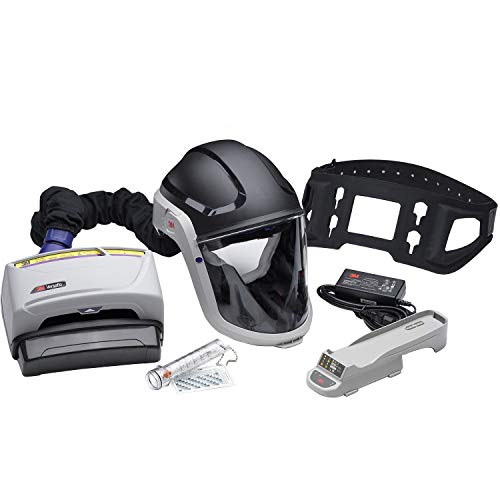
KIT INCLUDES: Respiratory hard hat assembly, PAPR unit, battery and charger, breathing tube, high efficiency particulate and organic vapor/acid gas cartridge, airflow indicator, belt, 2 prefilters, and 2 spark arrestors
How to Spot the Symptoms of Metal Fume Fever?

Have you ever felt a bit under the weather after working on a metal project? It’s crucial to recognize the symptoms of metal fume fever, especially since they can hit hard and fast. Usually, you might notice these flu-like symptoms creeping up on you about 4 to 10 hours after being exposed to zinc oxide fumes.
Watch out for signals like:
- Fever
- Chills
- Headaches
- Muscle aches
But that’s not all. You might also feel sick to your stomach, experience some nausea or vomiting, or have trouble breathing with symptoms like coughing and chest tightness. And here’s something you might find surprising: symptoms can feel worse on Mondays, which is often called “Monday morning syndrome.” What’s that about? It seems our bodies might just be extra sensitive after the weekend. You could even taste a metallic flavor in your mouth or find yourself a little short of breath.
If you start experiencing these symptoms, don’t brush them off. Get medical help if you need it; it’s better to be safe than sorry. Keeping an eye out for these signs can really help you take care of yourself while you work. Have you ever experienced any of these symptoms yourself? Using protective gear such as heat resistant gloves can help minimize exposure to harmful fumes.
Recommended Products

What is a Ready-Pak? – A product assortment that contains personal protective equipment (PPE) and hand tools used for welding, cutting, and metal-working applications.

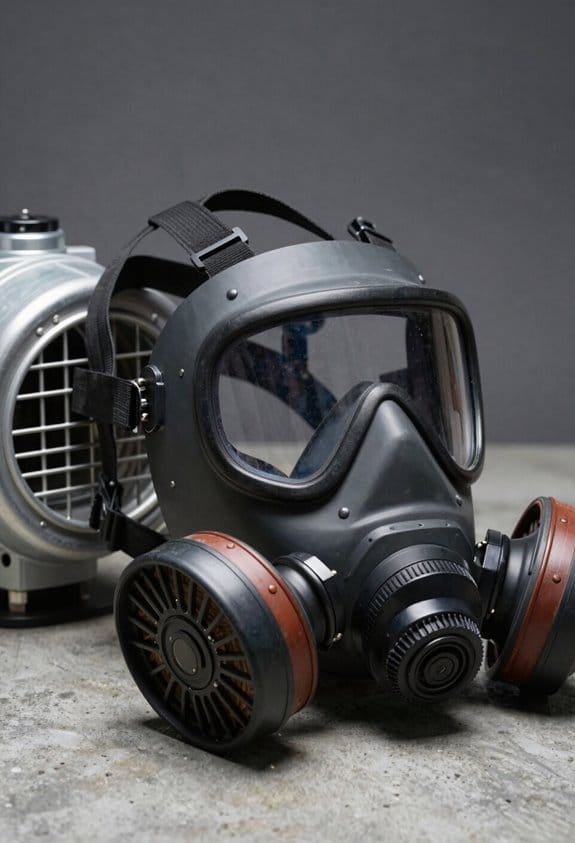
PROTECTION AGAINST dust, mist, fumes, radionuclides and radon daughter – ideal for lead, asbestos, mold and other hazardous particulates

AIR-CIRCULATING FACESHIELD: The Trend Airshield Pro provides excellent protection from the inhalation of harmful dust - included Twin Fine Dust Filters that filter particulates down to 0.6 microns with 98% efficiency.
How Welders Can Prevent Metal Fume Fever
Have you ever felt like you’ve been hit by a truck after a long day of welding? That’s metal fume fever, and trust me, it’s no joke. As welders, we need to take real steps to dodge this troublesome condition. So how do we keep ourselves safe on the job?
First off, let’s talk about ventilation. It’s a big deal. Aim for at least four air changes per hour in your workspace to help dilute those toxic fumes. If your shop feels stuffy, it’s time to get creative with airflow.
And please, don’t skip out on personal protective equipment. N95 respirators or the right welding masks can make a significant difference in your exposure to harmful particles. When you’re grinding or welding, that extra layer of protection is crucial.
Fume extraction systems are also worth considering. They can be tailored to your specific welding processes and do wonders for reducing the amount of fumes you breathe in. The investment pays off in terms of health.
Now, let’s not forget about education. Regular safety meetings can really open your eyes to the symptoms and dangers of metal fume fever. What’s the point of knowing the symptoms if you can’t recognize them when they crop up?
When it comes to your materials, think about what you’re welding. Some metals, like galvanized ones, release more toxic fumes than others. Try to choose materials that are safer to work with whenever you can.
Organizing your workspace with dedicated tool storage can also reduce hazards and improve safety by keeping tools easily accessible and preventing clutter.
To wrap it all up, protecting ourselves from metal fume fever is all about being proactive. It takes some effort, but keeping yourself and your coworkers safe is worth it. Have you thought about what else you can do to reduce your risks on the job?
Recommended Products

7-Layer Filtration System: Removes 99.97% of dust and absorbs 97.97% of odor. It includes a professional formaldehyde filter that achieves ≥80% formaldehyde removal in a single pass at 50% airflow, ensuring maximum purification for healthy breathing during laser processing.

PORTABLE FUME EXTRACTOR, 8 FT HOSE

EXTRACT-ALL WELDING FUME EXTRACTION ARM: The Extract-All Welding Fume Extraction Arm helps in directing hazardous smoke, dust, mist, and fumes away from industrial applications like welding, powder mixing, and more. It is prepared to match the industrial strength and durability. It is easy to move and has external supports and self-locking joints which helps it in being sturdy and easy to use.
Metal Fume Fever Prevention Through Workplace Safety and Ventilation
Welding can be an exciting yet risky job, especially when it comes to things like metal fume fever. So, how do you keep yourself safe while working with materials like galvanized steel and zinc? The answer lies in proper ventilation and a good strategy to reduce those harmful fumes.
You really need to aim for strong ventilation, ideally getting at least four air changes per hour. This is crucial for keeping fume concentrations low and your workspace safe. One of the best ways to achieve this is by using effective fume extraction systems. Local exhaust ventilation is a solid choice and can make a big difference in minimizing your exposure.
Don’t forget the importance of personal protective equipment. Wearing an N95 respirator can significantly lower your risk of inhaling those nasty fumes. It might seem like a hassle to put it on every time, but trust me, it’s worth it. And when it comes to your welding techniques, safe work positioning can really help you reduce fume inhalation as well.
Regular assessments by health care professionals should also be part of your safety routine. They can spot hazards that might not be obvious and guide you on how to fix them. This way, you’re actively reducing the risk of systemic symptoms associated with metal fume fever.
Additionally, using ANSI Z87 safety glasses can protect your eyes from hazardous particles generated during welding.
Recommended Products

Kit includes duct kit with rectangular nozzle

【Designed for High-Power Laser Cutting】- The FumeClear FC2004 fume extractor is specially designed for laser engraving machines above 20W, and is highly effective in purifying up to 99.98% of harmful gases and filtering out dust and smoke impurities below 0.2 microns. Ideal for laser engraving, spraying, electroplating, and soldering.
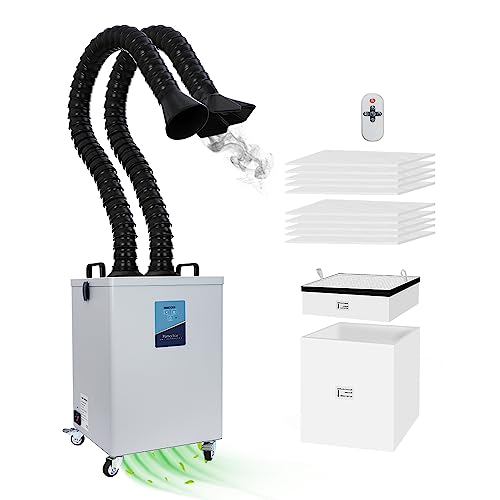
【99.97% Purification Rate】- The FC2003 fume extractor is equipped with 2 ports that can work simultaneously, making it ideal for use in a factory assembly line, multi-machine studio, and beauty salon. It is highly effective in filtering out dust below 0.3 microns, with a purification efficiency of up to 99.97%. A great value for your money!
Why Milk Does Not Prevent Metal Fume Fever
Have you ever heard someone say that drinking milk can keep you safe from metal fume fever while you’re welding? It’s a common belief, but honestly, there’s no solid science to back it up. Many people think that the calcium in milk can somehow bind to heavy metals, but that’s just a myth. When you rely on milk as a safety measure, you might overlook more important precautions, like ensuring you have good ventilation and effective fume extraction systems in place.
Here’s the trick: exposure to fumes, especially zinc oxide and other metals, can still pose a risk to your health, no matter how much milk you drink. Health and safety experts are clear: focus on real protective measures. This means wearing personal protective equipment, securing adequate ventilation, and keeping your workspace as safe as possible.
One of the best ways to protect yourself is by using a properly fitted welding respirator with the right filter type for the contaminants you encounter.
So, why does this matter? If we can understand that milk won’t save us from metal fume fever, we can better prioritize our health. It’s all about adopting practices that genuinely protect you and reduce the chances of getting sick.
In the end, keep in mind that while milk can be a tasty drink, it won’t prevent symptoms of metal fume fever. What other safety measures are you taking to protect yourself at work?
Recommended Products

Powered Air Purifying Respirator (TH3 Protection): Integrated powered air purifying respirator (PAPR) system delivers continuous filtered airflow to reduce exposure to welding fumes, dust, and metal particles. Equipped with a TH3 filter for reliable respiratory protection during long welding sessions.

【Powered Air Purifying Respirator】It is a kind of powered air purifying solar auto-darkening welding helmet, provide refreshing airflow across the entire breathing zone, Capture up to 99.97% of weld fume, Filter captures airborne particles as small as 0.3 micronss. Integrating respiratory skin and eye protection.

Air Exchange - Comfortable Fit: Three-speed adjustable turbine fan delivers 230 cubic feet per minute of purified airflow. An innovative airflow optimization system directs air toward the face and mask, effectively eliminating fog and heat buildup. The headband features an ergonomic design for fatigue-free operation in welding/metalworking environments
How Do Metal Fumes Cause Health Issues?
Metal fume fever is no joke; it’s a serious concern for anyone involved in welding or similar activities. When you’re working with metals, especially galvanized steel, you could find yourself inhaling zinc oxide fumes without even realizing it. The result? Your lungs might react dramatically, leading to flu-like symptoms like fever, chills, and muscle aches. This can all kick in about 4 to 10 hours after you’ve been exposed. And it’s crucial to keep that timing in mind when you’re assessing your fume exposure!
But it doesn’t stop there. Prolonged inhalation of other metal fumes, like those from copper and cadmium, can be even worse. You might end up worsening any existing respiratory issues you have, or even facing chronic health problems down the line. So, why does this matter? Because being aware of these risks can literally help you breathe easier and protect your long-term health.
Here’s the trick: always wear proper protective gear when working with metals. Make sure your workspace is well-ventilated to minimize exposure. When you know what you’re up against, it makes it a lot easier to take the right precautions.
Using a NIOSH-approved P100 respirator can significantly reduce exposure to harmful metal fumes and protect your respiratory system.
And remember, staying informed about the effects of metal fumes can save you from a lot of discomfort. So next time you’re working in a metal-heavy environment, think about what you can do to safeguard your health. Don’t take those fumes lightly; your lungs will thank you for it!
When to Seek Medical Attention for Metal Fume Fever?
When should you consider seeking medical attention for metal fume fever? This can be a bit tricky, especially if you’re feeling under the weather after exposure to welding fumes. If you notice that fever, chills, and muscle aches hang around for more than 48 hours after you’ve stopped exposure, it’s a good idea to check in with a healthcare professional.
You really shouldn’t ignore severe respiratory symptoms. Things like shortness of breath, burning feelings in your lungs, or significant wheezing are red flags. Chest tightness or a cough that sticks around also deserve a closer look—they could mean you’re facing respiratory complications. And if you’re dealing with signs of severe toxicity, like shock or convulsions, don’t wait—seek emergency care right away.
Have you found yourself going through recurring episodes of metal fume fever? If so, getting a thorough health evaluation can help you understand any long-term effects on your body.
Using protective gear such as leather welding gloves can help reduce exposure to harmful fumes and prevent metal fume fever.
Frequently Asked Questions
How to Prevent Metal Fume Fever?
To prevent metal fume fever, we must prioritize safety gear, install effective ventilation systems and fume extractors, conduct proper training, assess risks, select materials wisely, and maintain workplace hygiene and health monitoring practices consistently.
What Is Metal Fume Fever?
Metal fume fever’s caused by inhaling metallic fumes, leading to fever, chills, and fatigue. We’ve seen safety equipment as essential for affected individuals, and understanding risks helps mitigate long-term effects from repeated exposure.
Why Do They Say to Drink Milk After Welding Galvanized?
They say to drink milk after galvanized welding due to misconceptions about combating metal toxicity. However, we should rely on proper welding safety measures, like protective gear, to address zinc exposure and fume inhalation health effects.
How Do You Prevent Fumes When Welding?
To dodge harmful fumes while welding, we must embrace fume extraction systems, protective gear, and ventilation measures. Investing in portable fume solutions and welding curtains enhances air quality, supporting our safety and well-being in the workspace.