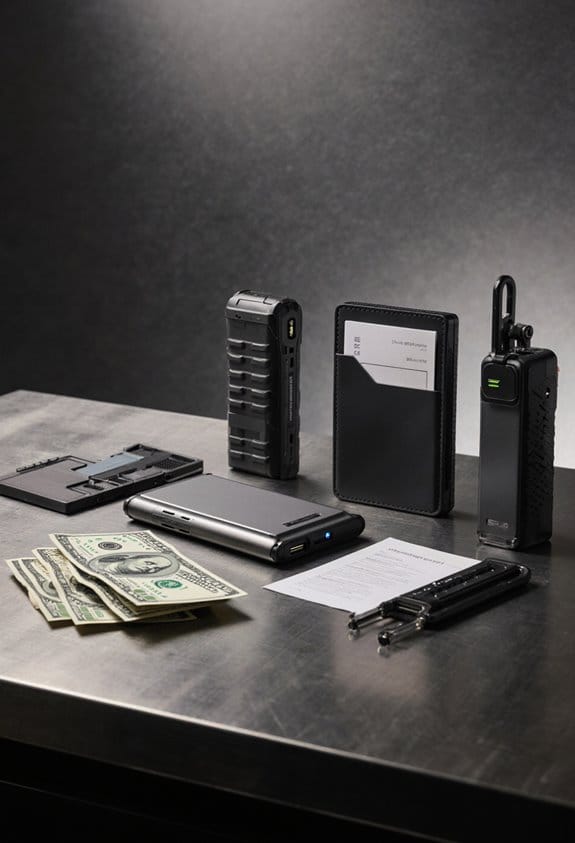

Are you ready for a financial emergency? It might not seem urgent now, but having cash on hand can make a world of difference when the unexpected happens. Aim for three to six months’ worth of living expenses laid out in cash.
Start small—set aside just $20 each month.
Now, where do you keep it all? A fireproof safe is a must to protect that stash. And make sure everyone in the household knows where to find it and understands why it’s important. Trust me, that knowledge could come in handy when you least expect it.
Don’t forget about essential documents. They can be just as vital as cash. Try this: create backup copies of things like your ID, insurance policies, and bank details.
Store those backups in a secure spot—maybe even digitally, using encrypted cloud services.
So, why does this matter? Emergencies can strike when you least expect them, and having a plan can give you peace of mind. The best part is that being financially prepared isn’t as daunting as it sounds; you can take small steps that add up over time.
In summary, prioritize cash savings, secure it properly, and back up your important documents. What steps are you taking to prepare for the unexpected?
Key Takeaways
- Keep cash on hand, ideally $5,000 to $10,000, for emergencies when electronic payments may fail.
- Aim for a cash reserve covering three to six months of living expenses tailored to your needs.
- Securely store cash in a fireproof safe and avoid obvious hiding spots to enhance protection.
- Create digital and physical backups of important documents to ensure accessibility during emergencies.
- Regularly review and update your cash stash and document backups, adapting to life changes and technology advancements.
The Importance of Having Cash During Emergencies
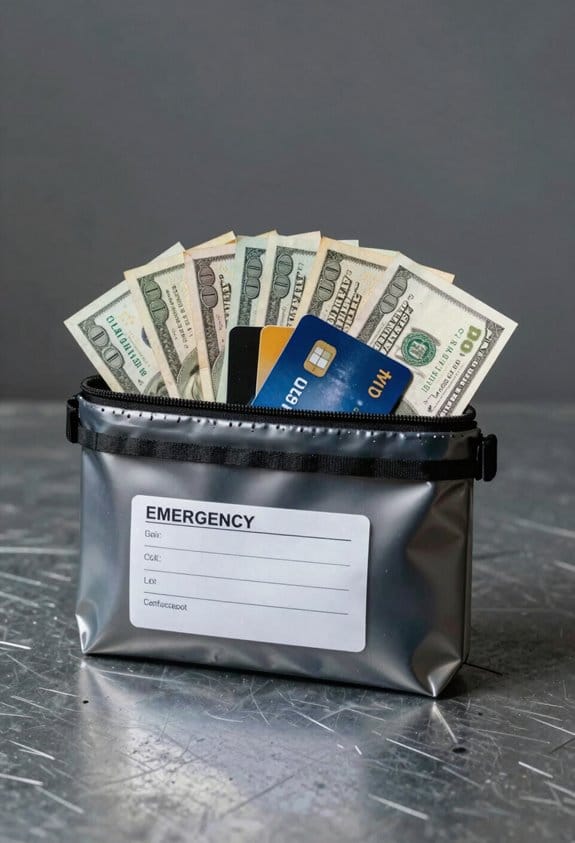
During emergencies, it can be a real struggle to get what you need if you’re not prepared. Have you ever thought about what would happen if electronic payments suddenly stopped working? Whether it’s due to a power outage or some other disaster, cards can become pretty useless in a pinch. That’s why having cash tucked away is so important.
When the unexpected hits, having cash on you means you can grab essential supplies right away, even if ATMs aren’t working. Imagine being stuck without a way to pay for food or other necessities—panic can set in quickly. Plus, if you’re at an emergency relief center, you might find they only accept cash, so it’s worth having some ready to go.
Think about setting aside between $5,000 and $10,000 as an emergency cash stash. Sounds like a lot, but it can give you a solid buffer against surprise expenses when you need it most. Here’s the trick: keep that cash stored safely, but also in a place where you can access it easily if something goes down.
You might be wondering why this even matters. Well, cash transactions offer privacy that electronic payments just can’t match. In chaotic situations, protecting your sensitive information is crucial. Regularly check your emergency funds and make sure everything is in order so you’re ready when life throws you a curveball.
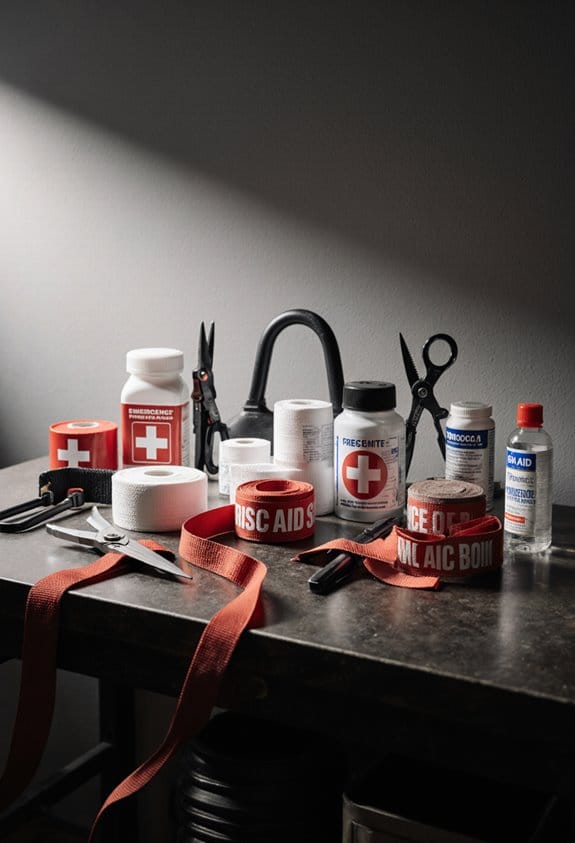
Ultimately, being cash-ready can make all the difference in an emergency. Having reliable backup tools like a first aid kit in your car emergency kit can further enhance your preparedness. Are you prepared for the unexpected? It might be time to take a closer look at your emergency cash plan.
How Much Cash Is Enough for Your Emergency Cash Stash?
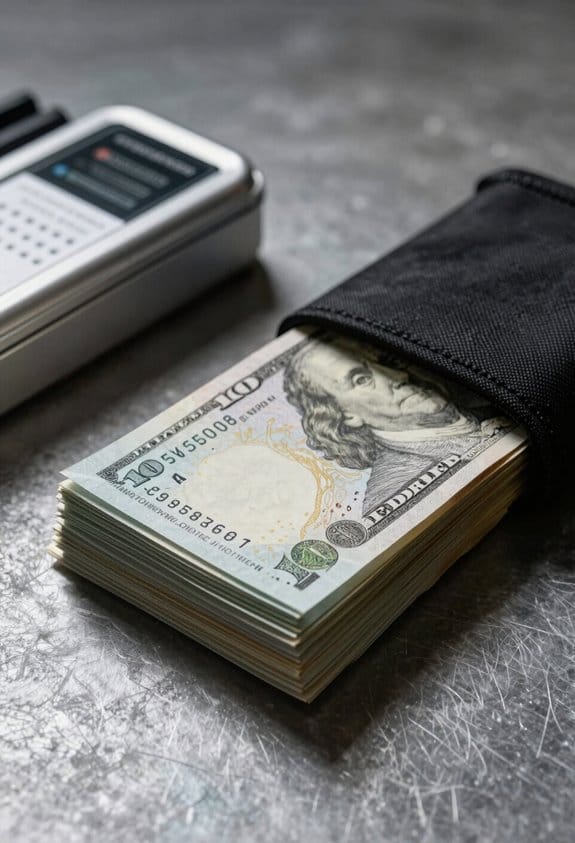
How do you figure out how much cash you really need in your emergency stash? A good rule of thumb is to aim for three to six months’ worth of living expenses. But let’s be real; this amount can vary based on what’s happening in your life and the risks in your area.
Think about the basics you need during a crisis: food, gas, lodging. Have you ever considered how hard it could be to access those necessities if your local services shut down? Starting with a small amount, say $20, can make a difference. Add that to your monthly budget. Over time, you’ll build your stash without even noticing.
It’s also super important to regularly check in on your cash reserve, especially when big changes happen in your life. Maybe you got a new job, or you’re moving to a different town. Also, keep in mind that during power outages, electronic payment systems might not work, leaving you in a bind. Having some cash on hand can really take the stress off you and your family when emergencies pop up.
In short, building an emergency cash stash isn’t one-size-fits-all. Think about your situation, and be proactive. How prepared are you to handle the unexpected? Remember, just as space blankets reflect heat, having tangible backup plans can greatly enhance your overall emergency preparedness.
Recommended Products

1-Hour Class 350 Fire with Impact UL label. Tests include 1 hour exterior file exposure at 1700°F, a 2000°F explosion test, and a 30 foot drop to test impact integrity. Made in USA

100 GALLON CAPACITY WITH CLEAR MARKINGS — This horizontal square reservoir delivers a true 100 gallon water tank with molded gallon/liter marks; natural translucent poly shows level at a glance for potable water or other non‑flammable liquids
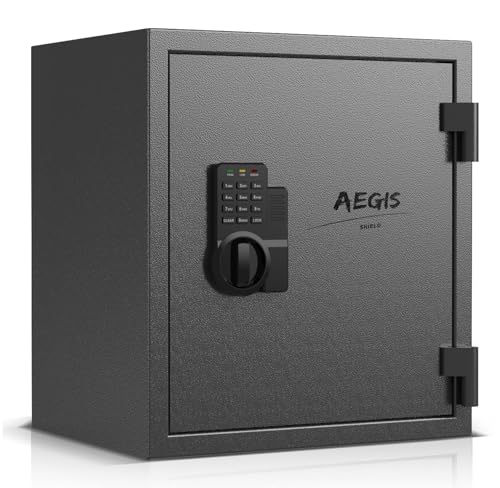
Advanced Fireproof Protection; Built with fire-resistant materials to withstand extreme temperatures up to 30 minutes at 1400°F/760℃, ensuring your valuables remain safe during a fire emergency.
Essential Steps for Building Your Emergency Cash Stash
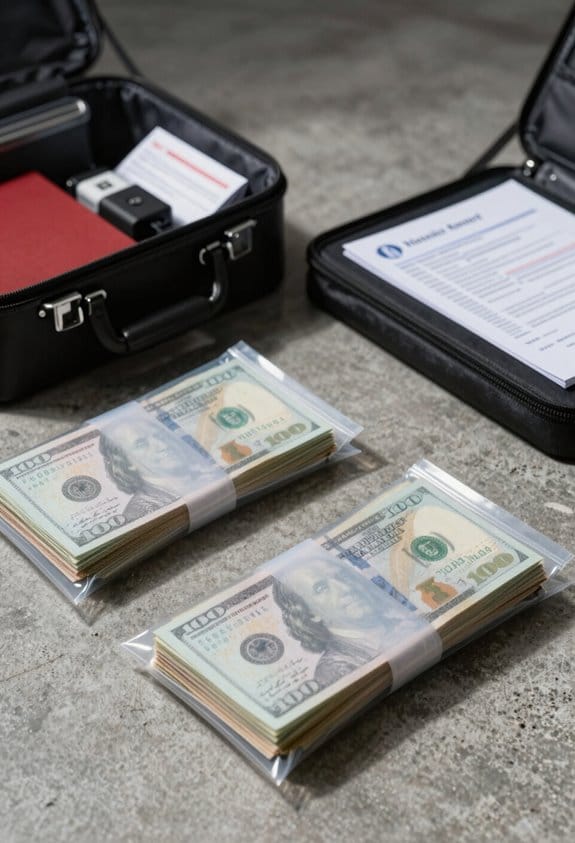
Have you ever found yourself wondering how to prepare for unexpected expenses? Building up an emergency cash stash is a great way to ease that worry, and it doesn’t have to be a stressful task. Just start by setting aside a small amount, like $20 in coins and bills, and add it to your monthly budget. This makes it easier to grow your stash over time without feeling overwhelmed.
As life throws us curveballs and inflation makes everything pricier, it’s important to regularly check if your cash stash is still meeting your family’s needs. So, why does this matter? Because being prepared can save you from panic during emergencies. Finding a secure spot at home, like a fireproof safe, is smart for storing your emergency cash. It’s best to stick with lower denomination bills too; these are easier to use when you need quick access.
Think about making 72 Hour Kits for each family member. This ensures everyone can grab funds quickly if you have to evacuate. It’s a small step that can make a big difference in a pinch.
In the end, building your emergency cash stash is about feeling secure and ready for anything life throws your way. Are you ready to take that first step?
For added security, consider storing your cash in a cabinet with a reliable locking mechanism designed to deter unauthorized access.
Recommended Products

【Ultimate Protection for Your Valuables】- The Tigerking large fireproof safe is designed to safeguard your most precious items. With a robust 13-gauge steel body and 16mm fire-resistant board, this extra large safe box offers unparalleled security. It meets UL 72 standards, ensuring it can withstand temperatures up to 1200℉ for 40 minutes, making it the perfect fireproof large safe for your home.

2 Hour Fire Rated

Extra-Large Capacity: 17.6 cu ft space fits larger home items, jewelry boxes, records, and collections; exterior 62.2"H x 23.6"W x 22"D, interior 48"H x 23.2"W x 18.7"D.
How to Secure Your Cash Stash
Securing your cash stash is important, especially when you want it handy in a pinch. One big mistake people often make is keeping their cash in obvious places, like under their mattress or in an old medicine cabinet. Instead, think about using a fireproof safe or even fire-proof envelopes to protect your money.
Have you ever thought about how much cash you really need on hand? It’s a good idea to regularly check the amount you have and adjust it based on your household size and possible emergencies. You don’t want to be caught off guard when you need it the most.
Here’s a smart tip: document where you stash your cash and keep that information with your estate planning materials. This way, if something happens, you won’t be scrambling to remember where you put it. Plus, make sure everyone in your household knows where the cash is stored and why it matters.
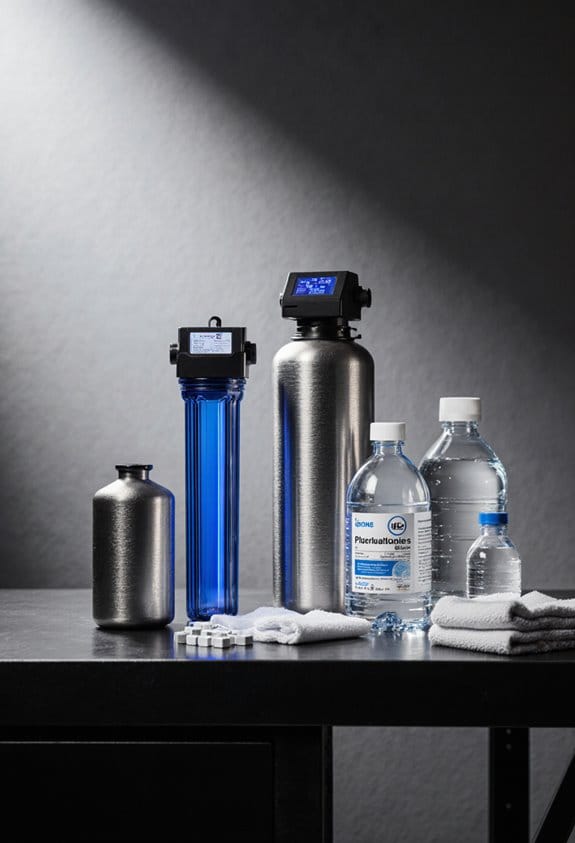
Honestly, educating your family can save a lot of stress later on. When surprise situations pop up, you’ll be ready to grab your emergency cash and handle whatever comes your way. So, why not take a moment today to rethink your cash storage plans? Additionally, just as important as your cash stash is ensuring you have access to safe emergency water storage to support your household during outages.
Recommended Products

Four wide file drawers built with high sides for use with hanging folders and 1 follower block per drawer

Four wide file drawers built with high sides for use with hanging folders and 1 follower block per drawer

Digital Combination Lock with Customizable Code: A digital combination lock provides easy access as well as the ability to change the code as often as you like. The combination can be set with a minimum of 4 and a maximum of 16 digits. Dimensions: 73.5"H x 38.63"W x 25.63"D. Interior: 66"H x 30"W x 17.33"D. Included with safe: 3 Adjustable Shelves
Setting Up Backup Plans for Your Important Documents
Have you ever thought about what you’d do if you lost all your important documents in a sudden emergency? It’s a scary thought, but having a solid backup plan really takes the edge off. One of the first things to do is create digital copies of your key documents. Store them in a secure cloud service or back them up on an external hard drive — it’ll give you peace of mind knowing they’re safe.
For those physical copies, it’s a good idea to keep them in a waterproof and fireproof safe. This way, you’re protecting your documents from water damage and fire. Make a list of everything you need to include: identification, insurance cards, and emergency contacts. Don’t forget to regularly update that list as things change — you want to be able to grab everything in a hurry.
An often overlooked tip? Schedule those annual reviews for your backup plans. It’s a simple way to keep your info current and ready for anything life throws your way. Plus, as technology changes, staying updated on how best to store these vital documents can really help. Also, just as with first aid kits, maintaining regular checks ensures your backup plans remain effective and reliable.
Frequently Asked Questions
What Types of Emergencies Require Cash on Hand?
We all need cash on hand for natural disasters, medical emergencies, and power outages. It’s also essential during economic downturns, home repairs, travel disruptions, cybersecurity breaches, supply shortages, job loss, and other urgent expenses.
How Can I Keep My Cash Stash Safe From Theft?
To keep our cash stash safe, we should use secure containers, create physical barriers, and consider neighborhood watch programs. Plus, having insurance coverage and involving trusted family can enhance our cash security. Financial literacy matters too!
Should I Keep Cash in Multiple Locations?
Since 60% of people keep cash at home, we suggest diversifying our cash storage. By distributing our emergency funds across multiple secure locations, we enhance accessibility, guarantee geographic diversity, and create a solid cash management strategy.
What Digital Backup Solutions Are Recommended for Documents?
For document backups, we recommend using cloud storage, mobile apps for document scanning, encryption tools, and password managers. This way, we can guarantee secure sharing, effective file organization, and reliable disaster recovery through online backups and digital vaults.
How Often Should I Review My Financial Preparedness Measures?
“An ounce of prevention’s worth a pound of cure.” We should review our financial preparedness measures quarterly, focusing on budgeting strategies, savings goals, cash management, and resilience planning for better income streams and investment risks.