
Have you ever turned on the tap and thought twice about what might come out? It’s a real concern for us all, especially when we start seeing discolored water, noticing odd smells, or spotting tiny particles floating around. It’s best to avoid drinking that water.
If your local utility issues a boil water advisory or a contamination alert, heed that warning. Don’t drink or cook with it until you get the all-clear. It’s not just a precaution; vulnerable groups like infants and pregnant women need to be especially cautious.
Another thing to consider is that if you rely on a private well, regular testing is crucial. If you haven’t tested your well water recently, now’s the time to schedule it.
Keeping an eye on your home filtration systems is also a good practice; maintenance can make all the difference in ensuring your water is safe.
So, why does this matter? Staying informed about your local water quality reports can protect your health and your family’s well-being. You’ll find that understanding these potential issues lets you make smarter choices about what you drink.
In short, always trust your instincts when it comes to tap water. If something feels off, it’s better to be safe than sorry.
What do you do when you’re unsure about your water?
Key Takeaways
- Discoloration, odors, or unusual taste in tap water may indicate contamination and should prompt avoidance of usage.
- Visible particles, cloudy appearance, or a slimy texture are clear signs that tap water may be unsafe to drink.
- If local authorities issue a boil water advisory, refrain from consuming tap water until safety is confirmed.
- Regular testing of private wells is crucial, especially for vulnerable populations, as they have a higher risk of health issues from contaminated water.
- Stay informed about local water quality reports and alerts to make timely decisions on tap water safety.
Understanding Water Contamination: Key Definitions

Water contamination is a huge concern for everyone. It happens when harmful substances, or contaminants, sneak into our drinking water, which can pose serious health risks. These contaminants can pop up from natural sources like groundwater minerals, or they can come from human activities—think fertilizers and industrial waste.
So, how do you know if your drinking water is safe? Regularly testing both public water systems and private wells is key to ensuring they meet the safety standards laid out by the U.S. Environmental Protection Agency. It’s a smart idea to stay informed about what’s in your water and to understand the difference between clean, safe drinking water and sources that might be polluted.
What’s alarming is that some contaminants can hit hard and fast, causing immediate health issues, while others may lead to chronic problems down the road. That’s why it’s crucial to be aware of any symptoms you might experience after drinking your water. If something doesn’t seem right, don’t brush it off.
Honestly, we all want clean water to drink. Always prioritize your health by making sure your water is safe. Have you thought about testing your drinking water recently? It’s a small step that can make a big difference. Using reliable filtration systems, such as Sawyer Water Filters, can provide an effective way to ensure your water is safe during outdoor adventures or emergencies.
Common Sources of Water Contamination
Ever wondered what’s really in your drinking water? It’s a bigger issue than most people think. Water contamination can come from a lot of different places and it’s crucial to understand where these threats might lurk to keep our water safe.
For one, industrial discharges are a common culprit. Factories can release harmful chemicals into nearby water sources. That doesn’t just affect the environment; it puts your health at risk, too. Then there’s agricultural runoff, which often brings fertilizers and pesticides into our streams and rivers. These chemicals can seep into our groundwater, making their way into the water we drink.
But it’s not just manmade sources that pose risks. Believe it or not, lead and arsenic can naturally occur in groundwater. So, why does this matter? These heavy metals can be toxic, especially for kids. Microbial contamination is another concern. Sewage spills or poor wastewater treatment systems can result in harmful bacteria entering our water supply.
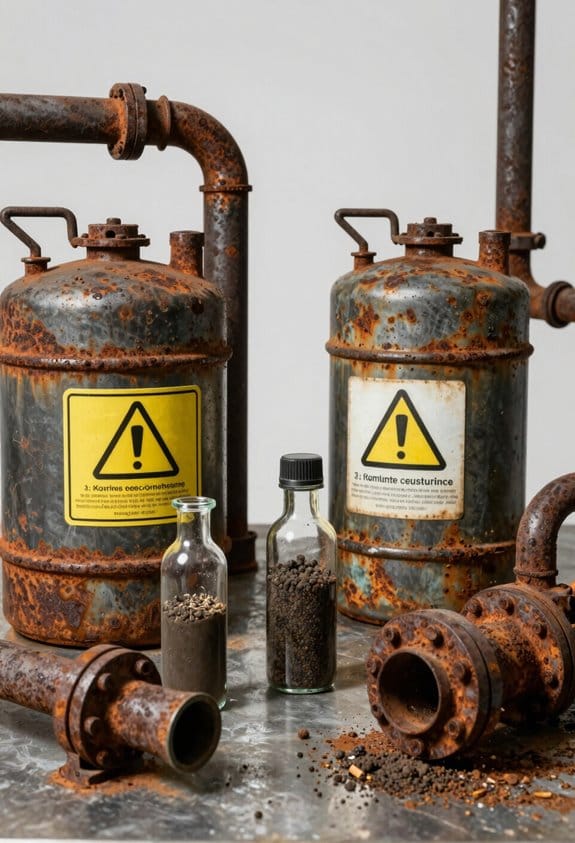
Urban areas have their own challenges, like chemical runoff from roads. Think about it: oil, gasoline, and other pollutants washing into nearby water bodies can seriously degrade water quality. Plus, if you live in an older home, you might be dealing with lead pipes. Aging infrastructure is a hidden danger that can leach toxic metals directly into the water you’re using every day.
During service interruptions or plumbing repairs, it’s worth being extra cautious. The best part is keeping it simple: just boil your water before using it. This quick step can help keep you and your family safe during those times.
For longer-term emergencies, having water purification methods on hand helps ensure safe drinking water in blackout situations.
In short, staying aware of these contamination sources is vital for all of us. What steps are you taking to safeguard your water?
Recommended Products

Protect your family from arsenic and heavy metal contamination in your water supply with the WECO NTO system. This system uses nano titanium oxide (NTO) media, a granular adsorbent that is highly efficient at removing arsenic III & V, lead, cadmium, copper, chromium+6, selenium, uranium, antimony, and zinc.

Order this 50-Pack for lightning-fast fulfillment. Shipped as a single, secure case directly from a local US warehouse, avoiding slow, multi-box shipments from Amazon fulfillment centers.

Upgrade Your Kitchen & Lifestyle: Treat yourself to the Tyent UCE 13 Plate Turbo Hydrogen Alkaline Water Ionizer Purification System, a truly top-tier home essential. This unit features 13 platinum-coated titanium solid/mesh hybrid plates and the largest, most robust water cell available. The compact matte-black and steel design adds a luxurious touch to the kitchen, saves valuable counter space, and provides your family with superior drinking water every day.
Visual and Sensory Indicators of Tap Water Contamination
Have you ever turned on the tap and thought, “Is this water really safe to drink?” It’s a common concern. We expect clean, clear water, but sometimes what comes out of the faucet tells a different story.
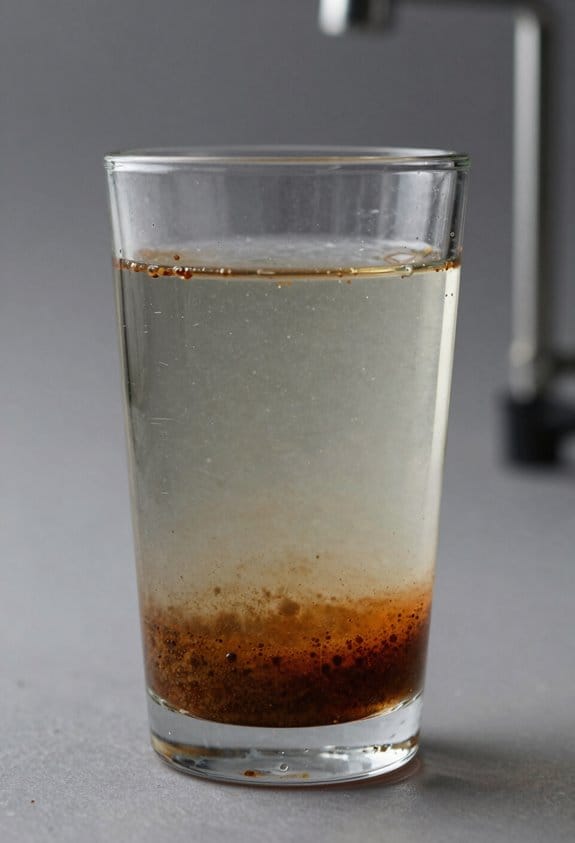
When you first fill your glass, take a good look at it. If you notice any discoloration—like brown, yellow, or even cloudy water—don’t use it! Those colors can signal rust or other nasty impurities lurking in your water supply.
Now, let’s talk about smell. If your water gives off a metallic or chemical scent, hold off on drinking it until you can get it tested. And if you spot visible particles or debris floating around, that’s definitely a red flag.
You might also catch a whiff of chlorine. While it’s used as a disinfectant, a strong chlorine smell could mean there’s too much of it in your water, which isn’t great for your health. Finally, if the water feels slimy or soapy at all, that’s another sign to steer clear and call in a professional.
For added safety when handling possible contaminants around water, consider using durable protective suits to reduce exposure risks.
So, why does this matter? Drinking contaminated water can lead to serious health issues down the line.
Recommended Products

RECOMMENDED: For targeted testing and identification of microplastics in drinking water.

A better RO system | Home Master HydroPerfection’s innovative design solves most common problems associated with canister and tankless RO systems

For any drinking water source: This is a vast informational water quality analysis designed to provide EPA and State certified laboratory testing of private well water, spring water, or tap water.
Protecting Vulnerable Groups From Water Contamination
Have you ever thought about the risks of drinking dirty water? It’s something many of us don’t consider until it affects someone we love. Infants, young kids, pregnant women, and the elderly are facing unique dangers when it comes to contaminated water. With their developing or weakened immune systems, they’re particularly vulnerable. It’s so important to make sure the water they drink is safe.
If you’re getting your water from a private well, here’s a tip: make sure to test it every year for contaminants. Unlike public systems, private wells don’t have the same safeguards, so you really need to be proactive. So, what should you look out for? Be aware of things like lead, which can seriously hurt children’s brain development.
And if you or someone you know has a weakened immune system, like someone going through chemotherapy, don’t take chances. Consult your healthcare provider to talk about water safety and see if any extra precautions are necessary. You might need a water filter or some other way to ensure it’s clean.
One effective way to ensure safe drinking water is using gravity water filters, which can remove a wide range of contaminants efficiently without electricity.
Honestly, it’s on all of us to do what we can to keep our communities safe from water contamination. It starts with awareness and taking action to protect those who are most at risk.
In the end, are we doing enough to keep our families healthy? Let’s make sure we’re all educated about the risks and prepared to tackle them together.
How Contaminated Water Could Impact Your Health Over Time
Contaminated water isn’t just a problem you can brush off; its health impacts can stick around for years, often catching us off guard. Have you ever thought about how the water we drink could be affecting our long-term health? When we regularly consume contaminated drinking water, we run the risk of developing serious health issues that can sneak up on us over time.
Children are especially in the crosshairs here. Just think about it: even low levels of things like lead can have lasting effects, messing with brain development and academic performance. The presence of harmful chemicals such as PFAS in our water supply is also alarming; they may play a part in chronic diseases, including cancer. And let’s not forget about those sneaky microorganisms. If they’re present in unsafe amounts, they can lead to all sorts of gastrointestinal problems that nobody wants to deal with.
So, what can you do about it? Testing your drinking water for contaminants is a smart move. If you suspect you’ve been exposed for a while, consider looking into alternatives. You don’t have to sit back and let contaminated water dictate your health. Using UV water purifiers can effectively eliminate harmful microorganisms without altering the taste or adding chemicals.
When to Refrain From Drinking Tap Water
When should you avoid drinking tap water? This isn’t just a boring topic; it’s essential for your health! Nobody likes to deal with unexpected stomach issues or worse, so here’s the lowdown on when to steer clear of that faucet.
First off, have you ever noticed weird changes in your tap water? If it tastes off, looks discolored, or smells funny, that’s a big red flag. Don’t drink it! These signs could mean your water is contaminated, and it’s better to play it safe.
Another thing to keep an eye on is updates from your public water system. If they report any issues—especially concerning nasty chemicals like lead or PFAS—stay away from the tap water. You wouldn’t want to risk your health because of a preventable issue.
Natural disasters are another time to skip the tap. Floods or earthquakes can put all kinds of pollutants into your water supply, so just don’t drink from the tap until you know it’s safe.
If you’re using a private well, you should be testing your water every year. Seriously, it’s worth the time and effort to make sure your drinking water is safe for you and your family.
And let’s not forget about vulnerable populations. If you have infants, pregnant women in your life, or elderly folks around, consider steering clear of tap water in areas where the water quality can be iffy.
Using certified water filter cartridges can provide an extra layer of safety by significantly reducing common contaminants in your drinking water, ensuring better health protection through NSF/ANSI certifications.
So, why does all this matter? Drinking contaminated water can lead to serious health problems, and avoiding tap water in these situations is a smart move.
Recommended Products

High removal capacity of iron, manganese, hydrogen sulfide. Removes suspended solids and turbidity.

Bundle Includes: Jura 15559 E6 Automatic Espresso Machine with Easy Cappuccino Function and Preheating (Piano White), Jura Glass Milk Container, Jura Phosphate-Free Milk System Cleaner Mini-Tabs with Dispenser (90g Bottle, Off-White), Jura CLEARYL Smart+ Filter Cartridge Water Stabilizer with RFID Technology and TÜV-Certified Hygiene, and Jura 3-Phase 6 Cleaning Tablets
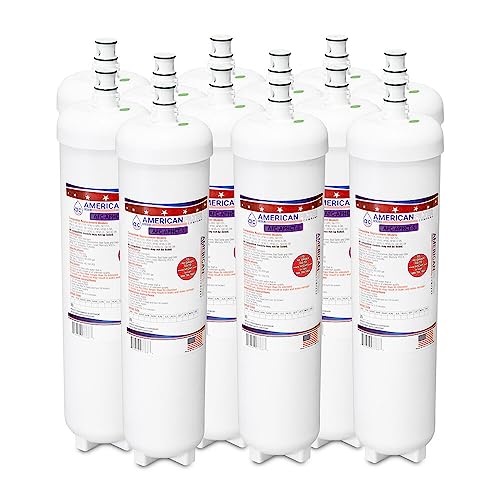
Premium Quality: Highest quality coconut carbon blocks sourced from the USA
Essential Information for Home Water Testing Methods
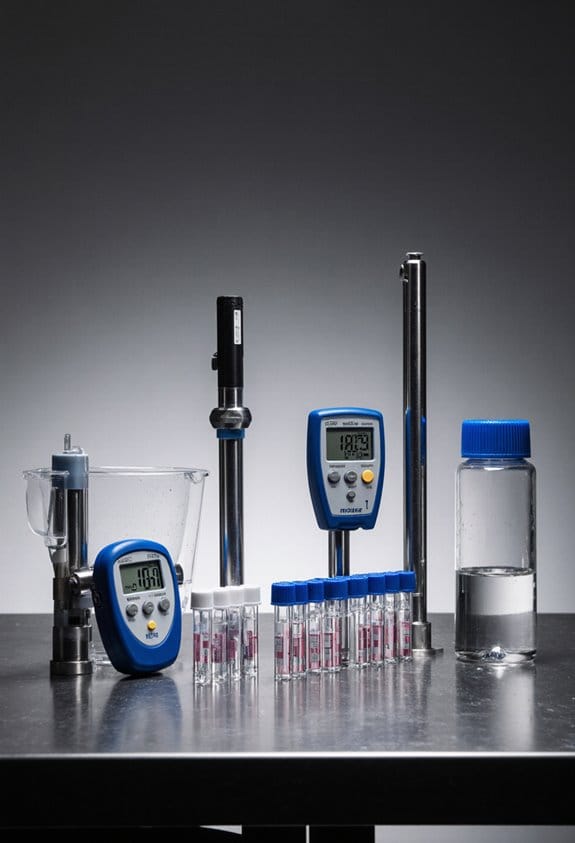
Have you ever thought about what’s really in your tap water? It’s easy to take it for granted, but ensuring the safety of your drinking water is crucial. That’s why home water testing is such an important step. With a good home water testing kit, you can check for common contaminants like lead, bacteria, and nitrates.
The Environmental Protection Agency (EPA) suggests that anyone with a private well should test their water every year. While you might be tempted to skip it, this is essential for peace of mind. Depending on where you live, additional contaminants might be lurking, making it even more important to stay in the loop about regional water issues.
So, what should you do? Grab a simple test kit! These often provide fast results, usually within minutes. Just make sure to follow the instructions carefully for collecting and handling your water samples. This little bit of effort will help you get a better idea of your water quality and what to do if you find any problems.
Honestly, checking your water might seem like a chore, but it’s totally worth it for your health. You want to drink water that’s safe, right? After testing, if there are any concerns, you can take action to protect yourself and your family. For ongoing protection, consider using portable water filters that effectively remove bacteria and other contaminants from drinking water sources.
Recommended Products

RECOMMENDED: When your water tastes or smells metallic, bitter, or musty/mildew-like, or if you see biofilm buildup or other microbial growths on faucets and fixtures.

AT-HOME TEST FOR 213 ANALYTES: The most comprehensive and advanced water analysis covering 213 contaminants, including heavy metals (lead, copper, arsenic, and more), bacteria, industrial chemicals & VOCs, fuel contaminants, disinfection byproducts, pesticides & herbicides, minerals, fertilizers, & general water quality indicators—all from one easy-to-use kit.

Product 1: ✔EASY TO USE: Incorporates the patented exact Strip reagent delivery method and other advanced technologies that offer faster, safer, easier, and more precise water testing with a digital readout so no color matching required.
Effective Home Water Treatment Options
Have you ever thought about the water you drink every day? It’s easy to take for granted, but ensuring it’s clean and safe is super important. There are several home water treatment options out there that can really make a difference in your water quality. From activated carbon filters to reverse osmosis systems and UV purification, each method has its strengths in reducing contaminants like lead, chlorine, and bacteria.
When you’re looking to buy a filtration system, make sure it’s certified by reputable organizations like NSF International or the Water Quality Association. It’s not just about picking any filter; you want one that you can trust. Regular maintenance is a key factor here, too. Don’t forget to change those filter cartridges on schedule! This helps prevent any contaminants from seeping back into your drinking water.
The best part is, if you’re ever in a bind and not sure if your water’s safe, there’s a simple remedy. Boiling your water for at least a minute can kill most pathogens, a solid backup plan if you have any concerns about water quality.
Many effective filters also include activated carbon stages that improve taste and reduce chemicals beyond basic filtration.
At the end of the day, ensuring safe drinking water at home doesn’t have to be overwhelming. With the right treatment options and a bit of upkeep, you can enjoy peace of mind knowing your water is clean. So, what steps will you take to improve the quality of your water?
Recommended Products

[STABLE & SECURE] : Three large, solid tires, lightweight steering, and improved mobility ensure smooth handling and reliable operation of this industrial floor sweeper. Hydraulic disc brakes provide responsive stopping power for added safety.
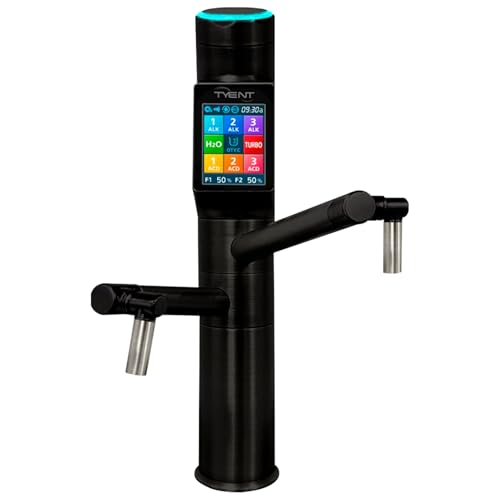
Upgrade Your Kitchen & Lifestyle: Treat yourself to the Tyent UCE 13 Plate Turbo Hydrogen Alkaline Water Ionizer Purification System, a truly top-tier home essential. This unit features 13 platinum-coated titanium solid/mesh hybrid plates and the largest, most robust water cell available. The compact matte-black and steel design adds a luxurious touch to the kitchen, saves valuable counter space, and provides your family with superior drinking water every day.

𝐀𝐝𝐯𝐚𝐧𝐜𝐞𝐝 𝐅𝐢𝐥𝐭𝐫𝐚𝐭𝐢𝐨𝐧 𝐓𝐞𝐜𝐡𝐧𝐨𝐥𝐨𝐠𝐲: Crystal Quest whole house water filter system employs reverse osmosis technology to efficiently remove contaminants and dissolved solids from your water supply. This advanced filtration process of our house water filter system ensures you access clean, refreshing water that tastes great.
Stay Updated on Local Water Quality News
Staying on top of local water quality news is crucial for your health and safety—after all, contaminants can pop up when you least expect them. One handy way to stay informed is to regularly check out the annual water quality reports from your local water utility. These reports give you the lowdown on any contaminants found in your public water systems and how well they’re complying with EPA standards.
On top of that, keeping an eye on news reports for any alerts, like contamination incidents or boil water advisories, can make a big difference. If you’re using private wells for drinking water, make sure you’re following updates from your local health department regarding testing results.
Now, here’s the trick: pay close attention to any changes in your tap water‘s taste, color, or smell. These signs could mean that there’s something off and it needs your immediate attention.
So, why does this matter? Because knowing what’s happening with your water supply can help you take action before a small issue turns into a bigger problem. It’s all about being proactive for your and your family’s health.
In emergency situations where tap water may be compromised, having access to a portable emergency sleeping bag for shelter can enhance your overall preparedness and safety.
Resources for Reporting Water Quality Issues and Concerns
Have you ever wondered how to tackle water quality issues in your area? It’s frustrating to think that something as vital as water might not be up to scratch. Thankfully, there are straightforward steps you can take to address these concerns.
Start by reaching out to your local water utility or health department. They’re the folks responsible for public inquiries and can provide you with accurate information about your water quality. If you suspect there’s a serious violation, don’t hesitate to contact the EPA’s Safe Drinking Water Hotline at 1-800-426-4791. This hotline is a lifeline, offering guidance on drinking water standards and reporting issues.
One key thing to keep in mind is staying informed. Review annual water quality reports from your public water systems. These reports share crucial details about any potential health risks associated with the water you’re drinking. And if you rely on a private well, make sure to test your water every year. Reporting any contamination to your local health department is essential as well.
So, why does this matter? When you’re proactive about water quality, you’re ensuring not just your health, but the well-being of your whole community.
Additionally, keeping a reliable emergency water filtration system on hand can be vital for maintaining access to safe drinking water during unexpected contamination events.
To sum it up, take these steps seriously. It’s all about keeping our water safe. What’s your first step going to be?
Frequently Asked Questions
How Can You Tell if Tap Water Is Unsafe to Drink?
We’d love to sip on clear, rejuvenating water without a care, but if it smells or tastes off, we should consider water testing. Identifying contamination sources is crucial for our health and safety.
What Precautions Will You Take to Prevent Contamination of Drinking Water?
We’ll implement effective water filtration methods, regularly test water quality, use boiling water benefits, follow faucet maintenance tips, and practice safe storage to guarantee our drinking water stays clean and free from contaminants.
How Long to Run Tap Water Before Drinking?
We recommend running tap water for at least 30 seconds to 2 minutes for tap water safety. This helps reduce water contaminants, ensuring it meets municipal water standards and adheres to safe drinking practices.
Is the Tap Water in LA Safe to Drink Right Now?
Oh, sure! Who wouldn’t want to sip on a cocktail of municipal testing? While LA’s tap water generally meets health standards, let’s keep an eye on contamination sources. Public alerts keep us informed, right?


