
Have you ever found yourself squinting or dodging debris while working? Eye protection isn’t just nice to have; it’s a must for keeping your vision safe. Depending on your work environment, the type of eye protection you need can vary quite a bit.
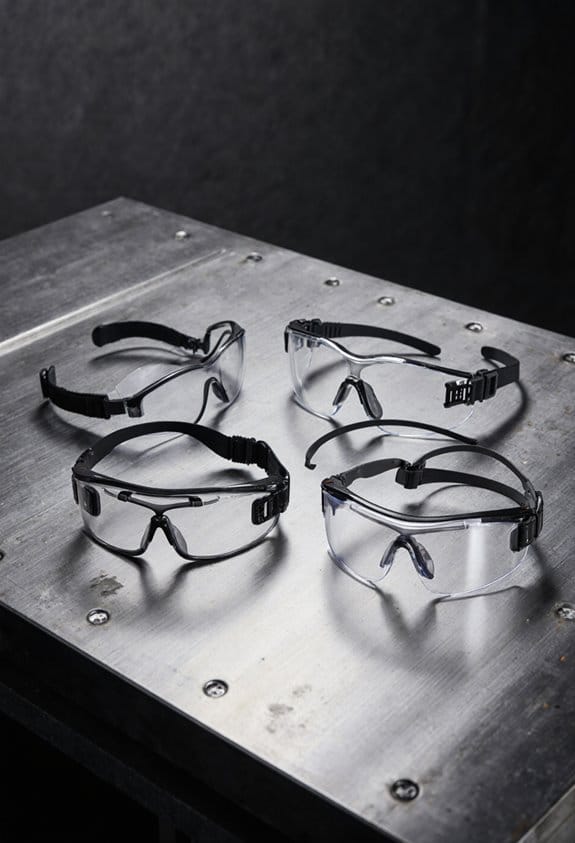
For those low-risk jobs, safety glasses can often do the trick. If you’re working with basic tools or doing some light construction, these are your go-to. They’re simple but effective. Just remember, if you’re spending a lot of time around dust or small particles, safety glasses might not cover you fully.
Now, if you’re diving into high-risk tasks—like handling chemicals or grinding metal—goggles are the way to go. They fit snugly around your eyes and provide extra protection against dust and splashes. So, why does this matter? Well, a good pair of goggles can literally save your sight, so don’t skimp on this step.
When dealing with splashes or airborne particles, face shields become essential. These provide an extra layer of defense, but they shouldn’t replace goggles. Instead, consider combining the two for the best protection. That’s how you ensure your eyes are fully shielded.
Here’s the trick: always assess the risks you’ll face in your work. Whether you need safety glasses, goggles, or face shields largely comes down to the specific hazards involved.
So next time you gear up for a task, take a minute to think about what type of eye protection suits your needs.
In summary, choosing the right eye protection is crucial for your safety. What will you do to make sure your eyes are covered?
Key Takeaways
- Safety glasses protect against flying debris and UV exposure, meeting ANSI standards for high-velocity impact.
- Goggles offer a snug fit against dust and chemicals, ideal for hazardous tasks, featuring anti-fog and impact protection.
- Face shields protect the entire face but are best used with goggles for complete coverage against airborne particles.
- Combining goggles with face shields provides comprehensive protection, especially in environments with multiple hazards.
- Always assess the specific risks to choose the most suitable eye protection for your work environment.
Why Eye Protection Is Essential in the Workplace
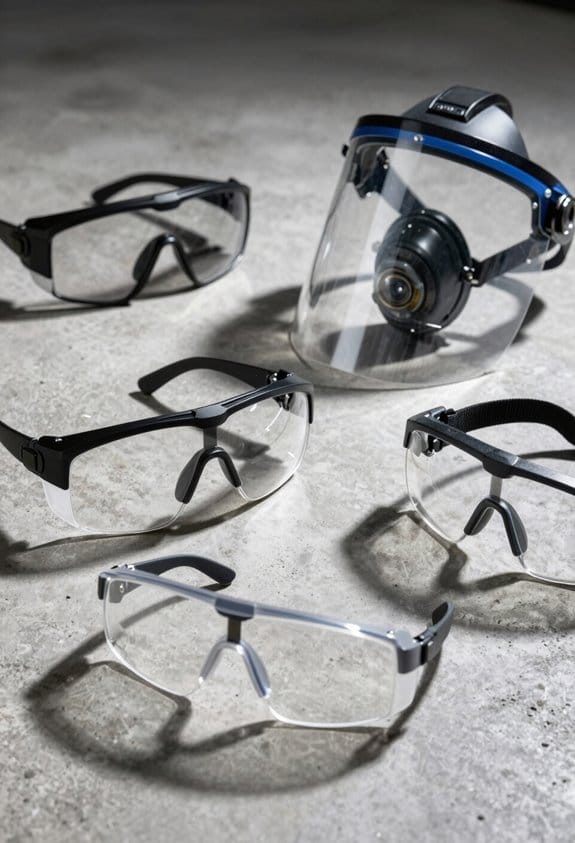
Ever thought about how much you rely on your eyes every single day at work? It’s easy to overlook, but protecting your vision in the workplace is vital for your safety and health. Believe it or not, around 1,000 eye injuries happen daily in American workplaces. That’s a staggering number that really drives home the importance of wearing the right eye protection, like safety glasses, goggles, or face shields.
OSHA has set standards for personal protective equipment, and it’s especially important in jobs that involve flying debris or chemical exposure. If you’re working with anything that could harm your eyes, gear up—it’s not just about compliance; it’s about keeping yourself safe. And let’s be real, healthcare workers have their own unique set of risks with infectious agents that can easily enter through the mucous membranes of the eyes.
So, what can you do to stay safe? Here’s the trick: always have your eye protection handy, and make sure it’s designed for the specific hazards in your workplace. Also, take a moment to ensure that you’re using the right type of eyewear for the task at hand.
Staying informed and prepared is key to minimizing eye injuries on the job. Additionally, combining eye protection with NIOSH-approved respirators can enhance overall safety in hazardous environments. Remember, your safety shouldn’t be an afterthought. Have you checked your eye protection lately? It might just save your vision.
When to Use Safety Glasses?

When it comes to keeping your eyes safe at work, knowing when to wear safety glasses is crucial. Have you ever thought about all the risks your eyes face in different jobs? Whether you’re on a construction site, working with wood, or using power tools, there’s a good chance you’ll encounter flying debris or dust.
One of the first things to remember is that if you’re handling anything with blades or doing tasks that could involve impact, you definitely need protection. Make sure that your safety glasses meet the ANSI standards for high-velocity impact tests. Trust me, it’s a small step that can make a big difference.
Working outdoors? Don’t skip out on UV protection. The sun can damage your eyes over time, so these glasses can really help prevent long-term issues. And if you wear prescription glasses, you’ll be happy to know that safety glasses can often fit over them for extra comfort.
Honestly, OSHA requires safety glasses in environments with known eye risks, so it’s wise to follow that guideline. But here’s a little tip: if you’re in a situation with high splash risks, consider using goggles or face shields instead of just glasses.
Always keep your eye protection as a priority—you don’t want to take unnecessary risks. So next time you’re gearing up for a job, ask yourself: am I fully protecting my eyes? It’s a small but impactful choice that can keep you safe. For the best results, selecting glasses with ANSI Z87.1 certification ensures they meet rigorous safety requirements.
Recommended Products

ANSI Z87+ HIGH IMPACT CERTIFIED: Independently tested to meet the ANSI Z87+ high impact standard for dependable outdoor eye protection

ANSI Z87+ HIGH IMPACT CERTIFIED – Independently tested and rated to meet ANSI Z87+ standards, providing reliable impact resistance for industrial environments including construction, oil & gas, and assembly work.

ANSI Z87+ HIGH IMPACT PROTECTION: Independently tested to meet the ANSI Z87+ High Impact Standard, the safety manager's benchmark for industrial eyewear. Polycarbonate construction shields eyes from flying debris during cutting, grinding, and material handling.
How Safety Goggles Protect Your Eyes
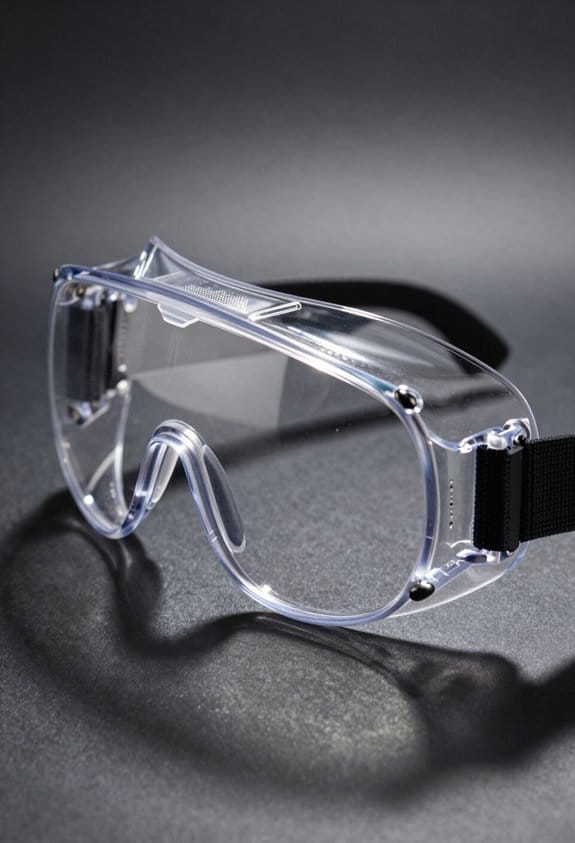
Safety goggles are a must-have if you’re working in environments where your eyes could be at risk. Ever stopped to think about what might fly into your eyes during a day at the shop or while handling chemicals? These goggles form a snug fit around your eyes, keeping out all the nasty stuff—like dust, chemical splashes, and any airborne particles looking to cause trouble.
When you’re dealing with hazardous tasks like metal grinding or working with chemicals, safety goggles really are key. They often come equipped with some handy features. For example, anti-fog technology helps you maintain a clear view, while impact protection keeps you safe from any debris that might come your way.
Don’t forget about scratch resistance and UV protection, too. These features offer extra layers of safety that are well worth having. Unlike regular safety glasses, goggles provide a more complete defense against eye hazards, especially when you’re in situations with liquids or fine dust floating around.
So, when you’re in risky environments, putting on those safety goggles should be a no-brainer. Additionally, many safety glasses and goggles meet the ANSI Z87.1 standard, ensuring they offer reliable impact and UV protection.
Protecting your eyes is one of the easiest and smartest things you can do to prevent injuries.
In short, always prioritize your eye safety—it’s just not worth the risk. Are you wearing your goggles next time you step into a potential hazard?
When to Use Face Shields for Eye Protection?
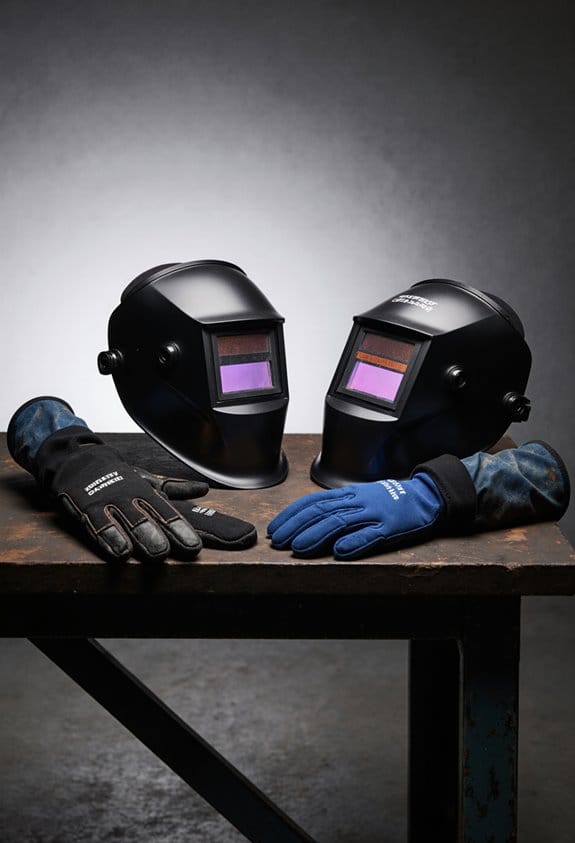
Have you ever faced a situation where you weren’t sure if you needed a face shield for eye protection? It’s something worth thinking about, especially when working with chemicals that could splatter or in risky environments like grinding or welding. Face shields provide solid protection for your entire face against various hazards.
But here’s the catch: they don’t create a tight seal against airborne particles. That’s why it’s smart to wear safety goggles with them. In healthcare settings, face shields play a crucial role, guarding against potential exposure to infectious diseases through the eyes.
When shopping for face shields, make sure to pick ones that meet ANSI standards for impact resistance and other features. It’s essential for your safety. Wearing face shields that incorporate efficient air circulation can enhance comfort during extended use.
Best Practices for Combining Eye Protection Options
Choosing the right combination of eye protection can feel a bit overwhelming, but it’s super important for keeping you safe in different work situations. Have you ever thought about how much of a difference proper eye gear can make? Pairing goggles with a face shield is a solid move to guard against injuries. Goggles fit snugly around your eyes, blocking splashes and pesky airborne particles, while face shields cover your entire face from debris and chemicals.
Here’s the trick: pick goggles that come with anti-fog technology to help you see clearly. You definitely don’t want fogged-up lenses when you’re working. Always take a good look at your work environment and the specific risks involved to choose the right level of protection you need.
Consider a combo that includes both a face shield and goggles. These 2-in-1 options are not only convenient but also help you stick to ANSI Z standards, especially during tasks where contamination could be a problem. Additionally, selecting eyewear with impact resistance ensures durability and safety against flying particles and debris.
Frequently Asked Questions
What Is the Difference Between Goggles and Face Shields?
When choosing between goggles and face shields, we think of environments; goggles fit securely for chemical exposure with fog resistance, while face shields offer broader protection. Each serves unique use cases, ensuring comfort and safety depending on our needs.
Are Face Shields Better Than Safety Glasses?
Face shields offer benefits like full coverage, but safety glasses have advantages in impact resistance and user comfort. We should consider fogging issues, ergonomic designs, and long-term use effects to choose the best option for regulatory compliance.
Are Safety Glasses and Safety Goggles the Same Thing?
No, safety glasses and safety goggles aren’t the same. While safety glasses offer benefits in lighter applications, goggles provide a snug fit against hazards. Each has unique features, materials, and maintenance requirements tailored to specific uses.
What Are the Three Types of Eye and Face Protection?
We’ve got three types of eyewear: safety glasses for minor hazards, goggles for chemical protection, and face shields for broader coverage. Each offers unique safety features, fit, and material differences, ensuring compliance with regulatory standards for ideal user scenarios.