
Are you tired of feeling sweltering in the summer or freezing in the winter while trying to get your work done?
Managing the temperature, ventilation, and fatigue during these seasons isn’t just about comfort; it’s key to keeping everyone safe and productive.
In hotter months, it’s crucial to have cool spots for breaks. You can stay hydrated by making sure everyone takes regular water breaks. The heat can really drain your energy, so don’t forget to remind your team to take it easy and stay refreshed.
When winter rolls around, it’s a different ball game. Providing insulated clothing can keep everyone warm, but don’t overlook hydration. Did you know that thirst can creep up on you when it’s cold? So, make water easily accessible, and encourage your team to drink up.
Ventilation is a big deal year-round. You want to ensure that your air systems are working well, so the indoor temperature feels just right no matter the season. If the air isn’t circulating properly, it can lead to bigger issues than just discomfort.
Try these strategies:
- Keep an eye on the temperature and adjust heating or cooling as needed.
- Check that ventilation systems are clean and functioning properly.
- Mix in breaks to help manage fatigue and keep up energy levels.
So, why does this matter? Implementing these simple measures can create a healthier work environment while boosting productivity.
In the end, it’s all about keeping your team happy and safe. What changes can you make this season to improve your workspace?
Key Takeaways
- Poor ventilation in both winter and summer can lead to temperature extremes, affecting worker comfort and increasing fatigue.
- Cold weather can reduce thirst response, elevating the risk of dehydration if adequate hydration stations are not provided.
- Heavy winter clothing can cause overheating during physical activity, making temperature management critical to prevent fatigue.
- Employers must adhere to legal obligations for temperature control and provide necessary resources for hydration, especially in extreme conditions.
- Educating workers about heat-related illness and encouraging regular breaks fosters a culture of safety, enhancing overall wellness in varying climates.
How to Manage Heat Risks in Winter Workplaces
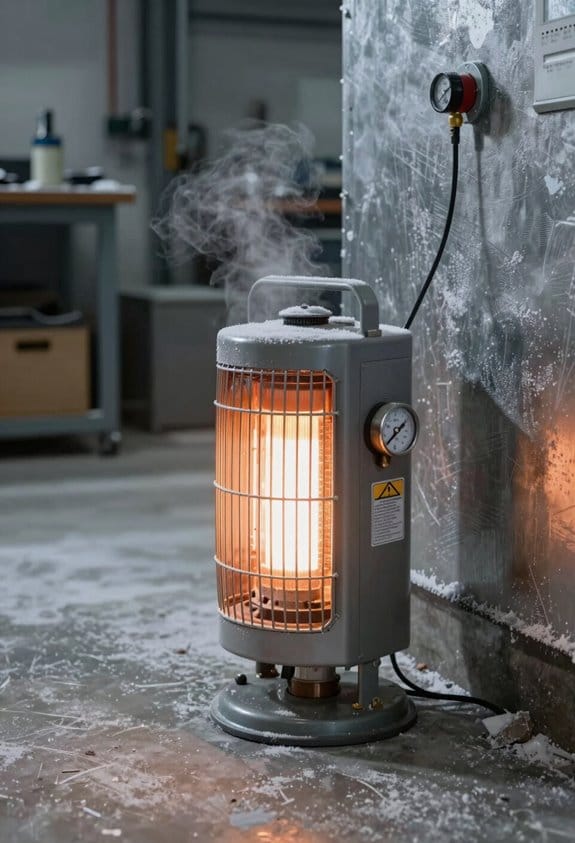
When it comes to winter workplaces, have you ever thought about the heat risks lurking inside? It’s surprising, but those enclosed environments can get pretty warm, especially if the ventilation isn’t great. You’d think cold weather means avoiding heat stress, right? Not quite.
To keep everyone safe, it’s a good idea to keep an eye on those indoor temperatures. You might be shocked to learn that our thirst response can drop by as much as 40% in the colder months. So, don’t forget to encourage regular water breaks. Make hydration stations easy to find, and consider creating cooler break areas where workers can take a breather after tough physical jobs.
Here’s the trick: educate your team about the signs of heat stress and how it can affect their health. Helping them understand why this matters could make a big difference in their safety. It’s all about creating a work environment that’s comfortable and healthy, even when it’s cold outside.
Also, providing proper personal protective equipment like insulated work gloves can help maintain warmth while allowing dexterity and comfort during winter tasks.
In short, managing heat risks during winter is totally doable with just a few adjustments. How are you planning to ensure your workplace is safe and comfortable this winter?
Recommended Products

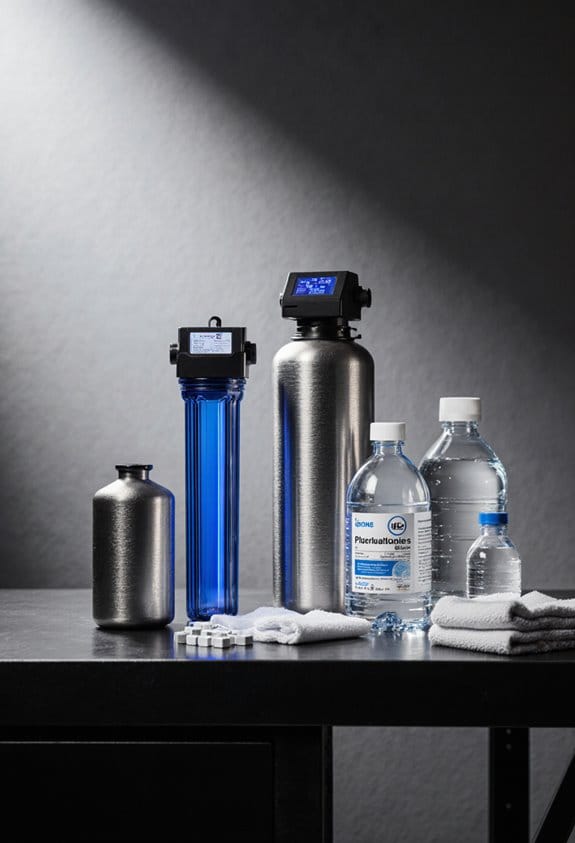
Advanced Dual-Height Filtration: AquaTru Pro offers dual-height dispensing at 33" and 39", providing industry-leading 9.5 GPH of chilled and filtered water for schools, healthcare, and high-traffic venues

Touchless, sensor activation (bottle filler & bubbler) designed for easy hands free use.
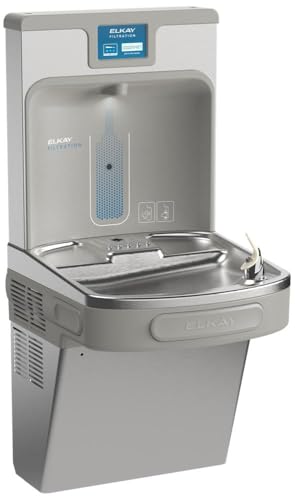
CERTIFIED SAFER WATER — NSF 401 CERTIFIED FOR LEAD, MICROPLASTICS & MORE — Built-in filter independently certified to NSF 42, 53 & 401 — one of the highest filtration standards available — reducing lead, microplastics, chlorine taste & odor, and Class 1 particulates. Replace every 12 months or 6,000 gallons (filter 51600C)
Addressing Summer Heat Challenges in Work Environments
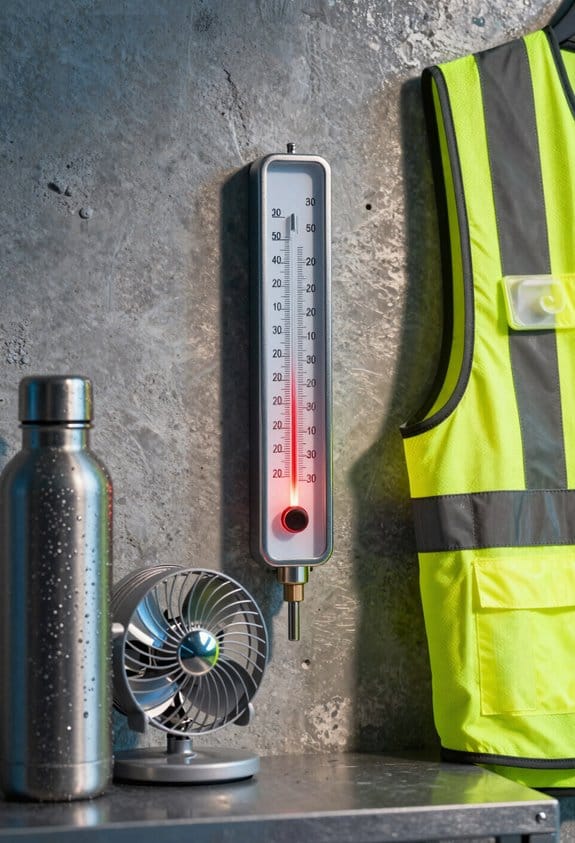
How can we tackle those pesky summer heat challenges at work? Heat stress is no joke—it can sneak up on you and cause serious problems like heat exhaustion. One major issue is poor airflow, which traps all that hot air indoors and makes everything worse. So, securing proper ventilation is a must.
Next, hydration isn’t just a suggestion—it’s critical. Make sure there are plenty of accessible water stations so everyone feels encouraged to fill up regularly. And let’s not forget about breaks! Frequent rests in shaded or air-conditioned spots can really help manage fatigue and keep everyone feeling fresh.
The best part is that when we mix these strategies together, we can create a safer environment for our workers. Now, let’s also think about keeping an eye on how the heat changes throughout the summer. Regular checks can help ensure everyone feels safe and supported, no matter how hot it gets.
Using products like oil absorbent pads can help manage accidental spills in workshops during hot months to maintain a clean and safe working space.
Recommended Products

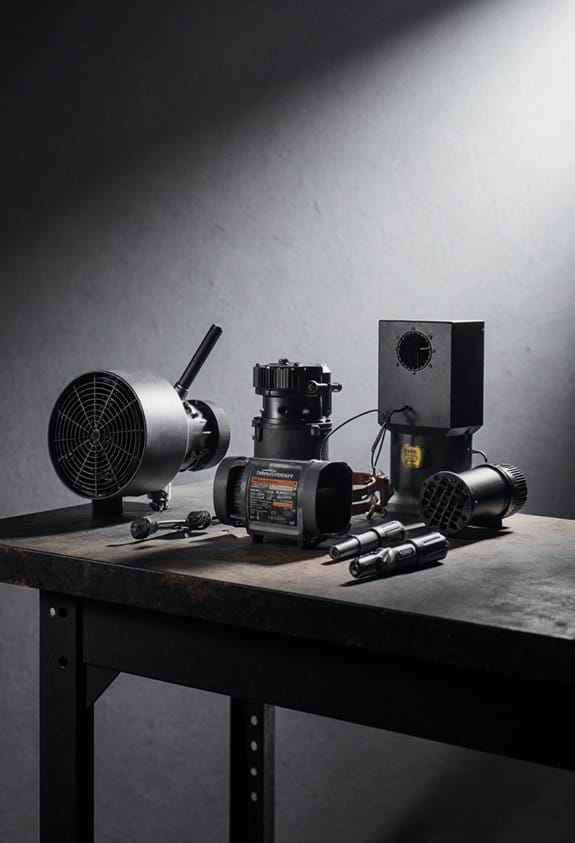
MOVE AIR! – The X-47ATR has a high torque motor capable of producing 3600 Cubic Feet/min while drawing a low 2.8 Amps for maximum airflow capacity and efficiency. Dry wet floors, carpets, walls, ceilings, furniture, paint, drywall, cement, etc


High Speed Direct Drive Centrifugal Upblast Exhaust Fan with speed control (three phase), disconnect switch and 18-3/4" wheel.
How Ventilation Helps Combat Seasonal Temperature Issues
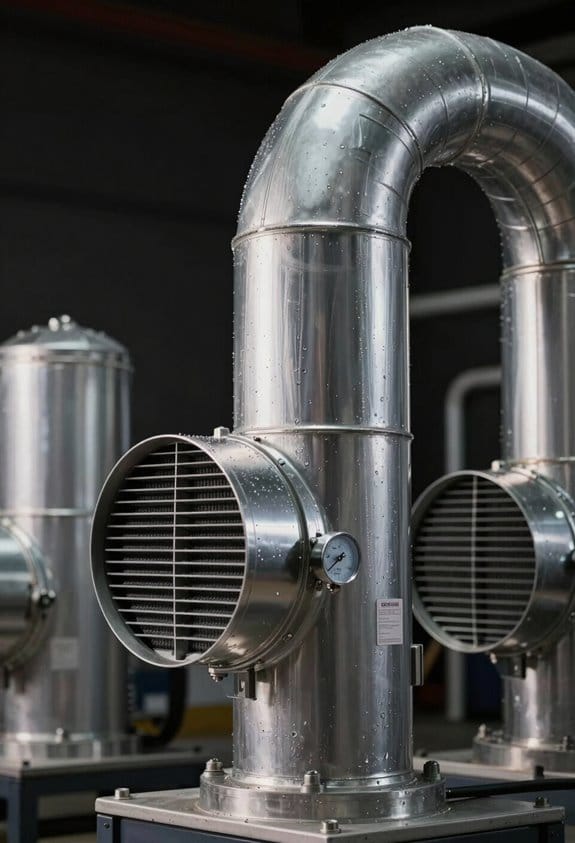
Effective ventilation plays a crucial role in keeping our workspaces comfortable throughout the year. Have you ever walked into an office that felt like a sauna in the summer or a freezer in the winter? It can really throw you off your game. That’s why good ventilation matters—it helps maintain a pleasant indoor temperature, promoting both health and safety.
When winter rolls around, it’s tempting to just crank up the heat. But if you don’t have proper ventilation, you could end up trapping hot air inside, making things uncomfortably warm. On the flip side, during the summer months, a well-ventilated space can help keep the temperature down while also controlling humidity levels—nobody likes working in a sticky office.
Here’s the trick: make it a habit to regularly check and maintain your ventilation systems. This simple step can enhance airflow and ward off pesky problems like condensation or mold. Plus, following ASHRAE guidelines on ventilation rates can do wonders for air quality, not to mention worker productivity.
Honestly, paying attention to ventilation isn’t just about comfort. It’s also about safety and overall well-being. By creating a consistent thermal environment, you’re not just making things more pleasant; you’re making the workplace a better place for everyone. Additionally, ensuring durability and effectiveness of ventilation components can lead to longer-lasting safety benefits in various conditions.
Recommended Products

48 INCH X 8 FOOT KITCHEN HOOD – Short cycle makeup air hoods maintain a comfortable temperature for employees working in a restaurant kitchen. This energy saving hood reliably exhausts the heat, smoke, and grease produced by cooking equipment.

Parameters: Power: 20HP / 15KW ;Voltage: Input Voltage ( V / Hz ): 460V/60Hz; Electrical ( Phase ): 3ph ;Air Flow : 81-71 cfm; Output Pipe Diameter: G3/4" NPT 3/4”; Max Working Pressure: 125 psi; Full Load Amps: 47. Note: It is not possible to convert between single-phase and three-phase through a converter

Energy Efficient Refrigeration: The top mount compressor and condensing unit provide more interior storage space, better airflow around the compressor for higher energy efficiency in cool environments, and help reduce dust and debris buildup. Using eco friendly R290 refrigerant, this fridge delivers significantly greater energy efficiency lowering your utility bills over the long run.
The Impact of Temperature Fluctuations on Worker Fatigue?
Have you ever felt completely drained after switching from a chilly outside to a warm office? You’re not alone. Temperature fluctuations at work can sap your energy and leave you feeling fatigued. Our bodies really struggle to find that perfect thermal balance, especially when we’re jumping between indoor heating and cold outdoor air. It can be tough to keep your focus and productivity when you’re battling the cold one minute and sweating it out the next.
If you’re working in hot conditions, dehydration can sneak up on you, especially in winter when you might not feel thirsty. Did you know that poor winter ventilation can trap heat and humidity? This creates a space that’s not only uncomfortable but seriously impacts your work performance. On top of all that, donning heavy insulated clothing can lead to overheating, especially during physically demanding tasks.
So, what can you do about it?
- Maintain a stable temperature wherever possible.
- Don’t underestimate the importance of taking regular breaks to let your body cool down.
- Remember to hydrate, even if you’re not feeling thirsty.
- Ensure you have good ventilation to keep the air fresh.
Honestly, keeping these things in check can make a huge difference in how you feel at work. So, why does this matter? Because a stable and comfortable work environment helps you stay energized and focused on the tasks at hand. Additionally, selecting suitable protective equipment with a proper fit is crucial to maintain comfort and safety in fluctuating working conditions.
Recommended Products

Made of a breathable nylon, polyurethane, and nylon trilaminate blend, the Evertech Dry lets you evacuate body perspiration while keeping water out and your body dry.

GORE-TEX Performance Shell – Built to endure with waterproof, breathable protection and KLIM’s exclusive Seat-Dry Tech. Fully seam sealed will help keep you dry
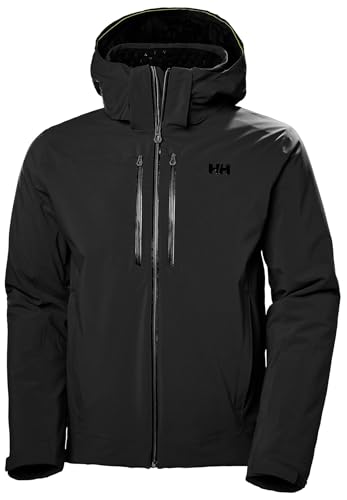
The durably lightweight construction of the Helly Hansen Alpha Lifaloft Jacket has all the waterproof protection, warm insulation, and easy articulation you need to keep you moving on the mountain all day long.
Understanding the Link Between Stress Levels and Seasonal Conditions
As we move through the seasons, have you noticed how your stress levels can change? Winter is a tricky time, especially with the colder temperatures sneaking up on us. It’s easy to forget about staying hydrated when it’s chilly outside, but that can really mess with your energy and mood. You might find yourself feeling more stressed with a heavier workload and those freezing environments making it hard to focus.
This is why it’s so important to pay attention to your body. Did you know that feeling less thirsty in the cold could actually lead to dehydration? This can be a sneaky workplace danger that affects your health. You might also notice that poor air circulation adds to the discomfort and stress, making things even harder.
Here are a few tips to keep you on track:
- Keep a water bottle at your desk, and sip on it throughout the day.
- Don’t hesitate to ask for better ventilation if you’re feeling stuffy.
- Take short breaks to get up and move around; it’s a simple way to clear your head.
So, why does this matter? When you stay hydrated and in a comfortable environment, you’ll likely see a boost in your focus and overall wellness. Honestly, managing stress during winter is vital for keeping your work life balanced.
In short, keep an eye on your hydration, advocate for a pleasant workplace, and take steps to handle your stress. What strategies do you use to stay comfortable and calm during the colder months? For outdoor enthusiasts, using durable and weather-resistant materials such as 550 paracord can also help reduce stress by ensuring safety and preparedness in harsh conditions.
Effective Strategies for Reducing Temperature-Related Risks
Have you ever felt roasted at work because of a stuffy office, or frozen like a popsicle during a chilly patch? Managing temperature and air quality at work can be tricky, but it’s super important for everyone’s well-being.
First off, keep an eye on those indoor temperatures. You don’t want folks sweating bullets or shivering in their seats. A good idea is to ensure there’s easy access to hydration stations. Believe it or not, your thirst can drop during the colder months, so encourage everyone to drink water regularly, even if they don’t feel like it.
Another tip? Set up designated cooler break areas. They can serve as a nice escape for your team to chill out and recover from the heat of their shifts. Plus, consider adjusting any strict dress codes. Letting people wear lighter, moisture-wicking clothes can be a huge relief when the heating system’s cranked up too high.
Regular training on spotting heat-related illness symptoms is also key—nobody wants to feel lightheaded or sick on the job. So, why does this matter? Because a little awareness can go a long way in keeping your team healthy and happy.
In addition, providing anti-fatigue mats can help reduce discomfort and fatigue during long standing periods, further improving workplace comfort.
In the end, a comfortable workspace makes all the difference. By taking small, practical steps, you can create an environment where everyone feels good working together. What changes could you implement today?
Recommended Products

Enhanced slip resistance and comfort - Our anti fatigue matting features a vinyl laminate surface made from recycled materials for improved traction, combined with a dense closed cell PVC foam base for maximum comfort


MATERIAL: Anti Fatigue Vinyl Cushion Foam
Employer Roles in Ensuring Year-Round Safety
How do you keep your workforce healthy and safe throughout the year? It’s a constant challenge, and employers really need to step up their game when it comes to managing workplace conditions.
First off, indoor temperatures can sometimes feel like an oven or a fridge. Keep a close eye on those heated facilities; comfortable temperatures and good ventilation make a big difference. And for outdoor workers, think about hydration stations. It might not seem obvious, but staying hydrated is crucial, especially in winter when it’s easy to forget to drink water.
Here’s the trick: Allowing moisture-wicking fabrics in the dress code can really help employees stay comfortable and manage their body temperature. Don’t underestimate the benefits of having designated cooler areas for breaks, too. These spots can help workers recover from heat exposure, which reduces fatigue and the risk of serious health issues down the line.
So, why does this matter? Well, education goes hand in hand with these measures. Make sure your staff knows how to spot the signs of overheating and dehydration. When they understand these risks, they can be more proactive about their own safety and the safety of those around them. Additionally, integrating multi-alert systems such as audible and visual alarms for combustible gas detection can further enhance workplace safety by providing immediate warnings of hazards.
What Workers Should Know About Legal Rights in Temperature Extremes
Do you ever feel like your workplace just ignores the temperature extremes, making it really tough to stay comfortable? Knowing your legal rights when it comes to extreme temperatures is super important for your health and safety at work. You deserve to be in a work environment that doesn’t jeopardize your wellbeing.
When winter hits, insulated gear is a must. It’s not just about staying warm; it’s about protecting yourself from serious conditions like hypothermia. On the flip side, with summer heat, you’ve got to be on the lookout for those heat risks. Ever heard of heat stroke? It’s real and it can sneak up on you. Employers are legally required to provide heating and cooling systems to keep you safe, so don’t hesitate to hold them accountable.
Access to water? Definitely. Taking breaks in high temperatures to prevent dehydration? Absolutely essential. If you find yourself facing unsafe working conditions, reporting them should be your first step. And don’t worry about getting in trouble for speaking up—whistleblower laws are there to protect you from any retaliation. Wearing appropriate waterproof footwear can also help maintain comfort and safety when working in wet or adverse conditions.
Frequently Asked Questions
How Can I Recognize Signs of Heat Stress at Work?
We can recognize heat stress signs by monitoring for heat exhaustion symptoms like dizziness or fatigue. Utilizing workplace monitoring tools, hydration education programs, and having emergency response plans helps us effectively address signs of dehydration together.
What Are the Long-Term Effects of Cold Exposure on Workers?
Cold exposure can chill us like a relentless winter wind, leading to hypothermia symptoms and frostbite risk. Over time, it impacts worker productivity and poses significant long-term health effects, affecting our overall well-being.
Can Personal Protective Equipment Help Regulate Temperature Extremes?
Absolutely, personal protective equipment enhances temperature regulation. By ensuring safety compliance, it provides cold insulation and heat resilience, demonstrating its effectiveness in maintaining worker comfort and safety during extreme temperature conditions. We can’t overlook its significance!
What Are the Best Hydration Practices for Summer Workshops?
For summer workshops, we should guarantee hydration stations are accessible, maintain beverage temperature cool, and emphasize electrolyte balance. Regular cooling breaks are essential to keep everyone refreshed and prevent fatigue during the heat.
How Does Ventilation Influence Worker Morale During Extreme Temperatures?
Ventilation systems greatly affect worker morale during extreme temperatures. Good air quality boosts our comfort, enhancing productivity. With effective temperature control and morale boosters, we can create a more enjoyable and efficient working environment for everyone.