

What would you do with your food if the lights suddenly go out? During a blackout, it’s crucial to act fast to protect your perishables.
Refrigerators can keep food safe for about four hours, but freezers are a bit more forgiving. If your freezer is closed, it can keep food safe for 24 hours, or even 48 hours if it’s packed full.
When the power’s out, remember to toss any perishable items—like meat and dairy—that have been above 40°F for over two hours. It’s a hard lesson to learn, but food safety is key. A thermometer can be your best friend in situations like this, so keep one handy to check temperatures as needed.
Here’s a handy tip: keep your fridge and freezer doors closed as much as possible. This small action can really help maintain the coolness inside. Honestly, you don’t want to take chances with your food and risk getting anyone sick.
So, what else can you do to prepare? Think about stocking up on non-perishable items like canned goods, which can save the day when the fridge isn’t an option.
You could also consider investing in a portable generator, which might help keep some of your appliances running during an outage.
To sum it up, being prepared for blackouts can make a big difference in keeping your food safe. Have you taken steps to ensure your kitchen’s ready for a power outage?
Key Takeaways
- Refrigerated food remains safe for up to 4 hours without power; keep doors closed to maximize this time.
- Freezers can keep food safe for 24 hours if unopened; up to 48 hours if full.
- Discard perishables that exceed 40°F for more than 2 hours to prevent foodborne illnesses.
- Use appliance thermometers to monitor temperatures; aims for refrigerator at or below 40°F and freezer at or below 0°F.
- Always inspect food for spoilage signs before consumption post-blackout; when unsure, throw it out.
How to Keep Your Food at Safe Temperatures During a Power Outage?

Power outages can be stressful, especially when you’re worried about keeping your food safe. So, how do you keep everything from spoiling? First off, remember to keep your fridge doors shut. That’s key! A closed refrigerator can maintain safe temperatures for up to 4 hours.
If you have a full freezer, you’re in luck. It can keep food at a safe temp for about 48 hours, as long as you don’t open it up too much. It’s a good idea to check your appliance thermometers if you have them. Your fridge should stay at or below 40°F, and your freezer needs to be at or below 0°F. Knowing those numbers can really help you avoid a food safety disaster.
Now, what if you discover some perishable foods have been above 40°F for over 4 hours? That’s a tough call, but unfortunately, it’s best to toss them out. You don’t want to risk foodborne illness. On the flip side, frozen food that has ice crystals or is sitting at 40°F (or lower) doesn’t have to go to waste. You can either refreeze it or cook it up right away.
Having a well-stocked first aid kit nearby is also a smart precaution in case any cuts or injuries happen while handling food during these situations.
Recommended Products
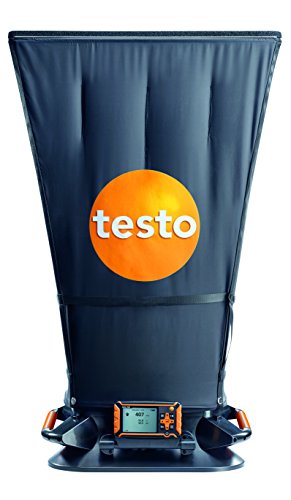
Lightweight & Ergonomic; Weighing less than 6.4 lbs, the air flow meter offers comfortable handling with an ergonomic design and tiltable display, perfect for prolonged use in large spaces or above head height

Advanced Air-Cooling Technology: Our commercial refrigerator features innovative air-cooled technology that eliminates frost accumulation, ensuring consistent temperatures and reduced maintenance. Keep food fresher longer while minimizing downtime for defrosting—ideal for busy restaurants, cafes, and commercial kitchens.

High Accuracy & Wide Range: Supports a broad temperature range from -40°F to 185°F (-40°C to 85°C) with precision up to ±0.9°F (±0.5°C), humidity range of -0~100%RH. Each unit includes a built-in calibration certificate for reliable, audit-ready data.
Essential Tips for Food Safety During Blackouts
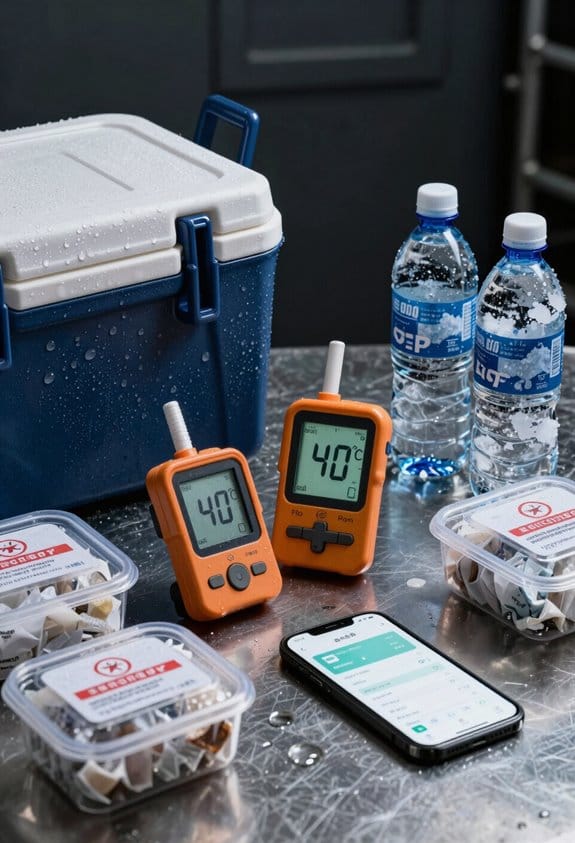
What do you do when the power goes out? It can be a nerve-wracking situation, especially when you think about the food in your fridge and freezer. First things first: keep those refrigerator doors closed! This simple step can help keep your food at a safe temperature for up to four hours. If you’ve got a full freezer, you’re in luck—food can stay safe for about 48 hours without power.
Monitoring the temperature is key. Having appliance thermometers can be a lifesaver. You want your fridge to be at 40°F or below and your freezer at 0°F or below. The tricky part comes when you need to be aware of how long perishable food is sitting above that crucial 40°F mark. If it’s been more than four hours, it’s better to throw it out. No one wants foodborne bacteria wreaking havoc on their health, right?
Here’s the trick: If you’re ever in doubt, it’s safer to toss out any questionable items. Better to be safe than sorry when it comes to food safety. So, think about it—would you rather risk getting sick or waste a little food? Make the call that keeps you and your loved ones safe.
In emergency situations like blackouts, having a first aid kit on hand can also be crucial for handling food-related and other minor injuries that might occur.
To sum it all up, during a blackout, stay calm, keep those doors shut, and monitor your food’s temperature. What’s your game plan for handling food safety during an outage?
Recommended Products

Triple-display-view MIN, MAX, and current temperature simultaneously


Fridge / Freezer Thermometer: Monitor temperatures in liquids, baths, air/gas, incubators, and more at a single glance with this triple-display freezer / refrigerator thermometer that simultaneously shows current, min., and max. temperatures
What Perishable Foods Need to Be Discarded After a Power Outage?

Have you ever lost power and wondered what to do with all that food in your fridge? It can be a real headache trying to figure out what’s still safe to eat after a power outage. So, here’s the scoop on what perishable foods need to be tossed out to keep your family safe from foodborne illnesses.
First off, if you’ve got any refrigerated perishable foods like meat, poultry, or fish, you’ll need to throw them out if they’ve been sitting above 40°F for more than 4 hours. This also goes for soft cheeses and those yummy mayonnaise-based salads. If you notice any strange smells or see changes in color, just don’t take the risk—those items should go straight in the trash.
What about those custard pies, quiches, or even your leftover pasta? Truth is, if they’ve been out of refrigeration for over 4 hours, it’s best to play it safe and toss them too. You don’t want to be the one dealing with a foodborne illness because you were unsure about safety.
So, why does this matter? Following USDA guidelines not only protects you from getting sick but also gives you peace of mind. It’s always better to err on the side of caution when it comes to food safety. When you’re faced with uncertainty, it’s really just safer to throw it out.
Additionally, having an emergency kit with essentials like a flashlight or jumper cables can help you safely manage power outages and other unexpected situations, keeping you prepared and calm during stressful times like these roadside emergency kits.
In short, keeping your family safe is priority number one. Next time the power goes out, remember these tips and make those tough calls on your perishable foods. Do you have any go-to strategies for dealing with food after an outage?
Recommended Products

ORGANIC FAMILY PACK:- NuManna has always believed in doing things a bit differently. If the Defender Pack was a big step forward, then the Organic Family Pack represents the proverbial “Giant Leap.” We wanted to take our traditionally great-tasting meals and certify them as organic. Not an easy task, especially when you are the first in the industry to provide bulk organic survival food solutions. Our dedication and innovation have made us a leader in this space.

HOME BACKUP POWER, ≤3% THD: The Westinghouse iGen12000DFc dual fuel inverter generator provides whole home backup power that's safe for sensitive electronics; It also has a 50A outlet; Gasoline: 12,000W peak and 9,000W running; Propane: 11,000W peak and 8,100W running
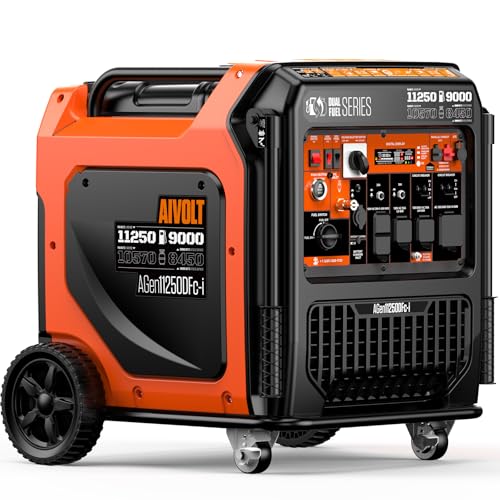
Meets U.S. Standards: This generator follows strict U.S. environmental and safety rules. EPA & CARB Compliant. Available for purchase in CA
Can You Safely Refreeze Thawed Foods?
Have you ever found yourself staring at those thawed leftovers, wondering if they’re still safe to refreeze? It can be a bit of a conundrum, but let’s dive into some straightforward tips.
First off, check if your thawed foods still have ice crystals or if they’ve been kept at a cool 40°F (4°C) or below. If they meet those criteria, you can go ahead and refreeze them. Just remember to take a close look at items like cooked meats and poultry; they can also be refrozen if they’ve stayed at safe temperatures.
Now, what about those low-moisture foods like bread and nuts? The good news is that you’re generally in the clear to refreeze those, even if they’ve thawed completely. But don’t even think about refreezing ice cream once it’s fully melted—it’s time to toss that out.
So, why does this matter? Well, you want to avoid any potential food safety issues. Relying on smell tests isn’t a good idea; harmful bacteria may not give off any odors, especially after a power outage.
The best part is, if you keep these tips in mind, you’ll feel more confident about managing your freezer stash. Just remember to assess each item on its own. Next time you face a thawed food dilemma, keep these simple guidelines in mind. What’s your go-to strategy for handling leftovers?
To further ensure the safety of your food and water during blackouts, consider using certified water filter cartridges to maintain clean hydration.
Recommended Products
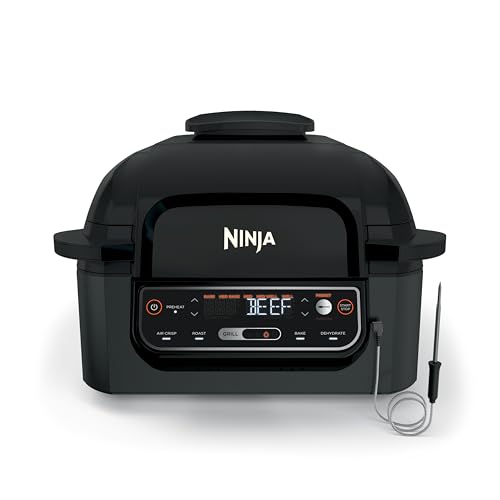
SMART COOK SYSTEM: Achieve the perfect doneness from rare to well done at the touch of a button, with the Foodi Smart Thermometer monitoring your food's internal temperature for you.

🧊 REDUCES PAIN AND DISCOMFORT: Recovering from surgery? Aches? Pains? LEONNS Ice Therapy Machine was designed to help you. Cold therapy helps reduce swelling, pain and edema. When recovering from an injury or surgery you need to rest and let LEONNS cryotherapy ice machine do the work. The cold therapy system continuously pumps cold water at a regulated temperature to a soft pad providing effortless relief to the affected area.

BlueTag TH100 is battery-replaceable Bluetooth temperature humidity data logger with LED indicator display, only 1.25-inch mini size more suitable for container, insulin medicine case, refrigerator car, cold chain logistics transport and any other crucial scenes.
Best Practices for Preparing Your Kitchen for Power Outages
What would you do if the power went out unexpectedly? It’s always a bit of a scramble, especially when you think about keeping your food safe. Preparing your kitchen for potential power outages can really help you avoid wasted food and any safety issues.
First off, make sure your refrigerator’s set at 40°F or below, and your freezer is at 0°F or below. It’s a good idea to get some appliance thermometers—these little gadgets can take the guesswork out of things. Another tip? Freeze containers of water or gel packs in advance. They act like ice, keeping everything cooler longer when the power’s out.
Grouping food together in the freezer is another smart move. Not only does it improve cold retention, but it also means that your more perishable items will be safer and stay frozen longer. You want to keep that chicken and those veggies fresh as long as possible!
Now, let’s touch on what to do once the lights come back on. Compiling a list of essentials that need your attention right after a blackout can go a long way. It helps you ensure you don’t waste a bunch of food and also keeps you mindful of safety.
Truth is, being prepared takes a little effort, but it’s so worth it in the end. Having a three-day supply of non-perishable food on hand can add an extra layer of security during extended outages. So, how ready are you for the next potential outage? Give these tips a try and make your kitchen a bit more resilient.
Recommended Products

COMMERCIAL WORKTOP REFRIGERATOR – This triple-door industrial refrigerator will keep things cool in your kitchen + provide additional workspace. Its 3 doors open to a world of culinary possibility

✔ Foamed-in-place polyurethane insulation

Commercially listed to NSF-7 standards and meets UL-471
Frequently Asked Questions
How Can I Tell if Food Is Still Safe to Eat?
To tell if food’s safe, we should do a visual inspection, check for color changes, smell it, examine texture, and cautiously taste. Let’s also consider food expiration dates and any signs of freezer burn or packaging damage.
What Is the First Thing I Should Do During a Blackout?
“When life gives you lemons, make lemonade.” First, let’s grab our emergency preparedness checklist. We’ll secure our food storage by monitoring temperatures, managing freezers, and planning meals to protect perishable items during this power outage.
Can Non-Perishable Foods Spoil During a Blackout?
Non-perishable foods like canned goods usually won’t spoil during a blackout, but we should monitor expiration dates and maintain moisture control. Using airtight containers helps preserve shelf stability, so let’s keep an inventory checklist handy for food safety!
How Long Can I Safely Store Food Without Electricity?
“Better safe than sorry.” We can store food safely without electricity for about four hours in the fridge and 24 hours in the freezer. Monitoring temps and following safety guidelines help preserve food and minimize waste.
Is Dry Ice Safe for Keeping Food Cold?
Sure, dry ice is safe for food preservation when handled properly. It’s essential we follow freezer temperature guidelines and learn about cooling techniques comparison. Always remember to use gloves when handling dry ice for emergency food storage.